A 400mm camera lens opens up photography that your kit lens simply can’t touch. Birders can fill the frame with a perched hawk, sports shooters can grab a sideline view from the stands, and travelers can pull distant mountains, wildlife, or even the moon into sharp focus without hiking closer. The trouble is that the category is crowded, with fixed primes, zooms, teleconverters, and sealed outdoor designs all competing for your attention. This guide walks through ten solid options across mirrorless and DSLR mounts, calling out what each one actually does well, where it asks for trade-offs, and which shooting style it suits best.
The Picks In Brief

Panasonic Leica DG Vario-Elmar 100-400mm F4.0-6.3 II ASPH.
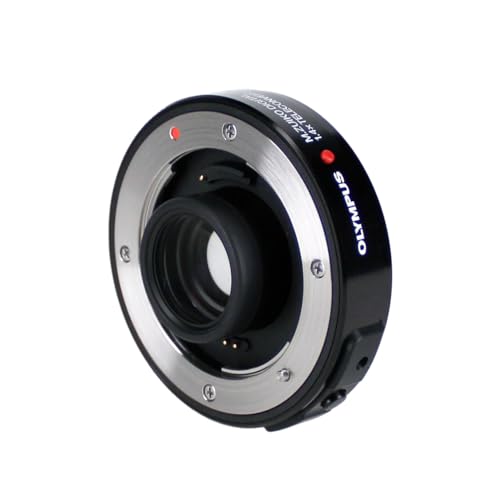
OM SYSTEM Olympus MC-14 1.4X Teleconverter (Black)
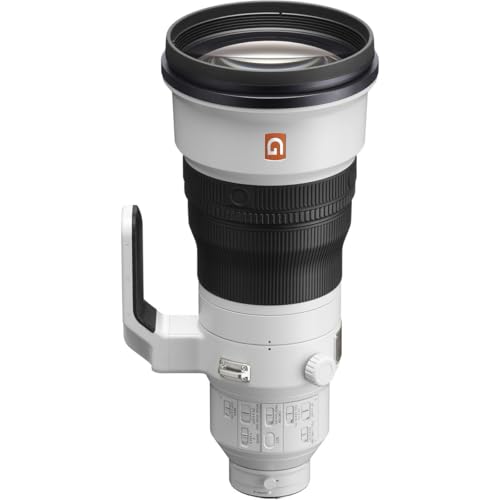
Sony SEL400F28GM 400mm F2.8 G Master Prime

Fujinon XF100-400mm F4.5-5.6 R LM OIS WR

Nikon NIKKOR Z 28-400mm f/4-8 VR

Canon EF 100-400mm f/4.5-5.6L IS USM

OM SYSTEM Olympus M.Zuiko 100-400mm F5.0-6.3 IS

Tamron 50-400mm f/4.5-6.3 Di III VC VXD (Sony E)

Tamron 50-400mm f/4.5-6.3 Di III VC VXD A067S

Tamron 100-400mm f/4.5-6.3 VC USD (Canon)
The Picks, Examined More Closely
The Panasonic Leica DG Vario-Elmar 100-400mm II sits in that sweet spot where serious reach doesn’t punish your back. Built for Micro Four Thirds bodies, this zoom tops out at a 35mm-equivalent focal length of 800mm, which means a perched eagle or a far-off lunar crater fills the frame without a teleconverter stacked on top. Power O.I.S. (Optical Image Stabilization) compensates for hand shake at the long end, and the relatively compact body makes it manageable on all-day birding walks.
It pairs naturally with Panasonic and OM SYSTEM bodies, and the broad zoom range covers both field sports and casual wildlife. Macro work is on the menu too, with a maximum magnification figure that lands near half life-size at the wide end of the zoom, useful for flower and insect shots when the long reach isn’t needed. For most outdoor Micro Four Thirds shooters, this is a workhorse lens that earns its space in the bag.
Everyday Wins
- 800mm equivalent reach covers the toughest bird and wildlife distances
- Power O.I.S. steadies handheld shots at the telephoto end
- Compact body weight is friendly on long treks compared to full-frame 400mm primes
- Wide zoom range lets you frame close subjects without swapping lenses
- Solid Micro Four Thirds mount fits a wide range of Panasonic and Olympus bodies
Trade-Offs To Consider
- Variable f/4.0-6.3 aperture means dim conditions push ISO higher
- Micro Four Thirds sensor collects less light than full-frame, so low-light performance lags behind larger-format zooms
- Lens hood and protective filters are worthwhile add-ons for fieldwork, raising the total cost
Who Will Love This
Micro Four Thirds shooters who want one lens for everything from backyard birds to distant landscapes without hauling a heavy full-frame telephoto.
Swap It Out When
The OM SYSTEM Olympus MC-14 1.4X Teleconverter makes more sense if you already own the compatible Olympus telephotos and just need a reach boost.
The OM SYSTEM Olympus MC-14 isn’t a lens in the traditional sense. A teleconverter (also called a tele-extender) sits between your camera and a compatible lens to multiply its focal length, and this 1.4x model pushes a 300mm f/4 PRO to 420mm or extends the M.Zuiko 100-400mm even further. It’s a clever way to claw back more reach without selling your current glass to fund a longer lens.
What makes the MC-14 genuinely useful is that it preserves the dust and splash-resistant properties of the host lens, so outdoor shooters don’t lose weather sealing when they mount it. Compared to the full-body lenses reviewed earlier, this is a compact accessory that slips into a side pocket and deploys only when the situation demands it. For owners of the M.Zuiko 40-150mm f/2.8 PRO, the 300mm f/4 PRO, or the 100-400mm, it adds meaningful flexibility.
What Earns Its Place
- 1.4x magnification adds reach without buying a new telephoto
- Retains dust and splash resistance of the host lens
- Compact form factor carries easily in a small pouch
- Optical performance holds up well with the listed PRO lenses
Honest Caveats
- Works only with the specific Olympus M.Zuiko PRO and 100-400mm lenses listed
- Reduces light by about one stop, so autofocus can slow in dim conditions
Whose Shelf It Belongs On
Existing OM SYSTEM or Olympus shooters who already own one of the compatible PRO telephotos and want to stretch their reach.
Look Elsewhere When
The Panasonic Leica DG Vario-Elmar 100-400mm makes more sense for Micro Four Thirds shooters who don’t yet own a compatible PRO lens.
The Sony SEL400F28GM is the lens that pro sports and wildlife photographers reach for when there’s no second chance at the shot. A 400mm f/2.8 prime is a serious commitment, both in gear cost and shoulder strain, but the payoff is enormous: that wide aperture gathers light at a rate smaller-aperture zooms simply can’t match, and Sony built this one lighter than any competing 400mm f/2.8 at launch. For low-light stadium work or dawn wildlife sessions, the difference is night and day.
XD linear motors drive autofocus fast enough to keep up with sprinting athletes or birds in level flight, and the G Master optical design aims for edge-to-edge sharpness wide open. Where the Sony pulls ahead of every zoom lens on this list is the combination of speed, autofocus precision, and rugged build. It’s not for casual shooters, but for those who need f/2.8 at 400mm on a Sony body, the trade-offs mostly disappear.
The Upside
- f/2.8 aperture at 400mm opens up indoor sports and dawn wildlife scenarios
- XD linear motors deliver fast, accurate autofocus for moving subjects
- G Master optics hold sharpness wide open across the frame
- Magnesium alloy body balances durability with manageable weight for the class
Where It May Fall Short
- Fixed focal length with no zoom flexibility for changing scenes
- Large front element demands big filters and a solid support system
- Commonly reported as a major investment relative to consumer zooms
Made For
Professional sports, wildlife, and editorial photographers working with Sony E-mount bodies who shoot in challenging light and need absolute reach with speed.
Reach For A Different Pick When
The Tamron 50-400mm f/4.5-6.3 Di III VC VXD fits better if zoom flexibility matters more than a fast aperture on a Sony body.
Fujifilm’s XF100-400mm is the telephoto zoom that travels with X-mount shooters who refuse to compromise on reach. The 35mm-equivalent focal range stretches from 152mm to 609mm, which covers everything from soccer sidelines to backyard hawks without missing a beat. Optical image stabilization rated at around five stops helps tame hand shake at the long end, and the linear motor autofocus keeps up with active subjects.
The weather-resistant (WR) construction stands up to light rain and dusty trails, making this lens a regular companion for outdoor photographers. Where it differs from the Sony 400mm prime is versatility: you give up the f/2.8 aperture but gain a 4x zoom ratio in a single optic. The optical design uses extra-low dispersion and super extra-low dispersion glass elements to reduce chromatic aberration, which shows up as color fringing around high-contrast edges in telephoto shots.
The Practical Payoff
- 152-609mm equivalent range covers wildlife, sports, and distant landscapes
- Weather-sealed build handles outdoor conditions reliably
- ED and Super ED glass elements reduce color fringing at telephoto distances
- Optical image stabilization makes handheld shooting at 400mm more practical
Soft Spots
- f/4.5-5.6 variable aperture is slower than a fixed f/2.8 prime for low-light work
- Lens weight grows noticeable on long handheld sessions without monopod support
Feature Snapshot
Right Fit For
Fujifilm X-mount photographers who shoot outdoors often and want a sealed telephoto zoom that handles unpredictable weather.
Where Another Pick Suits Better
The Sony SEL400F28GM makes more sense for photographers on Sony bodies who shoot indoor sports where f/2.8 changes everything.
The Nikon NIKKOR Z 28-400mm f/4-8 VR is built around a single, compelling idea: one lens that handles everything from wide-angle cityscapes to far-off wildlife without an accessory bag full of glass. Vibration Reduction (Nikon-speak for image stabilization) helps keep handheld shots steady across that enormous zoom range, and the relatively light body weight for such a wide zoom makes it a genuine travel companion.
Where this lens stands out from the rest of the roundup is versatility. Most telephoto zooms start around 70mm or 100mm, forcing you to switch lenses or miss the shot. The Nikon starts at 28mm, so wide street scenes and environmental portraits stay in play. The trade-off is aperture: f/4 at the wide end drops to f/8 by 400mm, which keeps the lens compact but limits low-light reach. For hikers and travelers who value one-lens simplicity, that compromise usually feels fair.
Everyday Advantages
- 28-400mm range replaces multiple lenses in a single optic
- Vibration Reduction stabilizes handheld shots at telephoto distances
- Nikon’s Z-mount is optimized for modern mirrorless autofocus speed
- Lightweight build reduces fatigue on long travel days
Things To Weigh
- Variable f/4-8 aperture is dim at the telephoto end
- Extreme zoom range means some optical compromises versus a dedicated telephoto zoom
Best Suited To
Nikon Z shooters who pack light and want one lens to handle landscapes, portraits, and distant subjects on a single outing.
Not Your Match When
The Fujinon XF100-400mm fits better for Fujifilm photographers who need a weather-sealed zoom built specifically for telephoto work.
The Canon EF 100-400mm f/4.5-5.6L IS USM is a workhorse that has earned its reputation over years of professional service. It’s a Canon L-series lens, which means the red ring denotes pro-grade construction, weather sealing, and optical quality aimed at working photographers. The zoom range covers the sweet spot for wildlife and sports, and the Image Stabilizer (IS) system offers two modes tuned for different shooting situations.
What separates this lens from the mirrorless competition on the list is compatibility. It mounts to Canon EF DSLR bodies natively, and with an EF-to-RF adapter it works on Canon’s mirrorless R-series cameras too, which broadens its appeal. Fluorite and Super UD glass elements tackle chromatic aberration, and the close focusing distance of around 5.9 feet lets you fill the frame with subjects that wander closer than expected.
Positive Points
- L-series build quality and weather sealing handle harsh outdoor conditions
- Dual-mode Image Stabilizer adapts to panning or static shooting
- Fluorite and Super UD glass control color fringing in high-contrast scenes
- Works on Canon EF DSLRs and adapted to RF mirrorless bodies
- Zoom twist design gives durable construction for heavy use
Points To Note
- Heavier than modern mirrorless zooms of similar range
- Older optical design may show more flare in direct backlight than newer coatings
Feature Snapshot
Who Should Grab It
Canon DSLR shooters and adapted RF mirrorless users who want a proven telephoto zoom with pro-grade construction.
Consider Something Else When
The Tamron 100-400mm f/4.5-6.3 VC USD is a lighter, more affordable alternative for Canon DSLR shooters who don’t need L-series build.
The OM SYSTEM Olympus M.Zuiko 100-400mm F5.0-6.3 IS earns its place as one of the lightest ways to reach 800mm equivalent. Built for Micro Four Thirds bodies, this zoom delivers a 35mm-equivalent focal range of 200-800mm, which means a sparrow in a distant tree or a fox in an open field both fill the frame without an external teleconverter. In-lens image stabilization rated at around three stops helps keep the long end usable handheld.
Dust and splashproof construction makes this lens a regular companion on rainy birding walks and dusty trail hikes. It plays nicely with the MC-14 1.4x teleconverter reviewed earlier for even more reach when conditions demand it. Compared to the Panasonic Leica DG Vario-Elmar 100-400mm reviewed at the top of this roundup, this Olympus trades some maximum aperture for a slightly more compact body and an emphasis on outdoor-friendly design.
The Helpful Details
- 800mm equivalent reach brings distant birds and wildlife into frame
- Dust and splashproof build handles tough outdoor conditions
- Compatible with MC-14 and MC-20 teleconverters for extra reach
- Compact and relatively light for a telephoto zoom of this range
Worth Noting
- f/5.0-6.3 aperture is dim, especially at the telephoto end
- Minimum focus distance of 1.3 meters limits close-up opportunities
Perfect Match For
Micro Four Thirds shooters who prioritize outdoor wildlife photography and want a sealed telephoto that doesn’t weigh them down.
A Better Fit Elsewhere
The Panasonic Leica DG Vario-Elmar 100-400mm fits better for shooters who want a wider maximum aperture and slightly longer reach at the wide end.
The Tamron 50-400mm f/4.5-6.3 Di III VC VXD is the lens that quietly replaces a small camera bag. Starting at the standard 50mm focal length, this zoom covers everyday framing, portraits, and then stretches all the way to 400mm for distant subjects, all in a single optic for Sony E-mount full-frame mirrorless bodies. VXD (Voice-coil eXtreme-torque Drive) linear autofocus motors deliver fast, quiet focusing, and Vibration Compensation (Tamron’s image stabilization) helps steady handheld shots at telephoto distances.
The 8x zoom ratio is unusual in this category. Most telephoto zooms start at 70mm or 100mm, so this Tamron’s 50mm starting point covers a useful standard range that most dedicated telephotos skip. Compared to the Sony SEL400F28GM prime reviewed earlier, this lens trades aperture and speed for zoom flexibility and a much lower price point. For Sony shooters who want one lens that handles travel, family, and wildlife without swapping glass, it earns real consideration.
Practical Advantages
- 50-400mm zoom range replaces multiple lenses in one body
- VXD linear motor autofocus is fast and quiet for both stills and video
- Vibration Compensation helps with handheld telephoto shots
- Compact for a full-frame 8x telephoto zoom
Potential Drawbacks
- Variable f/4.5-6.3 aperture is dim at 400mm for low-light work
- Some commonly reported chromatic aberration at the longest focal lengths in high-contrast scenes
Built With In Mind
Sony E-mount photographers who want a single lens for travel, family events, and the occasional wildlife or sports shoot.
Skip It When
The Sony SEL400F28GM suits working pros who shoot indoor sports and need f/2.8 light-gathering at 400mm above all else.
The Tamron 50-400mm f/4.5-6.3 Di III VC VXD A067S shares its optical core with the Tamron reviewed just before it, but adds a twist worth flagging: half-macro photography with a 1:2 maximum magnification ratio between 50mm and 70mm. That means flowers, food, and small objects can fill the frame without swapping to a dedicated macro lens. It’s a small detail that meaningfully expands what one lens can do.
For Sony full-frame mirrorless shooters, the rest of the package stays familiar: VXD linear motors, Vibration Compensation, and the same broad 50-400mm zoom range. The optical design aims for sharp results across the entire zoom, not just at the wide end. Where this Tamron distinguishes itself from other zooms on the list is the macro capability, which the Sony 400mm prime and most telephoto zooms can’t match.
What Stands Out
- Half-macro 1:2 magnification between 50mm and 70mm adds close-up flexibility
- 50-400mm zoom range covers standard through telephoto without lens swaps
- Fast, precise autofocus suitable for both stills and video
- Optical design aims for sharpness across the entire zoom range
Where It Is Less Suited
- Variable f/4.5-6.3 aperture limits low-light reach at 400mm
- Bulk and weight grow compared to a 70-300mm zoom, even if it’s lighter than most 400mm primes
The Right Fit
Sony shooters who want one lens that handles landscapes, close-ups, and distant wildlife without an extra macro in the bag.
Another Choice May Suit
The Tamron 50-400mm f/4.5-6.3 Di III VC VXD covered earlier fits the same role without the half-macro emphasis, at a slightly different price.
The Tamron 100-400mm f/4.5-6.3 VC USD (Model A035) is the dependable Canon-mount telephoto zoom for outdoor shooters who don’t need pro-grade Canon L construction. Designed for Canon digital SLR bodies, this lens delivers a useful telephoto range without the bulk or cost of a 400mm prime. Tamron’s eBAND (Extended Bandwidth and Angular Dependency) coating aims to cut down on reflections that cause flare and ghosting.
The Ultra-Sonic Drive (USD) autofocus motor keeps focusing fast and reasonably quiet, while Vibration Compensation (VC) handles small hand movements that would otherwise soften telephoto shots. LD (Low Dispersion) glass elements reduce chromatic aberration. Compared to the Canon EF 100-400mm L lens reviewed earlier, this Tamron offers similar reach at a more approachable price point, though without the red-ring L-series build and weather sealing.
Good Reasons To Consider
- 100-400mm zoom covers the most common wildlife and sports framing
- Vibration Compensation helps with handheld telephoto shooting
- LD glass elements and eBAND coating manage flare and color fringing
- Lightweight body for a full-frame 100-400mm zoom
- 6-year limited warranty coverage for long-term ownership peace of mind
A Few Limitations
- Build and weather sealing are lighter than Canon’s L-series telephotos
- Variable f/4.5-6.3 aperture is dim at 400mm for indoor sports
Quick Facts
Who It Suits Best
Canon DSLR photographers who want a capable, lighter telephoto zoom at a friendlier price than the L-series alternatives.
Where A Sibling Pick Shines
The Canon EF 100-400mm f/4.5-5.6L IS USM fits better when pro-grade weather sealing and L-series durability are non-negotiable.
Choosing 400mm Glass Without Regret
Reach matters, but how you reach determines whether a lens fits your style. Fixed primes deliver speed and sharpness at the cost of a single focal length, zooms trade some aperture for versatility, and teleconverters stretch your existing glass without buying a new lens. Mirrorless systems generally autofocus faster and weigh less at the long end, while DSLRs still offer rugged, weather-sealed telephotos that hold up to years of outdoor use. Start with your camera mount, then decide whether you need zoom flexibility or maximum aperture for the kinds of subjects you actually shoot.
Matching Lens to Mount and Sensor
Your camera mount rules out half the options on any list before you start comparing glass. Sony E, Nikon Z, Canon RF, and Fujifilm X all use modern mirrorless mounts, while Canon EF and Nikon F remain relevant for DSLR users. Micro Four Thirds bodies (Panasonic, OM SYSTEM) double the effective focal length, which is why the 100-400mm zooms from those systems reach 800mm equivalent. Full-frame sensors offer better low-light performance and shallower depth of field, but Micro Four Thirds gives you more reach in a smaller, lighter package.
Aperture, Stabilization, and Real-World Trade-Offs
A wide maximum aperture (f/2.8 or f/4) lets more light hit the sensor, which improves autofocus speed in dim conditions and lets you use faster shutter speeds without cranking ISO. Variable-aperture zooms (f/4.5-6.3 and similar) stay smaller and lighter, which matters on long handheld walks. Image stabilization is critical at 400mm and beyond, where even tiny hand movements become visible blur. Look for lenses with optical stabilization rated at four stops or more for confident handheld shooting at the telephoto end.
Zoom Range vs. Prime Speed
A 100-400mm zoom covers a wide range of subjects in one optic, but a 400mm f/2.8 prime gathers nearly four times more light at the same focal length. The trade-off is weight, cost, and the inability to zoom. For wildlife and sports where the action moves unpredictably, zooms usually win. For indoor sports, dim forests, or astrophotography where light matters more than reach, primes justify their bulk.
Weather Sealing and Build Quality
Outdoor shooters should pay attention to dust and splash resistance, especially for birding, wildlife, and landscape work. L-series Canon glass, weather-sealed Fujinon XF lenses, and explicitly sealed Micro Four Thirds options all hold up to rain and dust. Lenses without sealing still perform well in fair weather, but a sudden storm can end a shoot if the glass isn’t protected.
Key Considerations Across These Picks
Where Shoppers Go Wrong
The most common slip-up is buying a lens without checking mount compatibility first, which turns a perfect lens into an expensive paperweight. Another frequent mistake is chasing maximum focal length without considering the camera’s sensor format: a 400mm lens on Micro Four Thirds behaves like 800mm on full-frame. Finally, weight and balance matter more than most people expect, so a 6-pound telephoto on a small mirrorless body can feel awkward for long sessions, and a tripod collar becomes essential for stability.
Where The Extra Money Goes
Premium telephoto lenses earn their higher price through wider apertures, faster autofocus motors, and weather-sealed pro-grade construction. The Sony SEL400F28GM and Canon EF 100-400mm L reviewed here both command more because they offer f/2.8 speed or L-series durability, respectively. The upgrade usually pays off for working professionals who shoot in challenging light or harsh weather, but casual shooters who mainly shoot in fair conditions at moderate ISO can save real money with a quality variable-aperture zoom.
Frequently Asked Questions
What is the 35mm equivalent focal length for Micro Four Thirds lenses?
Micro Four Thirds sensors apply a 2x crop factor compared to full-frame, so a 100-400mm lens delivers the same field of view as a 200-800mm lens on a full-frame camera. That extra reach makes Micro Four Thirds a popular choice for wildlife and bird photography.
Do teleconverters reduce image quality?
Teleconverters multiply focal length but also amplify any optical flaws in the host lens. A high-quality 1.4x teleconverter paired with a sharp prime usually produces excellent results, while a 2x converter on a budget lens can noticeably soften images. They also reduce the effective aperture by one or two stops, which slows autofocus in dim light.
Is image stabilization necessary at 400mm?
Yes, at 400mm even tiny hand movements become visible blur, and image stabilization dramatically improves your keeper rate for handheld shots. Look for lenses with optical stabilization rated at four stops or higher for confident telephoto shooting without a tripod.
Can I use a full-frame lens on a crop sensor camera?
Most full-frame lenses work on crop sensor bodies, but the smaller sensor only uses the central portion of the lens image circle, which effectively increases the focal length. A 400mm full-frame lens behaves like 600mm on an APS-C body and 800mm on Micro Four Thirds. The trade-off is that the lens may be larger and heavier than necessary for the smaller sensor.
What accessories are essential for 400mm telephoto shooting?
A sturdy tripod or monopod, a protective front filter, and a well-padded camera bag are practical essentials for most 400mm setups. A lens hood helps reduce flare, and a remote shutter release minimizes vibration for long exposures or tripod-mounted shots.
Bottom Line
The right 400mm camera lens depends on your camera system, your shooting subjects, and how much weight you want to carry. Micro Four Thirds shooters get the most reach per ounce with the Panasonic and Olympus zooms, while full-frame users have flexible options from Tamron and refined primes from Sony. Canon DSLR photographers can choose between rugged L-series glass and friendlier-priced third-party zooms. Match the lens to your mount, decide whether zoom or speed matters more, and invest in weather sealing if your work takes you outdoors.