Picking a 4K camcorder in 2026 feels different from a few years ago. The category has split into serious professional gear, hybrid creator tools, and lightweight budget options, so the right pick depends on whether you’re filming weddings, chasing a toddler around the house, or building a YouTube channel. This roundup walks through nine solid choices that cover each lane, with honest notes on what each one actually does well and where it might leave you wanting more.
A Side-By-Side Look
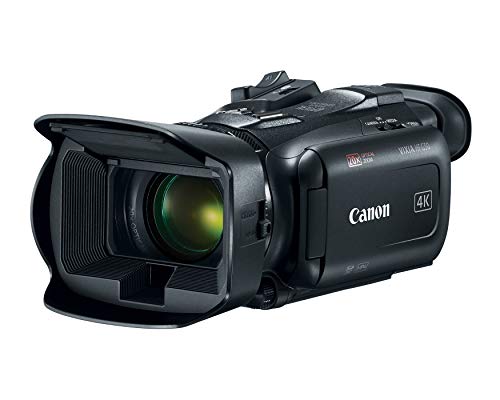
Canon VIXIA HF G50 4K30P Camcorder (Black)
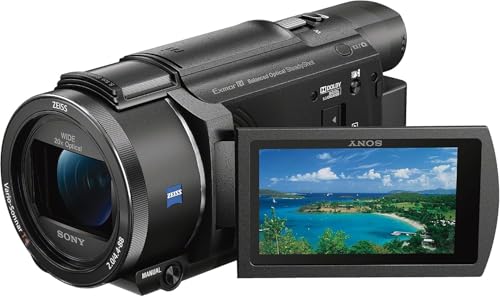
Sony FDRAX53/B 4K HD Camcorder (Black)

Sony FDRAX33 Handycam 4K Camcorder

Sony PXW-Z90V 4K Compact NXCAM

Canon VIXIA HF G70 4K UHD Camcorder
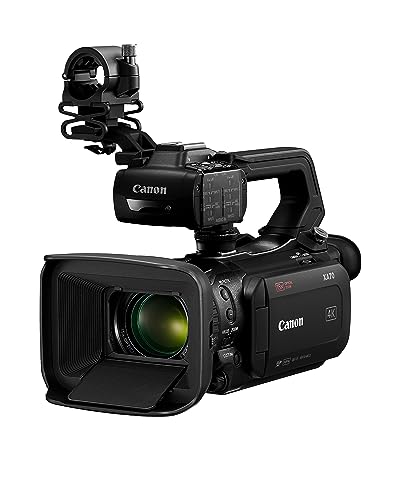
Canon XA70 Pro 4K UHD Camcorder

Sony AX43A 4K Handycam Camcorder

Canon XA65 Pro 4K UHD Camcorder

ZYDIIE 4K Vlogging Camcorder
A Deeper Look At The Lineup
The Canon VIXIA HF G50 sits in a comfortable middle ground that appeals to anyone graduating from a smartphone but not ready to wrestle with a full cinema rig. Its 1/2.3-inch sensor paired with a 20x optical zoom covers everything from a school recital to a backyard soccer game without swapping lenses. The DIGIC DV 6 image processor handles color and noise reduction well, which matters when you’re shooting mixed indoor lighting.
For weekend videographers taping family milestones, this camcorder offers a friendly learning curve. The 4K 30p recording captures enough detail to crop in during editing without the footage falling apart. Owners commonly find the form factor comfortable for long shoots, and the menu system feels familiar to anyone who has used a Canon DSLR before.
Points In Its Favor
- 20x optical zoom reaches across large rooms and outdoor venues without digital degradation.
- DIGIC DV 6 processor keeps colors consistent across changing lighting conditions.
- Ergonomic grip reduces fatigue during full-day event coverage.
- Intuitive menu layout helps first-time camcorder owners get rolling quickly.
Worth Noting
- No built-in ND filter, so bright outdoor scenes may require extra lens accessories.
- Low-light performance drops noticeably compared to larger 1-inch sensor options.
Who It Suits Best
Family videographers and church volunteers who want reliable 4K without a steep learning curve will feel right at home here.
Consider Something Else When
Anyone prioritizing pro audio inputs should look at the Canon XA65 Pro, which adds XLR ports for external microphones.
Sony’s FDRAX53/B brings ZEISS optics to the consumer camcorder conversation, which is a meaningful upgrade if you care about edge sharpness and contrast. Its 26.8mm wide-angle lens captures sweeping scenes without forcing you to step back, while the 20x optical zoom extends to 30x Clear Image Zoom in 4K mode. The Exmor R sensor helps in dim churches and evening receptions where other camcorders tend to struggle.
Travel shooters will appreciate the balanced optical SteadyShot, which keeps handheld footage steady while walking through markets or touring cities. The 3-inch touch panel tilts for low-angle and self-recording setups. Built-in Wi-Fi and NFC let you offload clips to a phone quickly, cutting the wait between shooting and sharing.
What Earns Its Place
- ZEISS Vario-Sonnar lens delivers consistent sharpness across the zoom range.
- Balanced optical SteadyShot stabilizes the entire optical path, not just digital crops.
- Night Shot mode handles near-dark environments better than most rivals in this tier.
- Wi-Fi and NFC support quick wireless transfers to mobile devices.
Trade Offs
- Higher gain settings introduce visible noise in very dim scenes.
- Touch panel can be finicky with wet or gloved fingers during outdoor shoots.
Feature Snapshot
Made For
Vacation videographers and event documentarians who need wide-to-telephoto reach in a single handheld body.
Look Elsewhere When
Creators focused on vlogging and selfie-style content should look at the Sony AX43A, which has a built-in gimbal for steadier walking shots.
The Sony FDRAX33 opened the door to 4K recording at a price that didn’t require a second mortgage, and it still holds up as an entry point for newcomers. Its balanced optical SteadyShot keeps the lens assembly itself stable, which is more effective than electronic stabilization alone. Direct pixel readout helps preserve smooth edges and natural color gradation, two areas where cheaper camcorders typically fall apart.
For someone stepping up from HD for the first time, the Handycam form factor feels familiar and unintimidating. The manual control ring on the lens barrel allows real-time focus or zoom adjustments without menu diving. Wi-Fi support means you can still share clips without a cable, even on an older body.
Positive Points
- Balanced optical SteadyShot maintains stability across the entire zoom range.
- Direct pixel readout reduces moiré and aliasing on fine patterns.
- Manual control ring gives tactile feedback for focus pulls.
- Compact body fits comfortably in a daypack or carry-on.
Points To Note
- No 4K 60p mode, so fast action may show some motion blur.
- Older battery design may need spares for full-day coverage.
Best Suited To
First-time 4K owners and parents documenting school events who want simple operation without sacrificing detail.
Skip It When
Action-heavy sports videography is a better fit for the Sony AX43A, which handles faster movement with less rolling shutter.
The Sony PXW-Z90V is built for the working professional who needs broadcast-grade features in a palm-sized shell. Its 1-inch Exmor RS stacked CMOS sensor delivers a level of detail and dynamic range that smaller-sensor camcorders can’t match. Instant HDR workflows let you shoot and deliver high-contrast footage without time-consuming post-production grading. Fast Hybrid autofocus tracks subjects reliably, which matters when you only get one take.
News crews and documentary teams value the 3G-SDI output for direct feed into live broadcast systems. Dual-band wireless streaming at 2.4 and 5 GHz gives flexibility in crowded venues where one band is congested. Compared to the consumer-focused Handycam models earlier in this lineup, the PXW-Z90V trades consumer polish for raw production capability.
Noteworthy Benefits
- 1-inch stacked sensor captures wider dynamic range for mixed lighting.
- 3G-SDI output supports professional broadcast workflows.
- Dual-band Wi-Fi enables reliable wireless streaming in busy environments.
- Instant HDR reduces post-production turnaround for time-sensitive projects.
Honest Caveats
- Higher cost reflects professional features casual users may not fully use.
- Menu depth and codec options require a learning commitment.
- Compact body lacks the deep handgrip of larger shoulder-mount cameras.
Key Attributes
Perfect Match For
News gatherers and documentary filmmakers who need broadcast outputs in a portable body will find this fits their workflow.
Another Choice May Suit
Independent event videographers not needing SDI should consider the Canon XA65 Pro, which covers most pro features at a friendlier weight class.
The Canon VIXIA HF G70 modernizes the consumer 4K camcorder formula with features aimed squarely at content creators. Its 1/2.3-inch 4K UHD CMOS sensor pairs with the DIGIC DV 6 processor for clean output, while a 20x optical zoom covers wide group shots and distant detail without swapping lenses. USB live streaming support means educators and creators can broadcast directly to platforms without a capture card.
Slow motion in 0.5x Full HD and fast motion up to 1200x in 4K open creative possibilities for sports analysis or stylized social content. The on-screen display time stamp recording helps anyone documenting events where proof of recording date matters. You can find it slots in nicely above the older VIXIA HF G50 for users who want streaming built in.
Useful Highlights
- USB live streaming removes the need for external capture hardware.
- 1200x fast motion in 4K adds dramatic time-lapse options.
- Time stamp recording helps legal and documentary applications.
- 20x optical zoom reaches across classrooms and auditoriums with ease.
Small Caveats
- 1/2.3-inch sensor trails larger options in low-light clarity.
- No XLR audio, so external mic setups need adapters.
Right Fit For
Educators, worship leaders, and livestream creators who want clean 4K plus direct-to-platform broadcasting.
Swap It Out When
Anyone needing pro audio should look at the Canon XA65 Pro, which adds XLR inputs for external mixers.
The Canon XA70 Pro is the kind of camcorder that quietly becomes the centerpiece of a working kit. Its 1-inch 4K UHD CMOS sensor is a meaningful step up from the 1/2.3-inch sensors in most consumer models, and Dual-Pixel CMOS AF gives you the kind of smooth, confident focus pulls that wedding and corporate clients notice on the final playback. The DIGIC DV 6 processor preserves color depth and gradation that flatter skin tones.
XLR audio inputs open the door to shotgun microphones and wireless lavalier systems, which is where professional video separates itself from consumer gear. USB live streaming adds flexibility for hybrid events. Compared to the VIXIA HF G70 earlier in this roundup, the XA70 trades optical zoom reach for sensor size and audio quality, two things that matter in paid work.
Well-Handled Touches
- 1-inch sensor gathers more light for cleaner indoor and evening footage.
- Dual-Pixel CMOS AF delivers cinema-style focus transitions.
- XLR inputs accept professional microphones and wireless receivers.
- Mini-HDMI output integrates with external monitors and switchers.
Less Ideal Details
- 15x optical zoom is shorter than 20x consumer rivals.
- Larger body takes up more space in smaller camera bags.
Technical Highlights
Who Should Grab It
Wedding videographers and corporate content producers who need pro audio and dependable autofocus in a portable package.
Where A Sibling Pick Shines
Documentary shooters needing broadcast-grade streaming should pick the Sony PXW-Z90V instead, which adds 3G-SDI output.
Sony’s AX43A stands out for one feature that changes how it feels in the hand: a built-in gimbal mechanism that mechanically stabilizes the lens assembly. Balanced Optical SteadyShot handles the bumps of walking, chasing toddlers, or filming from moving vehicles far better than software stabilization. The Exmor R CMOS sensor paired with the BIONZ X processor pulls in enough light for indoor family moments without grainy output.
Fast Intelligent Autofocus locks onto faces and tracks them reliably, which makes a real difference when you’re filming kids who won’t sit still. The microphone design emphasizes cleaner vocal capture. Compared to the older FDRAX33, the AX43A feels more modern for everyday content while keeping the Handycam form factor people already trust.
Everyday Perks
- Built-in gimbal stabilization smooths out handheld walking footage.
- Fast Intelligent Autofocus tracks faces without constant hunting.
- Compact body slips into a jacket pocket or small bag.
- Improved onboard microphone reduces background noise.
A Few Limitations
- Smaller sensor limits low-light performance compared to 1-inch options.
- No professional XLR inputs restrict audio upgrade paths.
Whose Shelf It Belongs On
Parents and travel vloggers filming on the move will appreciate the stabilization most.
Reach For A Different Pick When
Anyone needing broadcast-quality streaming will get more from the Sony PXW-Z90V, which adds SDI output and dual-band wireless.
The Canon XA65 Pro packs a remarkable amount of professional connectivity into a compact body. Its 1/2.3-inch 4K UHD CMOS sensor and DIGIC DV 6 processor deliver the same color science as the larger XA70, while the 20x optical zoom adds reach that the 1-inch sensor sibling can’t match. 3G-SDI output gives studio and broadcast teams the kind of locked, professional feed they need for live workflows.
XLR audio inputs support shotgun mics and wireless receivers, making this a strong choice for run-and-gun documentary work. USB live streaming covers hybrid event setups where you might need to feed both broadcast and online audiences. The on-screen display time stamp recording adds accountability to interviews and depositions, a detail that quietly matters in professional contexts.
Real-World Strengths
- 3G-SDI output integrates with professional broadcast switchers.
- 20x optical zoom outperforms the XA70 for distant subjects.
- XLR audio inputs accept pro microphones without adapters.
- USB streaming supports hybrid live event coverage.
Where It May Fall Short
- 1/2.3-inch sensor doesn’t gather light as well as the XA70’s 1-inch option.
- Compact body may feel small for users with larger hands during long shoots.
Spec Overview
Built With In Mind
Studio producers, house-of-worship media teams, and corporate communications crews will appreciate the SDI output most.
A Better Fit Elsewhere
Videographers prioritizing low-light quality should look at the Canon XA70, which uses a 1-inch sensor.
The ZYDIIE 4K Vlogging Camcorder targets creators who want 4K resolution without a professional price tag. The included 32GB card and two batteries mean you can start filming right out of the box without hunting for accessories. The 3-inch IPS touchscreen rotates 270 degrees for selfie framing, which matters for solo vloggers and students recording presentations.
Night vision support extends filming into dimmer environments where other budget camcorders produce unusable footage. The remote control simplifies tripod-mounted shooting where reaching the camera isn’t practical. Compared to the Sony AX43A higher in this list, the ZYDIIE trades professional polish and optical stabilization for accessibility, which is the right trade for casual creators.
What Makes Sense
- Two batteries and a 32GB card ship in the box for immediate shooting.
- 270-degree flip screen supports selfie-style and presentation recording.
- Night vision mode captures footage in lower light situations.
- Remote control simplifies hands-off recording setups.
Possible Compromises
- Digital zoom only, which reduces quality at higher magnifications.
- Plastic construction may not hold up to heavy daily travel use.
- Limited manual controls compared to higher-tier Canon and Sony options.
The Right Fit
Casual vloggers, students, and first-time creators testing the waters of YouTube content will find the kit approachable.
Where Another Pick Suits Better
Anyone serious about growing a channel with pro-looking footage will outgrow this and want the Sony AX43A or Canon VIXIA HF G70.
Picking The Right 4K Camcorder For The Job
Sensor size drives most of the differences you’ll notice between these nine picks. A 1-inch sensor gathers more light, which means cleaner indoor footage and less noise when the sun drops, but it usually comes with shorter optical zoom ranges. Smaller 1/2.3-inch sensors allow longer zoom lenses in compact bodies, so families filming school plays and sports get more reach without buying extra glass. Match sensor size to your most common shooting environment rather than chasing specifications on paper.
Audio inputs separate hobbyist gear from working tools. XLR ports on the Canon XA65 Pro and XA70 accept professional shotgun mics and wireless lavaliers, which matters for weddings, interviews, and corporate work. Consumer models rely on built-in microphones or 3.5mm inputs, which work fine for vacation clips but limit your ability to capture clean dialogue in noisy venues. Stream output also matters: HDMI handles most monitors, while 3G-SDI on the Sony PXW-Z90V and Canon XA65 feeds professional broadcast switchers.
Stabilization determines whether your handheld footage is watchable or nauseating. Sony’s Balanced Optical SteadyShot and the AX43A’s built-in gimbal keep the entire lens block stable, which beats electronic stabilization alone. Optical zoom quality matters more than the headline zoom number: the Canon VIXIA HF G70 and Sony FDRAX53/B both deliver clean 20x reach, while budget digital zoom on the ZYDIIE degrades quickly past modest magnifications.
What To Watch For Before You Buy
Where Shoppers Go Wrong
Choosing by zoom number alone is one of the most common traps. A 60x digital zoom sounds impressive on a box, but image quality falls apart long before you reach that range. Optical zoom preserves detail, while digital zoom just crops and enlarges. Decide what distance you actually need to cover and read the optical zoom figure, not the headline-grabbing total.
Assuming all 4K is the same leads to disappointment. 4K 30p works fine for casual content, but fast sports and wildlife often look smoother at 60p if the camera supports it. Frame rate, bit depth, and codec choices affect how much grading flexibility you keep in post-production. Higher-tier camcorders offer more recording formats, which creative professionals genuinely use.
Where The Extra Money Goes
Spending more typically buys better autofocus and larger sensors. Canon’s Dual-Pixel CMOS AF on the XA series tracks subjects smoothly, which makes a visible difference in corporate and event video. A larger 1-inch sensor on the XA70 produces cleaner footage in dim venues, where most events actually happen. These improvements aren’t marketing fluff; they directly affect whether your footage looks professional.
Professional connectivity is the other big jump. XLR audio inputs, 3G-SDI output, and dual-band wireless streaming on the premium models open workflows that consumer cameras simply can’t support. For casual users these features may sit unused, but for anyone doing paid work or live production, they’re the difference between a hobby camera and a working tool.
Frequently Asked Questions
What Frame Rate Should I Look For In A 4K Camcorder?
30p works well for most everyday footage including family events and travel video. Look for 60p if you plan to capture sports, wildlife, or action scenes where smoother motion matters. Some camcorders also offer 24p for a cinematic look that mimics film.
Do I Need A 1-Inch Sensor For Indoor Shooting?
A larger sensor helps significantly in dim venues like churches, reception halls, and indoor sports. The Canon XA70 and Sony PXW-Z90V use 1-inch sensors that gather more light than the 1/2.3-inch sensors in most consumer models. For occasional indoor clips, smaller sensors are usually fine.
How Important Is Optical Stabilization For Handheld Video?
It matters more than most specifications suggest. Balanced optical stabilization like Sony’s SteadyShot keeps the entire lens assembly stable rather than cropping digitally. This matters for walking shots, family events, and travel footage where tripods aren’t practical.
Can These Cameras Stream Directly To YouTube Or Twitch?
Several models in this roundup support USB live streaming, including the Canon VIXIA HF G70, XA65 Pro, XA70, and ZYDIIE. The Sony PXW-Z90V adds dual-band wireless streaming for broadcast-style workflows. Older consumer models like the FDRAX33 rely on wireless transfer rather than direct streaming.
What Storage Do 4K Camcorders Use?
Most modern 4K camcorders record to SDXC cards, with higher-bitrate modes requiring U3 or V60 rated cards. The Canon XA65 Pro and XA70 also support dual-card recording for longer events. Budget models like the ZYDIIE include a starter card in the box, but serious users typically upgrade to larger, faster SDXC cards.
Closing Remarks
The right 4K camcorder really depends on where and how you plan to shoot. Family videographers will feel comfortable with the Canon VIXIA HF G50 or Sony AX43A, while working professionals find their match in the Canon XA series or Sony PXW-Z90V. Budget creators can start with the ZYDIIE and upgrade as their needs grow. Whatever your situation, focus on sensor size, stabilization, and audio inputs, and you’ll land on a camcorder that serves you well for years.