Travel footage lives or dies on the camera you trust in your bag. Whether you’re chasing reef fish in Bali, skiing slushy spring runs, or vlogging through backstreets of Lisbon, the right setup decides whether your clips look like a postcard or a shaky phone memory. This roundup leans into cameras that survive travel days, shoot clean video in tough light, and stay small enough that you actually carry them on day three of your trip.
An Overview Of The Picks
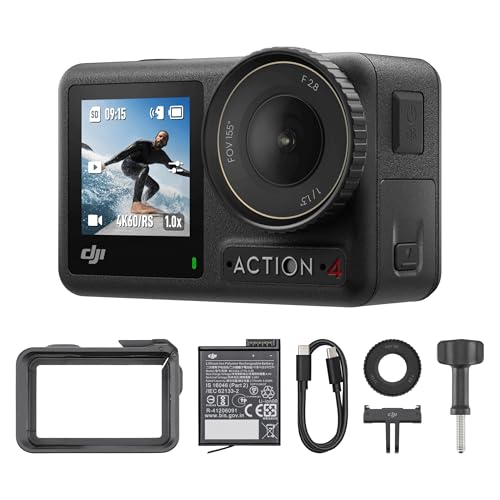
DJI Osmo Action 4 Essential Combo, Waterproof Action Camera

Insta360 Ace Pro 2 Dual Battery Xplorer Bundle 8K Action Camera

Insta360 X5 Essentials Bundle Waterproof 8K 360° Action Camera

AKASO EK7000 4K30FPS 20MP WiFi Action Camera

AKASO EK7000 Pro 4K30fps Action Camera with Touch Screen

AKASO Brave 4 Action Camera 4K30 Ultra HD Waterproof

4K Mini Body Camera with 64GB Card Thumb Action Camera

XbotGo Falcon All-in-One 4K Action Camera (Green)

XbotGo Falcon All-in-One AI Action Camera 4K Sports Camera

XbotGo NT4 PRO Carbon Fiber Tripod 12.8ft Sport Camera Stand
Why These Options Stand Out
The Osmo Action 4 sits in that sweet spot where a camera is rugged enough for a surfboard, small enough for a jacket pocket, and sharp enough to grade later without falling apart. The larger 1/1.3-inch sensor is the headline feature here, and it matters most when the sun drops, since bigger pixels capture cleaner footage in dim cafes, dusk hikes, or night markets than smaller sensors manage.
For travelers who shoot a mix of handheld walking clips, underwater snorkeling, and helmet-mounted mountain biking, the Essential Combo bundles the accessories most people need on day one. The native waterproofing removes the anxiety of sudden rain on a tuk-tuk ride. Compared with the AKASO EK7000 later in this list, the Osmo delivers noticeably better dynamic range in mixed light, which is the gap that usually shows up first in travel edits.
Where It Delivers
- 1/1.3-inch sensor pulls in cleaner low-light footage than most action cameras in this class.
- 10-bit color depth (a color format that records billions of shades, preventing banding in skies) gives real grading room when you edit later.
- Built-in waterproofing keeps the camera sealed for snorkeling and heavy rain.
- Compact body fits in a daypack side pocket, so it travels without a dedicated case.
Things To Consider
- Owners commonly report that the touch screen can be finicky with wet fingers.
- 4K high-frame-rate modes drain battery faster than casual 1080p shooting.
Who It Suits Best
Travelers and vloggers who shoot across mixed lighting, want one camera that handles a rainy morning hike and a sunset ferry crossing.
Where Another Pick Suits Better
If 360° reframing and the option to crop footage in post matter more than straight-ahead footage, the Insta360 X5 Essentials Bundle is a stronger fit.
The Ace Pro 2 leans on Leica’s color science, which translates into footage that looks polished straight out of camera with minimal grading. A flip screen makes solo vlogging far easier, since framing yourself no longer means guessing and re-shooting. The Dual Battery Xplorer Bundle also solves the most common travel complaint: running out of power mid-day.
This is the option for creators who care about cinema-leaning color, 8K future-proofing, and on-camera AI noise reduction that cleans up wind and crowd audio. If your travel vlog leans more toward documenting once-in-a-lifetime trips where image quality outweighs convenience, the Ace Pro 2 earns its spot above the Osmo Action 4 for this specific niche.
What Helps Most
- Leica color science produces a filmic look without heavy editing.
- 2.5-inch flip screen makes self-recording framing intuitive.
- AI noise reduction cleans wind and crowd rumble for cleaner travel audio.
- Dual-battery bundle covers full-day shooting without a charger.
Worth Noting
- 8K files eat storage, so travelers should budget for larger memory cards.
- The premium body costs more than entry options and may not suit casual users.
- Heavier than the thumb-sized CAMWORLD pick below, so helmet mounts can feel bulky.
Made For
Vloggers and serious travelers who want flagship image quality, care about color science, and shoot enough footage to justify the extra investment.
Look Elsewhere When
If you mainly need a hands-free, no-edit setup for casual family clips, the AKASO EK7000 Pro covers that need at a fraction of the price.
The X5 flips the script on traditional action cameras by capturing everything around it, then letting you frame the shot later in the app. That invisible selfie stick effect makes the camera look like it’s floating alongside you, which is the magic trick 360 shooters chase. A replaceable lens also matters on trips, since cracking a fixed lens used to mean an expensive repair.
Compared with the Ace Pro 2 above, the X5 sacrifices some flat color science for the unique ability to reframe in post. Travelers who hate missing a moment because they pointed the wrong way will appreciate that freedom. For snowboarders, motorcyclists, and anyone shooting in tight quarters, 360° coverage often beats single-direction cameras.
Useful Highlights
- 360° capture means no more missed shots from the wrong angle.
- Replaceable lenses reduce worry on rough trips.
- Built-in wind guard improves outdoor dialogue.
- Triple AI chip design helps in low light, which is often the weakest spot on 360 cameras.
Trade Offs
- Workflow takes longer, since footage needs reframing in the app.
- At full 8K 360, files are heavy and demand a recent phone or laptop.
Best Suited To
Travel creators who shoot in unpredictable environments and want the freedom to choose their framing after the fact.
A Better Fit Elsewhere
Straight-ahead vloggers who want clean 4K without reframing steps will get more value from the DJI Osmo Action 4 Essential Combo.
The EK7000 is the camera you toss into a beach bag without wincing if it gets scuffed. At 131 feet of waterproof depth with the included housing, it handles real snorkeling and pool duty, not just splash resistance. Electronic Image Stabilization, or EIS, smooths handheld walking shots, which is the difference between a watchable clip and motion sickness.
For first-trip travelers, parents, or anyone dipping a toe into action cameras before committing to a flagship body, this is a low-fuss starting point. Compared with the EK7000 Pro below, you give up the touchscreen but keep the 4K resolution and the waterproof housing, which is the harder spec to live without on a beach trip.
Everyday Advantages
- 131-foot waterproof housing opens up real underwater use.
- Remote control lets you start recording without touching the camera.
- 4X zoom gives flexibility for landscape framing.
- Built-in WiFi makes file transfers to a travel laptop easy.
Minor Gripes
- Low-light footage shows more grain than flagship sensors, so night markets will look soft.
- The included housing adds bulk, which matters if you want a pocketable body.
Perfect Match For
First-time travelers and families who want a capable, low-commitment action camera for beach trips, snorkeling, and ski lessons.
Consider Something Else When
Skiers who need a touchscreen for fast settings changes in gloves should look at the AKASO EK7000 Pro instead.
The EK7000 Pro is the upgrade path for shoppers who liked the original EK7000 but wanted a touchscreen to skip the menu diving. The IPS panel (a screen tech that stays viewable at wide angles) reads clearly even in bright sun, and the bundled helmet accessories kit removes the guesswork of buying mounts separately. EIS keeps handheld trail footage steady enough for casual edits.
Beginners and casual vloggers often land here because the bundle feels complete on day one. If your travel style is more urban walking tours and ski helmets than deep diving, the 131-foot waterproofing still handles pool duty and snorkel use. Compared with the bare-bones EK7000, the touchscreen alone justifies the small step up for most newcomers.
What Stands Out
- 2-inch touchscreen simplifies settings changes on the fly.
- Helmet accessories kit covers the most common mounting scenarios out of the box.
- 5X zoom offers more framing range than the original EK7000.
- EIS stabilizes handheld footage enough for social-ready clips.
Room For Improvement
- The small screen can feel cramped when reviewing footage on the trail.
- Audio pickup is basic, so windy ridgelines need an external mic or a different camera.
Key Specs
Right Fit For
Newcomers and casual travelers who want a touchscreen, a starter accessory bundle, and a forgiving price point.
Skip It When
Travelers who value silent, fast operation and prefer a compact body will prefer the CAMWORLD 4K Mini Body Camera for POV use.
The Brave 4 leans on adjustable viewing angles, which is a small detail that pays off when you want a tight crop for a street mural or a wide landscape for a coastal hike. The dual-screen layout helps selfie-style framing, and image stabilization keeps that scenic boat ride from looking like a handheld earthquake.
For casual travelers who want a workhorse without flagship pricing, this slot in the lineup makes sense. Compared with the EK7000 Pro above, you trade the touchscreen menu system for adjustable angles, which some users prefer for quick framing decisions. In our view, it sits in a comfortable middle ground for road-trippers and snorkelers.
Advantages To Know
- Four adjustable angles (170°, 140°, 110°, 70°) handle both tight crops and sweeping landscapes.
- Dual screens help frame selfies and standard shots alike.
- 20MP stills pull good frames from video-friendly moments.
- Waterproof housing covers snorkeling and pool duty.
Honest Caveats
- Image stabilization is decent but not on par with the larger-sensor flagships higher in this list.
- Low-light performance drops quickly once the sun sets.
Who Should Grab It
Casual road trippers and snorkelers who want flexible framing at a comfortable price.
Another Choice May Suit
If you want flagship low-light performance for night markets and dawn shoots, the DJI Osmo Action 4 is the better match.
The CAMWORLD Mini lands in a different category from the others, since it skips the rugged housing in favor of a thumb-sized body that mounts magnetically to clothing or a handlebar. The 150° wide field of view is genuinely immersive, which is what POV footage needs to feel like you’re there. A 64GB card in the box also removes the annoying first-day accessory run.
Cyclists, motorcyclists, and pet vloggers benefit most from this form factor. The trade-off shows up when you compare it to the Osmo Action 4 above, since the smaller body can’t match flagship sensor size, and there is no rugged dive housing. Cyclists who want a featherweight camera for daily rides will find this fits the bill.
Everyday Perks
- Magnetic mount lets you clip to jackets or handlebars in seconds.
- 150° wide-angle lens produces immersive POV footage.
- Thumb-sized body disappears in a pocket between shots.
- 64GB card included means filming starts the moment you unbox it.
Some Limits To Know
- Not designed for deep underwater use like the AKASO EK7000.
- Small screen makes framing precise shots harder.
- Depending on how rough your ride gets, you may need a secondary mount for high-impact sports.
Who Will Love This
Cyclists, motorcyclists, and POV vloggers who want a featherweight camera that captures first-person perspectives without a helmet rig.
Reach For A Different Pick When
Underwater and high-impact adventure travelers will get more value from the AKASO EK7000 with its dedicated waterproof housing.
The Falcon in green is built for a specific use case: parents and coaches who want to film a kid’s game without chasing action with a phone. The AI auto-tracking follows the player, and the live-streaming option lets grandparents watch from home. The 4K sensor keeps the footage sharp enough for highlight reels and team sharing.
It is not a traditional action camera for surf trips or helmet mounts. In most family-sports scenarios, though, it solves the “who is filming?” problem that usually ends with shaky phone clips. Compared with the AI Action Camera below, the green version keeps the same tracking brain with a slightly different body styling.
The Case For It
- AI tracking follows the player so you can focus on the game, not the camera.
- 4K capture keeps clips sharp for highlight reels.
- Live streaming connects remote family members to the field.
- All-in-one design removes the need for a separate operator.
Less Ideal Details
- Less suited to traditional adventure travel, where manual framing matters more.
- AI tracking depends on clear sightlines and can lose fast subjects.
Built With In Mind
Parents, coaches, and team videographers who want hands-free, AI-tracked sports footage.
Where A Sibling Pick Shines
Adventure travelers who want versatile handheld shooting should consider the DJI Osmo Action 4 for a more universal tool.
This second Falcon variant shares the same AI tracking brain as the green version but presents a different body styling. The 6 TOPS of AI performance, a measure of how fast the dedicated neural chip processes tasks, allows real-time subject recognition that follows athletes across a field. For team-sport videographers, this is the feature that turns a tripod-mounted camera into a one-person film crew.
It pairs naturally with the NT4 PRO tripod reviewed next, since tall, hands-free mounting is what unlocks the tracking system. Travelers who don’t film team sports may find the feature set too narrow, but in its lane it earns high marks. Compared with the green Falcon above, the choice between them mostly comes down to body color preference and bundle availability.
Where It Excels
- 8-core processor handles AI tracking smoothly during fast plays.
- Hands-free operation removes the need for a dedicated camera operator.
- Live streaming extends the camera beyond post-game review.
- All-in-one form factor simplifies setup at the field.
Factors To Consider
- Designed for sports first, less versatile for general travel use.
- Tracking accuracy can dip when multiple players cross in front of the subject.
Feature Card
Whose Shelf It Belongs On
Coaches, sports parents, and sideline videographers who want AI tracking and live streaming in a single unit.
Not Your Match When
General travelers who want snorkeling, handheld, and helmet flexibility should look at the DJI Osmo Action 4.
The NT4 PRO is a support accessory rather than a camera, but for the right shopper it makes the entire AI Falcon setup actually usable. Reaching 12.8 feet, this tripod gets the camera above the field for that coaching-film angle that sideline cameras can’t match. Carbon fiber keeps the weight manageable at around 6.5 pounds, which matters when you’re carrying it across a park.
Air-cushioned center column descent prevents the sudden crash that damages gear when lowering a tall tripod. Horseshoe foot pads add stability on grass. Compared with the Falcon cameras above, this isn’t a filming tool on its own, but it is the piece that elevates the Falcon into a sideline studio. Travelers who already own a Falcon get the most from it.
Benefits That Matter
- 12.8-foot height captures elevated coaching angles.
- Carbon fiber construction balances strength and portability.
- Air-cushioned center column protects gear during lowering.
- Horseshoe foot pads grip grass and turf securely.
Small Caveats
- Tall tripods catch wind, so outdoor setups benefit from weighting the base.
- Specific fit with XbotGo Falcon means less value for owners of other cameras.
Right Fit For
Falcon owners and sports videographers who need a stable, elevated mount for full-field tracking.
Swap It Out When
Casual travelers who only need a quick handheld or helmet mount will find a simpler tripod or the CAMWORLD mini camera more practical.
Choosing Action Cameras For Travel That Match Your Trip
Travel cameras are not one-size-fits-all, since a Maldives trip demands different features than a Lisbon street tour. Resolution matters, but sensor size often matters more, because bigger pixels survive dim restaurants and shaded temples when smaller sensors crumble. Stabilization is the other universal feature: shaky footage from a handheld walk is what separates amateur clips from watchable travel videos.
Mounting flexibility shapes how a camera fits your style. Helmet mounts work for downhill biking, chest mounts for hiking POV, and magnetic or magnetic-compatible mounts for casual walking. Waterproofing depth varies wildly, so snorkelers need at least the 30 to 100-foot range, while pool-only users can save weight with splash-resistant bodies.
Match The Camera To The Trip, Not The Other Way Around
Urban vloggers who walk city streets benefit most from flip screens and clean audio. Adventure travelers need rugged waterproofing and replaceable lenses, since field repairs aren’t an option mid-trip. Cyclists and motorcyclists lean toward compact thumb-sized bodies that won’t pull a helmet sideways.
Battery And Storage Often Decide The Trip
Shooters chasing long hike days should prioritize dual-battery bundles or USB-C charging from a power bank. 4K and especially 8K footage fills cards fast, so travelers should budget for at least 128GB of storage plus a way to offload clips nightly. The Ace Pro 2 bundle and Insta360 X5 bundle both lean into this concern with battery and storage handled out of the box.
Software And Workflow Matter More Than Spec Sheets
Apps that make editing fast will save trips where post-production time is limited. 360° footage reframed in an app lets creators produce cinematic clips without a laptop. AI noise reduction on the Ace Pro 2 cleans up wind and crowd audio without a separate microphone, which is a quiet win for travel vloggers.
Smart Choices Across These Picks
Pitfalls Shoppers Hit
The most common mistake is buying for a feature you won’t use. Travelers who never dive past the pool don’t need 131-foot waterproofing, so they overspend on housings. Conversely, snorkelers who grab splash-resistant cameras end up with ruined gear. Match the camera’s strengths to the trip’s actual demands.
Storage and battery planning also trip up first-time shoppers. 4K at 30fps fills cards fast, and travelers forget to pack spare batteries for all-day shoots. Pick a setup with bundled batteries or a charging workflow that fits your travel style.
Why Top Tier Costs More
Flagship cameras like the Insta360 Ace Pro 2 earn their price with larger sensors, premium color science, and AI processing that handles real-world noise. The trade-off shows up in low-light footage, where bigger sensors deliver cleaner results from dim restaurants and shaded temples. For night-market vloggers and dawn hikers, the upgrade pays off in footage that doesn’t need heavy editing.
The Insta360 X5 pushes 360° capture with replaceable lenses and triple-chip AI processing. That tech matters when reframing in post is your main editing style. Travelers who want the simplest one-button experience won’t see the benefit, but creators who reframe cinematic shots in the app will.