A helmet-mounted camera changes the way you remember a ride. Long sweepers, mountain passes, and unexpected weather all look different when you can replay them in crisp detail, and a solid action camera doubles as solid evidence if anything goes wrong on the road.
Whether you’re chasing cinematic road-trip edits or just want a no-fuss recorder for the daily commute, the ten picks below cover a wide spread. From flagship 8K models to wallet-friendly helmet units, each one fits a different kind of rider and a different style of ride.
The Choices Worth Comparing

Insta360 Ace Pro 2 Dual Battery Bundle 8K
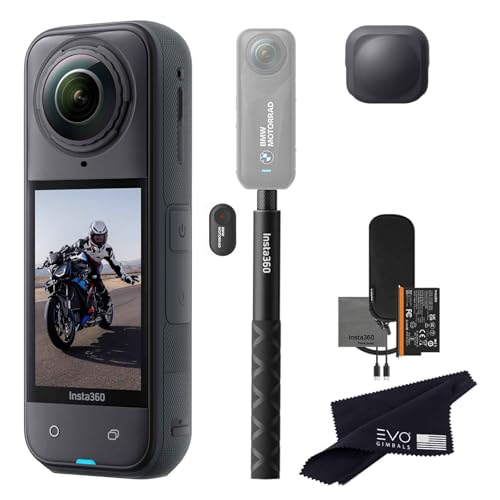
Insta360 X5 BMW Motorrad Edition 8K 360

AKASO Brave 4 Action Camera 4K30

AKASO EK7000 4K30FPS Action Camera

AKASO EK7000 Pro 4K Action Camera
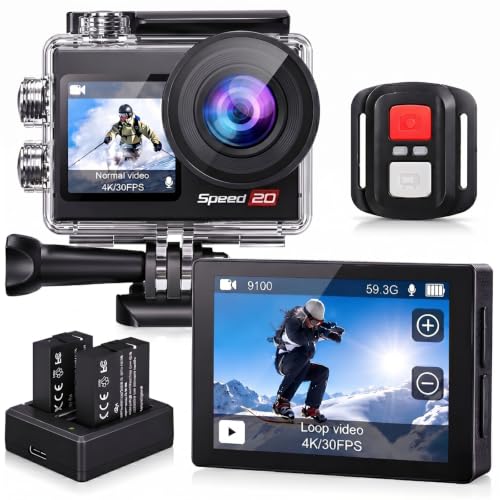
Hiicam 4K Action Camera with EIS

CAMWORLD 4K Mini Body Camera 64GB

XbotGo Falcon All-in-One 4K AI Camera (Green)

XbotGo Falcon All-in-One 4K AI Camera

XbotGo NT4 PRO Carbon Fiber Tripod 12.8ft
Inside Each Recommended Option
This is the choice for riders who treat footage like a craft. The co-engineered Leica partnership brings serious color science to a 1/1.3-inch sensor, and the 8K30 capture ceiling gives editors room to crop, stabilize, and reframe in post without losing sharpness. On a twisty canyon run, that extra resolution translates to cleaner slow-motion pulls when you scrub through a corner at the end of the day.
Where it stands apart from cheaper rivals is the dual-battery Xplorer bundle. Long tourers know the pain of a camera dying halfway through a mountain pass; the included 512GB card and spare cells aim to end that. The 2.5-inch flip screen is also genuinely useful for vlog-style framing when you’re off the bike, and waterproofing means you don’t baby it when the weather turns.
Useful Strengths
- Co-engineered Leica optics with a large 1/1.3-inch sensor pull in more light, which keeps low-light dawn rides cleaner than smaller sensors manage.
- Dual batteries plus a 512GB card in the Xplorer bundle cover all-day touring without scrambling for a charger mid-ride.
- 8K30 and 4K60 recording leave headroom for heavy cropping and reframing during edit, a real edge if you like post-production work.
- Flip screen helps self-frame talking-head clips after you park, so the same camera covers both ride footage and destination vlog.
- AI noise reduction cleans up wind roar noticeably compared to earlier action cameras in the lineup.
Trade Offs
- The flagship price puts it well out of reach for casual riders who just want a dash-cam-style record.
- 8K files eat storage fast, so the 512GB card fills quicker than you might expect on long trips.
- Heavier chassis than compact rivals; helmet mounting for long rides can fatigue the mount and your neck.
Who It Suits Best
Riders building cinematic edits from multi-day tours, with budget room for flagship glass and post-production time.
Consider Something Else When
Commuters who mostly want a set-and-forget recorder should look at the AKASO EK7000 instead, which is lighter and far easier on the wallet.
The BMW Motorrad edition of the Insta360 X5 trades the standard battery for an upgraded 2800mAh Ultra Battery, which extends ride time considerably compared to the regular X5. On a 360 camera, that matters because the unit stays powered through long alpine passes where charging isn’t an option. The dual 1/1.28-inch 48MP sensors behind the lenses drive 8K 360 HDR capture, so you reframe in the app after the fact and pull flat 4K angles from a single ride.
For motorcyclists specifically, the bundle ships with an Invisible Selfie Stick and a lens cap, which addresses the two things 360 riders complain about most: stick intrusion in the frame and scratched glass on the road. Compared to the Ace Pro 2 above, this is a different kind of tool, one for creators who want every angle at once rather than a single high-res forward view.
A Favorable Mix
- Upgraded 2800mAh Ultra Battery delivers longer continuous recording, well-suited to full-day touring without swaps.
- Dual 1/1.28-inch 48MP sensors capture detail-rich 360 HDR, so reframing in post produces sharp flat-angle edits.
- Invisible Selfie Stick removes the pole from final footage, which is the standard headache for 360 motorcycle shooting.
- 8K capture ceiling with HDR handling keeps highlights in check during bright sky-and-shadow canyon runs.
- Bundled lens cap adds a small but meaningful layer of protection against road debris.
Points To Note
- 360 reframing adds a real time tax in post-production compared to a forward-facing camera like the Insta360 Ace Pro 2.
- Premium pricing plus the BMW badge puts it firmly at the top of the budget range.
- Spherical footage can look softer than flat 8K when projected onto standard screens, depending on viewing platform.
Made For
Long-distance touring riders who want one camera to capture every angle of the ride and don’t mind editing time.
Where Another Pick Suits Better
Riders who prefer a flat forward view and simpler editing should step down to the Insta360 Ace Pro 2 Dual Battery Bundle 8K for a more traditional shooting experience.
The Brave 4 has earned its reputation as the entry-level camera that doesn’t feel cheap. The four selectable viewing angles (170°, 140°, 110°, and 70°) let you dial in tighter framing on helmet or handlebar positions, which is more useful on a bike than a single fixed field of view. Built-in electronic image stabilization (EIS, the software kind that crops slightly to smooth bumps) keeps trail footage watchable when the road gets choppy.
What sets it apart from the EK7000 below is that extra FOV flexibility and a slightly more refined app experience. For a weekend rider who wants 4K without the flagship price, the Brave 4 hits a sensible middle ground. Where the Insta360 flagships above deliver true cinema glass, this unit makes smart compromises to land in everyday territory.
Notable Upsides
- Four adjustable FOV settings (170° down to 70°) let you swap between immersive and tight framing mid-ride.
- Built-in EIS smooths out vibration and bumps, helpful on older bikes with less refined suspension.
- WiFi connectivity makes it painless to pull clips to a phone for quick edits on the road.
- 20MP photo capture doubles the unit as a stills camera for pit-stop snapshots.
- Included waterproof housing reaches sport-friendly depths, so rain or river crossings aren’t a worry.
Less Ideal Details
- EIS crops into the frame, which can feel tight when you want the widest possible scenic shot.
- Low-light performance lags behind the larger sensors on the Insta360 flagships.
- Battery life is shorter than the upgraded cells in the X5 BMW edition above, so spares are wise on long rides.
Right Fit For
Weekend riders and casual content creators who want 4K without the flagship spend.
Look Elsewhere When
If you want hands-free subject tracking for chase footage, the XbotGo Falcon All-in-One 4K AI Camera (Green) is the smarter choice.
The EK7000 is the long-running budget pick that quietly keeps showing up in helmet bags everywhere. 4K30 footage and 20MP stills are honest numbers for the tier, and the included waterproof housing takes the camera down to 131 feet, far deeper than any motorcycle scenario demands. EIS adds a measure of vibration smoothing, which is genuinely noticeable on twisty backroads with older suspension.
The remote control wristband is the underrated feature here. Starting and stopping a record while riding gets tricky when the camera is mounted on a helmet chin or fairing, and the remote solves that cleanly. For a first action camera on a bike, this is hard to argue with on value.
What Works In Its Favor
- 131-foot waterproof housing covers rain, river crossings, and any real-world moisture a bike will throw at it.
- 4K30 video and 20MP photos deliver solid output for the budget tier.
- Wrist-worn remote control makes it easy to start and stop recording without reaching for the camera.
- External microphone support improves audio quality over the built-in mic for narration tracks.
- WiFi transfer to a phone keeps the editing workflow tight after a ride.
Practical Considerations
- EIS performance is softer than the higher-tier options, so very rough terrain shows in the footage.
- No touchscreen means settings changes rely on button combinations that take practice.
- Battery life at full 4K recording is modest; carrying a power bank or spares helps.
Best Suited To
First-time buyers who want a no-fuss, low-risk camera to learn the basics of motorcycle recording.
Swap It Out When
If you want touch-based menu navigation out of the box, the AKASO EK7000 Pro 4K Action Camera adds that screen and ships with helmet accessories.
The EK7000 Pro takes everything that works about the standard EK7000 and adds the missing piece most people actually want: a proper 2-inch IPS touchscreen. Settings changes, mode swaps, and playback become straightforward, which is a real quality-of-life upgrade when the camera is mounted somewhere awkward on a fairing. The 5X zoom is also sharper than the 4X on the base model, useful for tighter framing when the bike is parked and you want detail shots.
The bundled helmet accessories kit is the real selling point for new riders. Instead of hunting down compatible mounts separately, you get the straps, adhesives, and tethers needed to attach the camera to a helmet chin or side pod right out of the box. Compared to the original EK7000, this is the same core camera made genuinely easier to live with.
Where It Excels
- 2-inch IPS touchscreen simplifies mode changes and settings, especially on a mounted camera.
- 5X zoom offers slightly tighter framing for detail shots than the base EK7000.
- 131-foot waterproof housing keeps the camera safe in heavy rain or stream crossings.
- Helmet accessories kit removes the trial-and-error phase of finding compatible mounts.
- 4K30 and 20MP output hold their own against more expensive rivals in good light.
Small Caveats
- EIS still trails the smoother stabilization on flagship Insta360 models.
- Touchscreen responsiveness slows in cold weather, a known quirk for many budget touch panels.
- The included mounts are good enough to start, but heavy-duty riders often upgrade them quickly.
Who Will Love This
New riders who want a familiar touchscreen experience and a complete helmet-mount kit included.
Not Your Match When
Riders who want a thumb-sized wearable for body or jacket mounting should look at the CAMWORLD 4K Mini Body Camera 64GB instead.
The Hiicam punches above its weight with 4K60 capture, which gives smoother motion rendering than 4K30 models in the same bracket. The dual-screen design (front status display plus rear touchscreen) is a thoughtful touch, especially when the camera is helmet-mounted and you want to confirm recording state at a glance. The 170° wide-angle lens pulls in more of the road and sky than narrower competitors.
What makes this a smart pick for motorcycle riders who also swim or snorkel is the 131-foot waterproof rating with a proper touch-friendly housing. Most budget action cameras lock out touch underwater, so the WiFi remote and physical buttons become the control method. EIS rounds out a feature set that genuinely competes with the AKASO Brave 4 above, with the added benefit of a higher frame rate at full resolution.
Well-Handled Touches
- 4K60 capture produces noticeably cleaner motion than 4K30 rivals in the same price tier.
- 170° wide-angle lens captures expansive road and sky in the frame.
- Dual screens (front status plus rear touchscreen) make it easy to confirm the camera is rolling at a glance.
- 131-foot waterproof housing extends the camera’s usefulness to snorkel and swimming scenarios.
- 5X zoom adds framing options beyond the fixed wide-angle.
Where It Is Less Suited
- Touchscreen tends to lock out underwater, so the WiFi remote becomes essential for any pool or ocean use.
- Low-light footage lags behind the larger sensors on Insta360 flagships.
- EIS effectiveness varies depending on mounting position; handlebar placements introduce shake the software can’t fully clean.
The Right Fit
Multi-sport riders who split time between the bike, snorkel, and trail and want one device for all of it.
A Better Fit Elsewhere
Riders who never leave the bike and want flagship stabilization should consider the Insta360 Ace Pro 2 Dual Battery Bundle 8K instead.
The thumb-sized form factor is the headline here. A traditional action camera on a helmet chin can feel heavy after a full day, while the CAMWORLD rides on a magnetic mount clipped to a jacket or chest harness with almost no weight at all. The included 64GB card means the camera is ready to record straight out of the box, and the 1.47-inch HD screen lets you frame without pulling out a phone.
The 150° wide-angle lens delivers an immersive first-person perspective that suits commute and errand riding particularly well. Where larger units like the Insta360 Ace Pro 2 above prioritize flagship sensors and big footage files, this one trades raw resolution for portability. For urban motorcyclists who want a discreet POV recorder, the size-to-capability ratio is hard to beat.
The Helpful Details
- Thumb-sized body and magnetic mount make it comfortable to wear all day on a jacket or chest harness.
- 4K30 video and a 150° wide-angle lens deliver an immersive POV for commute footage.
- Included 64GB card means the camera is ready to record without buying extras separately.
- 1.47-inch HD screen allows quick framing checks without connecting to a phone.
- WiFi support enables fast clip transfers for same-day edits.
A Few Limitations
- Smaller sensor struggles in low-light scenarios like dawn commutes and tunnel-heavy routes.
- Magnetic mounting is convenient but less secure than bolted helmet mounts at high speeds.
- Audio capture picks up wind noise more noticeably than larger units with better mic shielding.
Whose Shelf It Belongs On
Urban commuters and touring riders who want lightweight, wearable POV footage without helmet bulk.
Reach For A Different Pick When
If you need flagship-grade stabilization and color for cinematic road-trip content, the Insta360 Ace Pro 2 Dual Battery Bundle 8K is the better tool.
The Falcon stands apart from the rest of this list because of its AI auto-tracking system. The 6 TOPS (tera operations per second, a rough measure of on-device AI horsepower) and 8-core processor let the camera recognize and follow a moving subject, which is genuinely useful for motorcycle riders who want a camera mounted on a tripod or stationary rig to capture their bike as it rolls past on a track day or scenic pull-off.
The hands-free design is the second piece of the puzzle. Set the Falcon on a stable mount, and the AI handles framing while you focus on riding the line. Compared to standard action cameras that need a human operator or fixed angle, this one shifts creative control to the on-board processor. For riders experimenting with chase-style footage, the workflow becomes much simpler.
Good Reasons To Consider
- On-device AI auto-tracking locks onto a moving subject, so chase or pass-by footage frames itself without an operator.
- 6 TOPS AI performance and 8-core processor handle real-time subject recognition without lag.
- 4K recording pairs with live streaming, giving riders a way to broadcast rides in real time.
- Hands-free operation reduces the need for a second person to manage a stationary camera.
Possible Compromises
- AI tracking is most useful when the camera is mounted on a stationary rig, not on a moving bike.
- Action-camera stabilization for body-mounted use trails dedicated riding-focused units like the Insta360 Ace Pro 2.
- Color science and low-light performance are not the strong suit compared to flagship 1/1.3-inch sensors.
Built With In Mind
Riders setting up track-day or paddock angles who want the camera to track the bike automatically.
Where A Sibling Pick Shines
For pure helmet-mounted road footage, the XbotGo Falcon All-in-One 4K AI Camera is the better sister option with the same tracking DNA, tuned more for active riding.
The non-green sibling of the Falcon above carries the same AI tracking and 4K capture DNA but is the more common color choice for riders who prefer a neutral finish. The combination of intelligent subject tracking, 4K recording, and live streaming makes it an unusual tool, more like a small broadcast system than a traditional action camera, and one that pairs naturally with the NT4 PRO tripod at position ten.
On the road, you might mount this on a pannier rack or a passenger seat to capture rolling footage of the rider and bike. The AI keeps the subject framed while the rider moves, which is a creative option unavailable with most rivals. Compared to traditional helmet cams, this trades pure road footage for content that feels closer to a short film.
What It Does Well
- AI-powered subject tracking keeps a moving rider framed without manual panning or operator input.
- 4K video quality supports editing-friendly footage with room for cropping in post.
- Built-in live streaming gives content creators a turnkey broadcast setup for rides.
- All-in-one design removes the need for separate tracking hardware or external monitors.
Trade-Offs To Consider
- Best used on a stable platform, not directly mounted to a moving motorcycle.
- Battery and thermal performance under continuous 4K streaming are worth checking before long events.
- Color and dynamic range are a step behind the large-sensor flagship options above.
Perfect Match For
Riders who create content and want an automated broadcast-style camera for chase, follow, or pannier-mounted angles.
Skip It When
Helmet-first traditional road recording is the goal; the Insta360 Ace Pro 2 Dual Battery Bundle 8K handles that profile better.
The NT4 PRO isn’t a camera; it’s the support system that makes a lot of the picks above more useful. At 12.8 feet tall with an air-cushioned center column (a mechanism that slows the column’s descent if you release it, preventing a fast crash that could damage your camera), this carbon fiber tripod reaches paddock and track-side elevations that shorter stands can’t. The 6.57-pound weight keeps it portable enough to haul to a track day or rally.
Designed to integrate seamlessly with the Falcon cameras above, the NT4 PRO is purpose-built for elevated sports filming angles. The horseshoe-style foot pads stabilize the base on uneven paddock gravel or grass. For motorcyclists running a fixed rig to capture roll-by footage or pit lane scenes, this stand fills a gap most action camera bundles ignore.
Everyday Perks
- 12.8-foot maximum height reaches elevated paddock and track-side camera angles.
- Air-cushioned center column protects mounted cameras from sudden drops during height adjustments.
- Carbon fiber construction keeps the weight at 6.57 pounds, manageable for transport.
- Horseshoe foot pads stabilize the tripod on uneven surfaces like gravel or grass.
- Designed to pair with the Falcon cameras above for a complete elevated filming setup.
Worth Bearing In Mind
- Not a camera; this only makes sense alongside an action camera purchase.
- Full 12.8-foot extension introduces wind-sway considerations outdoors on breezy days.
- Carbon fiber pricing puts it at the higher end of the accessory tier.
Who Should Grab It
Riders running track-day or paddock setups who want elevated angles of rolling motorcycles or pit-side scenes.
Another Choice May Suit
If you only need helmet or handlebar mounts, the AKASO EK7000 Pro 4K Action Camera’s bundled accessory kit is the simpler add-on path.
What To Weigh Before Choosing Action Cameras For Motorcycles
Image Quality And Sensor Size
Resolution gets the headlines, but sensor size drives real-world detail. A larger sensor pulls in more light, which means cleaner footage during dawn commutes, tunnel runs, and overcast rides. The 1/1.3-inch sensors in the Insta360 Ace Pro 2 and the dual 1/1.28-inch sensors in the X5 BMW edition outclass smaller sensors in low-light scenarios where most riders actually film.
Frame rate matters for fast motion. 4K60 produces smoother cornering footage than 4K30, and the Hiicam picks up that advantage in a lower tier. Riders focused on cinematic slow-motion pulls should look for higher fps at their chosen resolution.
Stabilization And Mounting
Electronic image stabilization (EIS) is software that crops slightly into the frame to smooth bumps, while optical or sensor-shift stabilization physically moves the lens or sensor to compensate. Helmet-mounted cameras benefit more from aggressive EIS than body-mounted ones because helmet vibration translates directly to footage. The Insta360 flagships and the XbotGo Falcons offer the smoothest output in their respective tiers.
Mounting position changes everything. A chest or jacket mount captures lean angle dramatically but introduces upper-body shake. A helmet chin mount gives a rider’s-eye view but can fatigue the neck on long rides. Handlebar mounts are stable but show more vibration through the bars.
Battery Life, Storage, And Weather Sealing
Touring riders should treat battery and storage as a single budget. A 512GB card and dual batteries, like the Ace Pro 2 bundle, mean a full day of recording without thinking about it. Budget models with smaller cells need spare batteries or a USB power bank for the same coverage.
Weather sealing is a must for motorcycle use. Look for at least IPX8 (submersible beyond one meter) ratings or include waterproof housings like the AKASO and Hiicam units. The Insta360 flagships ship waterproof out of the box, which is one less accessory to manage.
Key Considerations Across These Picks
Common Buying Traps In Motorcycle Action Cameras
Mounting hardware is where many first-time motorcyclists overspend or underspend. Cheap adhesive mounts vibrate loose at highway speeds, while overbuilt metal mounts add weight and bulk that fatigue helmets on long rides. Testing a mount on local roads before any major trip prevents mid-ride camera drops.
Another common slip is chasing 8K resolution on a budget sensor. A 4K camera with a larger sensor often produces cleaner footage than an 8K camera with a small one, especially in mixed lighting. Match the resolution to the sensor and your typical riding conditions.
Where The Higher Tier Buys You More
Premium cameras bring better low-light performance, smoother stabilization, and stronger audio capture with wind reduction. The Insta360 Ace Pro 2’s AI noise reduction, for example, makes voice-over tracks usable without a separate microphone setup, a real time saver for vlog-style content creators.
Higher tiers also tend to ship with weather sealing and rugged bodies out of the box. Budget units often rely on a separate waterproof housing, which adds bulk and can muffle audio. Riders in rainy climates or off-road environments will find the premium sealing pays off quickly in durability.
Frequently Asked Questions
What Mounting Position Is Best For A Motorcycle Action Camera?
Helmet chin mounts give the most immersive rider-eye perspective, but they add weight to the helmet. Handlebar mounts are stable and easy to access but show more vibration through the bars. Chest mounts capture lean angle dramatically but include upper-body movement.
How Important Is Waterproofing For Motorcycle Use?
Very important. Rain, river crossings, and puddle spray are routine on a bike. Look for IPX8 ratings or units that ship with waterproof housings rated to at least 30 feet, well beyond any motorcycle scenario.
Can These Cameras Record While Charging?
Many action cameras support pass-through charging via USB-C, which lets a bike’s USB power or a power bank extend recording on long tours. Check the specific model’s manual for confirmation, since heat from simultaneous charging and recording can shorten battery life.
Is 4K Really Necessary For Motorcycle Footage?
For casual sharing and insurance documentation, 1080p is often enough. For editing, cropping, and future-proofing, 4K gives meaningful headroom. 8K is mostly useful for content creators who plan to reframe in post.
How Do I Avoid Wind Noise In Motorcycle Recordings?
Wind is the hardest audio problem on a bike. Cameras with AI noise reduction, like the Insta360 Ace Pro 2, handle it better than most. External microphones with windshields help further but add bulk and connection points.
The Takeaway
Motorcycle action cameras range from $50 helmet units to $700 flagship rigs, and the right pick depends on what you actually ride and how much post-production time you have. Riders chasing cinematic edits should lean toward the Insta360 Ace Pro 2 or the X5 BMW edition. Casual commuters get more than they need from the AKASO EK7000 or the CAMWORLD Mini. Track-day creators building a fixed rig should look at the XbotGo Falcon cameras paired with the NT4 PRO tripod. Whatever you ride, mounting it well matters more than any single spec on paper.