The 18-55mm kit lens is the workhorse most camera owners start with, and the accessories that pair with it quietly shape the experience of shooting. A scratched front element, a polarizing filter that fights glare on a bright hike, a pouch that keeps your lens safe in a crowded bag: small choices that add up.
The picks below lean toward popular accessory sizes for common mirrorless and DSLR setups, plus a couple of options for smaller prime lenses. You’ll find protective UV filters, a polarizer, a soft pouch, and one full camera-and-lens kit for newcomers who want everything in a single box.
The Leading Options At A Glance

Haoge 67mm Ultra Slim MC UV Protection Filter
Haoge 39mm MC UV Filter Silver Frame

Haoge 43mm MC UV Filter Silver Frame
Haoge 37mm Ultra Slim MC UV Filter
Haoge 55mm Ultra Slim MC UV Filter

Haoge 46mm MC UV Filter Silver Frame
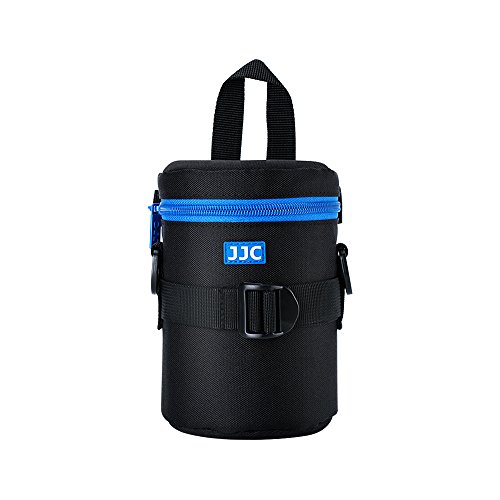
JJC Deluxe Lens Case Pouch Bag

Haoge 43mm MC CPL Circular Polarizer
Haoge 49mm Ultra Slim MC UV Filter

Canon EOS Rebel SL3 with EF-S 18-55mm Kit
If your kit leans toward long Canon glass, this 67mm filter covers the front of an EF 100mm f/2.8L or a 70-300mm telephoto without weighing down the barrel. The slim ring design helps it sit flush on the threads so it won’t intrude on wide-angle framing at the short end of a zoom.
A UV filter on a telephoto is mostly a sacrificial layer against scratches, sand, and accidental fingerprint smudges during outdoor work. For Canon shooters carrying an L-series lens into trail conditions, having one in the bag is a quiet insurance policy. Compare that to the smaller-thread Haoge filters below, which serve prime lenses rather than zooms.
Useful Highlights
- Multi-coated optical glass keeps light transmission high for daytime shooting.
- Ultra-slim profile reduces the chance of vignetting on wider zoom settings.
- Sized for popular Canon telephotos, so it pairs cleanly with an L-series front element.
- Adds a protective layer without changing focal length or focus behavior.
Things To Weigh
- Any front filter introduces a small chance of flare in direct backlight, so plan your angles.
- Cleaning the coating with rough cloths can dull it over time; microfiber is the safer routine.
Made For
Canon shooters carrying EF 100mm f/2.8L or 70-300mm telephotos who want basic front-element protection on outdoor assignments.
Consider Something Else When
The Haoge 55mm Ultra Slim MC UV Filter is a better match for Sony FE owners working with smaller-thread zooms.
This 39mm silver-rimmed filter is built for the kind of small prime that lives on a Leica, Voigtländer, or Fuji XE5 body. The silver frame visually matches the camera finish, so it doesn’t shout “added accessory” the way a black ring sometimes does on a chrome top plate.
Beyond looks, the multi-coated optical glass does the practical job of blocking UV light and shielding the front element from dust. For street photographers who swap lenses in a coat pocket, the slim profile keeps the filter from catching on fabric. Where the 67mm filter above targets telephoto work, this one lives in the world of compact primes.
What Makes Sense
- Silver frame color coordinates with rangefinder and chrome-style camera bodies.
- Multi-coated surface helps reduce ghosting in mixed-lighting street scenes.
- Designed around small-diameter primes like the Fuji 23mm f/2 and Leica 35mm f/2.
Trade-Offs
- 39mm threads limit it to specific lenses; double-check your filter diameter before ordering.
- A silver ring shows handling marks more obviously than a black frame over months of carry.
Best Suited To
Street and travel photographers running a Leica or Fuji XE body with a small fast prime who care about visual consistency on top of protection.
Where Another Pick Suits Better
Photographers with a Fuji X100 fixed-lens camera should look at the Haoge 49mm Ultra Slim MC UV Filter instead.
The 43mm thread sits in a sweet spot for modern mirrorless primes like the Fuji XF 35mm f/2 and the Canon RF 50mm f/1.8 STM. Silver-finished frame matches the aesthetic of Fuji’s silver X-series bodies and pairs nicely with retro-styled RF lenses if you’re working a vintage look.
A UV filter at this size is more about peace of mind than optics. The lens is the real image-maker; this filter sits in front to take the hit from accidental contact. For a hobbyist who keeps one prime on the body most of the time, having a matched filter ring matters more than chasing the absolute thinnest coating on the market.
Where It Helps
- Thread size lines up with several Fuji XF and Canon RF small primes.
- Silver frame style visually blends with silver-bodied mirrorless cameras.
- Multi-coated glass keeps image sharpness close to a naked front element.
- Slim ring reduces the risk of dark corners on wider prime focal lengths.
Honest Caveats
- If your lens has a different filter thread, this will not physically mount.
- Some photographers report needing to seat the filter carefully to avoid cross-threading on tighter tolerances.
Whose Shelf It Belongs On
Fuji XF and Canon RF owners using 35mm-class or 50mm pancake-style primes who want a matched look and a protective layer.
A Better Fit Elsewhere
Leica Q and Fuji X100 owners should pair with the Haoge 49mm Ultra Slim MC UV Filter for proper thread matching.
At 37mm, this filter fits a long list of compact DSLR and mirrorless kit lenses from Canon, Nikon, Sony, Pentax, and Olympus. For households with multiple camera systems, a single filter thread diameter can sometimes serve a few different lenses with adapter rings.
The ultra-slim ring design is the practical detail here. On pancake primes and collapsible kit zooms, a thick filter can crowd the front element and create unwanted shadows at the edges of the frame. Compared to the silver-framed models above, this one leans toward a black, low-profile look that blends into most setups.
Positive Points
- Broad compatibility across many legacy and current DSLR kit lenses.
- Ultra-slim ring helps preserve edge sharpness on pancake-style lenses.
- Multi-coated surface aimed at high light transmission for general shooting.
Things To Note
- Not every lens is 37mm; check your lens cap or barrel marking before ordering.
- Like other flat UV filters, it does not add any color or contrast benefit on its own.
Feature Snapshot
Right Fit For
Multi-brand DSLR owners with a 37mm-threaded kit lens who want a low-profile protective filter that disappears visually.
Skip It When
Sony FE shooters using the 55mm-threaded kit zooms should grab the Haoge 55mm Ultra Slim MC UV Filter instead.
For Sony E and FE shooters running common zooms like the E 18-135mm or the FE 28-70mm, a 55mm filter thread is the practical baseline. This is the filter you’ll keep in a jacket pocket while traveling, ready to swap onto whatever zoom happens to come out of the bag.
The slim profile keeps it from intruding on the wide end of those zooms, which is where cheaper thick filters can cast shadows at the corners. On a portrait lens like the FE 50mm f/2.8, the multi-coated surface helps cut down on ghosting when shooting toward windows. It’s a general-purpose workhorse rather than a specialty tool.
Reasons It Performs
- 55mm thread is a sweet spot for several popular Sony zooms and short primes.
- Ultra-slim build helps wide-angle zoom settings stay clean of vignetting.
- Multi-coating supports consistent color in mixed outdoor light.
- Useful across vlog, travel, and portrait setups without changing workflow.
Where It May Fall Short
- Filter step-up rings are sometimes needed to fit slightly different threads, adding bulk.
- Not a substitute for a polarizing filter when glare control is the actual goal.
Feature Snapshot
Who Should Grab It
Sony E and FE shooters with a 55mm-threaded lens who want a general-purpose protective filter for daily and travel use.
Reach For A Different Pick When
Vloggers and portrait photographers who need glare control should look at the Haoge 43mm MC CPL Circular Polarizer if their lens thread matches.
Micro Four Thirds shooters running premium Panasonic or Olympus primes will recognize the 46mm thread from lenses like the Panasonic 25mm f/1.4 and the Leica DG Summilux 15mm f/1.7. This silver-rimmed filter slips onto those lenses with a coordinated look that suits the retro-inspired bodies in this system.
At this size, the filter is small enough to live permanently on a pancake-style lens without affecting balance. The multi-coating does the quiet work of keeping contrast steady when shooting into open shade. Compared to the Fuji and Canon-fit 43mm filter above, this one targets an entirely different mount family.
Strengths Worth Knowing
- 46mm thread is standard on several high-end Panasonic and Olympus primes.
- Silver frame suits MFT bodies with chrome top plates and retro styling.
- Multi-coated glass keeps color neutral in variable outdoor light.
Possible Compromises
- Smaller filter size means easier to misplace during outdoor shoots.
- Premium MFT primes are often optically excellent, so any extra glass front is a personal tolerance call.
Feature Snapshot
Built With In Mind
Micro Four Thirds photographers using premium Panasonic or Olympus primes who want a protective filter that doesn’t visually clash.
Not Your Match When
Sony FE shooters running 55mm-thread zooms should pick up the Haoge 55mm Ultra Slim MC UV Filter instead.
Filters protect the front element, but a lens still needs somewhere to live when it’s off the body. The JJC Deluxe pouch takes a different role in the kit: a soft, cushioned sleeve for primes or short zooms up to about 3.1 by 5.3 inches. The polyester exterior shrugs off light rain and bag grit, while the foam interior absorbs the small bumps of daily carry.
For someone carrying two or three primes in a camera backpack, this pouch adds a layer between the lens and the rest of the gear. Compared to the hard cases some photographers use, a soft pouch is lighter and compresses into a tighter space, though it offers less crush protection if something heavy lands on the bag.
The Helpful Details
- Interior foam lining cushions lenses against minor impacts in a packed bag.
- Water-resistant polyester exterior handles light splashes and damp pockets.
- Fits lenses up to roughly 80mm diameter and 135mm length.
- Drawstring closure keeps the lens secure when you pull the pouch from a crowded bag.
Details To Watch
- The soft material is not a substitute for a hard case on airline checked luggage.
- Measure your lens before ordering since the listed size is the maximum fit, not the minimum.
Feature Snapshot
Who Will Love This
Travelers and commuters who carry an extra prime or short zoom in a backpack and want a cushioned sleeve between the lens and the rest of their kit.
Look Elsewhere When
Photographers who need active glare reduction in bright outdoor light should pair this pouch with the Haoge 43mm MC CPL Circular Polarizer on a matching-thread lens.
A circular polarizer is a different tool than a UV filter: a CPL filter (which uses two layered polarizing rings) actively cuts glare from non-metallic surfaces like water, glass, and wet leaves. The 43mm thread here matches the lens on several Canon VIXIA HF-series camcorders, where reflective car hoods and pool water can otherwise wash out a shot.
Beyond glare reduction, a CPL deepens sky tones and can make foliage look richer when the light is right. For casual video work and travel vlogs, that’s often the difference between flat and cinematic-looking footage. Compare that to the protective UV filters above, which don’t change the image but only guard the glass.
What It Does Well
- Cuts reflections off water, glass, and other non-metallic surfaces.
- Multi-coating reduces ghosting when shooting toward bright light sources.
- Front threads accept additional filters or a standard lens cap.
- Side knurlings give a firmer grip for mounting and removal.
Things To Consider
- Polarizers eat roughly two stops of light, so they don’t suit low-light indoor video.
- Removing and reattaching during a shoot is a small workflow interruption to plan around.
Perfect Match For
Canon VIXIA camcorder owners shooting outdoor video who want richer skies and cleaner reflections off water and glass.
Swap It Out When
Photographers using a Canon or Fuji prime should grab the silver-framed Haoge 43mm MC UV Filter for everyday protection without the light loss.
Premium fixed-lens cameras like the Leica Q3, Q2, and Fuji X100 series take 49mm-threaded front filters. This is the size most street photographers working those bodies end up searching for, since the cameras are otherwise sealed and the only way to filter is at the front element.
The filter itself behaves like any UV protector: it sits there, takes the scratches, and gets swapped when it’s too beat up to clean. With premium compact cameras, the value of a UV filter is mostly about preserving resale condition on an expensive fixed lens. Compare this to the smaller 39mm and 43mm filters above, which target interchangeable-lens primes instead.
Real Benefits
- 49mm thread matches premium compacts like the Leica Q series and Fuji X100 line.
- Multi-coated glass keeps contrast close to the camera’s native rendering.
- Ultra-slim ring stays discreet on cameras designed for unobtrusive street use.
Some Limits To Know
- Premium compact filters are easier to lose than DSLR-size versions because of the smaller ring.
- On a fixed-lens camera, there’s no way to swap filters quickly without a step-up ring or adapter.
Feature Snapshot
Who It Suits Best
Owners of fixed-lens premium compacts such as the Leica Q and Fuji X100 who want front-element protection without affecting the camera’s profile.
Where A Sibling Pick Shines
Photographers working a Sony FE zoom should instead reach for the Haoge 55mm Ultra Slim MC UV Filter for proper thread matching.
If you’re starting fresh rather than accessorizing an existing kit, the Canon EOS Rebel SL3 with the EF-S 18-55mm lens bundles body, lens, Wi-Fi, and a vari-angle touchscreen in one box. The 18-55mm focal range covers wide establishing shots to short telephoto portraits without forcing a lens swap.
The vari-angle screen flips out for vlog-style framing and self-recording, which is one of the more useful features for new content creators. Bayonet mounting means future lens upgrades to other Canon EF and EF-S glass stay compatible. Where every other pick on this list is an accessory for an existing setup, this one is the setup itself.
The Good Stuff
- Bundled 18-55mm lens covers a versatile everyday focal range right out of the box.
- Vari-angle touchscreen helps with low-angle, high-angle, and self-recording framing.
- Built-in Wi-Fi simplifies phone transfers for quick social sharing.
- Bayonet mount accepts other Canon EF and EF-S lenses as your kit grows.
Factors To Consider
- A kit lens is a starting point; most enthusiasts add a faster prime or telephoto within a year.
- Entry-level DSLRs are larger and heavier than current mirrorless alternatives at similar prices.
Who Will Love This
First-time SLR owners who want a single box with body, lens, and built-in connectivity for everyday photos and casual video.
Consider Something Else When
Existing lens owners who only need a protective filter should pick a Haoge UV filter in their lens’s specific thread size instead of a full new camera kit.
Filters And Cases That Actually Help Your 18-55mm Kit
A bare 18-55mm lens gets the job done, but the right filter thread and a soft pouch turn it from a fragile piece of glass into a tool you can carry without anxiety. For Canon shooters running an L-series telephoto, a 67mm UV filter is the protective layer that catches the scratches before the lens does. The 55mm filter threads cleanly with Sony FE zooms, while the 37mm option covers a long list of DSLR kit lenses. Premium compact owners end up at 49mm, and MFT primes at 46mm.
The polarizer on this list plays a different role, since a CPL is about actively shaping the image rather than just shielding glass. Even the lens pouch matters, since foam cushioning between a prime and the rest of your bag is cheap insurance against drops. Newcomers who want everything in one box should look at the bundled Canon Rebel SL3 kit, which arrives with an 18-55mm already attached and ready.
Factors Worth Weighing Before Buying Accessories
Filter Thread Diameter Comes First
Every lens has a specific filter thread, usually printed on the cap or the barrel near the front. UV filters and CPL filters only mount when that number matches exactly, so the first step is to confirm whether your lens is 37mm, 43mm, 46mm, 49mm, 55mm, or 67mm. Buying the wrong thread is the most common mistake in this category, and most retailers don’t accept opened filter packaging as a return. Step-up rings can bridge small gaps, but they’re an extra cost and bulk to carry.
UV Versus CPL Is A Different Decision
UV filters are passive protectors that don’t change the image in any meaningful way. They’re insurance against scratches and dust, and most photographers leave them on permanently. CPL filters are active tools: they cut reflections, deepen skies, and reduce about two stops of light. That’s the right call for outdoor video and landscape work, but a poor fit for low-light indoor scenes where every bit of light matters. Choosing the wrong type for your shooting style means either leaving protection off or losing image quality in the moments you need it most.
Slim Rings Matter More Than They Look
On pancake primes and wide-angle zooms, a thick filter ring can cast visible shadows at the corners of the frame, an effect called vignetting. Ultra-slim rings avoid this, and they’re especially important for any lens that goes wider than about 28mm equivalent. Most modern UV filters advertise slim profiles, but the cheap ones sometimes cheat the spec. If you shoot mostly telephoto or normal focal lengths, the ring profile is less critical.
Key Considerations Across These Picks
Common Buying Slip Ups
The most frequent mistake in this category is buying the wrong filter thread size. Many photographers pick by brand reputation and end up with a 55mm filter for a 43mm lens, then discover the threads don’t seat. Always cross-check the diameter printed on your lens barrel or front cap before ordering. A second common slip is treating a UV filter as a quality upgrade. It isn’t; it’s a protective layer. If your goal is richer color or sharper contrast, a CPL filter is the tool to buy, not a UV filter marketed with bold adjectives.
Where The Extra Money Goes
Premium UV filters earn their higher price through multi-coating counts, better glass purity, and slimmer ring profiles that hold up over years of mounting and removal. On a $2,000 lens, the difference between a budget filter and a premium one shows up in flare control and color neutrality in tough lighting. For entry-level kit lenses, that jump is harder to justify since the lens itself isn’t resolving fine enough to expose filter flaws. The CPL filter is where spending up matters most, since cheap polarizers often show uneven polarization or shift color casts at the edges of the frame.