Travel photography lives or dies by what you can comfortably carry. A good backpack travel camera setup keeps your body happy on long days, your gear protected in transit, and your kit accessible the moment a scene breaks out. Choosing well means balancing capacity, weight, comfort, and how discreet the pack looks when you’re not shooting. The eight bags below cover everything from featherlight daypacks to heavy-duty haulers, so you can match the right shell to the kind of trips you actually take.
The Shortlist At A Glance

MOSISO Camera Backpack, DSLR/SLR/Mirrorless Bag

Small PU Leather Camera Backpack 11″ Pad 10L

PGYTECH OneGo Lite 12L Camera Backpack (Black)
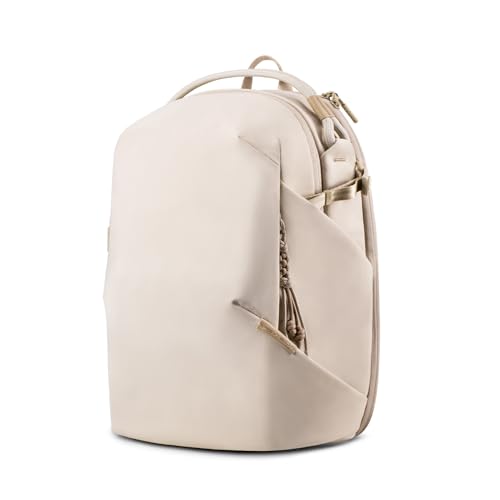
PGYTECH OneGo Lite 12L Camera Backpack (Cream)

PGYTECH OneGo Lite Camera Backpack 16L (Black)
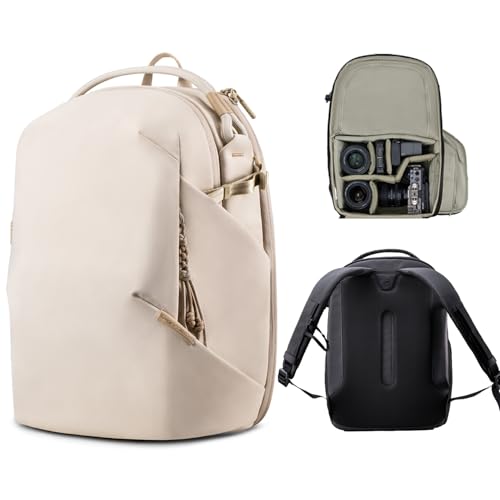
PGYTECH OneGo Lite Camera Backpack 16L (Cream)

PGYTECH OneGo Lite Camera Backpack 22L (Black)

Lowepro ProTactic 450 AW II Modular Backpack
The Strengths Of Each Pick
The MOSISO Camera Backpack targets shooters who treat their bag like a mobile studio. Inside, padded modular inserts (removable dividers you can rearrange) let you carve out custom chambers for a body, lenses, a flash, and even a small drone. A dedicated sleeve fits laptops up to 16 inches, so editing on the road doesn’t require a second bag.
For photographers transitioning between city walks and multi-day trips, this is the kind of shell that earns its keep over months of use. It is less refined than the PU leather Divvia reviewed next, but its utilitarian structure is well-suited to heavier working kits.
A Few Strong Suits
- Removable padded dividers adapt the interior as your kit changes
- Dedicated 16-inch laptop compartment supports mobile editing
- Spacious enough to hold a body, multiple lenses, and accessory space
- Strong value for shooters prioritizing capacity over aesthetics
Worth Noting
- Larger footprint makes it less discreet in crowded urban settings
- Fabric finish tends to show scuffs after airline handling
Feature Snapshot
Who It Suits Best
Working photographers carrying full DSLR or mirrorless kits with a laptop benefit most from this roomy, adaptable layout.
Consider Something Else When
The PGYTECH OneGo Lite 12L suits you better if you travel with a single body and two lenses and prefer something lighter on your shoulders.
The Divvia Small Camera Backpack leans into style without giving up function. Its PU leather shell (a coated synthetic leather that wipes clean and resists scuffs) gives it a polished look that blends into cafés, galleries, and city streets, while a hidden side pocket holds a water bottle when you need it. Compared to the MOSISO above, this one trades raw capacity for a more compact silhouette.
A separate padded sleeve fits an 11-inch tablet, and the customizable camera compartment keeps a body and a couple of lenses snug. For casual shooters who want a bag that doesn’t scream “tourist with a DSLR,” the trade-off is mostly about space.
Bright Spots
- PU leather wipes clean, supporting low-maintenance daily use
- Hidden side pocket stows a bottle without breaking the bag’s lines
- Dedicated tablet sleeve keeps editing screens protected
- Refined aesthetic works in style-conscious environments
- Compact 10L size suits light mirrorless setups
Trade Offs
- Limited space for extra lenses or larger zooms
- PU leather can feel warm against the back in hot climates
Right Fit For
Street photographers and content creators who carry one camera body, two lenses, and an 11-inch tablet will appreciate the refined profile.
Skip It When
The MOSISO Camera Backpack suits you better if you regularly haul four or more lenses or want a dedicated 16-inch laptop bay.
The PGYTECH OneGo Lite 12L in matte black is built for photographers who treat weight as a non-negotiable. At roughly 0.77 kg without dividers, it disappears on your shoulders in a way the MOSISO and Divvia simply cannot match. The interior fits one DSLR or mirrorless body plus two lenses, with fully removable dividers that let you convert it into a clean everyday daypack.
The minimalist shell is also where the optional tripod mount earns its keep, letting you lash a compact tripod for hiking or cityscape sessions. If you’ve been hauling a heavier bag for too long, this is the kind of reset that reopens long walks.
Strengths Worth Knowing
- Featherlight construction reduces fatigue on long days
- Removable dividers transform it into an everyday backpack
- Tripod mount supports compact travel tripod setups
- Water-resistant shell handles light rain and splashes
Points To Note
- Capacity is tight for shooters carrying more than two lenses
- Water-resistant finish resists splashes but not downpours
Quick Facts
Made For
Minimalist mirrorless shooters, light packers, and anyone tired of lugging bulky bags through airports will find this shell refreshing.
A Better Fit Elsewhere
The PGYTECH OneGo Lite 22L suits you better if you want the same lightweight feel but need room for a third lens or extra accessories.
The cream version of the PGYTECH OneGo Lite 12L shares every functional detail with its black sibling reviewed above, but the lighter tone gives it a distinct visual personality. For creators who shoot lifestyle or fashion content where the bag ends up in frame, that color choice is a quiet but real asset.
Spec-for-spec, you’re choosing between two finishes of the same well-regarded shell. Both bags hold one body plus two lenses, and both swap into a clean daypack when you remove the dividers.
Useful Touches
- Cream finish photographs well in styled shoots
- Sub-0.8 kg weight keeps the bag comfortable all day
- Versatile enough for camera gear or daily essentials
- Compatible with mirrorless and DSLR setups from major brands
Minor Gripes
- Light color shows dirt and dye transfer from denim sooner
- Same capacity limits apply as the black version
Best Suited To
Content creators and lifestyle photographers who want a discreet, photogenic pack that doubles as everyday carry.
Look Elsewhere When
The Divvia PU leather backpack fits better if you want a more polished aesthetic and don’t need tripod mounting.
Stepping up to the PGYTECH OneGo Lite 16L introduces the lineup’s dual-access design. A 180° flip-open lid lets you lay the bag flat like a small suitcase, while a side entry panel gives you fast camera access without exposing the whole interior. At about 2.64 lbs, it remains lighter than most bags in its capacity class.
Compared to the 12L reviewed earlier, the extra room makes room for a third lens, a small drone, or bulkier accessories. It hits a useful middle ground for working shooters who want travel-ready weight without sacrificing flexibility.
A Strong Showing
- 180° lid supports full interior access during gear swaps
- Side-entry camera compartment speeds up quick shots
- Removable padded dividers adapt to varied kit shapes
- Maintains a sub-3 lb weight despite larger capacity
- Outer shell supports modular accessories like tripod straps
Honest Caveats
- Slightly larger profile may not suit tight airline carry-on compartments
- More panels and zippers mean more potential wear points over years of use
At A Glance
Perfect Match For
Travel photographers who run a hybrid kit (one body, multiple lenses, occasional drone) will value this size sweet spot.
Another Choice May Suit
The PGYTECH OneGo Lite 12L fits better if you carry one body and two lenses and want to keep weight to an absolute minimum.
The cream 16L OneGo Lite mirrors its black sibling in every functional detail, with the same dual-access layout and roughly 2.64 lb weight. The choice here is really about finish: the lighter tone reads more lifestyle and less utilitarian, which matters if the bag appears in client work.
For most photographers, this is a color decision rather than a capability decision. If you’ve already decided the 16L is your size, picking between black and cream comes down to whether you want the bag to disappear or to make a quiet statement.
Everyday Wins
- Same 180° lid and side-entry system as the black version
- Soft cream finish photographs well in styled shoots
- Adaptable interior fits a body plus three lenses comfortably
- Maintains travel-friendly weight despite the larger size
Some Limits To Know
- Lighter shell shows scuffs more readily than darker finishes
- Same capacity ceiling as the black 16L model
Who Will Love This
Creators building a lifestyle-driven kit will appreciate the cream tone, especially for warm-toned environments and natural-light portraits.
Reach For A Different Pick When
The Lowepro ProTactic 450 AW II is the better match if you need an all-weather cover and rugged assignment-ready construction.
The 22L OneGo Lite is the largest bag in this PGYTECH lineup, built for photographers who want genuine long-haul capacity without crossing into heavy-duty backpack territory. At roughly 3.52 lbs empty, it is still notably lighter than traditional rolling-cases and many full-feature backpacks in the same size class.
The same dual-access system returns, with a 180° lid and a side-entry camera compartment. This size makes sense when you’re packing a body, multiple lenses, a drone, a laptop, and still want room for personal items on multi-day trips.
The Practical Payoff
- Generous 22L capacity accommodates full travel kits
- Dual-access design remains intact at the larger size
- Removable dividers support versatile interior layouts
- Outer attachment points handle tripods and accessories
What To Weigh
- Larger footprint can feel oversized on shorter day outings
- Empty weight is higher than the 12L and 16L siblings
- Carry-on compliance varies by airline, so always check dimensions before flying
Feature Card
Built With In Mind
Traveling photographers on multi-day or international trips will find this size flexible enough for both gear and personal essentials.
Swap It Out When
The PGYTECH OneGo Lite 16L is the better fit for shorter trips or anyone wanting to stay closer to a compact carry-on size.
The Lowepro ProTactic 450 AW II is the most assignment-ready pack on this list. Its built-in all-weather cover deploys fast when storms roll in, and the modular exterior accepts straps and pouches for tripods, water bottles, or accessories. A padded sleeve holds a 15-inch laptop, with dedicated space for a tablet as well.
Compared to the PGYTECH bags above, the ProTactic trades minimalist styling for rugged, expandable construction. It’s heavier and more substantial, but for pros working in unpredictable conditions that durability is the point.
Positive Takeaways
- Built-in all-weather cover protects gear in heavy rain
- Modular exterior supports customized accessory layouts
- Multiple access points speed up gear retrieval
- Fits a 15-inch laptop plus tablet for editing on the move
- Compatible with major DSLR, mirrorless, and drone kits
- ActivZone back panel supports comfort on long shoots
Practical Considerations
- Heavier than minimalist packs, especially when fully loaded
- Larger footprint requires planning for airline carry-on rules
- Modular straps add a learning curve to first uses
Key Product Details
Whose Shelf It Belongs On
Working professionals and serious enthusiasts shooting in challenging weather or on multi-assignment trips benefit most from this build.
Where A Sibling Pick Shines
The PGYTECH OneGo Lite 22L is the better fit when you want a lighter shell that still carries a full mirrorless travel kit.
Factors That Decide A Travel Camera Backpack Fit
Capacity That Matches Your Real Kit
The first call is honest kit assessment. A single mirrorless body and two primes live happily in a 10L to 12L pack, while multi-lens shooters, drone operators, and laptop-toting creators should aim for 16L to 22L. Overshooting capacity sounds safe but produces a heavier, sloppier pack on short days.
Access Speed When Moments Appear
Travel shooting punishes slow bags. Top-loading designs suit organized packers, but side-entry camera compartments and 180° flip lids (which open like a clamshell) get you to the body in seconds. The PGYTECH OneGo line builds access into every size, while the Lowepro ProTactic adds multiple entry points for fast swaps.
Weight And Comfort Over Long Days
Even a few extra hundred grams compound across eight-hour walks. Look for padded shoulder straps, supportive back panels, and a hip belt when carrying heavier kits. Bags above 3 lbs empty (like the Lowepro ProTactic 450 AW II) reward you with ruggedness but tax your shoulders more than minimalist alternatives.
Weather And Durability Tradeoffs
Water-resistant finishes handle light splashes but not downpours. Built-in all-weather covers, like the one on the ProTactic, offer stronger protection when conditions turn ugly. PU leather wipes clean but can feel warm; technical fabrics breathe better and resist abrasion on rough travel days.
What To Know Before Choosing Among These Picks
Where Shoppers Go Wrong
Many shoppers buy the largest bag they can afford, then spend a year resenting the empty space and extra weight. Match capacity to your working kit, not your aspirational one. Others prioritize looks and skip access speed, only to miss shots fumbling with awkward lids. Test how a bag opens before committing, and consider how often you actually swap lenses on the move.
What Separates Premium From Basic
Higher-tier bags earn their cost through access design, modular expandability, weather protection, and comfort over hours of wear. The Lowepro ProTactic 450 AW II costs more because of its built-in cover, modular shell, and assignment-grade construction. Lighter minimalist packs cost less because they cut capacity and weatherproofing, not because they skimp on essentials. The honest read is: pay up if you shoot in tough conditions or carry a laptop daily; save your money if you run a small kit and travel light.
Frequently Asked Questions
How big should a travel camera backpack be?
Most travelers settle between 12L and 22L. Twelve liters fits one body and two lenses comfortably. Twenty-two liters handles a body, three or more lenses, a drone, and a laptop. Going bigger usually adds weight you don’t need.
Can a camera backpack work as a personal item on flights?
Many 16L and 22L packs fit personal-item limits on major airlines, but dimensions vary by carrier. Measure the bag against your airline’s published limits before flying to avoid gate-check surprises.
Are these bags safe for checked luggage?
No dedicated camera backpack is designed for checked handling. Use a hard case or padded insert if you must check your gear. Carry-on travel keeps fragile electronics in your control.
Do I need a built-in rain cover?
Water-resistant fabric handles brief drizzle, but a built-in cover is worth it if you shoot outdoors regularly or travel in unpredictable climates. The ProTactic 450 AW II includes one, while the PGYTECH lineup relies on fabric resistance plus optional covers.
How long do these bags typically last?
Quality camera backpacks commonly remain in service for five or more years with moderate use. Zippers and fabric at stress points tend to wear first, so check those areas if buying secondhand.
Closing Remarks
Your next travel camera bag should match the trips you actually take, not the ones you imagine taking. Mirrorless minimalists will love the featherlight PGYTECH OneGo Lite 12L, working pros should look toward the Lowepro ProTactic 450 AW II, and style-driven shooters will find the Divvia PU leather option refreshing. Pick the bag that earns its weight on day one, and your future self will thank you on every long-haul flight.