A good barn camera earns its keep the quiet way. It sits on a beam or a corner post, then later tells you a heifer calved at 3 a.m., that a feed thief circled twice, or that the water line finally froze. The trick is finding one that survives dust, humidity, and cold without turning into a chore to maintain. This shortlist mixes wireless home-style units, a hardwired analog for retrofits, and several trail cameras that double nicely as discreet property watchers. Use it to match your barn’s layout, your power situation, and how hands-on you want to be.
How The Shortlist Stacks Up

VISION WELL Wireless Outdoor 2K Camera, AI Motion Detection, Color Night Vision
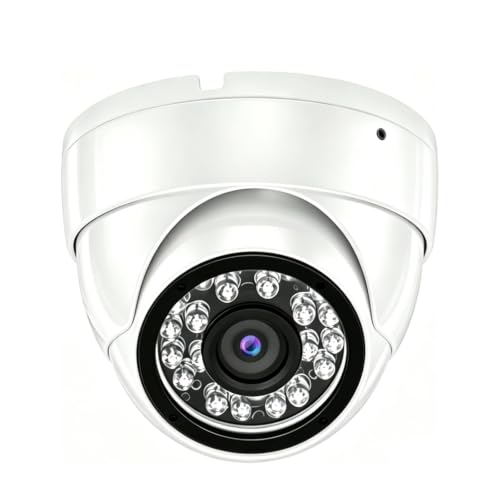
Voniviewse 2MP 1080P Analog Camera 4-in-1 (TVI/AHD/CVI/960H Analog)
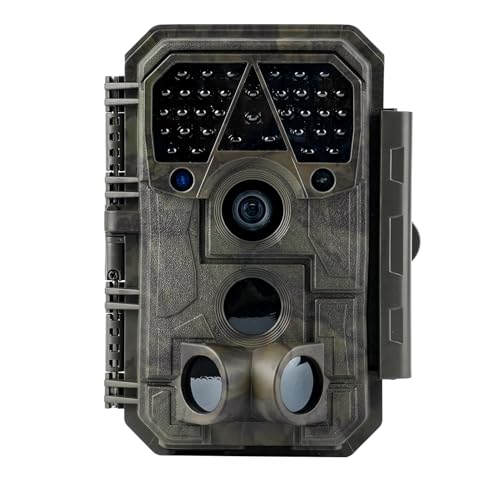
Meidase P70 Trail Camera, 64MP 1296p, No-Glow IR Night Vision, Motion Activated

Meidase 2 Pack P70 Trail Camera, 64MP 1296p, No-Glow IR Night Vision

Meidase P300 Pro WiFi Trail Camera, 165ft Range, 7800mAh Battery

Meidase P300 WiFi Trail Camera, 165ft Range, 64MP Photos, 1296p HD Video
More On The Choices That Made The List
Barns rarely have spare outlets where you actually want a camera, which is why a battery-driven unit earns attention. The VISION WELL ships wire-free, runs on a rechargeable pack, and slips into a wall mount without routing a power line. For a small horse barn or a chicken coop with WiFi, it works well as the always-on set of eyes that texts you when a delivery driver crosses the wrong threshold.
The 2K resolution keeps faces and feed scoops sharp at a sensible distance, and AI motion detection helps cut down on false alarms from blowing straw. Color night vision uses a built-in spotlight to keep footage readable after dark, which matters when a barn’s only ambient light is a single bulb. Compared with the hardwired Voniviewse analog option below, this one trades DVR integration for placement freedom.
Everyday Advantages
- Wire-free install makes it easy to relocate as your barn layout changes.
- Two-way talk lets you speak to a farrier or ask the dog to move out of frame.
- Spotlight plus siren give you a deterrent alongside the recording.
- SD and cloud storage options keep your footage without forcing a subscription.
Things To Consider
- Battery-powered units need periodic recharging, especially in cold weather.
- WiFi range from the house router may need a mesh extender in larger barns.
Feature Snapshot
Built With In Mind
Owners who want quick install, smartphone alerts, and no commitment to a wired DVR.
Where Another Pick Suits Better
The Voniviewse 2MP 1080P Analog Camera is the better match for anyone already running coax to an older DVR.
Existing coax runs are a quiet asset, and replacing the whole DVR feels wasteful when the wiring is fine. The Voniviewse 2MP 1080P Analog Camera ships as a 4-in-1 unit that supports TVI, AHD, CVI, and traditional 960H analog output, with TVI as the default mode. That mix means it slots into a wide range of older recorders without forcing a recorder swap.
The 2.8mm lens and roughly 110-degree field of view give broad coverage of a stall door or tack room from a single mount. For someone upgrading one camera at a time on a legacy system, this is the kind of unobtrusive swap that improves clarity without a learning curve.
Notable Gains
- Four video output modes cover most legacy DVRs without adapters.
- 2.8mm wide-angle lens captures a broad view of a stall or aisle.
- Weatherproof housing suits barn lofts, eaves, and exterior walls.
Points To Note
- 1080p resolution is modest versus the 2K and 64MP options above and below.
- Coaxial runs need a compatible DVR on the other end, which limits new installs.
- No onboard spotlight or two-way audio, so deterrence relies on your recorder.
Whose Shelf It Belongs On
Property owners with existing analog cabling who want a refresh without redoing the recorder.
Not Your Match When
The Meidase P300 Pro WiFi Trail Camera fits anyone who wants wireless setup and app-based previews instead.
Trail cameras have quietly become a barn favorite because they need no wiring and run for months on a battery set. The Meidase P70 captures 64MP stills and 1296p video, with a fast 0.1-second trigger that catches animals and people in mid-stride. Side sensors widen the detection zone so a slow approach still sets it off.
The 940nm no-glow infrared LEDs keep the unit dark to the eye, which is helpful when predators are the concern. For most small properties, that’s enough to feel comfortable leaving it on a gate post or inside a feed room doorway.
Strengths Worth Knowing
- No-glow LEDs keep the camera invisible at night.
- Rugged body handles barn dust and seasonal humidity well.
- Trigger is fast enough for deer, coyotes, and wandering stock.
Trade Offs
- No live view, so reviewing footage requires walking to the unit.
- SD card storage fills up faster at the higher resolution settings.
Feature Snapshot
Right Fit For
Owners who want a set-and-forget camera for perimeter checks and predator watching without running wires.
Skip It When
The Meidase P300 Pro WiFi Trail Camera is the smarter choice for anyone who wants to preview clips from the pickup truck.
Most barns need more than one vantage point, and buying singles adds up. The Meidase 2 Pack bundles two P70 units so you can cover a front gate and a back paddock on the same trip to the property. For most medium-sized properties, two cameras placed correctly see more than one expensive unit pointed wrong.
Each camera runs on its own battery set and SD card, so failures stay isolated. That redundancy is the underrated benefit of a two-pack when one camera gets bumped or fogged up.
Features That Help
- Two units let you place at gates, lanes, or loafing sheds in one order.
- H.264 video compression keeps files manageable without losing detail.
- MP4 video plays on most computers without extra conversion software.
- Independent battery sets keep the system running if one set drains early.
Worth Noting
- Two units mean double the SD card and battery upkeep.
- No live view, so you still need to walk the cards or pull them for review.
Best Suited To
Multi-acre properties where one corner camera cannot tell the whole story.
A Better Fit Elsewhere
The VISION WELL Wireless Outdoor 2K Camera suits anyone who wants fewer units with live phone alerts instead.
The P300 Pro takes the trail camera formula and adds direct phone control via built-in WiFi and Bluetooth. You pair your phone to the camera itself, not to a home router, and pull previews or change settings from up to 165 feet away in open air. For owners who hate pulling SD cards in the rain, that convenience alone is worth considering.
The 7800mAh battery pushes runtime well beyond smaller packs, which matters during cold winters when capacity drops. Note that it pairs directly with your phone only, not with a home router or cellular network, so plan walks to the camera accordingly.
Well-Handled Touches
- Direct phone pairing lets you preview without a router or subscription.
- Large internal battery extends field time between swaps.
- Dual antennas stabilize the link at the edge of the stated range.
- 64GB industrial SD card included, so the camera is ready out of the box.
Honest Caveats
- Direct WiFi means no remote view from across the country.
- 165 ft range applies to open areas and shortens around metal outbuildings.
Quick Facts
Who Should Grab It
Hands-on owners who visit the barn often and want to tweak settings or check previews from outside.
Swap It Out When
The Meidase P70 Trail Camera is the leaner choice for someone who wants to skip app pairing entirely.
The P300 sits a step below the Pro but keeps the same direct-WiFi convenience that makes the line attractive. You pair your phone to the camera, walk within range, and pull previews without a router in the loop. For most backyard barns, that workflow removes the biggest pain of traditional trail cameras.
The dual antennas help maintain a stable link around tin roofing or wooden beams. Resolution matches the P70 family at 64MP stills and 1296p video, so image quality stays consistent across the line.
Positive Takeaways
- Direct phone pairing keeps setup simple and router-free.
- Wide 120-degree detection angle catches slow approaches.
- 100 ft no-glow night vision keeps the camera hidden after dark.
Softer Spots
- Smaller internal battery than the P300 Pro means more frequent swaps.
- Open-air range drops sharply near metal barn walls.
Made For
Owners who want app previews and consistent image quality without paying for the larger Pro battery.
Reach For A Different Pick When
The Meidase P300 Pro WiFi Trail Camera is the better match for anyone who values longer battery life over a small price difference.
What To Weigh Before Choosing Barn Cameras
A barn camera has to do two things well: survive the environment and tell you something useful. Start with the mounting spot, since a camera that needs WiFi but sits 200 feet from the router will frustrate you. Battery-powered units buy flexibility but cost runtime, while wired analog cameras need a compatible DVR on the other end. Match the camera type to your existing infrastructure first, then refine by resolution.
Night vision matters more than daytime clarity. Barns are dark at the hour most events happen, so infrared range and glow behavior shape what you actually see. No-glow LEDs keep the camera hidden from curious animals, while color night vision (with a small spotlight) gives you plate-readable footage for security. Cold weather shortens battery life on every unit, so plan recharging intervals realistically.
Finally, think about how you will review footage. Live-view cameras suit people who check their phone constantly, while SD-card trail cameras suit owners who walk the property weekly. Storage choices, app subscriptions, and whether you want to be alerted at 2 a.m. all push the decision in different directions.
Key Considerations Across These Picks
Where Shoppers Go Wrong
The most common mistake is buying a WiFi camera without checking signal at the actual mount point. Walls, metal roofing, and distance from the router kill WiFi, leaving you with a brick on a post. Test signal before you drill any holes, and consider a trail camera for spots the router cannot reach.
Where The Extra Money Goes
Stepping up to the P300 Pro buys a much larger internal battery and the included SD card. For owners who check the barn less often, that upgrade means fewer climbs up the ladder and less risk of a dead camera on the night you needed it.
Frequently Asked Questions
Do barn cameras need WiFi? Not always. Battery-powered trail cameras and analog wired cameras work without WiFi, using SD cards or a DVR instead. WiFi adds live previews and alerts but only works within range of your router or phone.
Are no-glow infrared LEDs truly invisible? They are invisible to most animals and people at typical distances, though strong direct eyes may catch a faint deep-red glow under the right conditions. For predator and security use, no-glow is usually the safer choice.
Can a trail camera double as a security camera? Yes, for property gates, driveways, and remote outbuildings. The trade-off is no live alerts and a need to swap cards or batteries, which means slower response than a smart home camera.
How cold is too cold for these cameras? Most trail cameras handle normal winter conditions, but battery capacity drops sharply below freezing. Expect shorter intervals between charges in unheated barns and outdoor mounts.
Should I pick a wired or wireless barn camera? Pick wired if your barn already has coax runs or stable power and you want always-on recording. Pick wireless or battery-powered if your barn has no power and you need flexible placement.