Spotting a distant eagle across a valley is one kind of thrill. Bringing home a sharp photo of it is another. The category of binoculars with camera, or more accurately, optics that pair cleanly with your phone, sits right at that overlap. You get magnification power for far subjects and the convenience of a camera you already carry for keepsakes, trip journaling, or simply sharing what you saw. This list gathers nine solid picks covering birdwatching, travel, stargazing, sports, and casual hiking, so you can match the right tool to the way you actually use it.
The Choices Worth Comparing

Vortex Diamondback HD 12×50 Binoculars

Bushnell 10x42mm Trophy XLT Binoculars

Pankoo 20×55 Binoculars for Adults High Powered

Pankoo 20×55 Binoculars with Phone Adapter
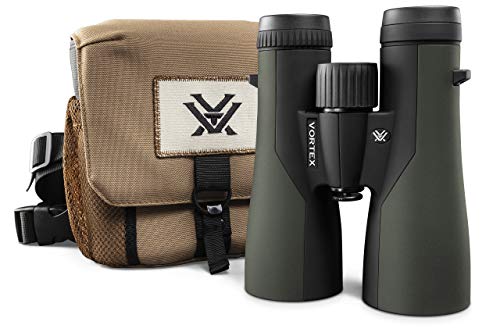
Vortex Crossfire HD 12×50 Binoculars
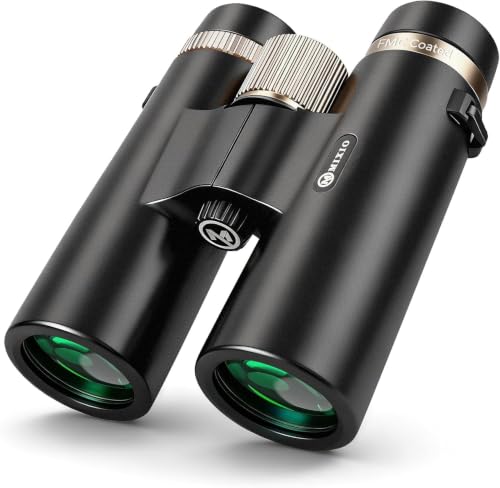
12×42 High Powered Waterproof Binoculars

10×42 High Powered Waterproof Binoculars
Pankoo 20×55 Binoculars Waterproof and Convenient

15×56 Monocular Telescope High Definition
Meet The Standout Selections
Glass quality is the headline feature here, and it shows the moment you raise the Diamondback HD to your eyes. The 12x magnification paired with 50mm objective lenses gathers plenty of light for sharp dawn and dusk viewing, which matters when wildlife moves during the soft hours. Compared to the budget options later in this list, the optics feel noticeably crisper on fine detail like feather edges or distant ridgelines.
For hikers and birders who want reach without compromise, this sits in a comfortable middle ground. You may find the body a bit heavier than compact 10x models, though the tradeoff is meaningful light intake.
Standout Benefits
- Select glass elements cut color fringing for true-to-life color on distant subjects.
- 50mm objective lenses pull in enough light for early morning and late afternoon use.
- Fully multi-coated lens surfaces boost clarity, which translates to longer comfortable viewing sessions.
- 12x magnification reaches further than typical 8x or 10x travel binoculars for true long-distance work.
Things To Consider
- Heavier than 42mm travel binoculars, so neck fatigue can show up on long walks.
- Higher magnification amplifies hand shake, meaning a steady grip or monopod helps in the field.
- Owners commonly report that the included strap is serviceable but worth upgrading for full-day carry.
Quick Facts
Who It Suits Best
Birders and wildlife watchers who prioritize image clarity over compact weight, especially for stationary observation points and ridge scanning.
Look Elsewhere When
Travelers prioritizing pack weight should consider the Bushnell 10x42mm Trophy XLT, which trades a touch of reach for a much friendlier carry.
The Trophy XLT leans into versatility, and that is its strongest selling point. A 10x42mm configuration (meaning 10x magnification with 42mm objective lenses) is the sweet spot most casual users gravitate toward, because it balances reach, brightness, and stability without the bulk of larger lenses. Cruise travelers and casual birders will appreciate the wide 6.2-degree angle of view for tracking moving subjects or scanning shorelines.
Waterproof construction means a sudden drizzle on the deck or a splash near the kayak is not a crisis. You may find the included case a little basic, though the optics themselves punch above the price tier.
Noteworthy Benefits
- Wide 6.2-degree angle of view helps follow birds in flight or distant boats with ease.
- Waterproof and fog-proof sealing protects the internals in damp marine or rainy environments.
- 10x magnification keeps hand shake manageable compared to the 12x and 20x picks below.
- Comfortable eye relief (the distance your eye sits from the eyepiece) suits glasses wearers without strain.
Honest Caveats
- Glass quality sits below premium models like the Vortex Diamondback HD for fine detail at distance.
- Body style is functional rather than slim, so it takes noticeable space in a carry-on.
Right Fit For
Cruise travelers and hikers who want a dependable, weather-tough pair that handles birdwatching, scenic viewing, and casual sporting events with equal ease.
Reach For A Different Pick When
Serious birders chasing long-distance species should look at the Vortex Diamondback HD 12×50, which delivers measurably sharper detail at greater range.
Stepping up to 20x magnification means entering a different category, and Pankoo delivers that reach at a size most people can still handhold briefly. The 55mm objective lenses (called out in the source data) capture enough light for dim conditions, which is genuinely useful during dawn hunts for distant wildlife or stadium events where shadows fall across the field.
Compared to the 10x and 12x picks earlier, this one is purpose-built for pulling in subjects that would otherwise be too far to identify. You may find a tripod helpful for extended sessions, since 20x amplifies every tiny hand movement.
Practical Pluses
- 20x magnification brings distant subjects into identifiable range without a spotting scope.
- Large 55mm lenses maintain usable brightness during early morning or dusk observation.
- Waterproof sealing makes it workable for unpredictable weather or wet terrain.
- Approachable weight keeps it portable enough for short hikes and day trips.
Points To Keep In Mind
- High magnification means a stable surface or tripod makes a noticeable difference in image steadiness.
- Field of view is narrower than 10x binoculars, so tracking fast-moving subjects is harder.
- Lens cleaning requires care, as the larger glass surfaces collect dust and smudges quickly.
Best Suited To
Outdoor enthusiasts who regularly view distant targets, like open-field hunters, stadium spectators in upper rows, and landscape observers.
Consider Something Else When
Birders who track moving flocks should try the Bushnell 10x42mm Trophy XLT, since its wider view is much friendlier for flying subjects.
This version of the Pankoo 20×55 leans directly into the camera side of binoculars with camera. The included phone adapter holds your smartphone over the eyepiece, letting you capture what you see through the optics, which is often called digiscoping. Travelers and amateur naturalists who want photos to share, not just memories, will find real value here.
Beyond the adapter, the optical package matches the sibling model reviewed earlier: 55mm lenses and BAK4 prisms (a premium prism glass that delivers brighter, sharper images than standard glass). The honest read is that adapter alignment takes a little practice, though most people figure it out within a few minutes.
Where It Delivers
- Phone adapter turns the binoculars into a long-reach photo tool for wildlife or scenery.
- BAK4 prism glass maintains color accuracy and brightness, which carries over to phone photos.
- 20x reach lets you fill the phone frame with subjects that would otherwise be tiny dots.
- Great for travelers wanting to document birds, landscapes, and stadiums without a telephoto lens.
Small Caveats
- Adapter takes some practice to align properly for centered, sharp phone shots.
- At 20x, even small hand tremors show up in photos, so a stable setup improves results.
- Adapter fits most modern phones, though very large phones may need adjustment.
Feature Snapshot
Who Will Love This
Content creators, travel journalers, and casual wildlife photographers who want to capture and share long-distance views without carrying a separate telephoto camera.
Swap It Out When
Viewers who prioritize pure optical observation over photography should consider the Vortex Crossfire HD 12×50, which focuses on glass quality at a lower magnification.
The Crossfire HD earns its place by combining reliable HD glass with a body built for regular outdoor use. The 12x magnification and 50mm objectives are a familiar pairing, but the included GlassPak harness sets it apart from competing binoculars. That harness keeps the optics against your chest for quick deployment, which is genuinely helpful on uneven trails.
Birders and hunters who spend long hours outside will appreciate the comfort system. You may find the harness takes getting used to, though once fitted it removes the neck strain of traditional straps.
What Earns Its Place
- GlassPak harness offers hands-free carry and fast access in the field.
- HD optical system delivers crisp images with reduced color fringing.
- 50mm lenses handle low-light dawn and dusk observation well.
- Rugged construction suits regular outdoor and hunting use.
Factors To Consider
- 12x magnification still benefits from a steady hand or monopod for extended viewing.
- Harness sizing runs slightly large for smaller-framed users.
- Glass quality is solid but sits a tier below the Diamondback HD for fine detail.
Made For
Active outdoor users, hunters, and birders who want comfortable, hands-free carry and reliable glass for full days outside.
Where Another Pick Suits Better
Travelers looking for a lighter pack weight should consider the M MIXIO 10×42, which trims size without sacrificing too much reach.
M MIXIO delivers a generous field of view here, with a stated 303 feet at 1000 yards of visible scenery at 12x magnification. That wider frame makes a real difference when tracking fast-moving wildlife, scanning crowds, or following action at sporting events. The 20mm eyepieces produce a comfortable viewing image, and the waterproof build shrugs off splashes and rain.
At roughly 1.3 pounds, this lands in the lighter tier of full-size binoculars. You may find the plastic body less premium in the hand, though it holds up to regular outdoor use without complaint.
Everyday Wins
- 303-foot field of view at 1000 yards helps track subjects in motion.
- 20mm eyepieces create a comfortable, distortion-free viewing experience.
- Waterproof sealing protects against rain and splashes.
- Lightweight 1.3-pound build reduces neck strain on long outings.
Worth Noting
- Body materials feel more plastic than premium glass alternatives above.
- Included strap and case tend to be basic, so upgrades help with extended use.
Key Product Details
Perfect Match For
Casual birders and sports fans who want a wide, forgiving view at moderate magnification, especially for watching action rather than identifying tiny details.
Skip It When
Users wanting stronger low-light performance should look at the Pankoo 20×55, which trades some field width for bigger 55mm lenses.
This 10×42 sibling shares a body and most of its features with the 12×42 reviewed just above, but drops magnification to 10x for a steadier image and slightly wider field. The 294-foot field of view at 1000 yards is generous for the category, and the lighter 10x magnification is far more forgiving in the hands.
For first-time optics owners, 10x is often the right starting point. You may find the lower reach limiting for very distant subjects, though the steadiness is a real gift during long sessions.
Why It Works Well
- 10x magnification is easy to hold steady without a tripod or monopod.
- 294-foot field at 1000 yards keeps moving subjects in frame.
- 20mm eyepieces deliver a comfortable image for glasses and non-glasses wearers alike.
- Waterproof sealing handles rain, splashes, and humid environments.
Trade Offs
- Less reach than the 12x and 20x picks in this list.
- Build leans toward budget-tier materials rather than premium metal housings.
Who Should Grab It
Beginners and casual hikers who want steady, comfortable views without learning the quirks of high-magnification optics.
A Better Fit Elsewhere
Wildlife watchers chasing birds across wide valleys should consider the Vortex Diamondback HD 12×50, which adds meaningful reach at a similar size.
The third Pankoo 20×55 in this roundup focuses on weather-ready construction for unpredictable environments. BAK4 roof prisms (a compact prism design common in modern binoculars) and fully multi-coated lenses are stated in the source, supporting solid color and contrast. Hunters, anglers, and storm-country hikers will appreciate the sealed body.
Compared to the earlier Pankoo models, this one doubles down on durability rather than adding new features. You may find the 20x reach demands a stable surface for sharp viewing, though the larger 56mm-class lenses pull in ample light.
What Stands Out
- BAK4 roof prisms deliver bright, accurate color reproduction.
- Fully multi-coated optics improve contrast and reduce glare in bright conditions.
- Waterproof body stands up to rain, splashes, and humid environments.
- 20x reach handles stadium, landscape, and open-field observation.
Soft Spots
- 20x magnification requires steady hands or a support for crisp results.
- No included phone adapter, unlike the sibling model reviewed earlier.
- Body size grows with the larger lenses, so pocket carry is unrealistic.
Feature Card
Built With In Mind
Outdoor users in wet, changeable climates who need optics that survive drizzle, spray, and dust without babying.
Another Choice May Suit
Photographers wanting to capture what they see should consider the Pankoo 20×55 with Phone Adapter, which adds a digiscoping mount.
Stepping away from binoculars, this M MIXIO 15×56 monocular trades the second eyepiece for a much smaller carry profile. A monocular is essentially half a binocular, designed for one-eye viewing, and it slips into jacket pockets and small packs far more easily than full-size binoculars. The 15x magnification sits between the 12x and 20x picks reviewed earlier.
For backpackers, concertgoers, and travelers who want reach without bulk, this is a useful shape. You may find one-eyed viewing less immersive than full binoculars, though the size advantage is real.
Reasons It Performs
- Compact monocular body fits pockets and small bags where binoculars cannot.
- 15x magnification offers meaningful reach for casual long-distance viewing.
- HD optical system with BAK-4 prism delivers sharp, contrast-rich images.
- Lighter carry weight makes it ideal for travel and day hikes.
Less Ideal Details
- One-eyed viewing is less comfortable for long observation sessions.
- Smaller body can be harder to hold steady at 15x than larger binoculars.
- No second eyepiece means depth perception is reduced versus binoculars.
Whose Shelf It Belongs On
Travelers and minimalists who want long-distance viewing capability in the smallest possible package, without sacrificing too much optical quality.
Not Your Match When
Birders needing sustained, comfortable observation should choose the Bushnell 10x42mm Trophy XLT, which offers full binocular comfort.
What Matters Most Before Choosing Binoculars With Camera
Magnification and Lens Size
Two numbers define every binocular: magnification (how many times closer the subject appears) and objective lens diameter (how much light the front lens gathers). A 10×42 pair means 10x magnification with 42mm front lenses. Higher magnification pulls subjects closer but amplifies hand shake, so 20x models benefit from a stable surface. Larger objective lenses gather more light for dim conditions but add weight and bulk.
Optical Coatings and Prism Quality
Fully multi-coated lenses (meaning every glass surface has multiple anti-reflective layers) deliver brighter, sharper images than partially coated or uncoated glass. BAK4 prisms are a step up from standard BK7 prisms, producing brighter edges and better color fidelity. These details show up most in low-light situations like dawn birding or dusk hiking.
Field of View and Eye Relief
Field of view, measured in feet at 1000 yards, tells you how wide a scene you can see. A wider field makes tracking moving subjects easier, while narrower fields favor detail on stationary targets. Eye relief, the distance your eye sits from the eyepiece, matters for glasses wearers, since longer eye relief lets you see the full image without removing your glasses.
Build, Weight, and Weatherproofing
Waterproof sealing protects optics in rain, splashes, and humid environments. Rubber-armored bodies absorb minor bumps better than bare plastic or metal. Weight ranges from roughly 1 to 2 pounds for full-size binoculars, and monoculars weigh much less. Match the build to your real outings: a heavy, rugged pair for stationary observation, a lighter one for full-day hiking.
Key Considerations Across These Picks
Pitfalls Shoppers Hit
The most common slip is chasing magnification without considering stability. A 20x binocular in shaky hands delivers a blurrier image than a steady 10x, so match power to your viewing style. Another trap is ignoring objective lens size, since two pairs at 10x can perform very differently based on whether the front lens is 25mm or 50mm. Finally, overlooking eye relief frustrates glasses wearers who discover too late that they cannot see the full image.
Where The Extra Money Goes
Higher-tier models in this category invest in better glass, fuller coatings, and premium prisms like BAK4 instead of BK7. You also get sturdier waterproof bodies, better focus mechanisms, and brand-backed support. For casual use, mid-range pairs deliver most of the optical quality at a fraction of the cost, so the upgrade makes sense when you regularly view in challenging light or at long distances.
Frequently Asked Questions
What does magnification actually mean on binoculars?
Magnification tells you how many times larger the binoculars make a distant subject appear. A 10x binocular makes objects look ten times closer than they do with the naked eye, while 20x doubles that reach.
Can I use these with my smartphone for photos?
Several models in this list either include or work with phone adapters. Adapters clamp your phone over the eyepiece, letting you photograph what you see through the optics. Alignment takes practice, but the results can be striking for distant wildlife or scenery.
What is the difference between binoculars and a monocular?
Binoculars have two eyepieces for both eyes, while monoculars have just one. Monoculars are smaller and lighter, easier to carry in a pocket, but offer a less immersive view and slightly reduced depth perception.
Is waterproofing really necessary?
Waterproofing protects internal optics from rain, splashes, and humid air. For casual fair-weather use it is optional, but anyone hiking, hunting, or boating in unpredictable conditions benefits from sealed construction that resists fogging and water damage.
How do I clean binocular lenses safely?
Use a soft lens brush or blower to remove dust first, then a microfiber cloth with a small amount of lens cleaning solution for smudges. Avoid rough fabrics, household cleaners, and excessive pressure, since lens surfaces scratch easily.
Closing Remarks
The right pair of binoculars with camera comes down to where and how you plan to use them. Casual hikers and casual wildlife watchers often find 10x or 12x models hit the sweet spot of reach, weight, and steadiness. Long-distance hunters and stadium spectators benefit from 20x power with a stable surface. Travelers who want to capture the moment should look for models that work with a phone adapter. Pick the one that fits your real outings, and you will reach for it again and again.