You want to watch a hawk glide across a ridge and walk away with a sharp photo of it. Standard binoculars only solve half of that problem, which is why camera-equipped models keep gaining traction with birders, hunters, sports spectators, and travelers. The picks below balance optical quality, magnification, and image-capture convenience for different real-world scenarios, so you can match the right tool to how you actually use it outdoors.
The Lineup, Simplified

Vortex Diamondback HD 12×50 Binoculars

Bushnell 10x42mm Trophy XLT Binoculars

Pankoo 20×55 Waterproof Binoculars

Pankoo 20×55 Binoculars with Phone Adapter
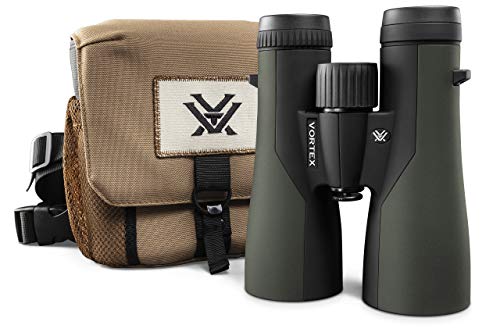
Vortex Crossfire HD 12×50 Binoculars
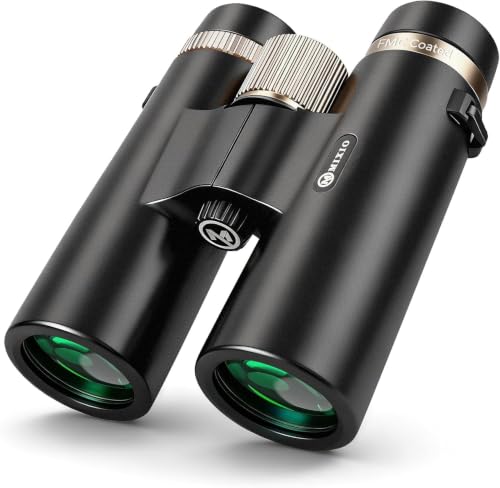
M MIXIO 12×42 Waterproof Binoculars

M MIXIO 10×42 Waterproof Binoculars
Pankoo 20×55 Waterproof Binoculars (BAK4)

M MIXIO 15×56 HD Monocular
Why These Options Stand Out
The Diamondback HD pairs 12x magnification with 50mm objective lenses, a combination that pulls distant ridges, raptors, and shoreline details into sharp focus when you pair it with a phone adapter or a spotting setup. Compared to the lighter 10×42 picks later in this list, this Vortex reaches further, and the HD glass helps keep colors accurate at the edge of the frame.
For a birder scanning a marsh or a hunter glassing a far tree line, the extra reach matters more than weight savings. The armor-coated chassis feels reassuring in cold, wet hands, and the diopter adjustment sits where you can reach it without looking.
The Value In It
- 12x magnification covers long-distance wildlife and stadium viewing
- 50mm objectives gather enough light for dawn and dusk sessions
- HD glass elements reduce chromatic aberration at high zoom
- Rubber-armored body absorbs minor bumps in the field
- Tripod-adaptable design steadies the view for photo capture
Things To Consider
- Heavier than 10×42 picks, so handheld sessions tire the arms faster
- Requires a separate phone adapter for digiscoping capture
The Right Fit
Naturalists and serious wildlife watchers who prioritize reach over compact weight.
Reach For A Different Pick When
Casual travelers who mostly want a lighter carry should look at the Bushnell 10x42mm Trophy XLT instead.
The Bushnell Trophy XLT keeps things simple with a 10×42 layout that suits most viewing distances without the handshake wobble of 12x or 20x models. It’s marketed toward cruise travelers, birders, and casual outdoor use, and that broad usability shows in the build, which is waterproof and rubber-coated.
On a ship deck or a coastal trail, the 6.2-degree apparent angle of view helps you find moving subjects quickly. Where the Diamondback above pushes for raw reach, this Bushnell aims for comfortable, all-day use.
Noteworthy Benefits
- Waterproof construction handles spray and light rain
- 10×42 balance keeps the view steady handheld
- Wide field of view helps track birds in flight
- Light enough for long neck-strap sessions
Worth Noting
- Lower magnification than the 12x or 20x picks here
- No integrated camera, so digiscoping needs an external phone mount
Made For
Travelers and casual birders who value steadiness and weatherproofing over extreme reach.
A Better Fit Elsewhere
Anyone needing serious long-distance pull should pick the Vortex Diamondback HD 12×50 instead.
Pankoo’s 20×55 model is built for people who want to fill the frame with something very far away. The 55mm objective lenses pull in enough light to keep early-morning scans usable, and the 20x magnification reads coastlines, mountain faces, and stadium details from a great distance.
The honest read is that 20x magnification in a hand-held binocular demands a steady hand or a tripod. For the right user, that tradeoff is worth it.
Practical Pluses
- 20x magnification pulls distant targets into close view
- Large 55mm lenses help in low light at dawn and dusk
- Waterproof shell handles damp weather
- Good fit for tripod-mounted digiscoping setups
Trade Offs
- 20x handheld viewing amplifies shake, so most users want a tripod
- Heavier than 10x or 12x picks, tiring on long carries
Best Suited To
Observers glassing distant terrain who plan to mount the binoculars on a tripod or monopod.
Skip It When
Anyone who wants a casual handheld carry will be happier with the M MIXIO 10×42 model reviewed below.
Where the previous Pankoo model leans on the optics alone, this version ships with a phone adapter so you can mount your smartphone over the eyepiece for digiscoping. It uses the same 20×55 optical platform with FMC (fully multi-coated) lenses and a BAK4 prism, which is a glass prism design known for high light transmittance.
For someone who wants to capture what they see, the included adapter removes the guesswork of buying a third-party mount. Compared to the Pankoo 20×55 reviewed earlier, the difference is really about that add-on.
Useful Highlights
- Included phone adapter simplifies digiscoping
- BAK4 prism and FMC coatings support bright, contrasty images
- Long-range viewing up to roughly 1200 yards per the manufacturer
- Solid option for sharing wildlife photos on social media
Honest Caveats
- Aligning a phone with the eyepiece takes practice at first
- At 20x, even small tripod wobble shows up in photos
Who Should Grab It
Photographers and casual naturalists who want a ready-to-shoot package without buying accessories separately.
Look Elsewhere When
Pure optics lovers who already own a phone mount may prefer the more streamlined Pankoo 20×55 BAK4 version later in this list.
The Crossfire HD sits in Vortex’s lineup as a versatile, rugged option for hunters and outdoor enthusiasts. With 12x magnification and 50mm objectives, it shares core numbers with the Diamondback HD earlier in this roundup, and the practical difference comes down to chassis design and included accessories.
The Crossfire often ships with a GlassPak harness, which keeps the binoculars close to your chest for quick deployment. That matters in cold weather when you don’t want to fiddle with a neck strap.
A Few Strong Suits
- 12×50 optics balance reach and light gathering
- GlassPak harness adds comfortable all-day carry
- HD glass elements cut color fringing in high-contrast scenes
- Durable rubber armor protects against drops
Soft Spots
- Heavier than compact 10×42 travel models
- Camera capture requires a separately purchased phone mount
Perfect Match For
Hunters and hikers who spend full days outdoors and want a harness carry system ready to go.
Swap It Out When
Someone prioritizing the lightest possible pack should consider the M MIXIO 10×42 model instead.
M MIXIO’s 12×42 model weighs roughly 1.3 pounds and delivers a 303-foot field of view at 1000 yards, which is wide enough to follow a moving subject without constant re-aiming. The 20mm eyepieces work well for glasses wearers who need generous eye relief, the distance from the eyepiece lens to your eye where the full image becomes visible.
It targets camping trips, cruises, and casual wildlife watching. Compared to the heavier 50mm-objective Vortex models, this one trims bulk at the cost of some low-light performance.
A Favorable Mix
- Wide 303 ft/1000yd field of view aids tracking
- Full-size 12×42 frame balances reach and weight
- Waterproof build handles wet conditions
- Generous eye relief suits eyeglass wearers
Points To Note
- Smaller 42mm objectives gather less light than 50mm rivals
- Photo capture needs a separate phone adapter
Who Will Love This
Active outdoor users who want a wide field of view for tracking birds, whales, or sports action.
Consider Something Else When
Low-light hunters should reach for the Vortex Diamondback HD 12×50 for its larger objectives.
Drop the magnification from 12x to 10x and the view steadies noticeably, especially handheld. M MIXIO’s 10×42 keeps the same chassis size as its 12x sibling but delivers a 294-foot field of view at 1000 yards, which is still wide and a bit easier to manage.
This is the kind of binocular you grab for a casual hike, a backyard bird feeder session, or a ball game. For users who don’t need extreme reach, the steadier view often matters more than the extra magnification.
Points In Its Favor
- 10x magnification reduces handheld shake
- 294 ft/1000yd field of view suits active subjects
- Waterproof construction holds up in the rain
- Friendly entry point for newer binocular users
Small Caveats
- Limited reach compared to 12x or 20x options
- 42mm objectives dim earlier in fading light
Right Fit For
Casual outdoor users and beginners who value a steady, easy-to-handle view over maximum zoom.
Not Your Match When
Serious long-distance glassing calls for the Pankoo 20×55 reviewed earlier in this list.
This Pankoo 20×55 version highlights its BAK4 roof prisms and FMC lenses, which together push light transmittance to roughly 99.8% per the manufacturer. The result is a brighter image in dawn and dusk windows when many binoculars start to look gray and flat.
The 56mm objective lenses (noted in some Pankoo listings as the entry model) catch meaningful light at high magnification. As with other 20x picks, you’ll want a tripod for photo sessions or extended viewing.
Everyday Advantages
- High light transmittance helps in dim conditions
- BAK4 prism design supports edge-to-edge clarity
- Long 20x reach for scanning distant terrain
- Waterproof shell for outdoor reliability
A Few Limitations
- Handheld 20x viewing can wobble without stabilization
- Heavier than 10x picks, so pack space matters
Built With In Mind
Outdoor photographers and naturalists who often shoot during golden-hour light and need every photon they can get.
Another Choice May Suit
Travelers who need a lighter pack should grab the Bushnell 10x42mm Trophy XLT instead.
A monocular is one half of a binocular, and that single-eye form factor is the point. M MIXIO’s 15×56 HD monocular pairs 15x magnification with a 56mm objective, using HD optics and a BAK-4 prism to push roughly 99.5% light transmittance. One-handed carry and pocket-friendly packing make it attractive on long hikes.
You give up the depth perception of two-eyed viewing, but for quick scans on the trail or at a stadium, the weight savings matter. Compared to the full-size binocular picks here, this monocular trims bulk without losing reach.
The Case For It
- Compact single-eye design fits in a jacket pocket
- 15x magnification reaches distant trail landmarks
- HD glass and BAK-4 prism support bright, sharp images
- One-hand operation is faster in fleeting moments
Things To Weigh
- Single-eye viewing lacks the depth cues of binoculars
- Eyepiece alignment with a phone requires a universal mount, not a binocular-specific adapter
Whose Shelf It Belongs On
Hikers and travelers who want meaningful reach without the bulk of a full binocular pair.
Where A Sibling Pick Shines
Birders who want immersive, two-eyed viewing should choose the Vortex Diamondback HD 12×50 over this monocular.
Choosing the Right Setup for Capturing What You See
Picking binoculars with a camera function is really about matching three numbers to your use case: magnification, objective lens size, and the size of the image sensor or capture method you’re using. Magnification tells you how much closer your subject appears. Objective lens diameter (the second number, like the 50 in 12×50) determines how much light enters the binoculars, which matters most at dawn, dusk, and under tree cover.
For digiscoping, which is the practice of photographing through your optics with a phone or dedicated camera, magnification above 12x usually demands a tripod or monopod to keep images sharp. Phone adapters that clamp onto the eyepiece work, but small misalignments produce vignetting, the dark circular edges around your photo, so look for adjustable mounts. Eye relief matters if you wear glasses: anything above about 15mm gives you room to keep your lenses on.
Weather sealing makes a real difference for boat decks, tropical birding, and snowy hunts. Rubber armor protects against drops but adds weight, which compounds at higher magnifications. Built-in camera modules are rare in this category, so most users combine traditional binoculars with a phone adapter for the capture step.
Key Considerations Across These Picks
Pitfalls Shoppers Hit
Chasing the highest magnification number often backfires. A 20x binocular sounds impressive until you try to hold it steady for a photo, and the resulting shake ruins more shots than the extra reach helps. Match magnification to how you’ll actually hold the binocular, handheld, braced, or tripod-mounted.
Eye relief is another common miss. Glasses wearers who buy a binocular with under 12mm of eye relief see a narrow, tunneled image. Check this spec before you commit, especially if you plan to use a phone adapter that already sits close to the eyepiece.
Where The Extra Money Goes
Stepping up to pricier binoculars usually means better glass (HD or extra-low-dispersion elements), fully multi-coated lenses, and BAK4 prisms instead of BK7. These upgrades improve color fidelity, edge sharpness, and low-light performance, which matters most at dawn, dusk, and in dense forest.
Premium builds also tend to include features like argon-purged housings to prevent internal fogging across temperature swings. For most casual users, mid-tier optics deliver plenty of clarity, but if you spend serious time in tough light, the upgrade pays off in real viewing comfort.
Frequently Asked Questions
What does “built-in camera” mean for binoculars in this category?
Most “binoculars with built-in camera” listings refer to digiscoping setups where you mount your smartphone to the eyepiece using an adapter. Some products ship with the adapter included, while others require you to buy it separately.
Can I take photos through any binocular with a phone?
In practice, yes. A universal smartphone adapter clamps over most eyepieces and aligns your phone camera with the optics. The image quality depends more on the binocular’s glass and your phone’s camera sensor than on the adapter itself.
Is 10x or 20x better for beginners?
For most beginners, 10x delivers a steadier, more forgiving view. 20x pulls subjects closer but amplifies every hand tremor, which frustrates new users and produces blurry photos without stabilization.
Do I need a tripod for higher magnification?
A tripod or monopod becomes helpful above about 12x for extended viewing, and almost essential at 20x for sharp photos. Handheld 20x works for quick spotting but rarely for clean image capture.
Are waterproof binoculars worth the extra cost?
For boat trips, rainy climates, or accidental drops in streams, waterproofing protects your investment and prevents internal fogging. For indoor or fair-weather use, you can often skip the sealed build and save some weight.
The Takeaway
The right pick depends less on specs and more on how you spend your time outside. Birders and naturalists usually want a steady 10×42 or 12×50 with HD glass. Long-distance scanners and stadium spectators benefit from 20x reach paired with a tripod. Hikers who hate bulk may prefer a 15x monocular that slips into a pocket. Match the tool to your habits, and the camera step, whether that’s a phone adapter or a built-in module, will follow naturally.