Some nights call for extra reach. You’re tracking a sound in the tree line, scanning a shoreline at dusk, or watching wildlife settle in as the light fades. The right optics turn pitch-black moments into readable scenes, while the wrong pair leaves you squinting at vague shapes.
This lineup mixes true night vision devices with traditional binoculars that hold up well in low light. Whether you hunt, hike, bird at dawn, or just want to see the backyard after sunset, there’s a fit below.
Your Options, Compared

VisioGear 4K Night Vision Goggles for Adults – Night Thunder X3

Vortex Diamondback HD 10×42 Binoculars

Bushnell 10x42mm Trophy XLT Binoculars

Vortex Crossfire HD 10×42 Binoculars
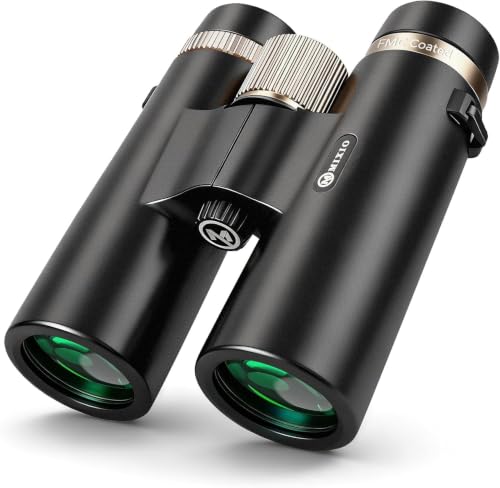
M MIXIO 12×42 Waterproof Binoculars

M MIXIO 10×42 Waterproof Binoculars

M MIXIO 15×56 HD Monocular

VisioGear 4K Night Vision Binoculars for Adults – Night Thunder X3
The Details Behind The Selections
The VisioGear Night Thunder X3 takes a different path from the Vortex and Bushnell pairs that follow. Instead of traditional daytime optics, it sits in the night vision binocular and goggle category, designed for genuine low-light and after-dark observation rather than glassing songbirds at noon.
For property checks at 2 a.m., late-season scouting, or just watching what drifts through your backyard once the porch light goes out, a goggle form factor with recording capability opens up uses a standard 10×42 can’t touch. Files save to a compatible microSD card, though that card is sold separately, so factor that into your setup before heading out.
Where It Delivers
- True night vision optics built specifically for low-light and dark environments
- 4K video recording with 40 MP photo capture so you can revisit sightings later
- Goggle form factor frees your hands for tracking moving subjects or carrying gear
- Recording capability turns a viewing session into shareable footage
Things To Consider
- MicroSD card required for recording and not included in the box
- Heavier and bulkier than traditional daytime binoculars for travel
- Battery management matters on long outings away from power
Feature Snapshot
Built With In Mind
Property owners, casual wildlife watchers, and homeowners who want a hands-free option for after-dark observation around buildings and fence lines.
Look Elsewhere When
The Vortex Diamondback HD 10×42 fits hikers and birders who need sharp daytime optics far better than this dedicated night unit.
Vortex’s Diamondback HD pairs 10x magnification with a 42mm objective lens, and the optical package goes well beyond what most shoppers expect at this tier. Fully multi-coated lenses (multiple anti-reflective coatings on every air-to-glass surface) push light transmission higher while cutting chromatic aberration, the colored fringing that haunts cheaper glass around contrast edges.
For dawn waterfowl hunts, long trail days, or scanning ridgelines at dusk, that extra clarity pays off. Resolution, color fidelity, and sharpness all hold up against options costing noticeably more.
Well-Handled Touches
- Select glass elements tuned to cut chromatic aberration for cleaner contrast edges
- Fully multi-coated lenses raise light transmission during twilight hours
- 10×42 configuration is the versatile sweet spot for most field uses
- Sturdy build quality earns its keep on rough trail days
Worth Noting
- Not a true night vision device, so dim light is where it tops out
- Heavier than compact 25mm or 32mm options for all-day neck carry
Who Should Grab It
Hunters and birders who want sharp glass for dawn and dusk sessions without jumping into the dedicated night vision price bracket.
Swap It Out When
The VisioGear Night Thunder X3 goggles make more sense for homeowners who specifically want after-dark property surveillance rather than daytime field glass.
The Bushnell Trophy XLT plays nicely with a wide range of trips. Cruise passengers get a steady view of distant shorelines, hikers track ridgelines without leaning forward, and birders catch quick flutters before they vanish. The 6.2° angle of view (the width of scene visible at 1000 yards) gives you more peripheral context than tighter designs, which matters when a flock flushes sideways.
Compared to the Vortex Diamondback that precedes it, the Trophy leans more toward general travel and water resistance than optical refinement. For most cruise-deck and trail scenarios, that’s a reasonable trade.
The Upside
- 6.2° angle of view frames moving subjects like shorebirds and ship traffic
- Waterproof construction handles spray, rain, and deck mist
- 10×42 size balances reach with steady handheld viewing
- Versatile enough to move between cruise, trail, and backyard use
Honest Caveats
- Optics sit a tier below the Vortex Diamondback HD for fine detail at distance
- Lens coatings aren’t as aggressive as premium HD designs
Right Fit For
Casual travelers, cruise passengers, and casual birders who want a waterproof pair that handles mixed conditions without specialization.
Where Another Pick Suits Better
The Vortex Crossfire HD 10×42 is a smarter pick for active hunters who want a harness system included for fast glass deployment in the field.
The Crossfire HD slots below the Diamondback HD in Vortex’s hierarchy but punches above what most casual owners expect. HD optical elements and full multi-coating on every air-to-glass surface deliver resolution that holds up during long glassing sessions on bright mornings and dim evenings alike.
Where it really separates from a stock binocular purchase is the included GlassPak harness. The harness keeps the binos strapped to your chest so they ride securely without swinging on a neck strap, and they deploy fast when something pops into view.
The Good Stuff
- GlassPak harness included for quick optic deployment in the field
- HD optics with full multi-coating lift resolution over standard models
- 10×42 size fits the typical field scenario
- Form factor feels rugged without becoming a burden
Points To Keep In Mind
- Glass and coating tier trails the Diamondback HD on edge sharpness
- Harness adds bulk to storage in smaller packs
Feature Rundown
Perfect Match For
Hunters, hikers, and birders who spend long days carrying glass and want quick chest-mounted access instead of constant neck strap juggling.
A Better Fit Elsewhere
The M MIXIO 12×42 pair offers more reach than the Crossfire’s 10x, which helps if you’re scanning open terrain at long distances rather than tracking closer forest edges.
The M MIXIO 12×42 trades a wider field of view for genuine reach. Pulling distant ridgelines, stadium seats, or distant ships into focus feels natural here, and the 42mm objective still gathers enough light for early morning and late afternoon use.
Compared to the 10x pairs earlier in the list, you give up some steadiness at full magnification, and the 303 ft/1000 yd field of view is tighter. For stationary viewing or tripod-mounted scanning, though, the extra magnification is a real upgrade.
Why It Works Well
- 12x magnification brings distant subjects noticeably closer than 10x pairs
- 20mm eyepieces (the ocular lenses you press your eyes against) keep the image full and distortion-free across the frame
- Waterproof construction handles outdoor weather
- Full-size body stays comfortable during longer viewing sessions
A Few Limitations
- Higher magnification amplifies handshake, so a tripod helps for steady viewing
- Tighter 303 ft field of view requires more panning to scan wide scenes
Key Attributes
Best Suited To
Spectators at sports events, casual stargazers, and travelers who want extra reach for distant landmarks from scenic overlooks.
Where A Sibling Pick Shines
The M MIXIO 10×42 holds better for active birding and hiking where a wider field of view and steadier handheld feel matter more than raw magnification.
Where the 12x sibling prioritizes reach, this 10x version leans into a more forgiving viewing experience. The 294 ft/1000 yd field of view gives you a wider window for spotting movement, and 10x is the sweet spot where most people can hold the image steady without a tripod.
For a household that wants one pair to grab for backyard birds, trail walks, occasional stadium use, and travel, this is the practical center of gravity. Waterproofing adds confidence in light rain, and the 1.5 lb weight is manageable without a harness.
What Stands Out
- 294 ft field of view makes tracking moving subjects easier
- 10x magnification stays steady handheld for most users
- 20mm eyepieces deliver consistent clarity to the edges
- Waterproof build holds up in outdoor conditions
Trade Offs
- Glass and coatings don’t match premium HD brands at the same magnification
- Lower light transmission than dedicated low-light optics for true night use
Whose Shelf It Belongs On
Casual outdoorsy households, day hikers, and travelers who want a dependable 10x pair for mixed daytime and twilight use.
Not Your Match When
The M MIXIO 12×42 makes more sense for stationary viewing where extra magnification helps you identify distant subjects.
The M MIXIO 15×56 monocular takes a different approach from every binocular on this list. It’s a single-eyepiece scope built around 15x magnification and a 56mm objective, which means the front lens pulls in serious light and the BAK-4 prism (a high-grade glass prism that keeps the exit pupil round and bright) keeps the exit pupil clean and round.
For travel, the monocular form factor matters. It fits in a coat pocket, packs smaller than any binocular, and offers significantly more reach when you need it. The trade is one-eye viewing, which works fine for quick ID tasks but isn’t ideal for extended glassing.
Where It Helps
- 15x magnification delivers strong reach in a pocketable single-eyepiece body
- 56mm objective gathers plenty of light for low-light conditions
- BAK-4 prism keeps the exit pupil round and bright
- Pocket-friendly size beats binoculars for travel and quick ID
Points To Note
- Single-eye viewing causes eye fatigue during extended sessions
- High magnification amplifies handshake, so a tripod or stable surface helps
- No stereo depth perception that binoculars provide
Feature Card
Who Will Love This
Travelers, casual sightseers, and stadium spectators who want serious reach without the bulk of a binocular pair.
Skip It When
The Vortex Diamondback HD 10×42 is the better pick for birders and hunters who want steady two-eye viewing and a wider field of view during long glassing sessions.
Compared to the VisioGear Night Thunder X3 goggles earlier in the list, this version leans into binocular form factor with similar 4K recording and 40 MP photo capture. The binocular shape sits more naturally for handheld use at dusk and into the night.
The AI color boost mode is what separates this category from basic infrared-only devices. Instead of washing everything into green monochrome, the processor works to keep color and contrast information in low ambient light, which helps with subject identification at the edge of visibility.
Strong Points
- AI color boost processing adds usable color information in low light
- 4K video and 40 MP photo capture for revisiting nocturnal observations
- Binocular form factor feels familiar for extended handheld viewing
- Suitable for hunting, camping, and property surveillance scenarios
Room For Improvement
- Storage card sold separately, so add that to your setup budget
- Battery life requires planning on multi-day outings
Technical Highlights
Made For
Hunters, campers, and homeowners who want traditional binocular handling paired with true night vision and recording capability.
Reach For A Different Pick When
The VisioGear Night Thunder X3 goggles fit users who want hands-free viewing for stationary surveillance rather than handheld scanning.
What Matters Most Before Choosing Binoculars With Night Vision
Magnification vs. Stability
Magnification sounds great on paper, but handheld steadiness falls off fast above 10x. For most walkers, hunters, and birders, 8x or 10x delivers the best balance between reach and a steady image. Higher 12x and 15x options earn their place when you mount to a tripod or brace against a stable surface.
Objective Lens and Low-Light Performance
The objective lens is the front glass, and its diameter in millimeters drives light-gathering ability. A 42mm lens handles dawn and dusk well. A 56mm lens pulls in more light for deeper twilight. For true after-dark use, you still need a dedicated night vision device with infrared illumination rather than relying on traditional optics alone.
Field of View
Field of view, the width of the scene at 1000 yards, matters most when tracking moving subjects. Birders want wider fields (around 300+ ft at 1000 yds) so flocks don’t slip out of frame. Long-distance spotters tolerate tighter fields in exchange for extra magnification.
Form Factor and Carry
Binoculars cover both eyes for depth perception and longer sessions. Monoculars pack smaller and slip into a coat pocket for travel. Goggles free your hands for tracking but add bulk. Your typical carry method matters more than raw specs.
Key Considerations Across These Picks
Where Shoppers Go Wrong
Many grab a 15x or 20x pair thinking more magnification solves everything, then find the image shakes too much for handheld use. Others assume any binocular works at night, only to discover that traditional optics need significant ambient light and won’t perform in true darkness. Match magnification to your viewing style, and confirm whether you need daytime, twilight, or true night vision before choosing.
Where The Extra Money Goes
The jump from budget 10×42 pairs to premium HD glass pays for better optical coatings, higher-grade prisms, and improved mechanical durability. Coatings lift light transmission and reduce chromatic aberration (colored fringing around high-contrast edges). Premium prisms stay aligned longer under rough field use. These upgrades show up most during dawn, dusk, and overcast conditions when every photon counts.