There’s a particular frustration that comes with watching a heron lift off across a lake or a band take the stage at the far end of a festival field. You see the moment, but it vanishes before you can fumble for your phone. Binoculars with a phone adapter solve that exact problem by letting you align your camera lens with the optics, so what you see through the glass is what lands in your camera roll. The ten picks below cover the spread you’ll actually encounter while shopping: full-size binoculars for steady long glassing, compact monoculars that slip into a jacket pocket, and a handful that ship with the adapter already in the box.
How The Shortlist Stacks Up

Bushnell 10x42mm Trophy XLT Waterproof Binoculars

Pankoo 20×55 Binoculars for Adults High Powered
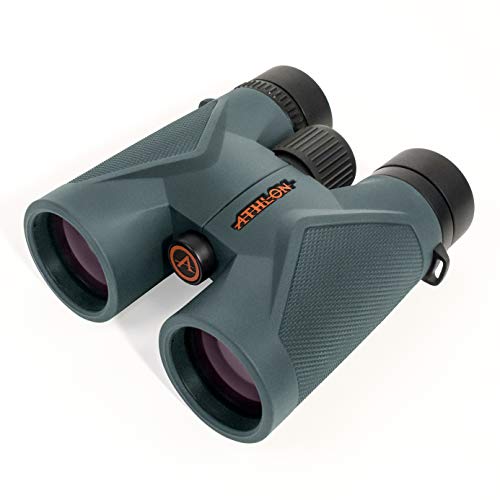
Athlon Optics 8×42 Midas UHD Gray Binoculars
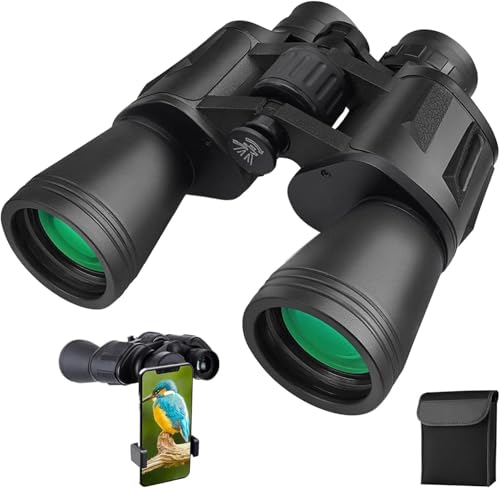
Allenjoy 20×50 High Powered HD Binoculars

Vortex Crossfire HD 10×42 Binoculars

Pankoo 20×55 Binoculars with Phone Adapter

Pankoo 12×60 HD Monocular Telescope
Pankoo 12×60 Monocular with Smartphone Adapter and Tripod
Pankoo 20×55 Waterproof High Powered Binoculars
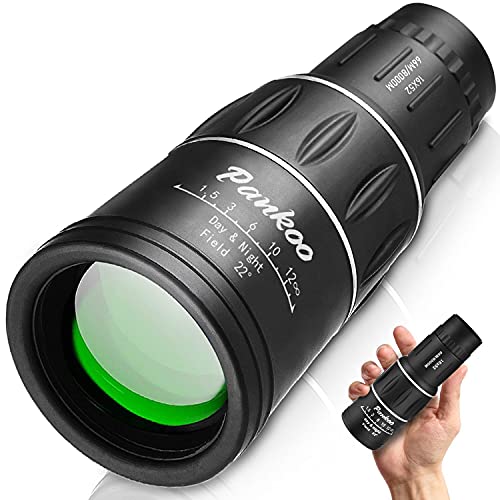
Pankoo 16X52 Compact Monocular with Hand Strap
Inside Each Recommended Option
The Bushnell Trophy XLT sits in that comfortable middle of the binocular world, where 10x magnification meets a 42mm objective lens (the large front glass that gathers light) and nothing about the package feels like a compromise. It’s the kind of binocular that handles a deck railing on a cruise ship as easily as a trail through coastal scrub, which is why it leads off this list. Compared to the heavier, high-magnification picks further down, the Trophy XLT is lighter in the hand and quicker to settle on target.
Owners usually pair it with a separately purchased phone adapter since Bushnell doesn’t bundle one in the box. For most birding and travel scenarios, that 10×42 configuration hits a sweet spot where image stability beats raw zoom, and the waterproof sealed body shrugs off spray and rain.
Points In Its Favor
- Versatile 10×42 format balances reach with a steady handheld image.
- Sealed, weatherproof construction handles marine spray and rain.
- Wide 6.2-degree angle of view makes tracking moving birds easier.
- Long-standing reputation in the birding and hunting community.
- Comfortable enough for hours of casual glassing without arm fatigue.
Things To Consider
- Phone adapter is sold separately, so budget for the add-on.
- Larger than pocketable monoculars, so it wants a neck strap or bag.
Who It Suits Best
Travelers, casual birders, and anyone who wants one binocular that works on a ship deck, a hiking trail, or a stadium seat without specialization.
Look Elsewhere When
You want long-haul magnification for stadium-to-stage distances, where the Pankoo 20×55 Binoculars with Phone Adapter pulls subjects noticeably closer.
Pankoo’s 20×55 is built for the moment when 10x simply doesn’t get you close enough. The 55mm objectives pull in plenty of light, and the doubled magnification turns a distant ridgeline into something you can study feature by feature. If you’ve ever squinted through 10x binoculars at something across a harbor and thought “almost,” this is the step up that closes the gap.
The trade-off shows up in weight and handshake: at 20x, even small tremors get amplified, so a tripod or monopod starts to feel essential for clean photos. For most backyards and casual hikes, the Bushnell Trophy XLT will feel steadier in the hand.
Benefits That Matter
- 20x magnification pulls in detail far beyond standard 10x models.
- 55mm objective lenses gather strong light at dawn and dusk.
- Waterproof housing handles wet field conditions.
- Great fit for long-distance observation and wide-landscape scanning.
Worth Noting
- Higher magnification amplifies handshake, so a tripod helps for photos.
- Heavier than 10x compacts, which adds fatigue on long walks.
Made For
Anyone prioritizing reach over portability, from shoreline scanners to sports spectators seated in the upper decks.
Consider Something Else When
You’d rather carry a single-pocket monocular for short hikes, in which case the Pankoo 12×60 Monocular with Smartphone Adapter and Tripod is a friendlier weight.
The Midas UHD earns its name through a step-up in glass quality: ED (extra-low dispersion) lenses reduce the colored fringing that cheaper optics show around high-contrast edges, like a dark bird against a bright sky. That makes it a quietly special pick for birders and wildlife watchers who care about true-to-life color.
At 8×42, you’re trading some magnification for steadier viewing and a brighter image in low light. For most daylight birding in mixed forest cover, that’s a sensible trade.
What Helps Most
- ED glass delivers cleaner color and reduced chromatic fringing.
- 8x magnification stays steady without a tripod.
- Generous eye relief for glasses wearers.
- Phase-corrected BAK4 prisms (a higher-grade prism glass that improves light transmission) for sharper contrast.
Trade Offs
- Lower magnification means distant subjects stay smaller.
- Phone adapter not included and adds to the total spend.
Best Suited To
Birders, nature observers, and glasses-wearing photographers who want optical refinement over raw zoom.
A Better Fit Elsewhere
If you need to push across open water or stadium distances, the Pankoo 20×55 Binoculars for Adults High Powered will close that gap far better.
Allenjoy’s 20×50 lands in that friendly middle ground where you get serious magnification without crossing into specialty pricing. The combination of BAK4 prisms and fully multi-coated lenses (glass surfaces treated with anti-reflective coatings to boost brightness) keeps the image reasonably bright, which matters when you’re aiming at a sky full of stars or a stage at the far end of a park.
It’s a versatile workhorse: light enough for travel, strong enough for astronomy or a stadium seat, and modest enough on cost to feel like a low-risk first buy.
A Few Highlights
- 20x magnification at an approachable price point.
- BAK4 prisms with FMC coating for solid brightness.
- Wide enough for stargazing, concerts, and travel.
Honest Caveats
- Higher magnification still wants a steady hold or tripod for photos.
- Phone adapter is typically a separate purchase.
- Coatings are good but not in the same tier as ED glass on the Midas UHD.
Who Will Love This
First-time binocular shoppers, casual stargazers, and concert-goers who want reach without specialty pricing.
Reach For A Different Pick When
You want color-accurate optics for serious birding, where the Athlon Optics 8×42 Midas UHD earns its premium.
Vortex’s Crossfire HD is one of those picks that consistently shows up on outdoor recommendation lists, and for good reason: the 10×42 format is right, the optical quality is a clear step above entry-level, and the included GlassPak harness makes it genuinely pleasant to carry on long walks. The harness distributes weight across your shoulders instead of dangling a heavy binocular on your neck.
If you tend to hike or hunt for hours at a stretch, the carrying system alone can change how often you actually stop to glass. Compared to the Bushnell Trophy XLT, the Crossfire leans more toward field sports and rugged outdoor use.
Strong Points
- HD optical system with select glass elements for sharper resolution.
- Included GlassPak harness keeps the binocular close and ready.
- Rugged, rubber-armored body holds up to regular outdoor use.
Points To Note
- Phone adapter is not bundled, so plan to add one separately.
- A bit more spend than basic entry-level 10×42 options.
Perfect Match For
Hunters, hikers, and field naturalists who carry their binocular all day and want it ready at a moment’s notice.
Swap It Out When
Your priority is saving weight and packing light, where the Pankoo 16X52 Compact Monocular slips into a coat pocket instead.
Here’s the pick that solves the most common friction point for new digiscopers: the adapter is in the box. You don’t have to measure eyepiece diameters or wonder if a third-party clamp will fit your specific phone. Pankoo pairs a 20×55 high-power binocular with the digiscoping hardware you actually need.
For a first digiscoping setup, that bundled approach removes the guesswork. The 20×55 optics give you serious reach for outdoor observation, and the FMC green-coated lenses (fully multi-coated optics that boost light transmission) keep images reasonably bright. Owners commonly report that alignment with the phone takes a minute or two of patient tweaking.
The Upside
- Phone adapter ships in the box, ready for digiscoping out of the package.
- 20×55 configuration reaches distant subjects comfortably.
- FMC coating and BAK4 prisms for clean, bright images.
Minor Gripes
- At 20x, even a slight tremor affects photo sharpness.
- Adapter clamps occasionally need re-tightening mid-session.
Right Fit For
Beginners stepping into digiscoping who want a complete starter kit without hunting down compatible accessories.
Not Your Match When
You want ED-grade color accuracy for serious birding, where the Athlon Optics 8×42 Midas UHD is the smarter buy.
Switching from binoculars to a monocular is a real shift in how you carry optics around. The Pankoo 12×60 collapses into a single tube that fits where a binocular won’t, which is the whole point of this category. You lose depth perception (both eyes working together), but you gain portability, and for many travel and birding scenarios that’s a fair swap.
The 60mm objective pulls in more light than typical compact monoculars, so dawn and dusk viewing stays usable. You’ll likely pair this with a separate phone adapter, since the listing focuses on the optic itself.
Where It Delivers
- 60mm objective gathers strong light for a compact monocular.
- Single-eye format keeps the kit small and packable.
- BAK4 prism and FMC lens coatings for clean color rendering.
A Few Limitations
- No bundled phone adapter in this listing.
- Single-eye use takes adjustment if you’re used to binoculars.
Built With In Mind
Hikers, travelers, and concert-goers who want maximum reach from minimum bulk.
Another Choice May Suit
If you want both the optic and the adapter in one purchase, the Pankoo 12×60 Monocular with Smartphone Adapter and Tripod is the more complete kit.
This is the digiscoping kit in full uniform: monocular, smartphone adapter, tripod, and a portable bag, all in the box. The tripod is the unsung hero here, because at 12x and beyond, any minor wobble shows up as blur in your photos. With the tripod mounted, you can capture sharp images that a handheld setup simply can’t match.
The 25mm eyepiece and 60mm objective create a wide field of view, which helps when you’re tracking a moving subject or composing a scene. Owners commonly report that the kit feels complete from day one, with no extra shopping required.
Bright Spots
- Adapter, tripod, and carry bag all included.
- Tripod stabilizes photos at 12x magnification.
- BAK4 prism and FMC lens coatings for accurate color.
- Wide field of view helps track moving subjects.
Soft Spots
- Tripod adds bulk to an otherwise portable setup.
- Tripod plate alignment takes a few minutes the first time.
Whose Shelf It Belongs On
Anyone wanting a one-purchase digiscoping setup, especially for birding, travel, and stable handheld shooting.
Where A Sibling Pick Shines
For maximum magnification in a binocular form factor, the Pankoo 20×55 Binoculars with Phone Adapter trades the tripod for stronger reach.
This Pankoo 20×55 leans hard into weatherproofing, with sealed construction designed for damp decks, sudden rain, and splash-prone environments. If your binocular tends to live near water, the sealed body is the kind of detail that pays off over years of use.
Optically, it shares the 20×55 high-power formula with the brand’s siblings, including BAK4 roof prisms and FMC multi-coated optics. The waterproofing is the differentiator, and the reason it earns its spot here.
Everyday Perks
- Sealed waterproof body for marine and wet-weather use.
- 20x magnification reaches far subjects confidently.
- BAK4 roof prisms for solid light transmission.
Possible Compromises
- Phone adapter not bundled, so add it to your budget.
- Heavier than compact monoculars, so it wants a strap or harness.
Who Should Grab It
Boaters, shoreline birders, and outdoor enthusiasts who regularly encounter spray, rain, or humidity.
Skip It When
Your adventures stay dry and you prefer a smaller, pocket-friendly form, where the Pankoo 16X52 Compact Monocular is the lighter carry.
Compact monoculars live in that sweet spot where you stop debating whether to bring optics and just slip one in your pocket. The Pankoo 16X52 is small enough to live in a jacket or backpack, with a hand strap that makes one-handed use natural. For hiking, casual wildlife watching, or giving as a gift, it’s hard to overstate how much convenience comes from size.
The waterproof, fog-proof, and shockproof construction is reassuring for outdoor use, and the 16×52 configuration gives meaningful reach for such a compact body. You’ll pair it with a separate phone adapter for digiscoping.
Everyday Advantages
- Pocketable single-tube format for everyday carry.
- Waterproof, fog-proof, and shockproof build.
- Hand strap included for secure one-handed use.
Less Ideal Details
- Single-eye format takes adjustment for binocular users.
- Phone adapter sold separately for digiscoping.
The Right Fit
Beginners, casual hikers, and gift-givers looking for an approachable first optic that won’t weigh anyone down.
Where Another Pick Suits Better
If you want both eyes working and a complete digiscoping kit in one box, the Pankoo 12×60 Monocular with Smartphone Adapter and Tripod is the more comprehensive choice.
Picking The Right Pair For Your Adventures
Choosing binoculars with a phone adapter comes down to three honest questions: how far do you need to see, how much weight will you actually carry, and whether the adapter ships in the box or needs to be tracked down separately.
Magnification and objective lens size work together. The first number (like 10x or 20x) tells you how much closer the optic makes subjects appear, while the second number (like 42mm or 55mm) is the diameter of the front lens that gathers light. Higher magnification pulls distant subjects closer, but amplifies hand shake and usually demands a tripod for sharp photos. Larger objective lenses brighten the image, especially at dawn or dusk, but add weight. A 10×42 configuration is the classic balance for travel and birding, while a 20×55 setup trades steadiness for reach.
Format: Binoculars Versus Monocular
Binoculars use both eyes, which feels more natural and adds depth perception. They’re better for long viewing sessions and detailed subjects like birds. Monoculars collapse to roughly half the size and slip into pockets, making them easier to carry but less comfortable for extended use. Travelers and hikers often prefer monoculars for convenience, while dedicated birders usually lean toward binoculars.
Adapter Compatibility And Build
Phone adapters clamp around the eyepiece and hold your phone’s camera centered over the optic. Make sure the adapter fits your eyepiece diameter, and check that your phone case doesn’t prevent a snug fit. Coatings matter too: FMC (fully multi-coated) lenses and BAK4 prisms (a premium optical glass) consistently produce brighter, sharper images than uncoated alternatives, and they’re worth seeking out at any price point.
Matching The Pick To The Reader
For casual birding and travel, a 10×42 binocular like the Bushnell Trophy XLT or Vortex Crossfire HD covers most scenarios. For stadium seats, astronomy, or shore scanning, the higher-power Pankoo 20×55 options earn their reach. For pure portability, the compact monoculars keep weight low and convenience high.
Key Considerations Across These Picks
Common Shopping Slip Ups
The most common misstep is choosing the highest magnification on the shelf without thinking about stability. A 20x binocular on a shaky hand produces blur, and without a tripod, the photos you take through it won’t look any better than a steadier 10x image. The second pitfall is forgetting the adapter: many binoculars ship without one, so the apparent bargain turns into a separate purchase. Check what’s in the box before deciding.
What Separates Premium From Basic
Premium-tier binoculars earn their higher cost through optical glass, particularly ED (extra-low dispersion) lenses that reduce color fringing around high-contrast edges. They also tend to feature better prism materials, more durable housings, and more generous eye relief for glasses wearers. For casual weekend use, mid-tier options deliver plenty of performance. The upgrade pays off most when color accuracy, low-light clarity, or all-day comfort matter to you.
Frequently Asked Questions
Do phone adapters fit any binocular?
Most adapters are adjustable and fit a wide range of eyepiece diameters, though very large or unusually shaped eyepieces can be a poor match. Measure your binocular’s outer eyepiece diameter before buying, and check whether your phone case will sit inside the clamp.
Is higher magnification always better?
Not really. Magnification amplifies both detail and hand shake, so beyond roughly 12x without a tripod, image sharpness tends to suffer. A steady 10x image often looks better than a shaky 20x one, especially when photographing through the optic.
Can I use these binoculars for stargazing?
Yes, with caveats. Binoculars gather more light than the naked eye and reveal craters on the moon, the moons of Jupiter, and bright star clusters. For deep-sky objects, larger objective lenses (50mm and up) help, and a tripod becomes more important at higher magnifications.
How do I keep my binocular clean?
A soft brush or microfiber cloth handles routine dust and fingerprints. Avoid household glass cleaners, which can damage anti-reflective coatings. A rubber-bristled air blower works well for grit in crevices, and a padded case prevents scratches during transport.
What does ED glass actually do?
ED (extra-low dispersion) glass reduces the colored fringing that appears around high-contrast edges, like a dark branch against a bright sky. The result is cleaner color, sharper edges, and a more natural-looking view, especially noticeable in birding and wildlife observation.
The Takeaway
The right pick depends less on specs and more on how you’ll actually carry and use the optic. Travelers and birders gravitate toward steady 10×42 binoculars, while stadium spectators and stargazers benefit from higher-power 20x options. For pure convenience, compact monoculars disappear into a pocket. Start with the use case, then match the format to your real-world adventures, and the choice usually makes itself.