A bird perched across a marsh rarely sits still, and a songbird in canopy cover never does. Getting a frame that fills the sensor without turning it into a soft smear usually comes down to reach, stabilization, and how quickly autofocus locks on something moving through branches. This roundup lines up ten telephoto and super-telephoto lenses that suit birding in different environments, from backyards and travel to dedicated wildlife hides.
A Closer Look At The Lineup

Canon RF100-500mm F4.5-7.1 L is USM Super-Telephoto Zoom Lens

Canon EF 75-300mm f/4-5.6 III Telephoto Zoom Lens (Renewed)
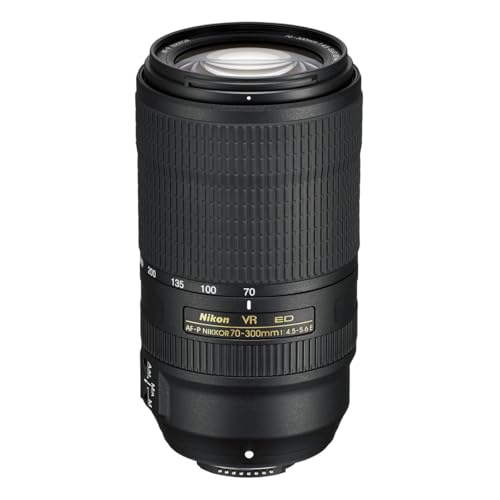
Nikon AF-P NIKKOR 70-300mm f/4.5-5.6E ED VR

Tamron SP 150-600mm F/5-6.3 Di VC USD G2 (Nikon)

Fujinon XF100-400mm F4.5-5.6 R LM OIS WR

Canon RF200-800mm F6.3-9 IS USM Super-Telephoto Zoom

Sony 200-600mm f/5.6-6.3 G OSS E-Mount

Sigma 150-600mm 5-6.3 Contemporary DG OS HSM (Canon)
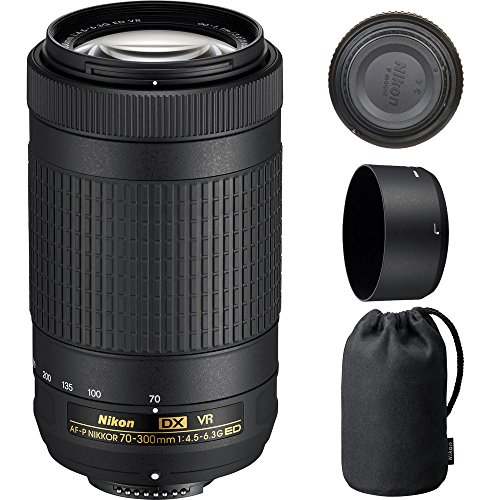
Nikon 70-300mm f/4.5-6.3G VR DX AF-P ED (Renewed)

Nikon 70-300mm f/4.5-5.6G ED IF AF-S VR (Renewed)
A Closer Look At Each Pick
Built for Canon’s EOS R mirrorless system, this zoom covers a wide range that suits everything from backyard feeders to distant raptors. Optical Image Stabilization helps steady handheld frames at the long end, while the dual Nano USM (Ultrasonic Silent Motor) autofocus aims to lock on quickly and quietly, an asset when birds are easily spooked.
The white L-series barrel signals weather sealing and rugged build, though that protection adds weight worth considering on long walks. Compared with the older EF-mount entry that follows, this lens trades the lighter body for reach and modern stabilization that actually helps in low morning light.
Everyday Perks
- Wide 100-500mm range covers songbirds through raptors without swapping glass
- Optical stabilization helps when shooting handheld from a blind at slow shutter speeds
- Weather-sealed construction handles damp mornings and dusty trails
- Compatible with Canon RF teleconverters for extending reach when needed
Things To Consider
- Variable maximum aperture narrows at longer focal lengths, so dim light forces higher ISO
- Heavier than entry-level zooms, which may tire the arm during long handheld sessions
Feature Snapshot
Made For
Mirrorless Canon shooters who want one lens for travel and serious backyard birding without frequent swaps.
Consider Something Else When
Full-frame Nikon DSLR users should look at the Tamron SP 150-600mm F/5-6.3 Di VC USD G2 instead for a longer reach at a manageable size.
A long-running Canon EF-mount telephoto offered here as a renewed option, meaning it has been inspected and cleaned by a refurbisher. The DC autofocus motor is modest by mirrorless standards, but on a Canon DSLR body it gets the job done for feeder birds and casual outdoor use. Weight is light enough for relaxed walks around local parks.
There is no optical stabilization, so a steady hand or a monopod makes a real difference at the long end. The 75-300mm range is the classic starter telephoto for birders stepping up from a kit zoom, and on APS-C bodies the field of view feels generous for songbirds.
Benefits That Matter
- Affordable entry point into telephoto birding on Canon DSLRs
- Light enough to carry on long walks or travel days
- 58mm filter thread accepts common accessories
Honest Caveats
- No image stabilization makes handheld shooting at 300mm challenging in low light
- Plastic mount and build feel less durable than L-series glass
- Renewed condition means cosmetic wear may be present
Right Fit For
Beginners with Canon DSLR bodies who want an inexpensive first telephoto for casual backyard or park birding.
Reach For A Different Pick When
Anyone needing longer reach for waterfowl or shorebirds should look at the Canon RF200-800mm F6.3-9 IS USM instead.
A full-frame Nikon telephoto built around a stepping motor (AF-P) that delivers quiet, swift autofocus, a real plus when recording video or trying not to startle perched birds. Vibration Reduction keeps handheld shots steady enough for songbirds in low light, and the lens pairs well with both FX and DX bodies.
Unlike the older screw-drive AF-S telephotos, this one uses internal focusing, meaning the front element does not rotate during focus, which keeps polarizing filters aligned. The E designation notes an electronic aperture diaphragm, which gives smoother exposure transitions during video.
Strong Points
- Near-silent stepping motor suits birding and video capture alike
- Vibration Reduction steadies handheld shots at slow shutter speeds
- ED glass (Extra-low Dispersion) helps reduce color fringing around high-contrast branches
Trade Offs
- Older Nikon bodies may not fully support AF-P functionality
- Variable aperture narrows significantly at 300mm
- Not as much reach as 600mm zooms for skittish waterfowl
Quick Facts
Who Will Love This
Full-frame Nikon DSLR shooters who want a versatile mid-range telephoto that handles both stills and quiet video of perched birds.
Look Elsewhere When
Wildlife shooters chasing birds at long distances should consider the Nikon AF-P NIKKOR 70-300mm f/4.5-5.6E ED VR, or step up to the Tamron SP 150-600mm G2 for greater reach.
The second-generation Tamron super-telephoto brings a flexible zoom lock, faster autofocus, and improved Vibration Compensation rated up to 4.5 stops. The 150-600mm range is the sweet spot for serious birding, covering everything from perched songbirds to soaring raptors, while the optical construction of 21 elements in 13 groups aims for sharp images throughout the range.
The Arca-Swiss compatible tripod collar is a thoughtful touch for tripod users, though most will handhold at the wide end and switch to a monopod or tripod at 600mm. Compared with the older Sigma 150-600mm Contemporary that follows, this Tamron adds weather sealing and a fluorine coating on the front element, useful for rain or spray.
Features That Help
- Flex Zoom Lock lets you secure the zoom at any focal length
- Fluorine coating repels water and smudges from the front element
- Improved moisture-resistant construction handles field conditions
- Tripod mount works with common quick-release plates
Softer Spots
- Heavy at full extension, so a monopod or tripod is wise at the long end
- Larger filter thread means pricier filters
Best Suited To
Wildlife birders with Nikon DSLRs who want professional-level reach and weather sealing for long days in the field.
A Better Fit Elsewhere
Sony mirrorless shooters should consider the Sony 200-600mm f/5.6-6.3 G OSS instead for internal zoom and lighter carrying weight.
Designed for Fujifilm X-series mirrorless bodies, this zoom covers a 35mm-equivalent reach of about 152-609mm, which is plenty for warblers in canopy cover or raptors across open meadows. The optical design uses five ED (Extra-low Dispersion) elements plus a Super ED element to control color fringing common in telephoto glass.
Optical Image Stabilization rated at 5 stops helps steady handheld shots when light fades. The lens’s weather-resistant build pairs well with Fuji’s WR camera bodies for damp dawns, and the linear stepping motor keeps autofocus quiet and quick.
Where It Excels
- Long 100-400mm range paired with Fuji’s 1.5x crop factor gives generous effective reach
- Strong image stabilization rated up to 5 stops
- Weather-sealed construction matches Fuji’s WR camera bodies
- ED and Super ED glass minimize chromatic aberration (color fringing)
Things To Weigh
- Heavier than shorter Fuji zooms, which matters on long treks
- Variable f/4.5-5.6 aperture is modest in dim canopy light
- Brand-specific mount limits cross-system flexibility
Whose Shelf It Belongs On
Fujifilm X-series shooters who want a dedicated wildlife zoom that complements their mirrorless kit for travel and field outings.
Skip It When
Canon or Nikon DSLR users should consider the Tamron SP 150-600mm G2 or Sigma 150-600mm Contemporary instead, since mount compatibility matters here.
An unusually long zoom for a mirrorless system that remains handheld-friendly at roughly 4.5 pounds, making it a standout for birders who do not want to lug a tripod. Image Stabilization rated up to 5.5 stops helps steady frames at the 800mm end, and the wide zoom range covers situations where moving closer is not an option.
The variable f/6.3-9 aperture is the trade-off for that reach and weight class, so this lens performs best in good light or on bodies with strong high-ISO output. Compared with the RF100-500mm that opens this lineup, this lens doubles the maximum reach for distant waterfowl and shorebirds.
Real Benefits
- 800mm reach fills the frame for distant or skittish species
- Image Stabilization rated up to 5.5 stops helps handheld shooting
- Light enough to handhold compared with traditional 800mm primes (fixed-focal-length lenses)
- Designed specifically for Canon’s RF mirrorless mount
Room For Improvement
- f/9 aperture at the long end demands bright conditions or higher ISO
- No tripod collar included for steady long sessions
- Larger front element requires bigger, more expensive filters
Built With In Mind
Canon mirrorless birders who prioritize extreme reach and are comfortable working with high ISO in dim conditions.
Swap It Out When
Sony shooters should look at the Sony 200-600mm f/5.6-6.3 G OSS instead, since the brighter aperture at the long end helps in low light.
A long zoom from Sony’s G-series line, built for E-mount mirrorless bodies and aimed at wildlife, sports, and nature shooters. The internal zoom design means the lens does not extend when zooming, which helps with balance and keeps the weather sealing intact during quick focal-length changes in the field.
Optical design includes five ED (Extra-low Dispersion) glass elements plus one aspherical element to control distortion and chromatic aberration, with Nano AR Coating to cut flare (unwanted bright streaks) and ghosting. Compared with the Canon RF200-800mm covered earlier, this lens offers a brighter aperture at the long end, trading maximum reach for better low-light performance.
Points In Its Favor
- Internal zoom keeps balance and weather sealing consistent at all focal lengths
- ED and aspherical glass deliver sharp images throughout the zoom range
- Compatible with Sony teleconverters for up to 1200mm equivalent reach
- Sony Nano AR Coating reduces flare and ghosting in backlit scenes
Points To Keep In Mind
- Heavier than shorter zooms, so a monopod helps on long walks
- Maximum reach is 600mm, less than the 800mm option from Canon RF
Who Should Grab It
Sony mirrorless birders who want a sharp, weather-friendly zoom for travel and extended field sessions.
Another Choice May Suit
Canon mirrorless users should consider the Canon RF200-800mm F6.3-9 IS USM instead if they need that extra reach beyond 600mm.
The Sigma Contemporary 150-600mm has earned a reputation as a reliable long-zoom workhorse for Canon DSLR shooters. Optical Stabilization helps steady handheld shots, and the Hyper Sonic Motor (HSM) keeps autofocus responsive. A water- and oil-repellent coating on the front element makes wiping off rain or spray straightforward during field use.
The 95mm filter thread and minimum focusing distance of 280cm are practical details to plan around. Compared with the Tamron G2 listed earlier, this Sigma keeps weight and price lower, though it lacks the fluorine coating and improved weather sealing of the newer Tamron.
Real-World Strengths
- Long 150-600mm range covers most backyard to distant wildlife scenarios
- Optical Stabilization helps with handheld shooting at the long end
- Water- and oil-repellent front coating simplifies cleaning
- More affordable than Tamron’s G2 or premium Canon options
Trade Offs
- Heavier than shorter zooms, which matters on long treks
- Weather sealing is less robust than the Tamron G2
Product Snapshot
The Right Fit
Canon DSLR birders who want a proven long-zoom lens without paying premium prices for flagship alternatives.
Where A Sibling Pick Shines
Anyone wanting better weather sealing and faster AF should consider the Tamron SP 150-600mm F/5-6.3 Di VC USD G2 instead.
A lightweight telephoto designed for Nikon DX-format (crop-sensor) DSLR bodies, where the 70-300mm focal length translates to about 105-450mm equivalent. The AF-P stepping motor runs quietly and quickly, an asset when recording video of perched birds or trying not to disturb them.
Vibration Reduction helps steady handheld frames, and the retractable design makes the lens compact for travel. Compared with the full-frame Nikon telephoto that follows, this DX lens is lighter and more portable, though it does not cover the full image circle on FX bodies.
The Value In It
- Lightweight build suits travel and long walks
- Quiet stepping motor helps with video and skittish subjects
- VR (Vibration Reduction) helps steady handheld shots at slow shutter speeds
- ED glass element reduces color fringing
Less-Strong Areas
- DX mount means vignetting on full-frame bodies
- Renewed condition may include cosmetic wear
- Variable aperture narrows at the long end
Perfect Match For
Travelers with Nikon DX-format DSLR bodies who want a portable telephoto for casual birding and outdoor trips.
Not Your Match When
Full-frame Nikon FX shooters should consider the Nikon 70-300mm f/4.5-5.6G ED IF AF-S VR instead, which is built for full-frame sensors.
A full-frame Nikon telephoto offered as a renewed option, balancing reach and weight for FX shooters on a sensible budget. Vibration Reduction helps steady handheld frames, and the AF-S (Auto Focus Silent Wave Motor) drive is compatible with a wide range of Nikon DSLR bodies, including older models that do not support AF-P stepping motors.
ED glass reduces color fringing, while Internal Focusing means the front element does not rotate, keeping polarizing filters aligned. Compared with the DX-format lens covered just before, this one covers the full image circle on FX bodies.
The Good Stuff
- Full-frame coverage suits FX Nikon bodies
- VR helps steady handheld shots in moderate light
- Internal Focusing keeps filters aligned during focus changes
- Renewed option offers savings over new pricing
Practical Considerations
- Renewed condition means cosmetic wear is possible
- AF-S motor is slightly louder than newer stepping-motor designs
- Modest reach compared with 600mm super-telephotos
Who It Suits Best
Full-frame Nikon DSLR shooters who want a versatile mid-range telephoto at a friendlier price point.
Where Another Pick Suits Better
Wildlife photographers needing much longer reach should consider the Tamron SP 150-600mm F/5-6.3 Di VC USD G2 instead for serious distance work.
What Matters Most Before Choosing Birding Camera Lens
Reach always matters, but how much you actually use it depends on where you shoot. Backyard feeder setups rarely need more than 300mm, while wetland birding from a hide almost always pushes past 500mm. Aperture matters too: a brighter f/4 or f/5 maximum aperture gathers more light, which helps in dawn and dusk conditions but usually means a heavier lens.
Stabilization (Optical Image Stabilization, Vibration Reduction, or SteadyShot, depending on brand) is worth weighing heavily if you plan to shoot handheld. A monopod or tripod becomes essential at 600mm and beyond, since even tiny movements look magnified at that focal length. Autofocus motor type matters for video and quiet moments: stepping motors (AF-P, STM) run nearly silent, while older ultrasonic motors (AF-S, USM, HSM) are reliable but slightly louder.
Weight and weather sealing round out the practical concerns. A 4.5-pound super-telephoto is manageable on a tripod, but a half-day hike with one will wear you out, especially on full-frame bodies that balance best with heavier glass.
Key Considerations Across These Picks
Common Shopping Slip Ups
The most common trap is buying more reach than your camera body can use effectively. A 600mm lens on a dense pixel array (a sensor with many tightly packed megapixels) may outperform the same lens on a body with lower pixel density, since the smaller pixels resolve finer detail. Another misstep is overlooking mount compatibility, since a Canon EF lens does not fit a Sony mirrorless body without an adapter, and adapted lenses sometimes lose autofocus speed.
Where The Extra Money Goes
Premium telephotos cost more because of optical designs with specialized glass like ED (Extra-low Dispersion), Super ED, or fluorite elements that reduce chromatic aberration (color fringing around high-contrast edges). They also tend to have wider maximum apertures, faster and quieter autofocus motors, and tougher weather sealing for harsh conditions. Whether the upgrade is worth it depends on how often you shoot in tough light or wet weather, and how much reach and image quality matter for your specific birding goals.
Frequently Asked Questions
What focal length works best for backyard birding?
Most backyard birders find 300-400mm is enough reach for feeders and perched songbirds. Anything longer is helpful when birds stay high in canopy cover.
Do I need image stabilization for birding?
Stabilization helps a lot at slow shutter speeds, especially with longer focal lengths. A monopod or tripod can substitute, but built-in stabilization adds flexibility for handheld shooting.
What is the difference between ED and Super ED glass?
ED (Extra-low Dispersion) glass reduces color fringing, while Super ED glass handles it even more aggressively. Both improve sharpness and contrast in telephoto images.
Can I use a 150-600mm lens on a crop-sensor body?
Yes, the lens still works, but the effective focal length increases because the smaller sensor captures a narrower field of view, so a 600mm becomes roughly 900mm equivalent on an APS-C body.
Are renewed telephoto lenses worth considering?
Renewed lenses from reputable refurbishers are inspected and tested, so they often work like new at a lower cost. The savings can be meaningful, though cosmetic wear and shorter remaining warranties are worth weighing.
The Takeaway
The right birding camera lens comes down to the reach your subjects demand, the weight you can comfortably carry, and the mount that fits your camera body. Longer zooms give you more flexibility, but stabilization, autofocus speed, and weather sealing often matter just as much once you are out in the field. Pick the lens that matches where and how you actually shoot, and the birding will follow.