Mirrorless cameras have quietly become the most sensible way to step up from a smartphone. You get bigger sensors, swappable lenses, and image quality that holds up to serious editing, often without the bulk of older SLR designs.
The challenge is sorting the budget-friendly crop from the genuinely underwhelming ones. This list walks through ten solid mirrorless options that balance cost, image quality, and everyday usability, so you can match a body to the kind of shooting you actually do.
A Side-By-Side Look

Fujifilm X-T30 Mirrorless Digital Camera w/XF18-55mm

Canon EOS R6 Full-Frame Mirrorless Camera with 4K Video
Sony Alpha a6400 APS-C Mirrorless Camera Body 4K

Canon EOS M6 Mark II Mirrorless Camera for Vlogging

Sony a7R III Mirrorless Camera 42.4MP Full Frame

Canon EOS R7 Mirrorless Camera Body Only 32.5MP
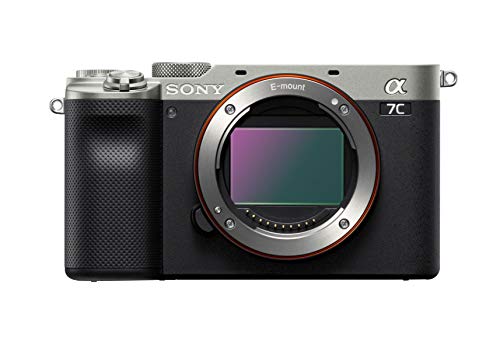
Sony Alpha 7C Full-Frame Mirrorless Camera Silver
Sony Alpha A6100 Mirrorless Camera with 16-50mm Lens
Canon EOS R8 Mirrorless Camera Body Full-Frame

Sony Alpha a6700 APS-C Mirrorless Camera with 16-50mm Lens
The Details Behind The Selections
The X-T30 is the camera that pulled a lot of photographers into the mirrorless world, and it still holds up for everyday shooting. Its compact body, physical dials, and 26.1MP APS-C sensor give you serious image quality in a package that fits in a small shoulder bag. Compared to the bulkier EOS R6 listed below, this one trades full-frame depth for a lighter carry and a more retro handling feel.
You get access to Fujifilm’s film simulation profiles, which let you apply classic looks straight out of camera without editing later. For street photography or travel days where you don’t want to fuss with software, that feature alone justifies a serious look. Depending on your preferred shooting style, you may find the smaller grip less comfortable during long handheld sessions.
A Favorable Mix
- 26.1MP APS-C sensor delivers sharp stills with plenty of cropping room.
- Physical shutter speed and exposure dials make manual shooting fast and tactile.
- Film simulation modes produce ready-to-share JPEGs straight from the body.
- XF18-55mm kit lens covers a useful wide-to-short-tele range out of the box.
Worth Bearing In Mind
- The small grip may feel cramped for photographers with larger hands.
- Battery life is modest, so packing a spare is wise on long outing days.
- No in-body image stabilization, relying instead on stabilized lenses.
Built With In Mind
Travelers and street photographers who want a light body with manual dials and great color science.
A Better Fit Elsewhere
Runners logging long distances on trails should consider the Sony a6400 for its deeper grip and faster burst rate.
The EOS R6 is the workhorse option for shooters who want full-frame image quality without stepping into flagship pricing. It pairs a full-frame sensor with the DIGIC X processor, giving you clean files at higher ISO values and rapid autofocus that locks onto eyes and faces reliably. Compared to the Fujifilm X-T30 above, this one is a bigger and heavier body, but the tradeoff is faster burst rates and stronger low-light performance.
Dual UHS-II card slots help when you’re shooting weddings, events, or long bursts where backup matters. Up to 12fps with the mechanical shutter makes it a credible option for sports, and up to 20fps with the electronic shutter covers the truly fast moments. For most hybrid creators, that combination of stills and 4K video is hard to beat at this tier.
Useful Touches
- Full-frame sensor produces shallower depth of field and cleaner high-ISO images.
- Eye and face detection locks onto subjects reliably for portraits and events.
- Dual UHS-II slots let you shoot with instant backup on the second card.
- 12fps mechanical burst, with up to 20fps electronic, handles fast-moving subjects.
- 4K video recording supports hybrid photo-and-video creators.
Where It May Fall Short
- RF lens ecosystem tends to cost more than older EF or third-party alternatives.
- Body weight is noticeable on all-day handheld shoots.
- 4K recording can generate heat in warm conditions, limiting clip length.
Feature Snapshot
Right Fit For
Event photographers and serious enthusiasts who shoot fast action and want full-frame image quality.
Skip It When
Casual travelers who want a smaller carry should look at the Sony Alpha 7C for similar full-frame quality in a lighter body.
The a6400 became a favorite of vloggers and hybrid creators for good reason. Sony packed real-time eye autofocus, a flip-up screen, and 4K video into a small APS-C body that handles well one-handed. Unlike the full-frame Canon EOS R6 above, this camera keeps the price and weight in a more accessible range.
With 425 phase-detection points covering most of the sensor, the autofocus sticks to moving subjects in a way that older mirrorless cameras just can’t match. The body is small enough to take on a casual outing but has a deep grip that feels secure. Depending on your typical lighting conditions, you may want to pair it with a fast prime lens for the cleanest low-light results.
Strengths Worth Knowing
- Real-time eye AF tracks people and animals with minimal setup.
- Flip-up screen makes framing yourself for video straightforward.
- 4K video oversampled from 6K provides sharp footage for YouTube work.
- Compact body with a deeper-than-expected grip for one-handed shooting.
Trade-Offs To Consider
- No in-body stabilization means relying on stabilized lenses for video.
- Menu system is dense and takes time to learn.
- Screen does not flip to the side, limiting self-recording angles.
Whose Shelf It Belongs On
Vloggers and content creators who want reliable autofocus and 4K in a portable body.
Another Choice May Suit
Photographers focused on still landscapes should look at the Sony a7R III for higher resolution and in-body stabilization.
The EOS M6 Mark II takes a different path than the larger Canon EOS R6 listed earlier. It uses the smaller EF-M mount, but packs a 32.5MP APS-C sensor into a body that genuinely fits in a jacket pocket with the right lens attached. For travelers who don’t want a heavy kit, that portability is the headline feature.
Dual Pixel autofocus is dependable for both stills and video, and the tilting screen helps with waist-level framing and casual vlogging. Wi-Fi and Bluetooth handle quick phone transfers when you want to share on the go. One thing worth considering is that the EF-M lens ecosystem is smaller than Canon’s RF mount, so long-term lens choices may feel more limited.
Notable Gains
- 32.5MP sensor resolves lots of detail for cropping and large prints.
- Tilting screen supports creative angles and self-recording.
- Dual Pixel AF performs well for video and live-view shooting.
- Built-in Wi-Fi and Bluetooth simplify phone transfers.
Practical Considerations
- EF-M lens lineup is smaller than Canon’s RF system.
- No viewfinder on the base model, which can matter in bright sun.
- Battery life drains faster with heavy Wi-Fi use.
Feature Rundown
Who Will Love This
Travelers and casual creators who want a compact body with serious still-image resolution.
Reach For A Different Pick When
Anyone planning to grow into a deeper lens collection should look at the Canon EOS R7 for access to the RF ecosystem.
The a7R III is the resolution pick of this roundup. Its 42.4MP full-frame sensor, paired with a front-end LSI and the BIONZ X processor, captures the kind of detail that holds up to heavy cropping and large prints. Compared to the smaller Sony a6400 above, this body is larger but trades that bulk for serious image quality and a deeper grip.
Continuous shooting at up to 10fps with full autofocus tracking is impressive for a high-resolution body, and 4K HDR video is a quiet bonus for hybrid work. The dynamic range is wide enough to recover shadows and highlights in post, which matters for landscape and architectural shooters. Owners commonly report the larger file sizes demand faster memory cards and more storage planning.
Real Benefits
- 42.4MP full-frame sensor delivers excellent cropping and print flexibility.
- Wide dynamic range allows meaningful shadow and highlight recovery.
- 10fps with full AF tracking keeps high-resolution bodies relevant for action.
- 4K HDR video recording supports hybrid stills-and-video workflows.
- Weather-sealed body holds up in tougher shooting environments.
Some Limits To Know
- Large RAW files fill memory cards quickly during long shoots.
- Body weight is substantial for long handheld sessions.
- Menu system is deep and rewards patient exploration.
Key Product Details
Who Should Grab It
Landscape, architectural, and studio photographers who prioritize detail and dynamic range.
Look Elsewhere When
Run-and-gun video creators will find the Sony Alpha 7C a smaller, more travel-friendly full-frame option.
The EOS R7 marks Canon’s serious entry into the enthusiast APS-C mirrorless space. It uses the RF mount, giving you access to a modern lens ecosystem, and pairs a 32.5MP APS-C sensor with the DIGIC X processor for fast image handling. For sports and wildlife shooters, the headline is 15fps continuous shooting with autofocus that stays locked.
Compared to the smaller EOS M6 Mark II above, the R7 has a deeper grip, dual card slots, and in-body image stabilization. The trade-off is a larger body, but the benefit is professional-leaning ergonomics. Depending on the lenses you already own, switching to RF may require an adapter for any older glass.
Features That Help
- 15fps continuous shooting with reliable autofocus for sports and wildlife.
- In-body image stabilization helps handheld video and low-light stills.
- Dual SD card slots support backup workflows for important sessions.
- RF mount opens access to Canon’s modern lens roadmap.
- 4K 60p video suits hybrid content creators.
Points To Keep In Mind
- APS-C sensor crops the field of view, which changes lens behavior.
- RF lenses tend to cost more than older EF-M options.
- Body is larger than entry-level Canons.
Perfect Match For
Wildlife and sports shooters who want fast burst rates and modern autofocus in an APS-C body.
Consider Something Else When
Travelers focused on weight savings should consider the Sony Alpha 7C for full-frame quality in a smaller package.
The Alpha 7C was Sony’s answer to photographers who wanted full-frame quality without committing to a bulky body. It packs a 24.2MP full-frame sensor, 5-axis in-body stabilization, and a flip-out LCD into the smallest full-frame body in its class. Compared to the larger Sony a7R III listed earlier, the 7C trades some resolution and burst speed for genuine portability.
The flip-out screen makes vlogging and self-recording much easier, and the silver finish gives it a different look from the typical black camera crowd. Owners commonly appreciate how it slips into smaller camera bags without sacrificing image quality. You may find the smaller viewfinder less comfortable for extended eye-level shooting compared to larger bodies.
Well-Handled Touches
- Compact full-frame body fits travel kits and small bags.
- 5-axis in-body stabilization helps handheld stills and video.
- Flip-out LCD simplifies vlogging and creative angles.
- Real-time autofocus tracks subjects reliably for stills and video.
Smaller Limitations
- Smaller viewfinder can feel cramped during long eye-level sessions.
- Burst rate is modest compared to dedicated sports bodies.
- Single SD slot limits in-camera backup options.
Made For
Travelers and vloggers who want full-frame quality in the smallest possible body.
Where Another Pick Suits Better
Studio shooters needing higher resolution should consider the Sony a7R III instead.
The A6100 is the entry point into Sony’s APS-C mirrorless lineup, and it arrives with a kit lens so you can start shooting right out of the box. You get a 24.2MP sensor, real-time eye autofocus, and 4K video in a body that fits easily in a small bag. Compared to the pricier Sony a6400 above, the A6100 trims some advanced video features while keeping the core autofocus system intact.
The included 16-50mm power zoom is a versatile starter lens for everyday shooting, from wide landscapes to short portraits. The flip-up screen makes solo framing easier, which matters for new content creators. For beginners on a tighter budget, this is one of the most approachable ways to get into interchangeable-lens photography.
Everyday Perks
- 24.2MP APS-C sensor produces sharp images for everyday shooting.
- Real-time eye autofocus works for both people and animals.
- Kit lens covers a useful zoom range from wide to short telephoto.
- Lightweight body suits travel and casual outings.
A Few Limitations
- No in-body stabilization means steadier hands or stabilized lenses help.
- Plastic-heavy build feels less premium than higher-tier Sonys.
- Menu system still requires patience to learn fully.
Quick Facts
Best Suited To
Beginners and budget-focused shooters who want a complete kit to start shooting immediately.
Swap It Out When
Vloggers needing more advanced video features should look at the Sony a6700 instead.
The EOS R8 is Canon’s lightest full-frame RF mount camera, aimed at hybrid creators who want full-frame quality in a compact body. With a 24.2MP full-frame sensor and Dual Pixel CMOS AF II, it inherits much of the autofocus intelligence from Canon’s higher-end bodies. Compared to the larger EOS R6 above, this camera cuts weight and a few professional features in pursuit of portability.
4K 60p video recording makes it a serious option for vloggers and hybrid shooters who don’t want a separate video rig. For most everyday creators, the combination of full-frame stills and high-frame-rate video in a small body hits a real sweet spot. Owners commonly report that battery life is the main limitation on longer shoot days.
Useful Strengths
- Full-frame sensor in a notably light body for travel and daily carry.
- 4K 60p video suits modern hybrid content workflows.
- Dual Pixel CMOS AF II provides confident subject tracking.
- RF mount opens access to Canon’s modern lens ecosystem.
Honest Caveats
- Battery life is shorter than larger Canon bodies.
- No in-body stabilization, so stabilized lenses matter more.
- Single SD card slot limits in-camera backup options.
Who It Suits Best
Hybrid photo and video creators who want full-frame image quality in the lightest possible RF body.
Not Your Match When
Sports shooters needing deeper burst and dual slots should look at the Canon EOS R7 instead.
The a6700 brings Sony’s latest AI-assisted autofocus into a compact APS-C body, and this bundle adds the 16-50mm kit lens, an extra battery, a shoulder bag, and a charger. For hybrid creators stepping up from older bodies, this is a feature-dense package that covers the basics without forcing separate accessory purchases.
4K video oversampled from 6K gives you sharp footage, and the dedicated AI processing unit improves subject detection across people, animals, and vehicles. Compared to the entry-level A6100 above, the a6700 adds in-body stabilization, a deeper grip, and better video specs. For most creators, the bundle format saves you the hassle of piecing together starter accessories.
Points In Its Favor
- AI-assisted autofocus recognizes and tracks more subject types.
- 4K oversampled video delivers sharp footage for YouTube work.
- Bundle includes extra battery, bag, and charger to start shooting immediately.
- In-body image stabilization helps handheld video and stills.
Things To Weigh
- APS-C sensor means a crop factor compared to full-frame bodies.
- Higher-tier body commands a step up from entry-level pricing.
- Lens ecosystem choices vary by region and availability.
Spec Overview
The Right Fit
Hybrid creators stepping up from entry-level bodies who want modern autofocus and 4K in one bundle.
A Better Fit Elsewhere
Photographers who prioritize full-frame depth of field should look at the Sony Alpha 7C instead.
Picking A Mirrorless Body That Fits How You Shoot
Choosing among budget mirrorless cameras comes down to matching sensor size, autofocus behavior, and ergonomics to the work you do. Sensor size sets the tone: full-frame sensors gather more light and produce cleaner high-ISO images, while APS-C sensors keep bodies smaller and prices lower. The Canon EOS R8 and Sony Alpha 7C are the lightest full-frame options here, while the Fujifilm X-T30 and Sony a6400 lead the compact APS-C pack.
Autofocus matters more than ever in modern mirrorless cameras. Real-time eye tracking on Sony bodies and Dual Pixel AF on Canon bodies both lock onto subjects with minimal setup, which changes how often you get the shot you wanted. For sports, wildlife, or kids in motion, burst rate also matters: the Canon EOS R7 leads here at 15fps, with the EOS R6 close behind.
Video is now a core feature even on budget bodies. 4K recording is standard across this list, but frame rates, stabilization, and overheating behavior vary. Vloggers should prioritize flip screens and reliable continuous AF, while landscape shooters benefit more from high resolution and dynamic range. Pick the tool that matches your most common scenario, since no single body excels at everything.
Finally, factor in lens ecosystems. Canon RF mount offers a deep modern lens lineup but at higher prices, while Sony E mount is broad and mature with strong third-party support. Fujifilm’s X system has unique strengths in compact prime lenses and film simulations. Choosing a system you’ll grow with matters more than any single body spec.
Key Considerations Across These Picks
Where Shoppers Go Wrong
A common trap is chasing the highest megapixel count without considering the lens ecosystem you’ll actually use. A 42MP body paired with cheap kit glass rarely outperforms a 24MP body with sharp lenses, since lenses set the ceiling for sharpness. Another mistake is buying a sports-focused body for casual travel photography, then carrying extra weight you don’t need.
Storage planning gets overlooked too. Higher-resolution bodies produce larger RAW files, which fill cards faster and demand faster write speeds. For shoot-and-share workflows, JPG-heavy settings with smaller cards may actually serve you better than constantly managing huge files.
When Paying More Pays Off
Stepping up to premium bodies like the Canon EOS R6 or Sony a7R III brings meaningful gains in autofocus intelligence, burst rates, weather sealing, and dynamic range. For working photographers shooting events or commercial work, those differences translate to fewer missed shots and more recoverable files. For casual shooters, the premium tier mostly buys future-proofing rather than daily image quality improvements.
Higher-tier models also tend to have dual card slots, which provides in-camera backup during important sessions. That feature alone is worth considering if you shoot weddings, travel to remote locations, or simply never want to lose a single card’s worth of irreplaceable images.
Frequently Asked Questions
Are budget mirrorless cameras good for beginners?
Yes, models like the Sony A6100 and Fujifilm X-T30 offer guided menus, helpful automatic modes, and forgiving autofocus that make the learning curve manageable. Most beginners outgrow their skill level before they outgrow these cameras.
What is the difference between APS-C and full-frame sensors?
APS-C sensors are smaller, which keeps camera bodies and prices more compact but limits low-light performance slightly. Full-frame sensors gather more light, produce cleaner high-ISO images, and allow shallower depth of field for portraits.
Can mirrorless cameras shoot professional video?
Many modern mirrorless bodies, including the Canon EOS R6 and Sony a6700, record 4K video with reliable continuous autofocus. For most online content and even some commercial work, these cameras deliver results that hold up well.
How important is in-body image stabilization?
In-body stabilization helps handheld stills and video look sharper, especially in lower light. The Sony a7R III, Sony Alpha 7C, and Sony a6700 include it, while many Canon RF bodies rely on stabilized lenses instead.
How long do mirrorless camera batteries last?
Battery life varies widely by model and use case, with compact bodies often rated for fewer shots per charge. Carrying at least one spare battery is a sensible habit regardless of which body you choose, since video and Wi-Fi drain power faster than basic still shooting.
Closing Remarks
The right mirrorless camera is the one that matches how you actually shoot, not the one with the most impressive spec sheet. Whether that’s the compact X-T30 for street wandering, the R7 for wildlife bursts, or the Alpha 7C for travel-friendly full-frame quality, this roundup gives you a solid starting point. Pick the body that excites you enough to carry it often, since the best camera is the one you actually have with you.