Loading your first roll of film into a 35mm camera feels a little like sending a letter, quiet, deliberate, and full of anticipation. You won’t see the result until later, and that mystery is part of the charm. The right film makes those early rolls forgiving enough to learn from, while still giving you images with the personality that pulled you toward analog in the first place. This list gathers ten 35mm options that suit newcomers, from inexpensive stocks that absorb beginner mistakes to versatile workhorses that grow with your skills.
The Leading Options At A Glance

SHD 100 Black and White 35mm Film
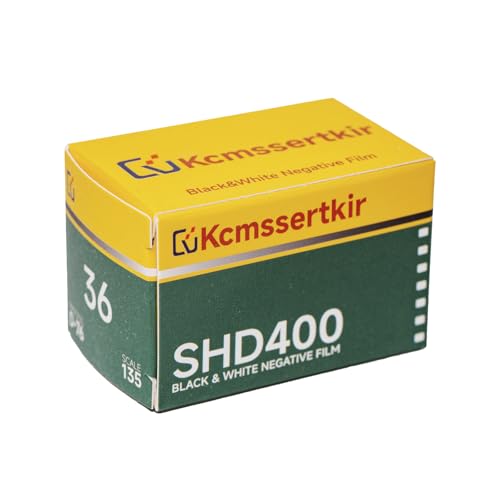
SHD 400 Black and White 35mm Film

Kodak UltraMax 400 35mm Film, 4-Pack

Ilford HP5 Plus 35mm Film, 2-Pack
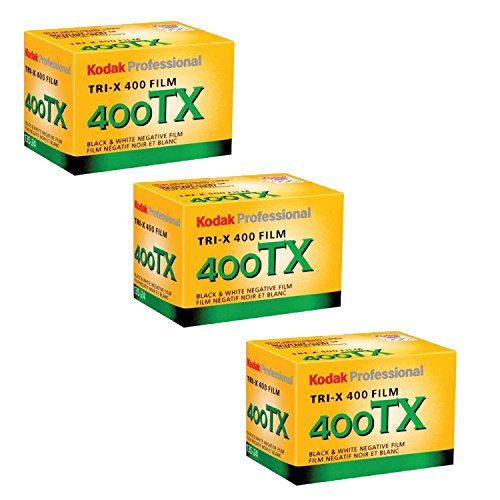
Kodak Tri-X 400 Black & White Film 3-Pack

Kodak Portra 160 35mm Color Film

Kodak Ektar 100 35mm Color Film, 2-Pack
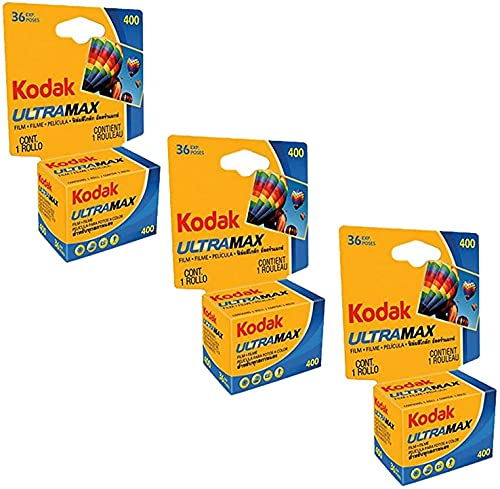
Kodak Ultramax 400 Color Film, 3-Pack

Kodak Portra 400 35mm Color Film, 5-Pack

C200 Color Negative Film ISO 200
Inside Each Recommended Option
If your first few rolls will be shot in bright outdoor conditions, an ISO 100 black and white stock like this one is a sensible starting place. ISO measures the film’s sensitivity to light, and a low number means it needs more light to expose correctly, so sunny sidewalks and open parks are where it shines. The 36-exposure roll fits any standard 35mm SLR or point-and-shoot, and the slower speed rewards careful framing since the grain stays very fine.
For anyone coming from digital who wants predictable results while learning the exposure triangle (aperture, shutter speed, and ISO working together), this stock offers a forgiving learning curve in good light. Photographers shooting mostly indoors or at dusk will find it limiting, but for daytime walks and travel, it’s a clean, classic look that beginners can grow into.
Real Benefits
- Low ISO 100 produces tight grain that flatters portraits and architecture
- Monochrome output simplifies the learning process by removing color decisions
- Standard 36-exposure format fits any compatible 35mm camera body
- Affordable entry point for newcomers who want to keep early mistakes cheap
Things To Consider
- Requires bright conditions, so indoor and evening scenes come out underexposed
- Single-roll packaging means higher cost per frame than multi-pack options
- Returns depend on a reliable local lab or mail-order processor for development
Who It Suits Best
First-timers shooting mostly in bright outdoor daylight who want a calm, classic monochrome look without paying premium prices.
Consider Something Else When
The SHD 400 Black and White 35mm Film suits anyone shooting in mixed indoor and outdoor light far better.
Bumping up to ISO 400 is often the move that makes film feel practical rather than precious. This roll handles overcast afternoons, dim cafes, and late-afternoon street scenes where the SHD 100 above would struggle. Grain is more visible, which is part of the look rather than a flaw, and beginners get noticeably more flexibility when light shifts between shots.
Compared to the slower ISO 100 option, this film trades a bit of fine-grain refinement for adaptability, which matters when you can’t control the weather. If you’re shooting weddings, concerts, or simply documenting daily life with a basic SLR, this is the more dependable everyday choice. Anyone chasing large-format-quality prints may want a finer-grain stock, but for casual rolls, it’s hard to argue with the versatility.
The Case For It
- ISO 400 speed works across indoor, outdoor, and low-light scenarios
- Visible grain gives images a tactile, classic analog character
- Single-roll format keeps initial spending low for testing the waters
- Forgiving enough that exposure mistakes still produce usable negatives
Trade Offs
- Grain is heavier than ISO 100 stocks, which may not suit fine-art prints
- Single-roll packaging costs more per exposure than the 4-pack Kodak listed later
At A Glance
Made For
Newcomers whose shooting schedule moves between indoor and outdoor light without warning.
Skip It When
The 4X Kodak UltraMax 400 is the better match for shooters who want color from day one.
Color film feels intimidating at first because there are more variables to get wrong. UltraMax 400 takes that pressure off. The ISO 400 speed handles most real-world lighting, and Kodak’s C-41 development process (the standard chemical recipe used by nearly every photo lab worldwide for color negatives) means any local shop can process it. The 4-roll pack keeps the per-frame cost down while giving you enough volume to experiment with subjects.
If you’ve never shot color film before, this is a comfortable starting place. Compared to the SHD 400 monochrome pick above, you’re trading black and white simplicity for full color rendering, and the four-roll format means you can shoot confidently without rationing frames. For vacations, family gatherings, or simply a long weekend of testing, the pack size gives you room to learn from mistakes.
Positive Points
- Four-roll format reduces cost per exposure noticeably
- C-41 process means widespread lab compatibility
- ISO 400 handles most daylight and indoor lighting
- Color reproduction feels balanced rather than oversaturated
Worth Noting
- Color accuracy varies under mixed artificial lighting, a common issue with consumer films
- DX coding (the metallic pattern on the canister that auto-sets ISO) requires a camera that reads it for full automation
Right Fit For
First-time color film shooters who want a forgiving, affordable way to practice before committing to premium stocks.
Look Elsewhere When
The Kodak Portra 160 fits portrait shooters who prioritize skin tone accuracy above all else.
Ilford’s HP5 Plus has earned a devoted following among film photographers, and for good reason. Rated at ISO 400, it tolerates being pushed or pulled during development (techniques where the lab adjusts timing to compensate for shooting at higher or lower speeds than the box rating), which makes it one of the most forgiving stocks on the market. The 2-pack format keeps costs manageable while you experiment with metering, and the medium contrast suits a wide range of subjects.
Where the SHD 400 above offers similar ISO flexibility, HP5 Plus adds a heritage reputation that many photographers trust for both casual and serious work. For beginners who plan to grow into manual exposure, this film gives you room to make mistakes. Indoor events, street photography, and overcast days all produce rich, detailed negatives. It feels like a stock that respects the learning process.
What Pays Off
- Wide exposure latitude means over- and underexposed shots still print well
- 2-pack format balances affordability with enough volume for practice
- Push-processing capability extends usability into low light
- Fine grain for a 400-speed stock keeps detail clean
Points To Note
- Black and white only, so color-curious shooters will need a separate stock
- Slower-sharpening curve means results may feel flat straight from the lab without scanning adjustments
Best Suited To
Beginners who want a single film that supports them through the early learning curve in any lighting.
Not Your Match When
The Kodak Tri-X 400 serves photographers chasing a more punchy, high-contrast aesthetic.
Tri-X is the film that covers countless photojournalism archives, and shooting it feels like joining a long conversation. The 24-exposure rolls in this 3-pack give you 72 frames to work with, and the iconic grain structure produces images that look unmistakably analog. At ISO 400, it tolerates most lighting conditions, though its real character emerges when light gets dramatic.
If your earlier picks on this list emphasized safety and forgiveness, Tri-X leans into contrast and personality. It’s not the gentlest learning partner, but beginners who want their first rolls to look distinctive gravitate toward it. The 24-exposure count means more frequent reloading, which is also a feature: each roll becomes its own little project rather than a long stretch of aimless frames.
A Strong Showing
- Distinctive grain and contrast give images a recognizable character
- 3-pack format offers strong value for serious practice
- Handles low light and high-contrast scenes confidently
- Pushes well when development labs extend processing time
Honest Caveats
- 24-exposure rolls mean more frequent reloading than 36-exposure options
- Higher contrast can crush shadow detail in flat lighting
Who Should Grab It
Beginners who want their early black and white images to carry strong personality and don’t mind a steeper aesthetic curve.
A Better Fit Elsewhere
The Ilford HP5 Plus is the smarter choice for newcomers who prioritize exposure forgiveness over contrast.
Portra 160 sits in a different category than the beginner-friendly stocks earlier in this list. It’s a professional film with a price tag to match, but for anyone shooting people outdoors, the skin tone rendering is worth the splurge. Fine grain, smooth tonal transitions, and warm-but-accurate color make portraits look polished without heavy editing.
Compared to Kodak UltraMax 400, you’re trading versatility for refinement. ISO 160 demands brighter conditions, so this isn’t your everyday walkaround film. For dedicated portrait sessions, family photos in golden hour, or styled shoots, however, the difference is noticeable. Beginners committed to portrait photography will appreciate the results, even if they’re working through a tighter learning budget.
The Practical Payoff
- Skin tones render naturally without color casts
- Fine grain holds up beautifully when scanned at high resolution
- Excellent archival stability for long-term prints
- Wide exposure latitude forgives minor metering slips
Potential Drawbacks
- Low ISO 160 limits use to bright daylight or flash-assisted scenes
- Higher cost per roll than consumer-grade color films
Perfect Match For
Beginners focused on outdoor portraiture who want professional-looking results from their first rolls.
Swap It Out When
The Kodak Portra 400 is the better match for photographers who need ISO 400 flexibility alongside Portra’s signature color science.
Ektar 100 is the most vivid film on this list, and arguably one of the most saturated color stocks Kodak makes. At ISO 100, the grain is exceptionally fine, and the colors lean bold rather than naturalistic. Reds pop, blues deepen, and greens feel almost tropical. For landscape and travel photography in bright conditions, it produces images that look almost hyperreal.
This isn’t the gentle color film for portraits, where Portra 160 wins, but for scenes with bold natural color, few stocks match it. The 2-pack gives you enough volume for a dedicated trip without overcommitting. Beginners drawn to vivid, almost-saturated imagery will love what comes off this roll, though anyone preferring muted, film-like tones may find it too aggressive.
A Few Highlights
- Ultra-fine grain at ISO 100 supports large prints and detailed scans
- Saturated color rendering makes landscapes and architecture vivid
- Optimized sharpness captures fine textures in foliage and stonework
- 2-pack format balances premium pricing with practical volume
Less Ideal Details
- Saturated colors can look harsh on skin tones in portraits
- Requires bright conditions; indoor use demands supplemental lighting
Built With In Mind
Travelers and landscape shooters who want their early rolls to showcase bold, punchy color.
Another Choice May Suit
The Kodak Portra 160 is the smarter pick for anyone prioritizing natural-looking people photography.
The 3-pack version of Ultramax 400 is built for shooters who plan to use film regularly. With 108 exposures total, you can keep a roll in your camera without worrying about rationing frames. ISO 400 handles everything from bright noon sun to dimly lit restaurants, and the C-41 process works at virtually any photo lab.
Compared to the 4-pack UltraMax option earlier in this list, you’re trading one roll for the convenience of the established 3-pack packaging that many photographers trust. This is the film to leave loaded in a vintage point-and-shoot for a season of casual photography. Beginners who want a worry-free everyday color stock will find this combination of availability, price, and reliability hard to beat.
Notable Upsides
- 108-frame volume supports months of casual shooting
- Universal C-41 processing means no special lab needed
- ISO 400 covers most lighting conditions without film swaps
- DX-coded canister works with automatic exposure cameras
Soft Spots
- Color rendering skews warmer than professional stocks like Portra
- Less suited to deliberate artistic work than single-roll premium films
The Right Fit
Everyday shooters who want a dependable color film they can load and forget about while documenting life.
Reach For A Different Pick When
The C200 Color Negative Film offers a more affordable single-roll option for budget-focused beginners.
Portra 400 is the gold standard for color film that needs to handle unpredictable lighting. ISO 400 gives you a full stop of extra sensitivity compared to Portra 160, which is the technical way of saying it gathers twice as much light in the same conditions. That extra headroom makes it the preferred choice for weddings, documentary work, and travel where weather and venues shift without warning. The 5-roll pack covers a full event or extended trip.
Where the Portra 160 earlier in this list requires careful planning around bright light, Portra 400 simply shoots. The color science stays consistent across the Portra line, so skin tones still look natural even at this higher speed. Beginners who want professional results from day one, and who can absorb the higher per-roll cost, often find this film becomes a long-term staple.
Benefits That Matter
- Wide exposure latitude handles difficult lighting gracefully
- Consistent color science matches the Portra 160 look
- 5-roll pack suits extended projects or event coverage
- Scans cleanly at high resolutions for archival prints
Factors To Consider
- Premium pricing puts it beyond casual experimentation
- 5-roll commitment means significant upfront spending for newcomers
Quick Facts
Whose Shelf It Belongs On
Serious beginners investing in a single color film that handles nearly any assignment with professional results.
Where A Sibling Pick Shines
The Kodak UltraMax 400 fits newcomers who want Portra’s ISO but not its premium price.
The C200 sits in a useful middle ground for beginners. ISO 200 is faster than Ektar or Portra 160 but slower than the 400-speed consumer stocks, giving you reasonable indoor flexibility without demanding flash. Color rendering feels natural, and grain is moderate. Single-roll packaging keeps upfront cost low, which matters when you’re still figuring out whether film photography fits your routine.
Compared to the premium options earlier, you’re trading some refinement for accessibility. This film produces pleasing results in daylight and dim interiors alike, making it a sensible first color roll for someone who wants to test the medium without committing to a multi-pack. Beginners on tight budgets who still want quality images will find C200 a sensible entry point.
Useful Touches
- ISO 200 balances indoor and outdoor usability
- Single-roll format keeps initial spending minimal
- C-41 process ensures standard lab development
- Natural color saturation suits a wide range of subjects
Things To Weigh
- Less brand recognition than Kodak’s established stocks
- Grain sits between the fine 100-speed and chunkier 400-speed films without standing out in either direction
Who Will Love This
Cost-conscious beginners exploring color film for the first time who want flexibility without premium pricing.
Look Elsewhere When
The Kodak UltraMax 400 is the smarter pick for shooters who want a multi-roll format and established reputation.
What Matters Most Before Choosing 35mm Films For Beginners
Picking your first film often comes down to three practical questions: where will you shoot, how forgiving do you need it to be, and how much per roll feels reasonable. ISO speed is the headline number, but the real story is how it interacts with your habits. A 100-speed stock rewards careful metering in bright light and produces fine grain that holds up to large prints. A 400-speed film absorbs imperfect lighting and the occasional indoor shot without complaint.
Color versus black and white is the next big fork. Monochrome stocks like the SHD 100 and Ilford HP5 Plus simplify decisions, since you’re not balancing white balance or worrying about mixed lighting color casts. Color stocks give you the full spectrum but require more thought. Beginners often benefit from starting with black and white to build fundamental exposure skills, then graduating to color once those instincts feel automatic.
Processing availability matters more than newcomers expect. Most labs handle C-41 color negative film easily, but black and white often requires either a specialty lab or home development. Before committing to a stock, check that your local processor handles it, or budget for mail-order development. Storage conditions also play a role: keep unexposed rolls cool and away from humidity, and shoot them before the expiration date for best results, though expired film can produce interesting effects if you’re curious to experiment.
Key Considerations Across These Picks
Common Buying Slip Ups
The easiest mistake is choosing the cheapest roll without checking ISO. A slow film in a dim room produces underexposed negatives that no amount of scanning will rescue. Conversely, picking up an expensive professional stock for casual shooting inflates your learning cost without improving early results. Match the film to your actual shooting conditions rather than the brand reputation alone.
Another trap is ignoring expiration dates. Film degrades over time, and expired stock introduces unpredictable color shifts, fog (an overall dull gray cast that reduces contrast), or grain patterns. For first rolls especially, fresh film within its expiration window gives you predictable results, so you learn what your camera does rather than what old chemistry does.
Where The Extra Money Goes
Premium stocks like Portra 400 and Ektar 100 cost more because of tighter manufacturing tolerances and specialized emulsion layers that control grain and color at the molecular level. You’re paying for consistency roll after roll, accurate skin tones, and the ability to push or pull processing without losing image quality. For casual snapshots, the difference feels subtle. For portraits, events, or prints you’ll keep for decades, that extra consistency shows.
The upgrade is worth it once you’ve shot several rolls and know what you want from your images. Beginners experimenting with subjects and styles benefit more from affordable stocks. Photographers settled on a genre, like weddings, portraits, or travel, often find premium film pays for itself in fewer reshoots and better archives.
Frequently Asked Questions
What’s the best ISO speed for beginners?
ISO 400 is generally the most forgiving starting point. It handles both indoor and outdoor lighting reasonably well, which means fewer missed shots while you’re still learning the exposure triangle. Once you’ve built confidence, slower ISO 100 stocks reward careful technique with sharper images.
Should I start with color or black and white film?
Black and white simplifies early decisions by removing color variables, letting you focus on composition, exposure, and focus. Many photographers recommend starting monochrome for a few rolls, then graduating to color once those fundamentals feel automatic.
How long can I store unexposed film?
Most 35mm film lasts 2 to 3 years past its expiration date if stored at room temperature. Refrigerating or freezing extends that lifespan significantly. For best results, shoot film before the expiration date and keep unused rolls cool and dry.
Do I need to process film at a special lab?
Color negative film using the C-41 process works at virtually any photo lab. Black and white film sometimes requires specialty processors or home development. Check your local lab’s capabilities before buying a stock they can’t handle.
Can I shoot film indoors without flash?
Yes, with ISO 400 or higher film. Slower stocks like ISO 100 will produce underexposed images in dim interiors unless you use a tripod, flash, or steady light sources. The versatility of 400-speed stocks is a major reason beginners gravitate toward them.
Closing Remarks
Your first rolls of film matter less than the habit they start. Pick a forgiving stock, shoot generously, and let the surprises teach you what textbooks can’t. The best 35mm film is the one you actually load, shoot, and finish.