A helmet buzzing at highway speed, a visor streaked with rain, your hands planted on the bars, and somewhere in the middle of all that, a tiny camera trying to keep up. Picking the right setup for motorcycle use means thinking past the spec sheet: vibration tolerance, mount flexibility, weatherproofing, battery life on long rides, and whether the footage stays watchable when the road turns rough. The picks below cover a wide range of riders, from weekend canyon carvers to touring commuters, and the guide that follows breaks down what actually matters when you wire one to a tank, a helmet, or a tail.
Your Options, Compared
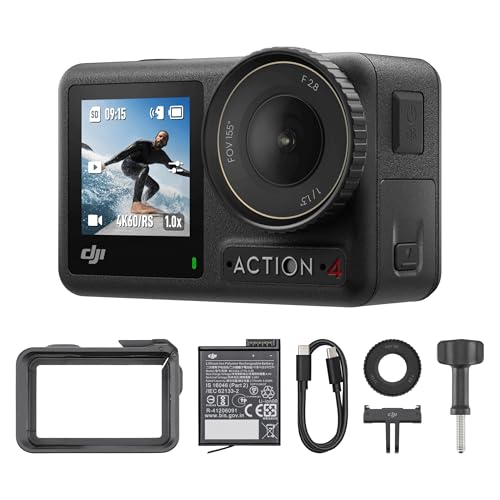
DJI Osmo Action 4 Essential Combo

Insta360 X3 360 Action Camera

Insta360 X5 8K 360 Action Camera

Insta360 X5 Motorcycle Bundle
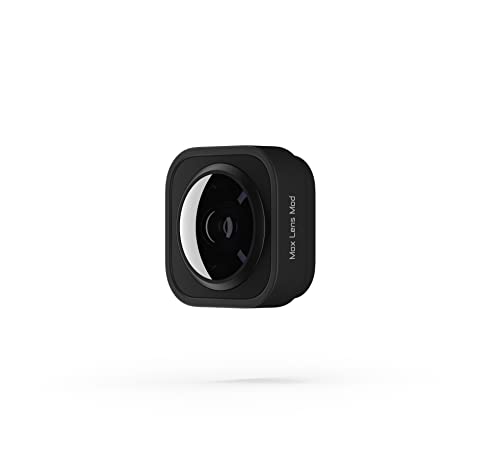
GoPro Max Lens Mod for HERO11/10/9
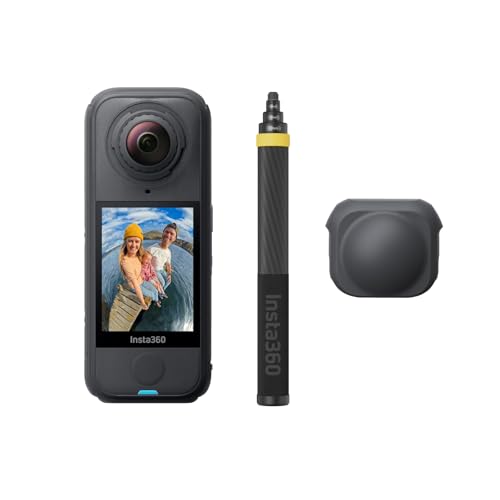
Insta360 X4 Air No Drone Bundle

Insta360 X4 Standard Bundle
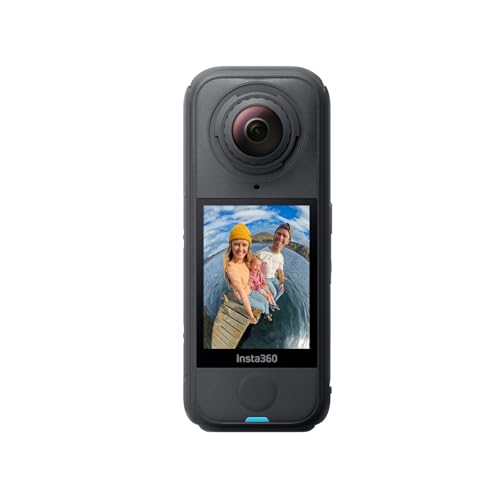
Insta360 X4 Air 8K 360 Camera

CAMWORLD 4K Mini Body Camera

Asdanalili 4K Thumb Action Camera
More On The Choices That Made The List
Twilight commutes and damp dawn rides are where most action cameras fall apart, and the Osmo Action 4 is built to handle exactly that stretch. Its larger 1/1.3-inch sensor pulls in more light than the typical motorcycle cam, which means your footage stays usable when the sun drops behind a tree line. For riders who treat golden hour as prime riding time, that single trait earns the camera its keep.
Compared to the 360-style picks further down this list, the Osmo Action 4 keeps things simple with a classic forward-facing lens and a rear touchscreen. The 10-bit color depth (a way of encoding millions of subtle color variations, far beyond standard video) gives editors room to grade footage later, and the auto white balance handles transitions from sunlight into tunnels without flickering. It is a dependable everyday body for riders who want a single, focused shot of the road ahead.
Good Reasons To Consider
- Larger sensor for cleaner low-light footage, important for dusk and night rides.
- 10-bit color depth preserves subtle tones, helpful if you plan to edit later.
- Waterproof body takes rain and puddle splash without an extra housing.
- Auto white balance adjusts smoothly when moving from sun to shadow.
Things To Consider
- No 360 capture, so reframing in post is not an option.
- Battery life lands in the average range, and cold weather tends to trim it further.
Feature Snapshot
Who It Suits Best
Riders who log a lot of dawn or evening miles and want clean forward-facing footage without diving into 360 editing.
Where Another Pick Suits Better
Anyone wanting self-capturing or rear-angle reframing should look at the Insta360 X3, which records everything around the bike at once.
The X3 flips the script on motorcycle filming. Instead of choosing your angle before you ride, it captures everything around you, then lets you reframe in the app afterward. That alone changes how riders document a trip, because the perfect moment often happens behind you, in a mirror, or at an awkward angle a fixed camera would miss.
It also doubles as a standard 4K single-lens camera when you want a clean forward shot, and FlowState stabilization (Insta360’s gyroscope-driven smoothing system) keeps the footage from turning into a vibration test on rough tarmac. For vlog-style riders who want their face, the road, and the scenery all in one take, the X3 is one of the most forgiving tools in the category.
Where It Helps
- 5.7K 360 capture means you never miss the moment behind you.
- Reframe in the app turns one ride into multiple camera angles.
- FlowState stabilization handles engine buzz and road chatter.
- Waterproof body survives rain without an external case.
Trade Offs
- Single-lens 4K mode is a step below dedicated 4K action cams on detail.
- The 2.29-inch touchscreen is small for editing clips in the field.
- You will spend real time in the app to get the most out of 360 footage.
Made For
Riders who want a single mount to capture front, rear, and rider-facing angles for social clips and travel recaps.
Consider Something Else When
Hardcore low-light riders should step up to the Insta360 X5, which uses larger sensors and a triple-chip setup for cleaner night footage.
The X5 is the current flagship of the Insta360 line, and it shows where dual-lens 360 cameras have landed in 2026. The 8K30fps ceiling (roughly 33 million pixels per frame, well beyond 4K) gives editors serious room to crop, push, and reframe without losing sharpness, and the dual 1/1.28-inch sensors are noticeably larger than what the X3 shipped with.
A triple AI chip setup handles noise reduction in tough lighting, which matters for riders who run early-morning commutes or late-evening canyon loops. The replaceable lens design is a quiet but meaningful upgrade: if a rock kicks up and cracks a lens, you swap the cover instead of sending the whole body in for repair. Pair that with a 3-hour battery claim, and the X5 starts to feel like a touring rider’s tool rather than a casual weekend toy.
Useful Highlights
- 8K 360 capture preserves detail even after aggressive reframing.
- Triple AI chip design keeps noise down in low-light conditions.
- Replaceable lenses reduce the cost of trail or parking-lot mishaps.
- Built-in wind guard improves audio on open-road rides.
Points To Note
- Premium pricing puts it well above most casual buyers.
- 8K files eat storage fast, so large memory cards are part of the real cost.
Right Fit For
Touring riders and content creators who want flagship-level footage, plan to edit, and ride in mixed lighting.
Skip It When
Casual commuters who only need a basic forward-facing shot will find the Insta360 X4 a better price-to-feature match.
The X5 standard model is impressive on its own, and the Motorcycle Bundle is the version built specifically with two-wheelers in mind. It pairs the same 8K 360 camera body with mounting hardware and accessories aimed at handlebar, tank, and tail setups, so you are not hunting for third-party clamps on day one.
That is the bundle’s quiet advantage: it removes the trial-and-error phase. Clear audio handling also gets a boost, which matters because wind noise at 60 mph can ruin otherwise great footage. For riders serious about documenting long-distance trips or ADV (adventure motorcycling) routes, the bundle’s included mounts and battery support translate into more time riding and less time fiddling.
The Good Stuff
- Bike-specific mounts included, so setup is faster out of the box.
- Clear audio processing helps dialogue and engine note over wind.
- 3-hour battery covers most full-day rides without a swap.
- Rugged and replaceable lens design handles gravel and grit.
Honest Caveats
- Bundles usually cost more than buying the body alone.
- Some included mounts will not fit every bike, so check your bar and tank shapes first.
Feature Rundown
Who Should Grab It
ADV and touring riders who want a turnkey 360 setup without piecing together their own mount kit.
Another Choice May Suit
Riders who already own a GoPro HERO and want wider FOV (field of view) and tighter stabilization should look at the GoPro Max Lens Mod instead.
For GoPro owners who already run a HERO11, HERO10, or HERO9, the Max Lens Mod is the cheapest way to expand what that camera can do on a bike. It swaps the stock lens for an ultra-wide 155-degree optic, which is the widest field of view GoPro has ever shipped on a HERO body. On a motorcycle, that extra width makes tight mountain roads feel more like the rider actually experienced them.
Max HyperSmooth stabilization is the other half of the upgrade: it locks horizon lines even when the camera rotates, which is genuinely useful on a tank or fairing mount that sees a lot of vibration. The catch is obvious, though: this is a lens mod, not a full camera, so you need a compatible HERO body to use it at all.
Key Advantages
- 155-degree ultra-wide FOV pulls in more of the road and scenery per frame.
- Max HyperSmooth keeps horizon level even with full 360-degree camera rotation.
- Stabilization works up to 2.7K60, smooth at highway speed.
- Official GoPro accessory, so fit and finish match the HERO body.
Worth Noting
- Requires a HERO11, HERO10, or HERO9 to function at all.
- Maximum stabilized resolution is 2.7K, lower than native 4K or 5.3K modes.
Spec Overview
Best Suited To
Existing HERO9, HERO10, or HERO11 owners who want wider angle and stronger stabilization without buying a new camera.
Look Elsewhere When
Riders starting fresh with no GoPro body should skip the mod and grab a dedicated 360 camera like the Insta360 X4 Standard Bundle.
The X4 Air keeps the 8K 360 promise but trims the body to about 165 grams, which is a meaningful difference on a helmet mount. Heavier cameras tug on the chin bar and shift the balance on long rides, so a featherweight body is a real comfort upgrade. The included 3-meter invisible selfie stick pulls double duty for follow-cam shots at standstill stops.
Like the rest of the X4 line, you get the shoot-first-frame-later workflow, replaceable lenses, and the AI-powered app for quick edits on the road. It is a smart pick for riders who want flagship-grade footage without the flagship weight, and the bundle’s longer stick opens up angles that would normally need a second rider or a drone.
Strong Points
- 165-gram body reduces helmet fatigue on long rides.
- 8K 360 capture with shoot-first-frame-later workflow.
- 3-meter selfie stick adds creative angles for solo riders.
- Replaceable lenses help with field repairs.
Potential Drawbacks
- Smaller body means a smaller battery, so runtime lands below the standard X4.
- The 3-meter stick is awkward to pack on smaller bikes.
Perfect Match For
Helmet-first riders who want light weight, creative solo angles, and easy post-ride reframing.
Reach For A Different Pick When
Riders who care more about pure low-light quality than weight savings should look at the Insta360 X5, which uses larger sensors.
The X4 Standard Bundle sits in the comfortable middle of the 360 market. You get 8K 360 capture, 4K wide-angle single-lens mode, removable lens guards, and around 135 minutes of claimed battery life, which is enough for most full-day rides with a top-up in the middle. The invisible selfie stick effect remains one of the most fun tools for solo riders, since it lets you hold a stick and have it vanish from the final clip.
Compared to the X4 Air, the standard X4 is a touch heavier but trades that for longer runtime. Compared to the X5, you give up some low-light cleanness, but you also pay noticeably less. For weekend riders who want 360 flexibility without going full flagship, this is the balanced middle.
A Few Highlights
- 8K 360 plus 4K single-lens mode covers both creative and traditional shots.
- Removable lens guards add a layer of protection on gravel rides.
- 135-minute battery life handles most day trips comfortably.
- AI editing in the app trims post-ride work significantly.
Some Limits To Know
- Low-light performance lags behind the newer X5 generation.
- The body is noticeably heavier than the X4 Air for helmet mounting.
Built With In Mind
All-around weekend riders who want 360 creativity, decent battery life, and a friendlier price than the X5.
Where A Sibling Pick Shines
Riders who prioritize light weight on a helmet should consider the Insta360 X4 Air, which trims the body for comfort.
The X4 Air in its solo form is essentially the same camera as the bundle version, minus the long selfie stick. For commuters and daily riders who do not need a 3-meter extension pole, that difference saves pack space and keeps the kit minimal. You still get the 165-gram body, 8K 360 capture, replaceable lenses, and the built-in wind guard that takes the edge off audio at speed.
Daily-commute vloggers tend to favor lighter bodies because they do most of their filming on a helmet chin mount, where every gram shows up as neck strain by Friday. The X4 Air hits a sweet spot for that use case, and the FlowState stabilization keeps handlebar shake from ruining the clip.
Everyday Wins
- 165-gram chassis is easy on helmet mounts and neck joints.
- Built-in wind guard improves audio at commuting speeds.
- Replaceable lenses reduce repair anxiety for daily riders.
- Shoot-first-frame-later workflow suits quick social edits.
Practical Considerations
- Smaller body means shorter battery life than the standard X4.
- No long selfie stick included, so solo follow shots require a separate accessory.
The Right Fit
Daily commuters and vloggers who want a featherweight 360 cam and do not need long selfie-stick shots.
Swap It Out When
Riders who want a longer stick included out of the box should pick the Insta360 X4 Air No Drone No Problem Bundle instead.
The CAMWORLD mini body camera is a different kind of tool than most picks on this list. It is small enough to clip to a jacket, magnet to a tank, or strap to a helmet with the included mount, and it ships with a 64GB card so you are not making a separate storage purchase on day one. For casual riders who want a quick, no-fuss POV, that simplicity has real appeal.
The trade-off is image quality, since a thumb-sized body cannot match the optics of a flagship 360 cam. The 150-degree wide-angle lens and 4K recording keep things watchable, but you will notice more noise in low light and less dynamic range in tunnels. The honest read is that this works best for riders experimenting with on-bike footage for the first time.
A Few Strong Suits
- Magnetic mount makes it easy to attach and reposition quickly.
- 64GB card included, so storage is not an extra step.
- 1.47-inch HD screen helps frame shots without pulling out a phone.
- Compact size fits pockets and jacket mounts comfortably.
Where It May Fall Short
- Low-light footage shows more noise than larger flagship cameras.
- Image stabilization is not as advanced as the bigger picks on this list.
Whose Shelf It Belongs On
Casual riders and first-timers who want a simple, wearable camera to try out motorcycle POV footage without a big investment.
A Better Fit Elsewhere
Riders who want genuine 360 reframing and pro-level stabilization should move up to the Insta360 X3, which records the entire scene at once.
The Asdanalili thumb camera is a similar pitch to the CAMWORLD pick above, with a few extras that help it stand out. A 128GB card is included, the body supports cards up to 256GB if you want to expand later, and the waterproof case adds protection for wet-weather riding. For first-time owners, having storage and a case in the box is a small but meaningful convenience.
Like other thumb cameras, the sensor and stabilization are not in flagship territory, so manage expectations accordingly. The 120-degree wide lens captures a respectable field of view, and one-touch operation keeps things simple when you are pulling on gloves before a ride. It is a sensible first step into on-bike filming.
Useful Strengths
- 128GB card included, plus support for cards up to 256GB.
- Waterproof case adds protection in rain and splash.
- Magnetic clip enables quick mounting on tank or fairing.
- One-touch operation is friendly for gloved hands.
Less Ideal Details
- Stabilization is basic compared to dedicated motorcycle action cams.
- Low-light image quality trails behind the larger-sensor options above.
Who Will Love This
New riders and hobbyists who want a low-fuss way to start filming their rides with storage and a case included.
Not Your Match When
Riders wanting pro-grade stabilization and 360 reframing should look at the Insta360 X4 Air, which delivers both in a small body.
What To Weigh Before Choosing Your Motorcycle Action Camera
Mounting Style and Vibration Handling
A camera that produces beautiful footage on a desk can produce unusable footage on a handlebar. Engine vibration, road texture, and wind load all punish a mount that is not built for two wheels. Look for a body that ships with a secure motorcycle mount, or at least a standard mounting interface that fits the clamps you already own. Electronic stabilization matters too, but it can only smooth so much before vibration turns into jelly-cam (the wobbly, rubbery distortion from over-aggressive stabilization), so the mount has to do real work first.
Field of View and Image Stabilization
Wide fields of view make motorcycle footage feel closer to the rider’s actual experience, which is why most picks on this list lean toward 150 degrees or wider. The trade-off is distortion at the edges, which is where good stabilization earns its keep. Locked horizon (the camera keeps the horizon level even if the bike leans) is especially useful for chase-cam and tank shots, where lean angle changes frame to frame. The Insta360 line, the DJI Osmo Action 4, and the GoPro Max Lens Mod all handle this better than older cameras.
Battery Life and Weatherproofing
A long touring day exposes every weakness in a small camera. Aim for a body rated for at least 90 minutes of real recording, and longer if you ride in cold weather, since cold cuts battery capacity significantly. Waterproofing without a separate case is convenient, but a sealed body plus a backup battery is even better for full-day trips. Riders who do not want to babysit their gear should prioritize a longer battery claim and native water resistance over chasing the highest resolution.
Audio, Storage, and Editing Workflow
Wind at 60 mph destroys audio, so a built-in wind guard or noise reduction makes a real difference if you want engine sound or your own voice in the mix. Storage matters too, since 8K files fill cards fast, and editing workflow decides how much time you spend in front of a laptop. A 360 camera with shoot-first-frame-later editing turns hours of footage into a short clip in minutes, while a basic forward-facing cam requires more hands-on trimming. Choose the workflow you will actually use, not the one with the most features.
Key Considerations Across These Picks
Where Shoppers Go Wrong
The most common mistake is buying the highest-resolution camera without checking whether your phone, computer, or editing app can actually handle those files. A 4K 360 camera on an older laptop can be miserable to work with, and the result is a drawer full of footage you never watch. Another frequent trap is buying a body without confirming the mount fits your specific bike, since some clamps only fit standard handlebar sizes or require an adapter. Pulling a tape measure across your bars and checking the clamp diameter before checkout saves real frustration.
When Paying More Pays Off
Higher-tier models in this category earn their premium through larger sensors, replaceable lenses, longer battery life, and better low-light performance. Those gains show up most on riders who film often, ride in mixed lighting, or want to keep a camera for several years. The Insta360 X5 line and the DJI Osmo Action 4 sit at that upgrade tier, and they pay off if you will actually use the extra resolution and chip-driven noise reduction. If you only ride a few weekends a year in good light, the mid-tier X4 Standard Bundle or even a budget thumb cam gets you most of the way there without overspending.
Frequently Asked Questions
What is the best resolution for motorcycle action cameras?
For most riders, 4K is the practical sweet spot, since it delivers sharp footage without overwhelming storage or requiring a top-end editing setup. 8K cameras on this list, like the Insta360 X5, earn their keep when you plan to reframe aggressively in 360 mode. Pick based on how much you intend to edit, not on the biggest number.
Are 360 action cameras worth it for motorcycles?
Yes, especially for solo riders, since 360 capture lets you reframe after the ride and pull multiple angles from a single mount. The Insta360 X3, X4 line, and X5 are all popular choices for this reason. The catch is that you will spend time in the app to get the most out of the footage.
How important is image stabilization on a motorcycle?
Very important. Engine vibration and road texture will ruin footage on a camera without good electronic stabilization, regardless of resolution. Look for advanced stabilization modes like HyperSmooth or FlowState, which are designed to handle handlebar shake.
Do I need a waterproof action camera for riding?
You do not strictly need one, but rain and puddle splash are common on any regular ride, and water damage is not covered by most warranties. A waterproof body, like the DJI Osmo Action 4 or the Insta360 X4 line, lets you ride through weather without swapping housings. If a camera is not waterproof, a separate case is a worthwhile add-on.
Where is the best place to mount an action camera on a motorcycle?
Helmet chin mounts, handlebar mounts, and tank mounts each give a different feel. Helmet mounts match the rider’s view, handlebar mounts show the road ahead and the bars, and tank mounts capture a chase-style view with the front fairing in frame. Many riders run two cameras to cover multiple angles, and 360 cameras make that easier with a single body.
Wrap Up
The right camera depends on how and where you ride, not just which spec sheet looks strongest. Daily commuters tend to gravitate toward lightweight 360 cams, touring riders lean on bundles with proper mounts, and casual experimenters get plenty of mileage out of a thumb-sized body with a card in the box. Take your riding style as the starting point, match it to the picks above, and your footage will thank you after the next twisty stretch of road.