Scuba diving asks more from a camera than almost any other sport. Salt water, low light, and constant pressure punish gear that would thrive on a hiking trail. You need something that seals out moisture, holds color in the blue-green gloom, and keeps working when you drop to forty feet on a wreck dive. This guide lines up ten options worth your attention, from compact point-and-shoot units to dedicated action cams and smartphone housings built for the dive boat. Each pick is chosen for a different kind of diver, so you can match the tool to the way you actually dive.
A Closer Look At The Lineup

Yifecial 4K Underwater Camera, 64MP 16FT Waterproof
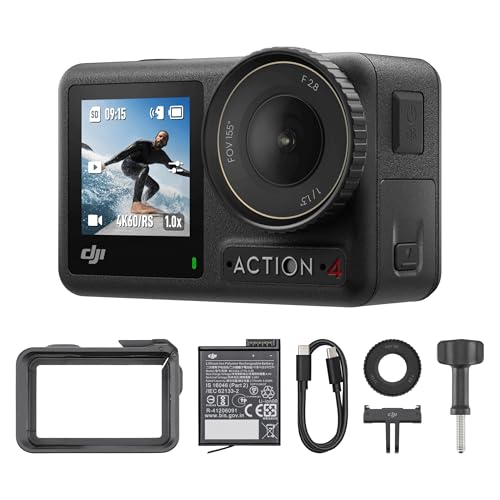
DJI Osmo Action 4 Essential Combo
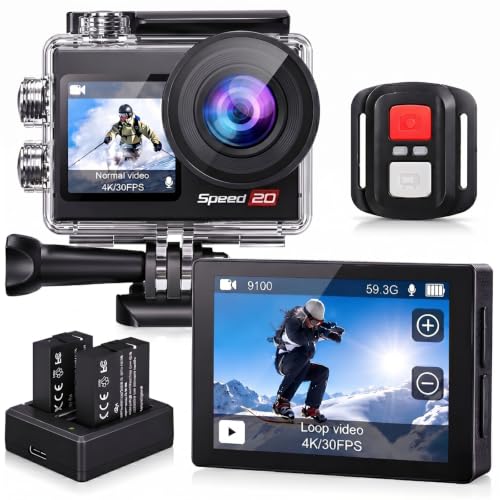
Hiicam 4K Action Camera 131FT Waterproof

DJI Osmo Action 5 Pro Standard Combo

SeaLife SportDiver Ultra Smartphone Housing

SeaLife SportDiver S Compact Housing
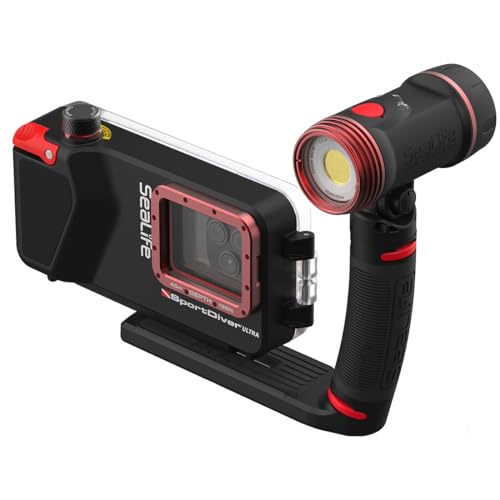
SeaLife SportDiver Ultra with Sea Dragon Light

XbotGo Falcon 4K AI Sports Camera

XbotGo Falcon AI Action Camera 4K

XbotGo NT4 PRO Carbon Fiber Tripod
For someone new to underwater photography, the Yifecial 4K underwater camera keeps the learning curve short. The body is compact enough to slip into a beach bag, and the included 16GB card means you can start shooting the moment you reach the water.
The 64-megapixel sensor (a measure of how much detail the camera can capture in a single still) pulls surprisingly crisp stills for the price, and 4K video handles colorful reef scenes in decent light. Think pool sessions, shallow snorkeling, and resort dives where you’re never far from the surface.
Real Benefits
- 16FT waterproof rating means no extra housing is required for casual snorkeling and pool use.
- 64MP stills and 4K video give you enough resolution for prints, social posts, or cropping later.
- Compact body fits a jacket pocket, so it travels light to tropical destinations.
- Bundled 16GB card removes one more thing to pack.
Trade Offs
- The 16FT ceiling rules out any real scuba work beyond shallow reefs.
- Low-light performance drops noticeably once you leave bright, shallow water.
Best Suited To
Casual snorkelers, kids, and first-timers who want a simple camera for shallow water days.
Skip It When
You’re heading past twenty feet on a real scuba dive, in which case the Hiicam 4K Action Camera handles the depth far better.
The DJI Osmo Action 4 earns its place when the water gets dim. Its 1/1.3-inch sensor (a large image sensor for this class, which collects more light than typical action-cam chips) pulls usable footage from wrecks and shaded overhangs where cheaper units turn grainy.
10-bit color depth means the camera records a much wider range of shades than standard 8-bit video, helping preserve subtle coral hues that often wash out at depth. For a diver shooting video as a memory rather than a film project, this is a meaningful upgrade over the Yifecial in low light.
Positive Takeaways
- Large sensor keeps footage cleaner in caves, wrecks, and deeper reefs.
- 10-bit color captures richer blues and reds underwater.
- Rugged body handles saltwater rinse-off without extra housing for snorkeling.
Honest Caveats
- For deeper scuba work, divers commonly add a dedicated waterproof housing for extra depth insurance.
- The Essential Combo skips a few accessories that the Pro Combo bundles, so some add-ons cost extra.
Right Fit For
Recreational divers who shoot a lot of video in low light and want stronger color than entry-level cams deliver.
Reach For A Different Pick When
Your dives stay in bright shallow water, where the DJI Osmo Action 5 Pro’s extra stamina and dive display may matter more.
Recreational scuba dives land between sixty and a hundred feet, which is exactly where the Hiicam 4K Action Camera 131FT Waterproof earns its keep. The depth rating arrives straight out of the box, no separate housing needed.
The 170-degree wide lens frames reef walls and wrecks generously, while EIS (electronic image stabilization, which smooths shaky handheld footage digitally) keeps moving shots watchable. A front display helps when the camera’s mounted on a helmet or tray and you can’t see the back screen.
Useful Touches
- 131FT native depth covers the full recreational scuba range without extra gear.
- Dual screens make framing easier when the camera is mounted out of reach.
- 5X digital zoom (a software-based magnification that crops into the image) lets you pull tighter on distant subjects.
- Remote control and WiFi make it easy to start and stop without surfacing.
Points To Note
- Sensor performance in low light trails the DJI Osmo Action 4 once you pass forty feet.
- 5X zoom is digital, so quality drops at the long end.
Made For
Open-water divers who want a no-fuss, depth-rated action cam without buying extra housings.
Look Elsewhere When
You shoot more in low light than in bright tropical water, where the DJI Osmo Action 4 pulls cleaner video.
The DJI Osmo Action 5 Pro is built for divers who run back-to-back dives and want fewer battery swaps. Real-time depth and altitude readouts on the screen take the guesswork out of staying within your certification limit.
Compared to the older Action 4 reviewed above, the newer sensor handles murky water and shaded swim-throughs with noticeably less noise, and the extended battery life (up to four hours per charge) covers a two-tank boat day without a top-up. It’s the priciest dedicated cam on this list, and the price makes sense when you actually use those features.
A Few Highlights
- On-screen depth and altitude displays remove one more thing to monitor during a dive.
- Up to four hours of battery covers a two-tank day.
- Upgraded sensor improves low-light footage compared to the Action 4.
Things To Consider
- Costs more than most recreational divers need.
- Deep scuba use still calls for an additional waterproof housing for full peace of mind.
Whose Shelf It Belongs On
Multi-dive-trip divers and content creators who want depth readouts and longer battery life in one body.
Not Your Match When
You only dive once a year on vacation, in which case the Hiicam covers the basics for far less.
Key Specs
The SeaLife SportDiver Ultra takes the phone you already own and turns it into a serious dive camera. Rated to 130 feet, it handles recreational scuba and most intro-to-tech diving without complaint. Leak alarms add a layer of safety you don’t get from a plastic dry bag.
For someone who edits on a phone and shares immediately, the workflow is hard to beat: shoot, surface, edit, post, all on the same device. Compared to the SportDiver S reviewed later, this Ultra fits larger Android phones, including the bigger Galaxy and Ultra models that won’t squeeze into smaller housings.
The Good Stuff
- 130-foot depth rating handles full recreational scuba.
- Built-in leak alarm offers an early warning before flooding.
- Physical camera controls make shooting easier with dive gloves on.
- Fits most Android phones, including larger Ultra-class models.
Worth Noting
- Some iPhone Pro Max and Samsung Ultra models need this Ultra over the smaller SportDiver S.
- You’re trusting your phone to the housing, so a backup device topside is wise on expensive dive trips.
Who It Suits Best
Phone-first shooters with a current flagship Android who want a single device topside and underwater.
Swap It Out When
You carry an older or smaller phone, in which case the SeaLife SportDiver S Compact Housing is lighter and cheaper.
Quick Facts
The SeaLife SportDiver S Compact Housing is the lighter, travel-friendly sibling of the Ultra above. It’s rated to a hundred feet, which covers most recreational diving on a normal vacation, and the smaller body slips into carry-on luggage without drama.
Where the Ultra is built for big Android flagships, the S handles iPhones 11 and up plus most standard-sized Android phones. It is the simpler rig to live with if you fly often and don’t want to wrestle a bulky housing through airport security.
Everyday Perks
- 100-foot rating covers typical recreational dives.
- Compact form factor is easier to pack and carry.
- Works with iPhone 11 and newer plus many Android models.
- Leak alarm gives early flood warning.
A Few Limitations
- Won’t accept the largest Pro Max or Ultra phones.
- 100-foot ceiling is shallower than the SportDiver Ultra.
Best Match For
Travel divers and snorkelers using mid-size phones who want a lighter rig than the Ultra.
A Better Fit Elsewhere
Deep wreck or night divers should reach for the SeaLife SportDiver Ultra with Sea Dragon Light instead, which adds depth and brightness.
The SeaLife SportDiver Ultra with Sea Dragon Light bundles the smartphone housing with a 2500-lumen dive light, which is the single biggest upgrade for underwater video. Below about thirty feet, the sun fades and color washes out, so a real light becomes essential rather than optional.
Together, the housing and light turn a phone into a capable two-piece rig for deeper dives, night dives, and shaded wrecks. It’s heavier and bulkier than the standalone SportDiver S, but you gain the lighting you need for serious footage.
Strengths Worth Knowing
- 2500-lumen light restores color below thirty feet.
- 130-foot depth rating handles recreational scuba.
- Single purchase covers housing plus light, no need to match parts later.
Things To Weigh
- Bulkier rig than the housing alone, so packing takes more thought.
- Adds cost that snorkelers and shallow divers won’t recoup in use.
Built With In Mind
Divers shooting deeper reefs, wrecks, or night dives where ambient light runs out.
Consider Something Else When
Your diving stays in bright shallow water, where the simpler SportDiver S Compact Housing handles most needs.
Feature Snapshot
The XbotGo Falcon 4K AI Sports Camera isn’t really a scuba tool, but it earns a spot on this list for the part of diving that happens above the waterline. Boat charters, dock jumps, and beach sessions all benefit from a camera that follows the action automatically.
The AI auto-tracking locks onto a subject and reframes as they move, which is useful when you’re both the diver and the filmmaker. Think of it as a hands-free second shooter for the topside moments your underwater rig can’t reach.
A Few Strong Suits
- AI tracking keeps a chosen subject framed without a camera operator.
- 4K resolution matches the resolution of the dedicated dive cams above for consistent footage.
- Compact body is easy to mount on boats, docks, and beach setups.
Where It May Fall Short
- Not designed for submerged use, so you still need a real dive cam underwater.
- Auto-tracking works best with clear sightlines, not through splashing or crowds.
Perfect Match For
Divers who also want a hands-free camera for topside action like boat trips and beach sessions.
Skip It When
Your footage lives entirely underwater, in which case the Hiicam or DJI Action 5 Pro is the more useful buy.
The XbotGo Falcon AI Action Camera 4K is the sibling of the Falcon above, built around the same AI tracking brain. For divers coaching students or filming training sessions from the boat, the auto-follow behavior cuts out the need for a second person behind the lens.
It’s a sensible companion to a primary dive camera, picking up the surface footage that divers often forget to capture. Compared to the first Falcon model, the tracking feels tighter in cluttered scenes, though the core feature set stays close.
The Helpful Details
- AI subject tracking works for solo shooters.
- 4K resolution matches more expensive sports cams.
- Streams live for topside commentary or remote viewing.
Small Caveats
- Surface-only use, not a substitute for an actual dive cam.
- Tracking can drift if multiple similar-looking subjects cross the frame.
Who Should Grab It
Coaches, instructors, and dive leaders filming sessions without a dedicated videographer on hand.
Where A Sibling Pick Shines
For pure underwater use, the DJI Osmo Action 5 Pro is the more focused tool in this lineup.
The XbotGo NT4 PRO Carbon Fiber Tripod rounds out the list as a topside companion to the Falcon cameras above. Reaching 12.8 feet, it gets above the dock railing or boat canopy for cleaner overhead angles than handheld shooting allows.
Carbon fiber keeps the weight at about 6.5 pounds, so carrying it through an airport doesn’t feel like a gym session. Air-cushioned center column (a slow-release mechanism that prevents the column from slamming down if a knob is loosened) protects the camera if a knob slips mid-adjustment.
What Pays Off
- 12.8-foot max height clears most boat railings and dock obstacles.
- Carbon fiber build stays light for travel.
- Air-cushioned column reduces risk if a clamp loosens.
Practical Considerations
- Tall stand catches wind on open decks, so weighting the base matters.
- Overkill for divers who only want underwater footage.
The Right Fit
Divers and dive clubs who film overhead topside footage with the Falcon cameras reviewed earlier.
Where Another Pick Suits Better
If you never film above the surface, skip this and put the budget toward the DJI Osmo Action 5 Pro for underwater quality.
What To Weigh Before Choosing A Dive Camera
Depth rating matters first. A snorkeling-only camera with a 16-foot limit, like the Yifecial, won’t survive a ten-meter dive. Recreational scuba needs roughly a hundred feet, which the Hiicam and SeaLife housings both clear. Beyond sixty meters, you move into technical-dive territory where generic action cams fall short, and purpose-built systems take over.
Sensor size (the physical area that captures light) is the second big lever. Larger sensors like the 1/1.3-inch chips in the DJI Osmo Action 4 and 5 Pro gather more light per frame, which means cleaner video as you drop below the bright sunlit zone. Smaller sensors can still produce fine footage in shallow water, but struggle once the red wavelengths fade out.
Light is the third piece everyone underestimates. Water absorbs color from red downward, so by thirty feet most reefs look blue-green. Cameras without an external light, like the Sea Dragon combo reviewed above, will leave footage looking dull. A small light fixes that without much bulk.
Workflow comes last and varies most. A standalone cam like the Hiicam offers one-button simplicity. A smartphone housing turns your existing phone into an editing station on the surface. A topside AI cam like the Falcon pairs nicely with either underwater option. Pick the workflow you actually enjoy, because the best camera is the one you’ll keep using.
Key Considerations Across These Picks
Common Buying Traps
Depth ratings get quoted generously, and “waterproof” sometimes means splash-proof. A camera rated to 16 feet is not a scuba camera, period. Match the rating to your deepest planned dive with margin to spare.
Color fading is the silent disappointment. Many shoppers buy a capable camera, shoot in clear water, and come home with washed-out footage. Plan on a light or accept that mid-depth shots will skew blue-green.
Smartphone housings feel free, since you already own the phone, but the housing itself costs more than many entry-level action cams. Run the numbers before assuming the phone route saves money.
What The Higher Tier Buys
Premium picks like the DJI Osmo Action 5 Pro cost more because they solve real problems: longer battery life covers multi-dive days, depth readouts remove guesswork, and larger sensors clean up low-light footage. For casual resort divers, those gains rarely justify the price.
For frequent divers and content creators, the upgrades compound across dozens of dives a year. The extra stamina alone means fewer missed shots from a dead battery, and that’s worth real money when you’re on a liveaboard with no charger between dives.
Frequently Asked Questions
How deep can a scuba camera really go without extra housing? Most recreational-rated action cams top out between 100 and 130 feet. Anything deeper generally needs a purpose-built underwater housing rated for the specific depth.
Do I need a separate dive light underwater? Below about thirty feet, yes. Water absorbs warm colors fast, and a real light restores the reds and oranges that make reef footage pop. The SeaLife SportDiver Ultra with Sea Dragon Light solves this in one package.
Can I use my phone instead of buying a camera? A quality housing like the SeaLife SportDiver S or Ultra lets you shoot with a phone you already own. The trade-off is bulk, reliance on one device, and the cost of the housing itself.
Are action cams better than compact underwater cameras? Action cams win on depth, mounting options, and ruggedness. Compact underwater cameras like the Yifecial tend to handle stills well in shallow water at lower cost. Match the tool to the dive profile.
How do I rinse and store dive cameras after use? Freshwater rinse after every saltwater session, then dry before storage. Most owners report that leaving batteries partially charged and removing them for long storage extends camera life.
Closing Remarks
Match the camera to the depth and the lighting you’ll actually encounter, not the dream conditions. For shallow water and snorkeling, the Yifecial and SeaLife SportDiver S keep things simple. For real scuba, the Hiicam and SeaLife housings with the Sea Dragon light cover most divers well. Top-end shooters reach for the DJI Osmo Action 5 Pro. Topside AI cameras and tripods fill in the surface footage that rounds out any dive story.