Choosing an action camera for skiing comes down to more than megapixels and frame rates. Battery life takes a hit when temperatures drop, lenses fog up when you transition from cold lifts to warm lodges, and footage stability matters when you’re weaving through moguls at speed. This lineup covers models built to handle snow, cold, vibration, and the occasional wipeout, with options ranging from full 360 rigs to tiny wearable cams that mount almost anywhere.
The Leading Options At A Glance
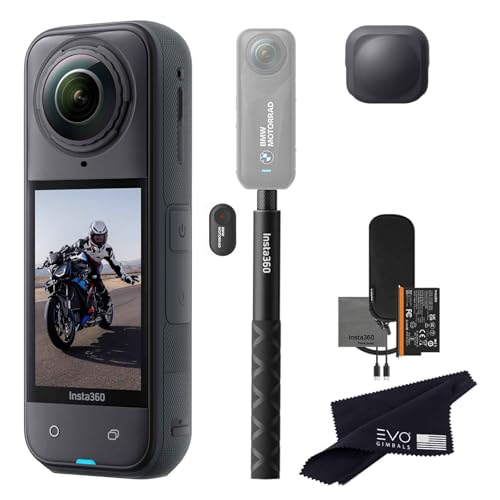
Insta360 X5 BMW Motorrad 8K Waterproof 360 Action Camera

Frelisty Mini Body Camera with Waterproof Case (Ebony)
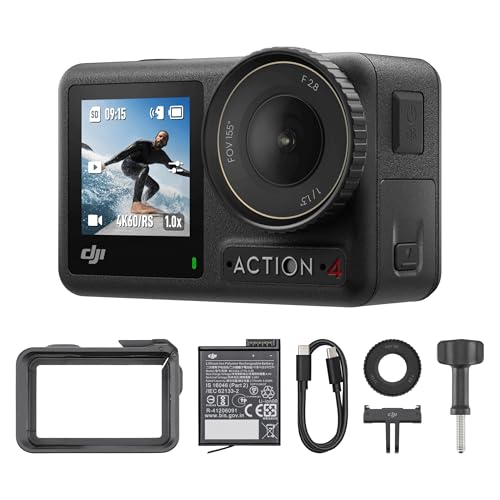
DJI Osmo Action 4 Essential Combo

Insta360 Ace Pro 2 Dual Battery Xplorer Bundle
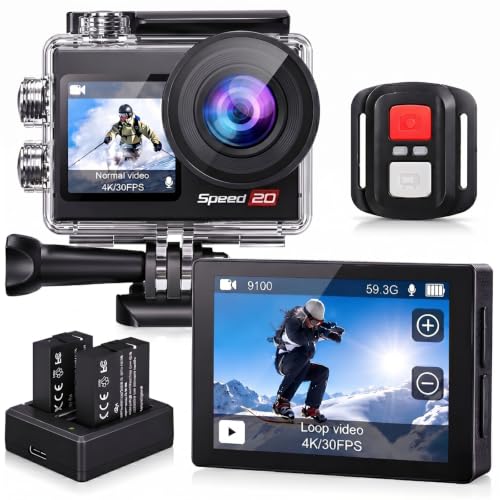
Hiicam 4K Waterproof Action Camera 20MP

CAMWORLD 4K Mini Body Camera with 64GB Card

XbotGo Falcon All-in-One 4K AI Action Camera (Green)

GoPro HERO8 Black Retail Bundle

XbotGo Falcon All-in-One AI 4K Sports Camera

XbotGo NT4 PRO Carbon Fiber Tripod 12.8ft
Why These Options Stand Out
The Insta360 X5 BMW Motorrad edition stands out because it captures everything around you simultaneously, then lets you pick the best angles later. For skiers, that means a single run can yield a follow-cam shot, a selfie perspective, and a wide landscape view from one recording session, with no need to constantly reposition the camera.
The upgraded 2800mAh Ultra Battery addresses one of the biggest pain points on cold chairlifts, offering noticeably longer recording windows than the standard cell. Pair it with the invisible selfie stick and the lens cap from the basic bundle, and you have a complete snow-day rig ready to mount on a pole, helmet, or chest harness.
Everyday Wins
- 360-degree capture eliminates framing mistakes mid-run, so you never miss a turn
- Larger battery keeps recording through long lift lines and sub-freezing temps
- 8K resolution future-proofs your footage for cropping and reframing in post
- Invisible selfie stick creates drone-like third-person angles without a pilot
- Waterproof body handles snow spray and the occasional face-plant in powder
Honest Caveats
- 360 files consume storage fast, so a larger memory card is practically required
- Reframing footage adds editing time compared to a standard flat-lens camera
Feature Snapshot
Built With In Mind
Cinematic skiers who want maximum creative flexibility from a single mount point, especially those who edit their own footage and love crafting dynamic angles after the fact.
Look Elsewhere When
The Hiicam 4K action camera suits recreational skiers who prefer simple, flat-lens recording without the editing workflow that 360 footage demands.
At roughly 26 grams, the Frelisty mini body camera barely registers on a helmet or jacket, which makes it a strong match for skiers who dislike the bulk of traditional action cams. The waterproof case adds a layer of protection against snow, sleet, and the occasional crash into a slushy snowbank.
The matte black finish stays clean in powdery conditions, and the rounded body shape slides easily under a goggle strap or jacket collar. Skiers looking for a set-and-forget POV camera that records hands-free will find this one unobtrusive, though it leans more toward casual capture than high-end production work.
Positive Takeaways
- Ultra-lightweight build means no neck strain during long ski days
- Waterproof case shields electronics from snow and moisture
- Pocketable size makes it easy to swap between helmet and jacket mounts
Things To Consider
- Small size means a smaller battery, so runtime will be shorter than bulkier competitors
- Limited onboard controls suit casual recording more than granular manual adjustments
- Storage fills quickly at higher resolutions, requiring frequent card swaps
Right Fit For
Helmet-mount enthusiasts who want the lightest possible POV camera and don’t need advanced manual controls during their runs.
Reach For A Different Pick When
The CAMWORLD 4K Mini Body Camera offers a similar form factor with a built-in screen and magnetic mount for skiers who prefer quick-angle adjustments on the fly.
The DJI Osmo Action 4 earns its place here primarily because of how it handles dawn, dusk, and overcast storm skiing. The larger 1/1.3-inch sensor pulls in more light than smaller competitors, which means cleaner footage when the sun is behind the clouds or you’re shooting into shadowy tree runs.
Compared to the Insta360 Ace Pro 2 covered later in this article, the Osmo Action 4 uses a traditional flat-lens design that simplifies editing for skiers who just want to point, shoot, and share. The Essential Combo bundles the core accessories needed to start recording without forcing extra purchases on day one.
The Good Stuff
- Large sensor delivers cleaner low-light footage than typical action cam rivals
- 10-bit color depth captures richer gradients in snowy scenes
- D-Log M profile preserves more editing flexibility for color grading
- Waterproof body handles snow, sleet, and shallow creek crossings
Points To Note
- Some color profiles require post-processing to look their best
- Battery life drops noticeably in sub-freezing temperatures, so spares are wise
At A Glance
Whose Shelf It Belongs On
Skiers who regularly shoot early morning, late afternoon, or storm-day footage and want better low-light clarity than typical action cams provide.
Not Your Match When
The Insta360 X5 suits skiers who want the option to reframe angles after the run rather than committing to a single fixed perspective.
The Insta360 Ace Pro 2 leans into flagship territory with a Leica-co-engineered sensor and a flip screen that helps frame shots when the camera is mounted low on a chest rig or pole. For skiers who shoot at varied angles, that flip screen is genuinely useful instead of a gimmick.
The Dual Battery Xplorer Bundle addresses cold-weather runtime by throwing in a second battery, so you can swap cells mid-lodge without waiting for a charge. Compared to the X5 covered earlier, this model uses a single-lens design that produces flat, traditional footage without requiring reframing in post.
Where It Helps
- Leica color science delivers cinematic-looking footage straight out of camera
- Flip screen simplifies framing on helmets, poles, and chest mounts
- Second battery in the bundle extends cold-weather shooting sessions
- AI noise reduction cleans up wind audio at higher elevations
Worth Bearing In Mind
- Higher resolution files demand faster memory cards and more storage
- Premium pricing puts it out of reach for casual recreational skiers
Key Product Details
Made For
Serious ski filmmakers who want top-tier image quality, color science, and the convenience of a flip screen for creative mounting angles.
Swap It Out When
The DJI Osmo Action 4 makes more sense for skiers who want strong low-light performance at a more accessible investment level.
The Hiicam 4K action camera delivers a lot of features for recreational skiers who want solid footage without the flagship investment. A 170-degree wide-angle lens captures more of the slope, which helps when you’re pointing the camera down a run rather than aiming with precision.
Unlike the premium Insta360 models earlier in this article, this camera sticks to a traditional single-lens workflow that requires no reframing. The included remote and touchscreen make it easy to start and stop recording with gloves on, which matters more than spec sheets suggest on a cold morning.
A Favorable Mix
- Wide 170-degree field of view captures more of the mountain per frame
- Touchscreen and remote simplify control with gloves or numb fingers
- Waterproof rating handles snow immersion better than most recreational picks
- 5X zoom adds framing flexibility when you’re not skiing close to subjects
A Few Limitations
- Image stabilization trails flagship models during high-speed mogul runs
- Low-light clarity falls short of larger-sensor competitors
Best Suited To
Recreational resort skiers who want versatile recording features at a budget-friendly investment, especially for family-friendly ski days and social clips.
Consider Something Else When
The GoPro HERO8 Black suits skiers who want a deeper accessory ecosystem and more refined stabilization for choppy terrain.
The CAMWORLD mini body camera fills a niche that helmet-only action cams don’t quite reach: flexible, body-mounted POV recording. The magnetic mount means you can pop the camera onto a jacket, chest harness, or even a metal helmet vent without fiddling with straps mid-run.
The included 64GB card means you can start recording immediately, which is a small but appreciated touch. Compared to the Frelisty covered earlier, this model adds a built-in screen for quick playback and a slightly more versatile mounting approach for varied ski positions.
The Helpful Details
- Magnetic mount enables quick repositioning between runs and locations
- Built-in screen simplifies framing and quick playback review
- WiFi connectivity streamlines file transfers to phones on the chairlift
- 150-degree wide lens balances POV immersion with steady framing
Trade-Offs
- Magnetic mount is less secure than traditional screw mounts for aggressive skiing
- Small body means limited battery capacity for full-day sessions
Who It Suits Best
Skiers who want a grab-and-go POV camera with flexible mounting options and quick file transfers between runs.
A Better Fit Elsewhere
The Hiicam 4K Waterproof Action Camera suits skiers who prefer a touchscreen interface and a wider field of view for capturing more of each run.
The XbotGo Falcon takes a different angle than most ski cameras on this list by focusing on AI-assisted tracking. The onboard AI follows a chosen subject across the frame, which is genuinely useful for solo skiers who want to record themselves without a friend behind the camera.
For resort-side setups or filming a partner’s run from a fixed mount, the AI tracking keeps the skier centered automatically. The 4K resolution pairs well with the auto-framing, producing footage that looks deliberately composed rather than hastily captured.
Useful Strengths
- AI tracking removes the need for a dedicated camera operator on the slopes
- 4K resolution pairs with auto-framing for composed-looking footage
- All-in-one design means no separate phone or companion app required
- Bright green color is easy to spot in the snow if dropped
Worth Noting
- AI tracking works best in good lighting, with mixed results during heavy snowfall
- Fixed-mount use cases suit this camera better than helmet or body mounting
Perfect Match For
Solo skiers who want a set-it-up-and-go filming solution that follows their movement without manual camera operation.
Skip It When
The Insta360 X5 suits skiers who prefer helmet or pole mounting with the flexibility to reframe footage after the run is done.
The GoPro HERO8 Black remains a strong ski camera largely because of its mature accessory ecosystem. Helmet mounts, chest harnesses, pole adapters, and protective housings have been refined for years, so you can find nearly any mounting solution without hassle.
This retail bundle pairs the camera with a Shorty mini-extendable pole, a head strap, a 32GB SD card, and a second battery, which covers most of what a first-time ski filer actually needs. Compared to the newer DJI and Insta360 models above, the HERO8 trades some image quality for that established accessory support.
Benefits That Matter
- Comprehensive accessory ecosystem simplifies ski-specific mounting setups
- Bundle includes essential extras like a head strap and spare battery
- HyperSmooth stabilization handles bumpy mogul runs effectively
- Folding mount fingers allow quick swaps between mounts
Points To Keep In Mind
- Older sensor generation shows limitations in extreme low-light conditions
- Side door design requires care in cold weather to avoid sticking or cracking
Who Should Grab It
Skiers who value a deep accessory ecosystem and want a battle-tested camera that integrates with mounts they may already own.
Where A Sibling Pick Shines
The DJI Osmo Action 4 fits skiers prioritizing modern sensor performance and low-light clarity over legacy mount compatibility.
The standard XbotGo Falcon shares the same AI tracking and 4K capture as its green sibling earlier in this roundup, but in a different color finish. The experience is intentionally streamlined for casual users who don’t want to fiddle with manual settings on a cold lift.
Compared to the Insta360 and GoPro options above, this camera leans toward hands-off operation, which is appealing for skiers who just want decent footage without a learning curve. It also doubles as a tripod-friendly setup for filming from a lodge deck or fixed slope-side position.
Real Benefits
- Simplified interface suits skiers who don’t want manual configuration options
- AI tracking handles framing automatically for solo recording sessions
- All-in-one design removes dependency on a paired smartphone
- 4K resolution keeps footage sharp for sharing on social platforms
Possible Compromises
- Limited manual controls may frustrate skiers who want creative flexibility
- Smaller user base means fewer third-party accessory options
Right Fit For
Casual weekend skiers who want set-and-shoot simplicity and don’t plan to dive deep into manual camera settings or editing workflows.
Another Choice May Suit
The GoPro HERO8 Black bundle suits skiers who want a broader range of mounts and manual control for more involved filming setups.
The XbotGo NT4 PRO tripod isn’t a camera itself, but it earns a spot here as a complementary accessory for skiers who want elevated, slope-side filming angles. Reaching nearly 13 feet, it lifts a Falcon camera or compatible action cam well above eye level for clean, unobstructed run captures.
Carbon fiber construction keeps the weight manageable, which matters when you’re hauling gear to a mountain location. The horseshoe foot pads provide stability on packed snow, and the air-cushioned center column prevents the camera from slamming down during height adjustments.
Key Advantages
- Tall 12.8-foot reach captures slope angles that helmet mounts can’t achieve
- Carbon fiber build balances rigidity with manageable carry weight
- Air-cushioned column protects the camera from sudden drops during adjustments
- Horseshoe foot pads grip packed snow more reliably than standard feet
Practical Considerations
- Full extension is unstable in high winds, requiring extra caution on exposed ridges
- Bulk limits this to fixed-position filming rather than on-body use
Who Will Love This
Skiers building a fixed, resort-side filming station who want elevated angles to capture runs passing by or coaching footage from above.
Where Another Pick Suits Better
The XbotGo Falcon AI action camera is the better choice for skiers who want a fully portable filming solution without tripod-scale gear to manage.
Factors Worth Weighing Before Choosing A Ski Camera
Cold-weather performance is the first thing that separates a dedicated ski camera from a generic action cam. Battery drain accelerates below freezing, so cameras with larger cells or bundled spare batteries give you more run-time on the mountain. Look for models that handle sub-zero conditions gracefully, since thin plastic housings can become brittle and prone to cracking if dropped on ice.
Waterproofing matters more on snow than many skiers expect. Powder spray, falling into a slushy bank, and sudden weather changes all expose cameras to moisture. A sealed body or included waterproof case means you can keep recording without panicking when flakes start flying sideways.
Mounting versatility determines how creative your footage can get. Helmet mounts offer a natural first-person feel, chest harnesses add stability and capture pole plants, and pole or monopod mounts give you a unique third-person perspective. Cameras that work with standard mounts unlock more shooting styles.
Video resolution and frame rate influence how usable your footage is later. 4K at 60fps gives you smooth motion and room to crop in editing, while higher resolutions like 8K future-proof your library for sharper re-frames. For most recreational skiers, 4K at 60fps hits a practical sweet spot without overwhelming storage.
Stabilization is non-negotiable on skis. Even groomed runs produce vibration, and moguls, park features, and choppy snow create harsh bumps. Electronic or optical stabilization smooths out footage so your runs look polished instead of shaky, which matters whether you’re sharing clips with friends or building a reel.
What To Watch Before Buying
Where Shoppers Go Wrong
Picking a camera based on resolution alone is a common trap. A 4K sensor with weak stabilization produces worse footage than a stabilized 1080p capture. Skiers who chase the highest number on the spec sheet sometimes overlook features that actually affect daily usability on the slopes.
Another mistake is underestimating cold-weather battery drain. Most action cams lose significant runtime when temperatures drop, and skiers who don’t budget for spare batteries or in-lodge charging often find their camera dying mid-afternoon. Plan for backup power before your first run.
Where The Extra Money Goes
Premium ski cameras invest in larger sensors that capture more light, which translates directly to better footage in shaded tree runs and overcast storm skiing. Higher-end models also tend to include better microphones, stronger waterproofing, and more refined stabilization algorithms that survive bumpy descents.
The upgrade from a budget action cam to a flagship model usually pays off in post-production flexibility, since richer color depth and cleaner low-light footage leave more room for editing. For skiers who plan to color grade, share cinematic clips, or build a portfolio, the extra investment often justifies itself.
Frequently Asked Questions
Do I really need a waterproof action camera for skiing?
Waterproofing protects against powder spray, sleet, and the occasional crash into wet snow. Even if you don’t plan to submerge the camera, moisture exposure during normal skiing can damage electronics over time.
How does cold weather affect action camera battery life?
Cold temperatures reduce battery capacity significantly, often cutting runtime by a third or more in sub-freezing conditions. Carrying spare batteries in an inside pocket helps keep them warm until you need them.
Is 4K resolution enough for ski footage?
4K at 60fps delivers sharp, smooth footage suitable for most sharing platforms and gives you room to crop in editing. Higher resolutions like 8K add future-proofing but require larger storage and faster memory cards.
What’s the best mounting position for skiing?
Chest harnesses produce stable, immersive footage with natural arm movement visible, while helmet mounts capture exactly what you see. Pole mounts create dramatic third-person angles but require accessories and add weight.
Can I use a regular action camera for skiing without specialized gear?
Most action cams work fine for skiing if you have appropriate mounts and protective housing. Specialized ski gear mainly adds convenience, cold-weather optimization, and quick-release mounting for variable conditions.
Closing Remarks
The best action camera for skiing is the one that matches your filming style, cold-weather expectations, and editing appetite. Recreational skiers will find plenty to like in mid-range options with reliable stabilization, while serious content creators may gravitate toward flagship models with larger sensors and richer color science. Take stock of how you plan to use the footage, then pick the camera that turns those runs into memories worth revisiting.