Whether you’re chasing a downhill line, paddling into shore break, or clipping a camera to your dog for a trail run, the right action sports camera turns shaky memories into something worth rewatching. Modern models handle low-light trailheads, salty surf, and helmet-mounted road rides without flinching. This guide walks through ten distinct picks, from flagship 8K rigs to featherweight wearable cameras, so you can match the tool to the moment.
The Choices Worth Comparing
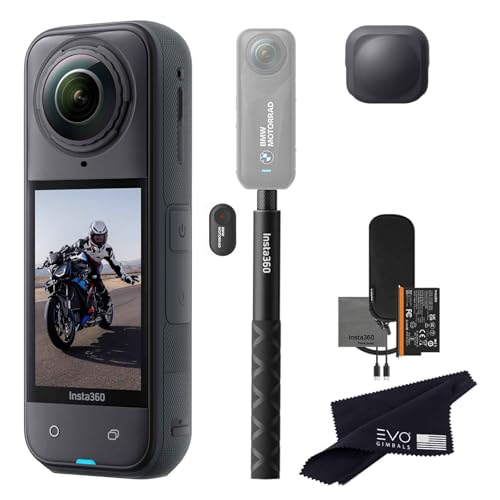
Insta360 X5 BMW Motorrad Limited Edition 8K 360 Action Camera
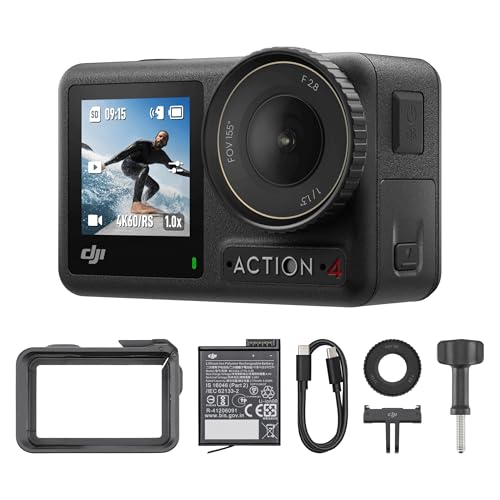
DJI Osmo Action 4 Essential Combo

Frelisty Mini Body Camera with Waterproof Case (Ebony)

Insta360 Ace Pro 2 Dual Battery Xplorer Bundle

DJI Osmo Action 5 Pro Essential Combo

CAMWORLD 4K Mini Body Camera with 64GB Card

XbotGo Falcon All-in-One 4K Action Camera (Green)

XbotGo Falcon All-in-One AI Action Camera

DJI Osmo Action 6 Essential Combo 8K

XbotGo NT4 PRO Carbon Fiber Tripod 12.8ft
The Picks, Examined More Closely
The X5 pairs dual large 1/1.28-inch 48-megapixel sensors with full 8K 360 HDR capture, meaning you record everything around you and reframe the highlights later in the app. For motorcyclists, that translates to never missing the corner you wished you’d pointed at: a single clip yields three or four finished angles without re-mounting the camera.
The BMW Motorrad edition adds a longer-running Ultra Battery (a 17% capacity jump over the standard cell) plus a stealth selfie stick that vanishes from the final edit. Compared to the Osmo Action 4 below, you trade traditional front-screen framing for the freedom to crop after the fact, which suits anyone documenting a full ride rather than narrating to lens.
What Earns Its Place
- 360-degree capture lets you extract flat, stabilized clips long after the action ends
- Dual large sensors hold detail in mixed lighting, from shaded forest to bright sky
- Upgraded 2800mAh battery stretches continuous recording past standard endurance modes
- Invisible selfie stick creates the illusion of a third-person camera operator
- 72-megapixel stills pull from the same sensor pair for sharp photo breaks during a session
Things To Weigh Up
- 360 reframing adds editing time compared to a fixed-angle camera like the Ace Pro 2
- Bundled lens cap and stick are great, but full accessory kits for the X5 tend to grow quickly
Feature Snapshot
Who It Suits Best
Riders and travelers who want one clip to cover every angle and prefer editing later to guessing right in the moment.
Consider Something Else When
Solo vloggers narrating to the lens should look at the Insta360 Ace Pro 2, which uses a flip screen and traditional framing.
The Action 4 leans on a generous 1/1.3-inch sensor with 2.4-micrometer pixels, the kind of physical sensor real estate that matters when dusk falls mid-ride. Auto white balance also stays steady underwater, so divers get natural color instead of the blue-green cast older action cams were known for.
The Essential Combo keeps the package lean: camera, battery, and the magnetic quick-release mount that makes swapping between helmet and handlebar fast. Compared to the X5 above, this is a traditional fixed-lens camera, which is exactly what most cyclists, surfers, and snorkelers actually need.
Practical Pluses
- 10-bit color depth (one billion shades) captures subtle gradients that 8-bit cameras flatten
- D-Log M profile preserves headroom for color grading in post
- Magnetic mount speeds transitions between chest and helmet setups
Honest Caveats
- Fixed lens means no reframing after the fact like the X5 offers
- The Essential Combo skips the extra battery some riders prefer to carry
Right Fit For
Active shooters who film at dawn, dusk, or in deep water and want accurate color without a heavy editing workflow.
Look Elsewhere When
Riders who want every angle from one mount will get more value from the X5’s 360 capture.
Twenty-six grams is roughly the weight of a couple of paper clips, and that number alone tells you what this camera is for. The matte black finish resists fingerprints, the rounded body clips to a collar or strap without snagging, and the included waterproof case handles rain, splash, or shallow submersion.
Where flagship models chase 8K, this one prioritizes a footprint you forget you’re wearing. It slots in as a different category entirely from the X5 or Osmo Action series: less video muscle, more wearable simplicity.
What It Does Well
- Sub-30-gram body suits long shifts where heavier cameras cause neck fatigue
- Black matte shell stays clean during handling
- Waterproof case adds confidence in unpredictable weather
Soft Spots
- Lower-tier video specs compared to flagship action cameras
- Body-only format means you’ll want to budget for a quality clip or mount
Made For
Runners, dog walkers, and outdoor pros who want a grab-and-go wearable that doesn’t announce itself.
Not Your Match When
Filmmakers chasing cinematic resolution should step up to the DJI Osmo Action 6 Essential Combo.
The Ace Pro 2 was co-engineered with Leica, and that partnership shapes how color lands on the sensor. A 1/1.3-inch flagship sensor pushes 8K30 and 4K60 with on-device AI noise reduction, so handheld walking footage looks closer to stabilized gimbal work than to typical action-cam shakiness.
The 2.5-inch flip screen is the real workflow shift: face it forward for vlogs, back for run-and-gun framing. The Xplorer Bundle ships with two batteries, which is the difference between a full day’s shoot and an afternoon.
Key Advantages
- Leica-tuned color science produces natural skin tones straight out of camera
- Flip screen is rare in this category and unlocks true self-recording angles
- Dual-battery bundle removes mid-day charging anxiety on long shoots
- AI noise reduction cleans up wind and ambient audio without laptop work
Points To Keep In Mind
- Higher resolution modes write large files; a quality card is a smart companion purchase
- Traditional lens design, so unlike the X5, you commit to one framing in the field
At A Glance
Whose Shelf It Belongs On
Vloggers and hybrid creators who want accurate color and a forward-facing screen without juggling accessories.
A Better Fit Elsewhere
Riders who never frame themselves should consider the DJI Osmo Action 5 Pro for its low-light pedigree.
The Action 5 Pro keeps the same 1/1.3-inch sensor footprint as its predecessor but pairs it with a 4-nanometer processor that handles autofocus and noise reduction with more authority. The headline number is 13.5 stops of dynamic range, which matters when you’re shooting from a shadowed trail into a sunlit clearing without losing detail in either zone.
Subject tracking stays locked during fast pans, so cyclists banking through corners don’t end up with a softened face mid-turn. Compared to the Ace Pro 2 above, the trade-off is a less saturated, more documentary-feeling color profile out of camera.
Noteworthy Benefits
- 13.5-stop dynamic range holds highlight and shadow detail in mixed lighting
- 4nm chip speeds autofocus and reduces motion blur at speed
- Always-focused subject tracking follows moving riders and surfers cleanly
Less Ideal Details
- Color profile skews neutral rather than vibrant, which some users prefer to grade
- Essential Combo keeps accessories minimal
Who Will Love This
Trail runners, commuters, and after-hours riders who shoot often when the sun is low or gone.
Swap It Out When
Vloggers wanting punchy in-camera color should consider the Insta360 Ace Pro 2 instead.
The CAMWORLD thumb camera shoots 4K at 30 frames per second through a 150-degree wide-angle lens, which lands close to the FOV the human eye actually sees, just stretched a touch wider. The included 1.47-inch HD screen on the back is small but useful for framing a clip when you don’t want to fish out a phone.
Magnetic mounting is the headline feature here: snap it to a chest plate, helmet, or dog harness in seconds. The 64GB card ships in the box, so you can start shooting the moment it arrives.
Strong Points
- Magnetic mount attaches to metal surfaces and compatible plates without tools
- Built-in screen removes the phone-check habit mid-activity
- Bundled 64GB card means zero extra purchases to start filming
- WiFi connection enables quick phone transfers for fast social sharing
Worth Noting
- Wide FOV introduces mild edge distortion that some viewers find distracting
- Smaller body means shorter battery life than full-sized action cams
Feature Rundown
Best Suited To
Cyclists, motorcyclists, and pet-cam users who want wearable 4K with quick phone-off handoff.
Reach For A Different Pick When
Filmmakers chasing image quality above all should look at the DJI Osmo Action 5 Pro for sensor size.
The Falcon is built for a specific scene: a youth soccer field, a basketball sideline, a hockey rink. It records 4K while an onboard AI system tracks the action, which means parents and coaches stop babysitting a camera and start watching the game. The 6 TOPS AI performance figure refers to trillions of operations per second, a measure of how fast the chip can recognize and follow players.
Unlike a body-mounted action cam, this sits on a tripod and tracks automatically. Owners commonly report that setup takes a couple of matches to dial in, but once tuned, the camera handles the busy choreography of team sports well.
Good Reasons To Consider
- Auto-tracking AI follows players so you can coach or spectate
- 4K resolution preserves detail for highlight reels
- Live streaming built in for sharing with family elsewhere
- All-in-one design avoids buying separate tracking software
A Few Limitations
- Tracking accuracy depends on clear sight lines; crowded sidelines can confuse it
- Tripod-based, so not wearable for first-person sports
- AI tuning benefits from a learning period per venue
Who Should Grab It
Coaches, league organizers, and sports parents who want full-game footage without a cameraperson.
Skip It When
Solo athletes who want a helmet-mounted ride-along should consider the Insta360 X5 instead.
The non-green variant of the Falcon leans into the same auto-tracking formula with the same 6 TOPS AI performance and 8-core processor. Color choice aside, the real-world behavior matches its sibling above: recognize the play, follow the player, capture 4K.
One difference is aesthetic preference; performance-wise, expect the same tracking smoothness and the same occasional confusion when multiple players cross the frame. Owners commonly report the same setup patience as the green model.
Everyday Advantages
- Hands-free tracking suits busy sports parents
- 4K recording preserves crop-friendly detail in post
- Live streaming keeps remote family in the loop
Factors To Consider
- Best results require stable tripod placement and unobstructed view
- AI recognition occasionally needs manual correction mid-game
Spec Overview
Built With In Mind
Field sport organizers who want reliable auto-tracking and don’t mind a tripod-mounted setup.
Where A Sibling Pick Shines
Surf and snow athletes need a body-mounted option; the CAMWORLD mini body camera fits that brief better.
The Action 6 introduces something unusual in this category: a variable aperture that swings between f/2.0 and f/4.0. Aperture controls how much light enters the lens, so a wider f/2.0 setting gathers more light for dim scenes while f/4.0 sharpens bright daylight. Combined with the all-new 1/1.1-inch square sensor, this camera adapts rather than forces a one-size-fits-all exposure choice.
Compared to the Action 5 Pro, you trade a slightly smaller sensor footprint for aperture control and a bump to true 8K capture. For hybrid creators shooting indoors one day and on a sunny trail the next, that flexibility pays off.
A Favorable Mix
- Variable aperture adapts between dim and bright scenes without manual filter swaps
- 1/1.1-inch square sensor delivers strong color and detail
- 8K resolution gives editors real cropping room in post
- Waterproof build handles rain, surf, and snow out of the box
Possible Compromises
- Newer sensor means some older accessories may need adapter plates
- Essential Combo is light on extras, similar to other Essential kits here
Feature Snapshot
Made For
Hybrid shooters who move between low-light interiors and bright outdoor scenes in the same week.
Another Choice May Suit
Budget-focused shoppers should consider the DJI Osmo Action 4 instead for similar results at a friendlier cost.
Strictly speaking, the NT4 PRO is a tripod, not a camera, but it earns its spot because the Falcon cameras above need a stable, tall base to track properly. Carbon fiber keeps the weight at roughly 6.57 pounds while reaching 12.8 feet (3.9 meters), which puts the lens above most spectator seating and fencing.
Air-cushioned center column and horseshoe foot pads keep it planted on grass, turf, or hard courts. In most gyms, you’ll want to confirm ceiling clearance before fully extending.
Reasons It Performs
- 12.8-foot maximum height covers sideline-to-midfield perspectives
- Carbon fiber construction balances rigidity and portability
- Air-cushioned column protects cameras during lowering adjustments
- Horseshoe feet stay stable on grass and turf surfaces
- Designed as a seamless match for Falcon cameras
Points To Note
- Tall profile requires care in wind; gusts can stress the head at full extension
- Carbon fiber care means avoiding hard knocks at the joints
Perfect Match For
Coaches, scouts, and league videographers who run a Falcon camera and want elevated, stable footage.
Not Your Match When
Casual weekend warriors don’t need this much stand; a shorter tripod handles most backyard use.
What Matters Most Before Choosing Action Sports Cameras
Sensor Size Over Megapixel Count
Megapixels make headlines, but sensor size shapes what actually lands on the sensor. A 1/1.3-inch sensor gathers more light than a 1/2.3-inch sensor of the same pixel count, which is why the DJI Action 4 and 5 Pro hold up at dusk while smaller-sensor cameras fall apart. If you shoot often in mixed or low light, sensor size matters more than raw resolution.
Stabilization, Audio, and Mounting
Onboard stabilization (electronic or optical) keeps mountain bike descents watchable, and AI noise reduction helps when wind would otherwise dominate the audio track. Mount compatibility matters just as much: magnetic systems like the CAMWORLD and DJI magnetic mount swap fast, while traditional thumbscrew mounts grip tighter on rough terrain. Match the mount to your main activity before falling in love with a body.
Battery Life and Field Serviceability
Cold weather cuts battery capacity, and high-resolution modes draw more power than 4K30. Owners commonly report that having a second battery on hand turns a frustrating day into a smooth one, which is why bundles like the Insta360 Ace Pro 2 Xplorer earn their keep. Also consider whether the battery is user-replaceable at all: some wearables like the Frelisty mini have sealed cells that need USB charging instead.
Use Case Drives Format
A 360 camera reframes after recording; a fixed-lens camera commits in the moment. A wearable thumb cam disappears into a collar, while a tripod-mounted AI tracker stays put on the sideline. Each form factor solves a different problem, and the right pick matches the activity, not the spec sheet.
Key Considerations Across These Picks
Common Buying Slip Ups
Shoppers often chase the highest resolution on the list, then realize 8K files eat storage and require a recent phone or laptop to edit smoothly. Another trap is assuming every action camera is waterproof out of the box; some wearables need their included case, and depths beyond a few meters often require extra housing. Finally, ignoring mount compatibility leads to a drawer full of adapters. Check your existing gear before settling on a body style.
Where The Extra Money Goes
Flagship cameras like the Insta360 X5 and DJI Osmo Action 6 spend their premium on larger sensors, longer battery systems, and 360 or variable-aperture features that actually change the look of your footage. Mid-tier models like the Osmo Action 4 still deliver excellent low-light results at a less aggressive cost, and entry wearables trade raw specs for size and convenience. The upgrade is worth it when you shoot often in tough light or need flexibility after the fact; it isn’t worth it for occasional weekend clips where a simple thumb cam covers the brief.
Frequently Asked Questions
How many frames per second do I really need?
For online sharing and casual replay, 30fps looks smooth and keeps file sizes manageable. Slower-motion work benefits from 60fps or higher, especially for surf cutbacks or bike jumps where the speed differential is dramatic.
Are 360 cameras worth the learning curve?
A 360 camera removes framing decisions from the moment and pushes them into editing, which suits event-style shooting where the action moves unpredictably. Traditional fixed-lens cameras suit riders who know what they want to capture and prefer to lock in the angle in the moment.
Do I need a tripod if my camera has stabilization?
Stabilization smooths handheld motion, but a tripod adds elevation, stability for long sessions, and a stable base for AI tracking cameras. For action cam footage on the move, the camera alone is fine; for team sports or extended scouting, a stand like the NT4 PRO opens new angles.
Can action cameras handle saltwater?
Most waterproof action cameras tolerate splashes and brief submersion, but salt corrodes seals over time. Rinsing with fresh water after each saltwater session is a widely recommended habit that extends the life of the housing.
What’s the difference between f/2.0 and f/4.0?
Aperture numbers describe how wide the lens opens. f/2.0 lets in more light (good for dusk or indoor shots), while f/4.0 narrows the opening for sharper results in bright daylight. Variable aperture cameras like the Action 6 let you choose per scene.
Closing Thoughts
Pick the camera that matches the activity you actually do most: helmet cams for riding, wearables for long days, AI trackers for sideline footage, and tripods for elevated shots. Your best results will come from a tool you carry and use, not the most expensive box on the shelf.