A great action underwater camera does more than survive a dunk. It pulls sharp detail from dim reef shadows, steadies a choppy paddle-board shot, and stays pocketable when you climb back into the boat. With so many options, from rugged compacts built for casual snorkelers to flagship action cams co-engineered with serious optics houses, choosing the right one feels harder than it should. This roundup covers ten action-ready waterproof cameras across a wide range of depths, sensor sizes, and price points, so you can match the gear to the way you shoot.
The Main Contenders

Yifecial 4K Underwater Camera 64MP 16FT Compact Waterproof with 16GB Card

Insta360 Ace Pro 2 Dual Battery Xplorer Bundle with 128GB Card
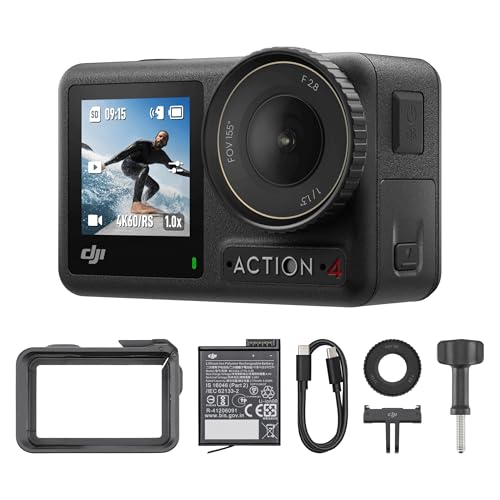
DJI Osmo Action 4 Essential Combo Waterproof Action Camera

AKASO EK7000 4K30FPS 20MP WiFi Action Camera 131FT Waterproof

AKASO EK7000 Pro 4K30fps Action Camera with Touch Screen

AKASO Brave 4 Action Camera 4K30 Ultra HD Waterproof
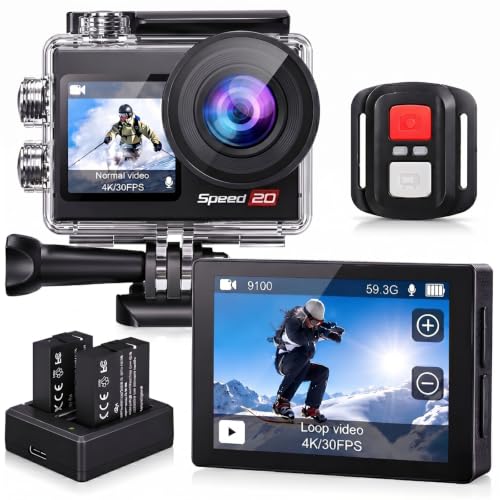
Hiicam Action Camera 4K 20MP Touch Screen 131FT Waterproof

DJI Osmo Action 5 Pro Essential Combo Waterproof Action Camera

GoPro HERO8 Black Retail Bundle with Shorty and Head Strap

DJI Osmo Action 6 Essential Combo 8K Waterproof Action Camera
A Breakdown Of The Leading Choices
If you mostly shoot at the lake or pool, a deep-rated housing is overkill. The Yifecial compact waterproof camera keeps things simple with a fixed 16-foot underwater rating, which is plenty for snorkeling and casual pool sessions. The body stays small enough to stash in a dry-bag pocket or a swimsuit pouch, and the included 16GB card gets you filming the moment you unbox it.
Powered by a CMOS sensor that captures 4K video and 64-megapixel stills, this is one of the few budget-friendly options that lands both a high-resolution photo and a usable video mode in a single compact body. The honest read is that you give up the rugged accessory ecosystem and advanced stabilization found on pricier action cams, so this works best as a dedicated point-and-shoot for water days rather than a do-everything rig.
Advantages To Know
- Tiny, lightweight build that slips into a beach bag without bulk.
- 64MP stills give you real cropping room for large prints.
- Preloaded 16GB card means you can shoot right out of the box.
- 4K video handles bright tropical water and poolside footage well.
Honest Caveats
- A 16-foot depth limit rules out scuba diving.
- Image stabilization is basic, so choppy boat rides can come through shaky.
- Low-light performance drops noticeably in murky or shaded water.
Right Fit For
Pool owners, beach-goers, and casual snorkelers who want a grab-and-go camera without learning a complex menu system.
Look Elsewhere When
Divers planning to push past recreational depths should consider the DJI Osmo Action 4 Essential Combo, which pairs tougher waterproofing with stronger low-light color.
Where the Yifecial handles the shallows, the Insta360 Ace Pro 2 aims squarely at creators who need flagship-grade footage. A co-engineered Leica design and a 1/1.3-inch sensor give it noticeably better dynamic range than smaller compact bodies. You can shoot 8K at 30fps, push 4K at 60fps, and pull usable stills in dim reef canyons, which is where most action cams start to fall apart.
The Dual Battery Xplorer Bundle ships with a second battery and a 128GB card, so a full day of snorkeling and topside shooting isn’t a guessing game. The 2.5-inch flip screen also makes framing much easier when the camera is mounted low on a chest harness or a helmet. AI noise reduction on the built-in mic helps cut wind chop during boat rides, though serious vloggers will still want an external lav for clean dialogue.
Where It Helps
- The large 1/1.3-inch sensor pulls in noticeably more light than budget options.
- Leica co-engineering adds confident color science straight out of camera.
- 8K30 and 4K60 give you real cropping and reframing latitude in post.
- The flip screen simplifies framing when mounting in awkward spots.
- Bundled spare battery and 128GB card extend real-world shoot time.
Trade-Offs To Consider
- Premium pricing puts it well above casual hobbyist budgets.
- Heat can creep in during long 8K recording sessions in warm climates.
- The learning curve is steeper than a basic point-and-shoot.
Quick Facts
Best Suited To
Travel creators and active divers who want flagship image quality and don’t mind paying for it.
Reach For A Different Pick When
If you shoot mostly bright tropical reef and want a much friendlier price, the AKASO EK7000 4K30FPS 20MP WiFi Action Camera 131FT Waterproof handles the same kinds of scenes at a fraction of the cost.
Low light is where most underwater cameras stumble, and the Osmo Action 4 makes it a deliberate focus. Its 1/1.3-inch sensor with 2.4-micrometer pixels is the secret to cleaner shadows on dusk dives and brackish inlets. Auto white balance also adjusts quickly under shifting underwater color casts, which is a quiet win for snorkelers who don’t want to fiddle with custom settings.
You also get 10-bit color depth and D-Log M, which preserves extra range for color grading in post. The Essential Combo keeps things streamlined with the core camera body and a few essentials, leaving room to add mounts as needed. For divers who care more about accurate color than 8K resolution, this is often a smarter buy than the higher-resolution flagships.
Real Benefits
- 2.4-micrometer pixels clean up dim underwater scenes noticeably.
- 10-bit color and D-Log M give you real grading headroom.
- Auto white balance handles shifting water color with minimal fuss.
- Rugged waterproof body holds up to rough beach and boat use.
Things To Weigh Up
- Resolution tops out at 4K, so it’s not for anyone chasing 8K.
- The Essential Combo skips some accessories that may matter for pro rigs.
Whose Shelf It Belongs On
Snorkelers, freedivers, and vloggers who shoot in mixed light and want reliable color without a full cinema workflow.
A Better Fit Elsewhere
Filmmakers chasing the absolute maximum resolution and a variable aperture should look at the DJI Osmo Action 6 Essential Combo 8K Waterproof Action Camera instead.
Budget buyers who still want real depth should look at the AKASO EK7000. Its included housing pushes the waterproof rating to 131 feet, which puts recreational scuba comfortably inside its reach. The 4K30 capture and 20-megapixel photos land the same resolution numbers as some pricier flagships, though image quality falls a step behind in tricky light.
Built-in electronic image stabilization (EIS) helps steady handheld footage and helmet shots, and the included remote control is genuinely useful when the camera is mounted out of reach. WiFi support also makes it easy to pull clips straight to a phone for sharing. Where it differs from the AKASO EK7000 Pro is the lack of a touchscreen, which slows down menu navigation.
A Strong Showing
- 131-foot depth rating covers recreational diving.
- EIS cleans up rough handheld and bike footage.
- Included remote control simplifies off-body mounting.
- WiFi transfer speeds up sharing to a phone.
- External mic support allows better audio capture.
Less Ideal Details
- No touchscreen means deeper menus and slower settings changes.
- Low-light color shifts noticeably toward green and blue.
Feature Card
Made For
First-time underwater shooters who want real depth on a budget and don’t mind skipping the touchscreen.
Swap It Out When
Snorkelers who prioritize touchscreen control should consider the AKASO EK7000 Pro 4K30fps Action Camera with Touch Screen EIS 131ft Waterproof.
Compared to the older EK7000, the Pro version adds the single feature that matters most to first-time shooters: a 2-inch IPS touchscreen. Switching modes, previewing clips, and adjusting exposure becomes far less of a chore. The screen is also bright enough to read in direct sun, which solves a real frustration with cheaper action cams.
Performance specs stay familiar, with 4K at 30fps, 1080p at 60fps, and 20MP photos. EIS helps stabilize helmet and bike shots, and the 131-foot waterproof housing still makes it a credible option for casual divers. The standalone bundle skips some of the extras of the larger kits, but most casual snorkelers won’t notice the difference.
What It Does Well
- The IPS touchscreen makes setup and mode changes far easier.
- 4K30 and 20MP match the older EK7000’s solid baseline.
- EIS keeps helmet footage watchable on rough rides.
- 131-foot depth rating still covers recreational dives.
- 5X zoom helps frame distant marine life.
Points To Note
- Color science is a step behind the DJI Osmo Action 4 Essential Combo.
- Low-light performance is limited, much like its sibling.
Who Will Love This
Casual snorkelers, beginner divers, and vacationers who want a touchscreen without stepping into premium pricing.
Where A Sibling Pick Shines
Creators who care about color accuracy and dynamic range should step up to the DJI Osmo Action 4 Essential Combo.
The AKASO Brave 4 leans hard into versatility. Its adjustable view angle, which switches between 170, 140, 110, and 70 degrees, makes a single camera feel like several. Wide shots capture reef walls, while narrower angles help frame a single diver or a tight bike trail without distortion. That flexibility matters most for action sports where framing changes shot to shot.
Image stabilization supports the 4K30 mode, which keeps helmet and handlebar footage smoother than expected at this level. The body is also waterproof with its housing, which lets the camera sit alongside pricier options for casual pool and snorkel use. The trade-off is a slightly heavier build than sleeker flagships.
What Stands Out
- Four adjustable view angles cover wide and narrow framing needs.
- 4K30 capture with stabilization handles helmet and bike action.
- 20MP stills deliver social-ready images.
- Mount ecosystem is broad and widely compatible.
Smaller Limitations
- Low-light image quality trails the DJI and Insta360 flagships.
- The body runs slightly bulkier than slimmer rivals.
Key Specs
Perfect Match For
Active adventurers who want one camera that handles snorkel, bike, and helmet work without a bag of extras.
Not Your Match When
If you primarily shoot in low light or want top-tier color science, the DJI Osmo Action 5 Pro Essential Combo is a smarter target.
The Hiicam model stands out by combining 4K60 video with a dual-screen setup, which is rare at this tier. The extra screen makes framing selfies and POV shots far simpler, and the 60fps capture gives you smoother motion in choppy surf. Snorkelers who film with the camera on a stick or chest mount will appreciate both improvements.
The 131-foot depth rating matches the AKASO EK7000 and EK7000 Pro, so divers can take this one along on recreational dives. EIS helps tame shake, and the 170-degree wide-angle lens suits action sports like biking and snowboarding. Where the camera falls short is in app polish and overall color accuracy compared to higher-end picks.
Notable Gains
- 4K60fps is a noticeable upgrade over 4K30 in choppy water.
- Dual screens simplify selfie framing and low-angle shots.
- 5X zoom helps with distant subjects like reef fish.
- WiFi support speeds up file transfer to a phone.
- 131-foot depth rating covers recreational scuba.
What To Weigh
- Color science is a step behind DJI’s and Insta360’s flagships.
- The companion app is functional but rougher than the competition.
Right Fit For
Snorkelers and POV hobbyists who want 60fps capture and dual screens without paying flagship prices.
Consider Something Else When
Low-light and night divers will get cleaner results from the DJI Osmo Action 5 Pro Essential Combo.
The Osmo Action 5 Pro pushes the sensor story further with an upgraded 1/1.3-inch chip and 2.4-micrometer pixels, which improves both dynamic range and low-light capture. A 13.5-stop dynamic range is meaningful for divers who shoot through shifting light, especially in caves or under ledges. Compared to the Action 4, the upgrades feel incremental on paper but cleaner in real footage.
A 4nm chip powers advanced subject tracking, which keeps faces and selected subjects centered in the frame during handheld or mounted shots. The Essential Combo keeps the package lean, leaving room for you to pick your own accessories. For action shooters who want flagship image quality but don’t need 8K, this is often the better-balanced pick.
Key Advantages
- 13.5-stop dynamic range captures detail in high-contrast water scenes.
- Subject tracking keeps people and dive buddies centered automatically.
- 1/1.3-inch sensor with large pixels handles dusk dives confidently.
- 4K video covers most creator needs without 8K file sizes.
Points To Keep In Mind
- The Essential Combo skips accessories that some users expect.
- 4K tops out where the Action 6 offers 8K flexibility.
Spec Overview
Who Should Grab It
Dawn and dusk divers, plus action shooters who want flagship color and tracking without 8K file overhead.
Skip It When
Filmmakers chasing maximum resolution and a variable aperture should step up to the DJI Osmo Action 6 Essential Combo 8K Waterproof Action Camera.
The HERO8 Black isn’t the newest GoPro on the market, but it remains a credible workhorse, especially when bundled with extras. The Retail Bundle ships with the Shorty mini extension pole, a head strap, a 32GB SD card, and a second rechargeable battery. That kit solves the most common “I bought a GoPro and now I need to buy everything else” complaint in one box.
HyperSmooth 2.0 stabilization was a real leap at release and still handles most helmet and bike footage well. The folding fingers at the base of the camera make mount swaps faster than older designs. The honest read is that newer sensors beat the HERO8 in low light, so this bundle fits travelers who shoot in bright tropical water rather than technical divers.
Notable Upsides
- Bundled accessories save the cost of buying them separately.
- HyperSmooth 2.0 still handles most casual action footage.
- Folding fingers speed up mount swaps in the field.
- Familiar GoPro app and editing workflow.
Practical Considerations
- Sensor performance trails the DJI Osmo Action 5 Pro in low light.
- Older battery design may need replacement sooner than newer packs.
Built With In Mind
Vacationers and casual action shooters who want a complete kit out of the box and don’t need the latest sensor tech.
Where Another Pick Suits Better
Filmmakers who want modern low-light performance should step up to the DJI Osmo Action 5 Pro Essential Combo.
The Osmo Action 6 sits at the top of the stack and earns it through two meaningful upgrades. A variable aperture that shifts between f/2.0 and f/4.0 lets the camera adapt to bright surface shots and dim reef canyons without filters. The 1/1.1-inch square sensor also pushes image quality past every prior Osmo generation in the same line.
For serious creators, the 8K capture unlocks reframing latitude in post, which can be the difference between usable footage and missed shots. The Essential Combo keeps the package lean, much like the Action 4 and 5 Pro versions. Where it differs from earlier Osmo cameras is that its larger sensor and aperture control show up immediately in low-light color, which matters most for divers and dawn shooters.
A Few Highlights
- Variable aperture adapts to bright and dim underwater light.
- 1/1.1-inch square sensor raises the bar on image quality.
- 8K video gives you real reframing headroom in editing.
- Low-light performance cleans up dusk and cave footage.
- Rugged waterproof body holds up to demanding shoots.
Things That May Matter
- Top-tier pricing puts it out of reach for most casual shooters.
- 8K files demand serious storage and editing horsepower.
- Essential Combo skips some accessories pros may expect.
Perfect Match For
Serious creators, filmmakers, and ambitious travelers who want flagship resolution and the flexibility of a variable aperture.
A Better Fit Elsewhere
Casual snorkelers and weekend adventurers get everything they need from the AKASO Brave 4 Action Camera 4K30 Ultra HD Waterproof at a far friendlier price.
What To Weigh Before Choosing Your Camera
Waterproof ratings matter most when depth grows. Anything under 16 feet suits pool and casual snorkeling, while 100+ feet opens up recreational scuba. Image stabilization, often listed as EIS, smooths handheld and helmet footage, but the cleanest results still come from cameras with larger sensors and stronger processors. Sensor size affects low-light color and dynamic range, which shows up immediately on dusk dives and cave shoots.
Resolution matters less than people think. 4K is the practical sweet spot for most social clips and small prints, while 8K only pays off if you reframe in post or crop aggressively. Touchscreens speed up setup but rarely affect footage quality. Audio matters less for underwater shooting than for vlogs, but built-in wind or AI noise reduction helps during topside commentary.
Accessories often shape the real experience. Bundled mounts, batteries, and memory cards save money and hassle, especially for first-time buyers. If you already own mounts from a previous camera, check compatibility before committing. Match the camera to the way you actually shoot, not the longest spec sheet, and the rest tends to fall into place.
Key Considerations Across These Picks
Pitfalls Shoppers Hit
Depth ratings can mislead. Manufacturers often quote the waterproof housing depth, not the bare camera body, and many users forget to seal the housing correctly before a dive. Always double-check the gasket and rinse the housing in fresh water afterward, especially after saltwater sessions, since salt residue shortens seal life.
Resolution and frame rate also get confused. A 4K30 camera shoots smooth motion, while a 1080p60 camera can shoot smoother slow motion. Pick the spec that fits the kind of clips you want to publish, not just the highest headline number.
Where The Extra Money Goes
Higher-tier cameras invest in larger sensors, better processors, and stronger stabilization. That combination shows up as cleaner low-light footage, smoother handheld video, and longer-lasting battery life. For divers and travelers who shoot often, those gains add up. Casual snorkelers who shoot a few times a year often get everything they need from a mid-tier model.
Frequently Asked Questions
How deep can action underwater cameras go?
Depth ratings vary widely, from around 16 feet for compact waterproof cameras to over 130 feet for action cams with included housings. Always check whether the rating applies to the camera alone or with a separate waterproof case.
Do I need 4K or 8K resolution?
For most social sharing and small prints, 4K is more than enough. 8K is worth the cost only if you plan to crop or reframe heavily in editing, or if you want future-proof footage for larger displays.
Can action cameras shoot in low light?
Some handle dim conditions better than others. Models with larger sensors, like 1/1.3-inch or 1/1.1-inch chips, generally produce cleaner low-light footage than smaller sensors found in budget options.
Are touchscreen action cameras easier to use?
Touchscreens make menu navigation and framing significantly faster, especially when swapping modes mid-dive. They also add a small bump in cost and weight compared to button-only models.
How important is image stabilization?
For handheld, helmet, and bike footage, stabilization is essential. EIS handles mild shake well, while advanced multi-axis systems handle aggressive motion more cleanly. Underwater, calmer conditions make stabilization less critical than on land.
Wrap Up
The right camera depends less on headline specs and more on where and how you actually shoot. Casual snorkelers will be happy with a friendly compact, while serious divers benefit from larger sensors and stronger waterproofing. Match the gear to your real trips, and the rest of the decision tends to follow.