Picking up a new camera can feel like staring at a wall of specs, model numbers, and lens jargon. The good news: most of the confusion melts away once you match the right tool to the kind of shooting you actually want to do. This roundup walks through ten autofocus camera options, from forgiving entry-level DSLRs to a premium prime lens that will outlive several camera bodies. By the end, you’ll have a clearer sense of which one fits your hands, your budget, and the photos you’re hoping to take home.
The Lineup, Simplified

FUJIFILM XF 33MM f/1.4 R LM WR Lens Bundle

Nikon D3500 DSLR Dual Zoom Lens (Renewed)

Canon EOS 80D DSLR Body (APS-C)

Nikon D7500 DSLR with 16-80mm Lens

Nikon D5100 DSLR with 18-55mm VR

Nikon D7500 DSLR with 18-140mm VR

STUOGYUM 4K 64MP Autofocus Travel Camera
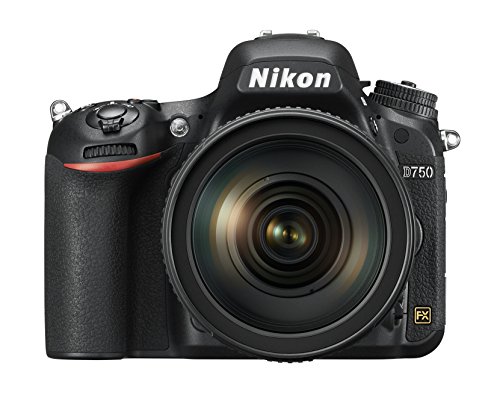
Nikon D750 DSLR with 24-120mm f/4 (Refurb)

Nikon D3300 DSLR with 18-55mm VR Kit

Nikon D3500 DSLR Bundle (11 Items)
Meet The Standout Selections
A 33mm prime with a bright f/1.4 maximum aperture lands in a sweet spot for everyday shooting. On Fujifilm’s APS-C bodies (the smaller sensor format used in most of its mirrorless cameras), the field of view translates to roughly 50mm, which most people find comfortable for portraits, street photography, and food shots alike.
Unlike the DSLR bodies further down this list, this is a lens only. You’ll need a compatible Fujifilm X-mount camera to mount it. For owners of that system who want to step up from a kit zoom, this is one of the cleanest upgrades you can make.
Notable Gains
- The f/1.4 aperture pulls in far more light than typical kit zooms, letting you shoot indoors without cranking ISO and blurring backgrounds into creamy separation.
- Linear stepping motor autofocus is both quiet and quick, useful in cafés, libraries, or anywhere silence matters.
Trade Offs
- Requires an existing Fujifilm X-series camera body, so it’s not a standalone purchase for most people.
- Prime lenses mean fixed focal length; you walk closer or farther to frame your shot.
Who Should Grab It
Existing Fujifilm X-mount shooters ready to upgrade from a kit lens and prioritize image quality over zoom flexibility.
Consider Something Else When
You don’t yet own a compatible camera body; in that case the Nikon D750 (pick 8) or Canon EOS 80D (pick 3) bundle kits are better starting points.
This renewed Nikon D3500 kit pairs the entry-level 24.2MP DSLR body with two zooms: a wide-to-portrait 18-55mm and a longer 70-300mm telephoto. Together they cover everything from group shots at a birthday party to distant wildlife on a hike. The “renewed” label means the body has been inspected and restored to working order, not that it’s fresh from a factory line.
For someone stepping up from a phone and curious about interchangeable lenses without committing to new prices, this bundle spreads the cost across two lenses instead of one.
What Stands Out
- Two-lens kit at a lower combined cost than buying the body and lenses separately.
- Nikon’s Guide Mode (an on-screen walkthrough for first-time DSLR users) makes the learning curve gentler.
- 5 fps continuous shooting handles casual sports and kids in motion.
Worth Noting
- Renewed condition means cosmetic wear is possible; inspect the listing photos and return window carefully.
- Older D3500 lacks 4K video, which may matter for vlog-style content.
Best Suited To
First-time DSLR owners who want both wide and telephoto reach without paying for two new lenses separately.
Skip It When
You shoot a lot of action in low light; the Canon EOS 80D (pick 3) handles moving subjects more confidently thanks to its denser AF module.
The Canon EOS 80D is a body-only listing, meaning no lens ships in the box. That actually suits enthusiasts who already own glass or want to choose a specific lens for their style. At its core sits a 24.2MP APS-C sensor and Canon’s Dual Pixel CMOS AF, an on-sensor phase-detection system that keeps focus locked with surprising tenacity.
The 45-point all cross-type viewfinder AF is the real story here. Cross-type sensors are sensitive to both horizontal and vertical detail, so they lock on more reliably than simpler line sensors, especially in tricky lighting.
A Few Strong Suits
- 45-point all cross-type AF tracks moving subjects like kids, pets, and amateur athletes more reliably than entry-level DSLRs.
- Dual Pixel CMOS AF makes live-view focusing on the rear LCD smooth, helpful for video and tripod work.
- Weather sealing at this tier gives you more confidence shooting outdoors in light rain.
Points To Note
- Body only; budget separately for at least one lens.
- Video tops out at 1080p, which may disappoint anyone planning a 4K channel.
Who It Suits Best
Enthusiast photographers stepping up from entry DSLRs who shoot a lot of motion and want faster, more decisive focusing.
Look Elsewhere When
You want a turnkey kit right out of the box; the Nikon D3300 (pick 9) ships with a usable lens and simpler controls for true beginners.
The D7500 inherits much of what made Nikon’s flagship D500 such a respected body. You get 20.9MP of resolution, 4K UHD video, and a 51-point AF module with 15 cross-type sensors for subject tracking. Pair it with the bundled 16-80mm f/2.8-4 zoom and you have a remarkably capable travel kit in a single bag.
The variable f/2.8-4 aperture is unusual at this price. Variable maximum aperture zooms typically open to f/3.5 or f/4 across the range, but this one starts at f/2.8 at the wide end, gathering noticeably more light for indoor shots.
A Strong Showing
- 4K UHD video opens this body to modern content creators, not just stills photographers.
- 8 fps continuous shooting captures fast action without losing momentum.
- The 16-80mm zoom covers wide landscapes through short telephoto without swapping lenses.
Things To Consider
- Single SD card slot may concern shooters who want instant backup.
- Heavier than entry-level bodies; long hikes can feel it in the strap.
Right Fit For
Travelers and hybrid shooters who split time between stills and video and want one lens that does most of the work.
A Better Fit Elsewhere
You mainly shoot in dim conditions and want maximum low-light reach; the Nikon D7500 with 18-140mm lens (pick 6) covers wider framing scenarios better.
The D5100 is older than most of the cameras in this roundup, and that’s actually its appeal. On the used market, you can find this 16.2MP DSLR with a Vibration Reduction (VR) lens at a fraction of newer prices. VR is Nikon’s image stabilization technology, optically steadying the shot in the lens itself, which helps in low light and at telephoto lengths.
It also shoots 1080p HD video and has a fully articulated side screen, useful for vlogging angles or shooting over crowds. For casual learners, this is a low-pressure way to learn manual controls.
Advantages To Know
- Lower entry cost than most DSLRs with similar ergonomic bodies.
- Side-articulated LCD is rare in this tier and helps with self-recording.
- Lightweight body reduces fatigue on long shooting days.
Honest Caveats
- Older 11-point AF module feels dated next to the 45- and 51-point systems above.
- Continuous shooting at 4 fps is slower than modern alternatives.
The Right Fit
Casual learners who want a tactile DSLR experience and don’t mind an older sensor in exchange for a lower price.
Swap It Out When
You anticipate growing into sports or wildlife photography quickly; the Nikon D7500 (pick 4) gives you far more AF headroom.
Same body as pick 4, different lens. The D7500 here ships with an 18-140mm f/3.5-5.6 zoom, a longer range than the 16-80mm kit. That extra reach pays off when you’re at a school play, a recital, or anywhere you can’t move closer to the action. You’re trading the brighter f/2.8-4 aperture for roughly 60mm more telephoto on the long end.
For people who want one lens that covers practically every family scenario, this is the more flexible choice.
What It Does Well
- 18-140mm range handles group shots, portraits, and distant subjects without swapping glass.
- VR (Vibration Reduction) stabilization helps at the long end where handshake is most visible.
- Same robust D7500 body, weather-sealed and ready for outdoor use.
Points To Keep In Mind
- Slower f/3.5-5.6 aperture means more reliance on higher ISO indoors.
- Slightly heavier lens than shorter zooms; cumulative weight adds up on hikes.
Made For
Parents, travelers, and event photographers who want maximum framing flexibility from a single lens.
Reach For A Different Pick When
You shoot indoors often and want faster glass; the D7500 with 16-80mm (pick 4) gives you that extra stop at the wide end.
This compact point-and-shoot targets a different audience than the DSLRs above. It records 4K video, captures 64MP stills, and ships with a detachable wide-angle lens for sweeping landscapes or cramped interiors. Autofocus, image stabilization, and a flash are all built in.
The body is small enough to slip into a jacket pocket, which makes it a sensible companion on trips where a DSLR kit would stay in the hotel. The flip screen also helps for self-recording and vlog-style clips.
Where It Helps
- Pocketable form factor means you’ll actually carry it, which matters more than sensor size for trip memories.
- 4K video with a flip screen is friendly to casual vloggers and content creators.
- Detachable wide-angle lens adds creative flexibility without extra bulk.
Where It May Fall Short
- Small sensor struggles in low light compared to APS-C and full-frame cameras.
- Autofocus is fine for static subjects but not built for serious action tracking.
Whose Shelf It Belongs On
Casual travelers and beginners who want a no-fuss camera that shoots 4K and slips into a bag without weighing them down.
Not Your Match When
You’re serious about image quality and interchangeable lenses; the Canon EOS 80D (pick 3) is the better long-term investment.
The D750 is the only full-frame camera in this roundup, and that detail alone explains most of its appeal. A full-frame sensor (matching the size of 35mm film) gathers significantly more light than the APS-C sensors in the other bodies, giving you cleaner images at high ISO and more control over depth of field. The bundled 24-120mm f/4 zoom covers a genuinely useful range at a consistent aperture.
This listing is factory refurbished, meaning Nikon (or its authorized partner) has tested and restored it. That typically translates to a lower price than new, with cosmetic wear that’s hard to spot.
Benefits That Matter
- Full-frame sensor delivers better low-light performance and shallower depth of field than APS-C alternatives.
- 24-120mm f/4 zoom is a constant aperture across the range, meaning exposure stays predictable as you zoom.
- Built-in Wi-Fi simplifies wireless transfer to a phone or tablet for quick sharing.
Practical Considerations
- Refurbished condition may show minor cosmetic wear; verify the return policy.
- Full-frame bodies and lenses are larger and heavier than the APS-C options above.
Perfect Match For
Working photographers and serious hobbyists who shoot events, portraits, or low-light scenes and want full-frame image quality at a refurbished price.
Where Another Pick Suits Better
You mostly shoot outdoors in good light and want lighter gear; the Nikon D7500 with 18-140mm (pick 6) is easier to carry.
The D3300 is one of the lightest DSLRs Nikon ever made, paired with the AF-P 18-55mm VR kit lens that focuses smoothly and silently for both photos and video. Its 24.2MP sensor holds up well even by modern standards, especially in good light. The 3-inch rear LCD is fixed (not tilting), which keeps the body slim and pocket-bag friendly.
For someone choosing their first interchangeable-lens camera, the D3300 is hard to overcomplicate. Menus are clear, the mode dial explains itself, and the optional Guide Mode walks new shooters through settings.
Real Benefits
- Lightweight body and compact kit lens reduce fatigue during long outings.
- Guide Mode teaches core photography concepts interactively.
- 5 fps continuous shooting is enough for casual family moments.
Small Caveats
- Fixed (non-articulating) LCD makes selfie and overhead angles trickier.
- No microphone input, so audio in video relies on the built-in mic.
Who Will Love This
First-time DSLR buyers who want a simple, capable camera that doesn’t require a steep learning curve.
Where A Sibling Pick Shines
You want everything in one box including extras; the Nikon D3500 bundle (pick 10) ships with multiple lenses and accessories.
This 11-piece bundle pairs the beginner-friendly Nikon D3500 body with both 18-55mm and 70-300mm lenses, plus a travel case, wide-angle and telephoto add-ons, filter sets, a 32GB memory card, and assorted accessories. For someone starting from absolute zero, it removes the guesswork of figuring out what extras to buy.
The D3500 body itself is similar to the D3300 above, but with a longer-rated battery life and a slightly redesigned grip. Pairing it with two zooms covers everyday scenes and distant subjects, while the wide-angle attachment stretches creative options for landscapes.
Noteworthy Benefits
- All-in-one bundle means you start shooting immediately without extra purchases.
- Two native lenses (18-55mm and 70-300mm) cover wide through telephoto framing.
- Included 32GB memory card and travel case lower the initial setup friction.
Things To Weigh
- Bundle lenses are the basic kit versions, not premium glass; serious shooters will outgrow them.
- Wide-angle and telephoto add-ons are screw-on attachments, not optically matched to the kit lenses.
Built With In Mind
First-time DSLR owners who want everything in one box to start shooting without piecing a kit together separately.
Another Choice May Suit
You want premium optics from day one; the Fujifilm XF 33mm f/1.4 (pick 1) raises image quality but requires an existing X-mount body.
How To Match The Right Autofocus Camera To Your Shooting Style
Choosing an autofocus camera gets easier once you anchor decisions to three honest questions: what subjects do you shoot most, how often do you carry the gear, and how much editing do you want to do later. A compact point-and-shoot like the STUOGYUM travel camera rewards casual users who want simplicity, while an enthusiast DSLR like the Canon EOS 80D or Nikon D7500 rewards people who want manual control and out-of-camera technical detail.
Sensor Size And What It Means In Practice
Full-frame sensors (found in the Nikon D750, pick 8) gather the most light and offer the cleanest high-ISO performance. APS-C sensors (in most of the other DSLRs here) strike a balance between image quality and portability. Compact sensors (in the travel camera) keep the body small but sacrifice low-light capability.
Autofocus Modules And Real-World Speed
More AF points, especially cross-type ones, generally translate to better subject tracking. The Canon EOS 80D with 45 cross-type points and the Nikon D7500 with 51 points outperform the older D5100 and D3300 in motion-heavy scenarios. For static subjects like landscapes or products, simpler AF systems work fine.
Lens Choices And Bundles Versus Body-Only
Body-only listings (like the EOS 80D) suit people who already own compatible lenses or who plan to invest in specific glass. Bundled kits (the D3300, D3500, D5100, and D7500 pairs above) are friendlier for beginners and often save money. A premium prime lens like the Fujifilm XF 33mm f/1.4 raises image quality noticeably but only mounts on a compatible camera.
What To Watch For Before You Buy
Common Shopping Slip Ups
The biggest trap is buying a camera body without checking whether it accepts the lenses you already own. Lens mounts differ between brands and even between sensor formats within a brand. Another common mistake is choosing the highest-resolution sensor available when a smaller, more sensitive sensor would serve your shooting style better.
When Paying More Pays Off
Higher-tier models like the Nikon D750 or Canon EOS 80D justify their cost through better autofocus, weather sealing, and broader lens compatibility. If you shoot moving subjects regularly or want professional-grade image quality, the upgrade is generally worth it. Casual shooters who mostly share photos online will see diminishing returns past an entry-level DSLR.
Frequently Asked Questions
What does autofocus actually mean on a camera?
Autofocus is the camera’s ability to detect a subject and adjust the lens to make it sharp without manual focusing. Modern systems use phase-detection or contrast-detection sensors, with phase-detection generally being faster for moving subjects and live-view shooting.
Are DSLRs still a good choice in 2026?
DSLRs remain a sensible choice for photographers who value optical viewfinders, long battery life, and access to mature lens lineups. Mirrorless cameras offer smaller bodies and newer AF systems, but DSLRs still deliver excellent image quality at often lower prices.
What is the difference between APS-C and full-frame sensors?
APS-C sensors are smaller than full-frame, which makes cameras and lenses more compact but gathers less light. Full-frame sensors offer better low-light performance, shallower depth of field, and a wider field of view for any given focal length.
Do I need multiple lenses to start out?
Most beginners do fine with a single versatile zoom lens like an 18-55mm or 18-140mm. Adding a telephoto or prime lens later expands creative options without forcing an early investment in glass you might not use.
Is a refurbished camera safe to buy?
Factory-refurbished cameras are inspected, cleaned, and restored to working condition by the manufacturer or authorized partner. They typically come with a shorter warranty than new units but can offer meaningful savings for budget-conscious shoppers.
Closing Remarks
The best autofocus camera is the one that matches the way you actually shoot, not the one with the most impressive spec sheet. For casual travel and simple snapshots, a compact option keeps things easy. For growing skills and creative range, an entry-level DSLR gives you room to learn. And for committed image quality, full-frame bodies and premium lenses reward the investment for years. Whichever direction you go, focus on the use case that matters most to you, and the rest of the decision tends to fall into place naturally.