Full-frame cameras used to feel like a walled garden reserved for studio pros with deep pockets. That era is fading fast. A new wave of mirrorless bodies now pairs the larger 35mm sensor (the light-gathering chip roughly the size of a 35mm film frame, prized for cleaner shadows and shallower depth of field) with friendlier price tags and far better autofocus. Whether you shoot weddings on weekends, log travel vlogs, or just want portraits with that creamy background blur, the gap between entry-level and flagship has never felt more livable.
The Lineup, Simplified
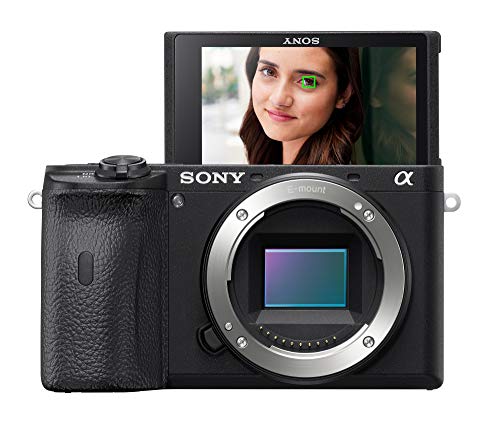
Sony Alpha A6600 Mirrorless Camera (Black)

Canon EOS R5 C Mirrorless Camera (Body Only)

Nikon Z 6II Full-Frame Mirrorless Hybrid Camera
Sony Alpha a7 III Full-Frame Mirrorless Camera
Sony Alpha A6100 Mirrorless Camera with 16-50mm Lens
Canon EOS R8 Mirrorless Camera Body

Sony Alpha a7II Mirrorless Camera with 28-70mm Lens

Panasonic LUMIX G85 4K Mirrorless Camera with 12-60mm Lens

Canon EOS M50 Mirrorless Camera Kit (Renewed)
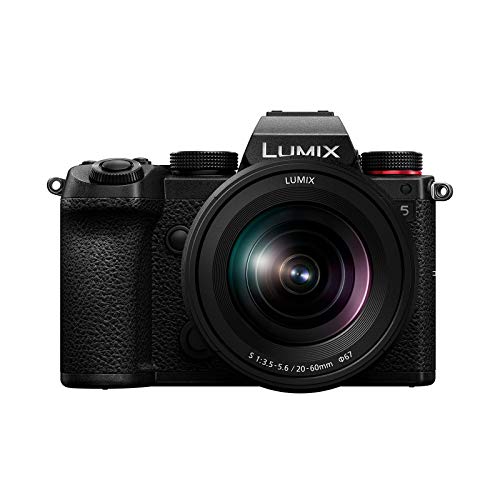
Panasonic LUMIX S5 Full Frame Mirrorless with 20-60mm Lens
Inside Each Recommended Option
The A6600 sits in a sweet spot for hobbyists who want real autofocus muscle without jumping straight to Sony’s flagship bodies. The 0.02-second AF claim sounds like marketing until you actually track a toddler sprinting across a lawn, and the camera just refuses to lose them. Compared to the A6100 further down this list, the A6600 adds a deeper grip, a bigger battery, and in-body stabilization that genuinely rescues handheld video.
For travel shooters and family documentarians, this body earns its keep in low light, where the sensor pulls usable color from dim restaurants and golden-hour backlight. You won’t get a full-frame chip here (it’s APS-C, the smaller cousin sensor found in most entry mirrorless cameras), but you do get Sony’s class-leading subject tracking and a lens system that grows with you for years.
Positive Points
- Subject-tracking autofocus that holds onto faces and eyes in chaotic scenes
- Larger battery than older A6000-series models means a full day of casual shooting
- In-body stabilization steadies handheld video and slow shutter photos indoors
- Vast Sony E-mount lens ecosystem, from budget primes to pro-grade zooms
Things To Consider
- Sensor is APS-C, not full-frame, so depth-of-field separation is more modest than the other picks here
- 4K video tops out at 30p with a mild crop, limiting slow-motion cinematic options
Key Specs
Who It Suits Best
Active family shooters and wildlife hobbyists who need sticky autofocus more than a full-frame sensor.
Consider Something Else When
Strict full-frame seekers on a budget will find the Canon EOS R8 a lighter, larger-sensor alternative.
Picture a stills camera and a cinema camera stitched together into one magnesium body: that’s the EOS R5 C. The 45-megapixel full-frame sensor gives editorial photographers all the cropping room they need, while internal 8K RAW recording puts serious video horsepower into the same rig. For multimedia journalists who shoot a wedding ceremony in the morning and a documentary interview that afternoon, this body collapses two kits into one bag.
Unlike the Nikon Z 6II on this list, the R5 C leans hard into its Cinema EOS heritage with Cinema RAW Light, timecode, and professional audio inputs. The trade-off shows up in weight and heat: it’s a denser camera that can warm up during long 8K takes, so documentary crews often rig it with an external cage and fan.
The Good Stuff
- Internal 8K/60p RAW recording reduces the need for an external recorder
- 45MP stills deliver generous cropping latitude for editorial work
- RF mount access opens up Canon’s growing line of fast L-series glass
- Dual Pixel autofocus with subject detection for both photo and video workflows
Worth Noting
- Body-only listing means you’ll need RF lenses plus CFexpress media, which adds to the final cost
- Extended 8K sessions can trigger thermal limits, so owners commonly plan breaks between takes
Made For
Working videographers and photojournalists who need one body that handles both mediums at a professional level.
Look Elsewhere When
Beginners should reach for the Sony Alpha A6100 instead, which offers a friendlier learning curve and a kit lens.
The Z 6II is the camera you’d grab on a day when you genuinely don’t know what you’ll be shooting. It handles 4K 60p video for a documentary interview, jumps to 14fps bursts for a recital, and slips into a wedding reception with low noise and reliable autofocus. Dual EXPEED 6 processors give it the breathing room older Z bodies lacked, especially when buffering long sequences.
For hybrid creators transitioning from a DSLR, the deep grip and familiar Nikon ergonomics feel reassuring in the hand. Compared to the Sony a7 III a few picks down, the Z 6II adds a second card slot and noticeably better video specs, which is why many event photographers moved their kits over.
Good Reasons To Consider
- 4K 60p video with eye-detection AF that stays locked through a take
- Dual card slots (CFexpress plus SD) for instant backup during paid shoots
- 273-point hybrid AF system with strong low-light sensitivity
- Robust weather-sealed body for outdoor assignments in unpredictable weather
Trade Offs
- Battery life is solid but not class-leading, so heavy shooters often carry spares
- Native Z-mount lens library is still growing, and F-mount adapters add bulk
At A Glance
Right Fit For
Hybrid event shooters and working photojournalists who split evenly between stills and video each week.
A Better Fit Elsewhere
Dedicated stills-first portrait photographers may prefer the Sony Alpha a7 III for its wider lens ecosystem and mature color science.
Few cameras have done more to bring full-frame to the mainstream than the a7 III. Even years after release, its 24.2MP sensor, 693-point AF system, and 10fps burst make it a workhorse for everyone from portrait studios to newsrooms. The body is small enough to hike with, and the E-mount lineup behind it is the deepest in mirrorless, which matters once you start building a real kit.
Where the Sony Alpha A6100 on this list is a confident starter, the a7 III is the logical next step. The jump to a full-frame sensor transforms how portraits render: skin tones look smoother, and the shallower depth of field finally delivers that sought-after background blur. You may find the menu system dense at first, but a few weeks in it becomes second nature.
Points In Its Favor
- Back-illuminated full-frame sensor that holds detail in dim wedding receptions
- Long battery life for a full day of travel shooting on a single charge
- Dual SD slots with relay recording so you never stop mid-event
- Eye-detection AF that nails portraits without manual point selection
Room For Improvement
- 4K video uses a crop and tops out at 30p, lagging newer hybrid bodies
- Touchscreen is limited to focus pull, not full menu navigation, which slows adjustments
Best Suited To
Portrait and wedding photographers stepping up from crop-sensor bodies who want a full-frame foundation that will last.
Skip It When
Heavily video-focused creators get stronger value from the Panasonic LUMIX S5, which records 4K 60p without a crop.
The A6100 was designed to make a first mirrorless camera feel like a friendly handshake rather than a technical exam. The kit includes a collapsible 16-50mm zoom, so you can unbox, charge, and start shooting within minutes. Real-time eye-tracking and the same AF algorithms from Sony’s higher-end bodies trickle down here, which is unusual at this tier.
It’s an APS-C sensor rather than full-frame, so the depth-of-field look differs from the a7 III further up the list. For a hobbyist documenting kids, vacations, or a food blog, the file quality is more than enough, and the smaller body slips into a coat pocket with the kit lens attached.
Strong Points
- 425 phase-detect AF points covering most of the frame
- Built-in electronic viewfinder plus a flip-down screen for vlog framing
- Lightweight body at roughly 396g, easy to carry all day
- Includes a starter zoom so there’s nothing extra to buy before shooting
Points To Keep In Mind
- APS-C sensor, not full-frame, so portrait separation is more subtle than bigger-body picks
- 4K video records with a slight crop and limited recording time in warm conditions
Who Will Love This
First-time mirrorless shoppers and parents who want a compact camera that genuinely out-shoots a phone.
Not Your Match When
Creators who prioritize full-frame depth-of-field should look at the Sony Alpha a7 III for a more cinematic rendering.
The EOS R8 earns its spot as one of the lightest full-frame bodies Canon has made, and that alone changes how often you take it out. Vloggers walking city streets for hours appreciate the weight savings, and the 4K 60p video (oversampled from 6K, meaning the camera captures more pixels than it outputs for sharper detail) gives B-roll a clean, cinematic texture. Dual Pixel CMOS AF II brings subject detection that locks onto people, animals, and vehicles with confidence.
Where the Canon EOS M50 further down this list targets students and casual shooters, the R8 leans toward more ambitious creators. You may find the small grip less comfortable during long paid shoots with heavy lenses, but the trade-off is a body that genuinely disappears in a backpack.
A Few Strong Suits
- Compact full-frame body that travels light for vloggers and street shooters
- 4K 60p video with Dual Pixel AF II for smooth, focused walk-and-talk segments
- RF mount opens up Canon’s growing lineup of affordable and pro glass
- Strong low-light performance from the 24.2MP sensor at indoor event ISO ranges
Honest Caveats
- Battery life is shorter than chunkier bodies, so spares are wise for travel days
- Body only, so you’ll need RF lenses and an SD card before shooting
Quick Facts
The Right Fit
Travel vloggers and solo content creators who want full-frame look without the bulk of larger Canon bodies.
Swap It Out When
Studio portrait photographers needing a deeper grip and longer battery life should reach for the Sony Alpha a7 III instead.
The a7 II was the camera that proved full-frame mirrorless could fit in a coat pocket, and it remains a tempting pick for shoppers watching every dollar. The bundled 28-70mm zoom covers wide street scenes through short telephoto portraits, so you walk out of the store ready to shoot. Built-in 5-axis stabilization was groundbreaking at launch and still rescues slow shutter photos indoors.
Unlike the newer a7 III, the a7 II uses slower contrast-based autofocus and tops out at 1080p video. For someone who primarily shoots stills and posts occasional social clips, that compromise is often a worthwhile trade for the savings.
What Works In Its Favor
- First-generation 5-axis in-body stabilization, rare at this price tier
- Full-frame sensor access at the lowest entry point in Sony’s lineup
- Kit lens included, removing the immediate need to buy glass separately
- Solid magnesium-alloy body that handles daily commuting in a messenger bag
Points To Note
- Autofocus is noticeably slower than the a7 III, especially in low contrast scenes
- No 4K video at all, so YouTube-focused creators will outgrow it quickly
Perfect Match For
Stills-first hobbyists on a strict cap who value sensor size and stabilization over video specs.
Another Choice May Suit
Shooters wanting modern autofocus and 4K in a budget body should consider the Canon EOS M50 refurbished kit.
The G85 is technically a Micro Four Thirds camera, a smaller-sensor format (about half the area of APS-C) prized for compact bodies and lenses, not a full-frame body, so it earns its place here as a gateway option for travelers who want stabilization and 4K video without the bulk. The 12-60mm kit lens spans wide landscapes through short portrait focal lengths, and dual image stabilization (in-body plus in-lens, working together) keeps handheld video smooth on cobblestone streets.
Compared to the full-frame picks on this list, the G85 trades some low-light depth and background blur for genuine portability. Backpack vloggers and hiking photographers tend to love that trade, because the smaller sensor format means lighter lenses and longer reach for wildlife and distant subjects.
Everyday Advantages
- 5-axis Dual I.S. pairing stabilization in body and lens for handheld video
- Weather-sealed body that handles misty trails and dusty markets
- 4K video recording plus a tilt-and-touch LCD for flexible framing
- Compact Micro Four Thirds lens system keeps the bag light on long trips
Potential Drawbacks
- Smaller MFT sensor means shallower depth-of-field look is harder to achieve
- High-ISO files show more noise than full-frame bodies at the same print size
Feature Snapshot
Built With In Mind
Backpack travelers and outdoor vloggers who care more about carry weight than absolute sensor size.
Reach For A Different Pick When
Portrait photographers needing stronger subject separation will prefer the full-frame Sony Alpha a7 III.
The EOS M50 has been a student and beginner favorite for years, and the renewed route brings that same approachable camera into a tighter budget. The 24.1MP APS-C sensor, Dual Pixel autofocus, and 4K video make it more capable than its price implies, and the included 15-45mm zoom covers everyday framing from wide group shots to tight portraits.
You won’t get full-frame rendering here, but for class assignments, family vacations, and casual YouTube content, the M50 punches well above its cost. Compared to the Sony A6100, the M50 has Canon’s friendlier menu system and color science straight out of camera, which matters when editing time is limited.
Where It Excels
- Compact body with a fully articulating screen for vlog and selfie framing
- Built-in Wi-Fi and Bluetooth for quick phone transfers
- Renewed listing offers meaningful savings over a new equivalent
- Includes the EF-M 15-45mm kit lens for immediate shooting
Where It May Fall Short
- Renewed condition means cosmetic wear is possible, so inspect on arrival
- 4K video uses a heavy crop and disables Dual Pixel AF, limiting video flexibility
Whose Shelf It Belongs On
Students and first-time creators who want a capable, low-cost mirrorless setup with a kit lens included.
Where A Sibling Pick Shines
Anyone set on full-frame imagery should skip this and stretch toward the Canon EOS R8 body instead.
The LUMIX S5 earns its spot for the videographers who treat video specs as seriously as photo quality. Internal 4K 60p recording (with a crop, a trade-off worth knowing before you shoot), 10-bit color depth for richer grading latitude, and a flip-out screen for vlog framing put this body in a different class than most rivals here. The 20-60mm kit lens covers wide landscapes through short telephoto, so you can shoot travel documentary footage without swapping glass.
Where the Sony a7 III emphasizes stills with capable video, the S5 reverses the balance. Dual-native ISO (the sensor reads signal at two optimized amplification stages) keeps noise low in dim event spaces, and the 5-axis Dual I.S. steadies handheld footage that would otherwise need a tripod.
Real-World Strengths
- 4K 60p video with 10-bit internal recording for serious color grading
- Dual-native ISO support keeps footage clean at higher sensitivity settings
- Compact body for a full-frame L-mount camera, easier to rig and travel with
- 5-axis in-body stabilization that pairs with stabilized L-mount lenses
Some Limits To Know
- L-mount lens library is smaller than Sony’s, so specialized focal lengths cost more
- Autofocus for video is solid but trails Sony and Canon in subject tracking consistency
Best Suited To
Serious hobbyist videographers and hybrid shooters prioritizing video color depth over stills frame rates.
Consider Something Else When
Still-photography-first portrait studios will find the Sony Alpha a7 III a more mature ecosystem choice.
What Matters Most Before Choosing Affordable Full Frame Cameras
Sensor Size and Image Quality Trade-Offs
Full-frame sensors capture more light per pixel than smaller formats, which translates into cleaner shadows at high ISO and more pronounced background blur for portraits. If you shoot indoors, at dusk, or crave that creamy bokeh look (the soft, out-of-focus background areas), full-frame gives you a noticeable head start. APS-C and Micro Four Thirds bodies, like the Sony A6100 and Panasonic G85 above, cost less and weigh less, but you trade some low-light confidence and depth-of-field separation.
Autofocus and Subject Tracking for Real Life
A fast AF system matters more than megapixel counts once subjects start moving. Sony’s Real-time Tracking, Canon’s Dual Pixel CMOS AF II, and Nikon’s hybrid phase-detect systems all handle faces, eyes, and erratic motion well in 2026. Consider your shooting: parents photographing kids will care about eye-detection more than landscape photographers will.
Video Specs Worth Matching to Your Work
Not every body on this list records 4K at 60 frames per second, and not every creator needs to. If your output is social clips and family videos, 4K 30p is plenty. Documentary and travel content creators should look for 10-bit color and reliable continuous AF, areas where the Panasonic S5 and Canon EOS R5 C shine.
Ergonomics, Lenses, and Long-Term Fit
A camera body is the start of a system, not the end. Sony’s E-mount, Canon’s RF mount, Nikon’s Z mount, and Panasonic’s L mount each have unique lens lineups with different strengths. Pick a system whose native lenses already cover the focal lengths you shoot most, since adapters add weight and sometimes cost you autofocus speed.
Key Considerations Across These Picks
Pitfalls Shoppers Hit
Buying a body and forgetting the lenses, cards, and batteries that go with it is the most common trap, since “body only” listings often cost less upfront but require separate purchases. Skipping research on lens ecosystems leads to expensive adapter setups later, and chasing specs like 8K video that your editing computer can’t handle wastes both money and storage.
Where The Extra Money Goes
Higher-tier full-frame bodies, like the Canon EOS R5 C and Sony a7 III, cost more because they pack faster autofocus, deeper buffers, dual card slots, and more rugged weather sealing. The upgrade makes sense for paid work and frequent daily use, but a hobbyist shooting weekends may never push those limits, and the savings could fund a better lens instead.
Frequently Asked Questions
What is a full-frame camera in plain terms?
A full-frame camera uses a sensor roughly the size of a 35mm film frame, which is larger than most entry-level sensors. That extra surface area collects more light, leading to cleaner images in dim settings and more pronounced background blur.
Are full-frame cameras worth the extra cost for beginners?
For hobbyists who mainly post online and make small prints, an APS-C body like the Sony A6100 often delivers more than enough quality. Full-frame becomes worth the stretch once you shoot in low light often or want stronger subject separation in portraits.
Do I need to buy lenses separately?
Some listings on this list, such as the Canon EOS R8 and Nikon Z 6II, are body only, meaning you’ll add lenses and possibly an SD card before shooting. Kits like the Sony A6100 and Panasonic G85 include a starter zoom so you can shoot out of the box.
Can these cameras shoot professional video?
Several picks here can. The Canon EOS R5 C records 8K RAW internally, the Panasonic S5 offers 10-bit 4K, and the Nikon Z 6II handles 4K 60p cleanly. For casual social clips, even the entry-level bodies produce sharp results.
How long do mirrorless camera batteries typically last?
Battery life varies widely. The Sony a7 III is known for long endurance, while smaller bodies like the Canon EOS R8 benefit from carrying a spare. Cold weather, video recording, and heavy Wi-Fi use all drain power faster than still shooting in mild conditions.
Closing Remarks
The right affordable full-frame camera is the one that fits how you actually shoot, not the one with the flashiest spec sheet. Match the body to your real habits: lens lineup, autofocus strengths, and yes, the weight you’re willing to carry on a long day. The honest read is that nearly every camera on this list will reward you if you bring it out often enough to learn its quirks.