Long-exposure night photography has a way of humbling beginners. Earth’s rotation smears stars into trails within seconds, so a tracker that follows the celestial pole becomes the difference between a grainy blur and a clean shot. The list below rounds up ten tools that help you mount, align, and frame the sky, from a single ball-head adapter for existing rigs to full tracking mounts, plus beginner-friendly telescopes that pair nicely with the workflow. If you’ve been chasing deep-sky targets from a backyard or a dark campsite, this is where to start comparing.
The Essentials At A Glance

Sky-Watcher S20550 Star Adventurer Ball Head Adapter

Hawkko Telescope Kit for Kids 80mm Aperture 500mm
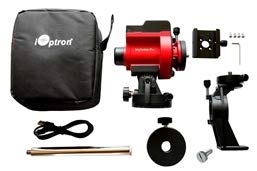
iOptron SkyGuider Pro Camera Mount

Gskyer Telescope 600x90mm AZ Refractor
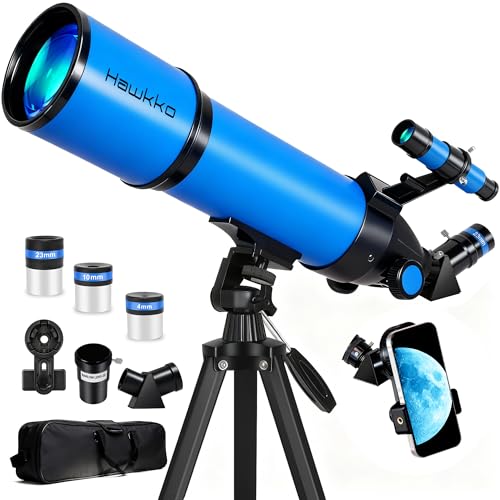
Hawkko 80mm Aperture 600mm Telescope for Beginners

Gskyer 70mm Aperture 400mm Travel Telescope
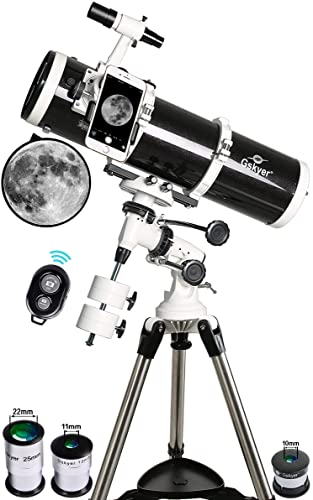
Gskyer 130EQ Professional Reflector Telescope
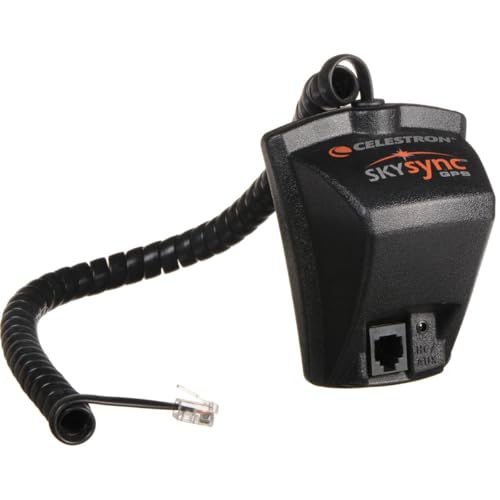
Celestron 93969 SkySync GPS Accessory
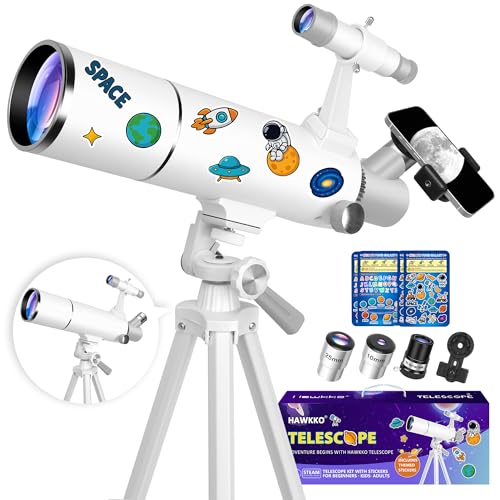
Hawkko 80mm Aperture 500mm Telescope for Beginners

Hawkko Portable Telescope 80mm Aperture 500mm
What Each Pick Brings To The Table
Tracking mounts rarely ship with everything you need to lock a camera in place, and that small gap is exactly where this Sky-Watcher adapter lives. It pairs directly with the Star Adventurer line, giving you a 3/8-inch threaded post so any standard ball head screws on cleanly.
The back side uses a V-style dovetail that seats into the mount in seconds. For astrophotographers who already own a sturdy tripod head and just want to bring the camera along for the ride, this little plate solves a real headache.
Reasons It Performs
- Standard 3/8-inch thread fits most ball heads you already own
- V-style dovetail drops onto the Star Adventurer without tools
- Keeps the rig compact for travel and dark-site setups
- Removes the need to buy a proprietary camera mount separately
Worth Noting
- Only useful if you already run a Star Adventurer tracker
- Carries no load rating on its own, so pair it with a solid head
Who It Suits Best
Existing Star Adventurer owners who want a clean way to mount a ball head and camera without improvising a plate.
Where Another Pick Suits Better
Beginners without a tracker yet should look at the iOptron SkyGuider Pro Camera Mount, which bundles the tracking head and accessories in one box.
Getting kids hooked on the moon usually takes one good look, and this Hawkko kit is built around that moment. The 80mm objective gathers enough light to show craters and shadow lines clearly, while the 500mm focal length keeps the scope manageable for small hands.
What sets it apart is the learning layer. Seven themed stickers let your child decorate the tube, and a moon booklet explains how the lunar surface formed. Parents looking for a gift that doubles as a science starter get a complete package here.
Real-World Strengths
- 80mm aperture pulls in noticeably more lunar detail than 60mm scopes
- Includes a hands-on moon booklet for guided family sessions
- Sticker sheet adds personalization that keeps kids engaged
- Light enough for a child to carry from the house to the yard
Trade Offs
- AZ mount is fine for the moon but not designed for serious tracking
- Plastic tripod legs tend to wobble at full extension on hard ground
Made For
Families introducing kids aged 8 to 12 to lunar observing without a steep learning curve.
Skip It When
You want long-exposure deep-sky imaging, where the Gskyer 130EQ Professional Reflector Telescope gives you the aperture to chase faint targets.
Traveling astrophotographers need a tracker that disappears into a carry-on, and the SkyGuider Pro fits in a palm. The redesigned mount head keeps the silent tracking and rechargeable power that made earlier versions popular, while adding an ST-4 guide port for serious imaging sessions.
Compared to the Sky-Watcher adapter above, this is the whole rig rather than a single plate. You get the mount, the accessories, and a system that polar-aligns fast under a real sky.
Useful Touches
- Built-in rechargeable battery removes the hunt for AAs at midnight
- ST-4 autoguide port supports longer exposures with a guide scope
- Compact head fits on photo tripods you may already own
- Silent tracking keeps neighbors and wildlife undisturbed
Honest Caveats
- Camera trigger cable for some models is sold separately
- Polar align scope is helpful but takes practice in low light
- Not designed for heavy telescope payloads, plan around a DSLR or small lens
Feature Snapshot
Who Will Love This
Astrophotographers who travel light and want a tracker that handles wide-field Milky Way shots without hauling a full German equatorial mount.
Reach For A Different Pick When
You mostly observe visually rather than photograph, in which case the Gskyer Telescope 600x90mm AZ Refractor is a stronger match.
Refractor telescopes earn their keep on crisp planetary views, and this Gskyer leans into that strength. The 90mm objective collects meaningful light, and the fully coated optics help a clean image reach the eyepiece without false color.
Where the smaller Hawkko above focuses on kids, this scope assumes an adult user who wants to push past the moon toward Jupiter’s bands and Saturn’s rings. The AZ mount is intuitive for newcomers who don’t want a counterweighted setup.
Useful Strengths
- 90mm aperture noticeably outgrows 70mm entry-level scopes
- Coated glass reduces chromatic aberration on bright lunar edges
- 600mm focal length gives usable magnification without a Barlow
- Simple AZ mount lets beginners point and observe without a learning curve
Points To Consider
- Alt-azimuth mount makes long-exposure astrophotography difficult
- Optical tube is longer than the travel-friendly Gskyer 70mm below, so storage planning matters
Best Suited To
Adult beginners who want sharp planetary and lunar viewing rather than deep-sky imaging.
Look Elsewhere When
Deep-sky imaging is the goal, where the Gskyer 130EQ Reflector offers a wider light grasp and an equatorial mount that tracks the sky.
This Hawkko is the all-in-one answer for someone starting fresh. You get the 80mm refractor, an AZ tripod, a phone adapter for casual photography, and a carry bag so the whole kit travels to a dark site without a second trip to the car.
For backyard stargazing and weekend camping, the longer 600mm focal length boosts magnification compared to the kid-focused 500mm kit above. It earns its place as the most complete starter bundle on the list.
Noteworthy Benefits
- Phone adapter turns lunar sessions into shareable photos
- Carry bag protects the scope during transport
- FMC optics gather about 60% more light than 70mm scopes
- Setup stays quick enough for spur-of-the-moment clear nights
Some Limits To Know
- AZ mount limits exposure times for tracked photography
- Plastic tripod components feel light compared to the Gskyer 90mm above
Feature Rundown
Perfect Match For
First-time buyers who want one box that covers a complete first night under the stars.
Not Your Match When
You already own a tripod and just need an optical tube, in which case the Hawkko 80mm 500mm for Beginners trims the bundle down.
Short focal lengths and a 70mm objective make this Gskyer one of the most portable scopes on the list. The whole kit collapses into a carry bag that you can sling over a shoulder, and the wireless remote lets you snap phone shots without nudging the scope.
The honest read is that 70mm of aperture gives up some light grasp compared to the 80mm Hawkko kit above. For wide-field views of the moon and bright constellations, however, the lighter weight more than makes up for it.
The Practical Payoff
- Wireless remote cuts vibration during phone photography
- 400mm focal length keeps the optical tube compact
- Carry bag protects everything during hikes and road trips
- Coated glass helps maintain image brightness for the aperture size
Worth Bearing In Mind
- 70mm aperture gathers less light than the 80mm scopes listed earlier
- AZ mount is not designed for exposure tracking
- Phone adapter alignment takes patience on a small optical tube
Right Fit For
Campers, renters, and casual observers who prioritize portability over light grasp.
Swap It Out When
You mostly observe from a fixed backyard, where the larger Gskyer 600x90mm Refractor rewards you with sharper planetary detail.
Reflector telescopes earn their reputation by collecting serious light, and the 130EQ opens a clear path to faint nebulae and star clusters. The 5.1-inch mirror pulls in significantly more than the 70mm and 80mm refractors earlier on this list.
The EQ mount is the meaningful shift here. Once polar-aligned, a single slow-motion knob lets you follow objects across the sky, which makes long observation sessions much less fatiguing than nudging an alt-az mount every few seconds.
Key Advantages
- 130mm mirror reaches galaxies and nebulae invisible in smaller scopes
- Coated glass optics improve image brightness across the field
- EQ mount supports longer, more comfortable tracking sessions
- Short 24-inch optical tube balances aperture and portability
Possible Compromises
- Reflector optics occasionally need collimation after transport
- EQ mount setup takes longer than the AZ scopes above
- Heavier overall, so the carry case is bulkier than travel-focused options
The Right Fit
Hobbyists ready to graduate from lunar viewing to deep-sky targets who want one scope that grows with their skills.
Consider Something Else When
You mostly image the sky with a camera tracker, where the iOptron SkyGuider Pro is the more relevant tool.
Computerized mounts rely on accurate time, date, and location data to find targets, and any drift in those numbers throws off alignment. The SkySync is a small GPS module that streams real-time coordinates to your hand controller so the mount always knows where it is.
This is an upgrade piece, not a stand-alone instrument. Owners of compatible Celestron mounts plug it in once and forget about manual date entries for the rest of their observing life.
The Helpful Details
- 16-channel GPS receiver locks on quickly under open sky
- Eliminates the need to enter time and coordinates by hand
- Compact housing tucks into accessory trays without clutter
- Improves pointing accuracy on subsequent alignment runs
Soft Spots
- Only works with compatible Celestron computerized mounts
- GPS signals can take longer to lock near tall buildings or heavy tree cover
Built With In Mind
Celestron mount owners who regularly travel to new observing sites and want alignment without typing in coordinates each time.
A Better Fit Elsewhere
Anyone without a computerized Celestron mount should consider the Sky-Watcher ball head adapter or iOptron SkyGuider Pro instead.
Where the Hawkko 600mm above zooms in tighter, this 500mm sibling trades a bit of magnification for a wider, brighter field. The fully multi-coated 80mm objective gathers roughly 60% more light than 70mm scopes, which pays off on dimmer lunar craters along the terminator.
It lands as a strong everyday backyard scope. Families stepping up from a department-store refractor get noticeably cleaner views without committing to a heavy reflector.
What Earns Its Place
- Multi-coated 80mm lens boosts contrast over budget refractors
- 500mm focal length balances magnification and field width
- Beginner-friendly setup with no tools required
- Light enough for one adult to carry outside in a single trip
A Few Limitations
- AZ mount is not built for tracked astrophotography
- Less reach than the Hawkko 600mm beginner kit earlier in the list
Quick Facts
Who Should Grab It
Backyard observers who want a clean, low-fuss refractor for regular lunar and planetary nights.
Where A Sibling Pick Shines
You want a complete travel bundle, in which case the Hawkko 80mm 600mm beginner kit includes a carry bag and phone adapter.
The last spot on the list belongs to a scope built to be given, not hidden in a closet. Hawkko’s portable 80mm refractor ships with themed sticker sheets and a phone adapter, turning the unboxing itself into an activity for a curious kid or a returning hobbyist.
Underneath the festive touches sits the same 80mm optics found in the other Hawkko refractors above. The phone adapter doubles as a casual entry into imaging, even if the AZ mount keeps exposures short.
Everyday Wins
- Sticker bundle adds personality that makes the scope feel like a gift
- Phone adapter introduces casual astrophotography without extra gear
- 80mm aperture handles the moon and bright planets comfortably
- Short focal length keeps the tube portable for travel
Small Caveats
- AZ mount is not designed for long tracked exposures
- Stickers add charm but contribute nothing to optical performance
Whose Shelf It Belongs On
Anyone shopping for a holiday or birthday gift for a beginner astronomer who wants a friendly first telescope.
Not Your Match When
You want serious deep-sky reach, where the Gskyer 130EQ Reflector Telescope offers a far larger mirror.
What Matters Most Before Choosing Astrophotography Star Trackers
Tracking Accuracy And Mount Type
The heart of any astrophotography setup is the mount, and the choice between a camera tracker and a telescope mount shapes everything else. A sidereal tracker like the iOptron SkyGuider Pro follows the sky’s rotation so stars stay round during long exposures. An alt-azimuth mount is friendlier for visual use but drifts quickly when you try to photograph. Decide which side of that line your work falls on before anything else.
Payload And Stability
A scope or camera is only as steady as the tripod holding it. Lightweight AZ tripods are fine for casual lunar nights, but heavier payloads like the Gskyer 130EQ benefit from sturdier equatorial bases. Match the tripod to the weight of your gear and your tolerance for vibration during phone photography.
Portability Versus Aperture
Every telescope balances light grasp against travel weight. The Hawkko 500mm scopes are easy to carry but gather less light than the 130mm reflector. Think about how you actually observe: from a backyard, a balcony, or a dark-site drive, and let that drive the trade-off.
Accessory Compatibility
Before buying, confirm that the mount threads, dovetails, and guide ports match what you already own. The Sky-Watcher ball head adapter, for instance, only pays off if you run a Star Adventurer tracker. Buying within a matched system removes surprises on the first clear night.
Key Considerations Across These Picks
Pitfalls Shoppers Hit
The most common stumble is buying a scope that’s either too small to keep you interested or too heavy to use often. Beginners often pick the largest aperture they can find, then leave the scope in a closet after one frustrating setup. Start with the kit you’ll actually carry outside, especially if you observe from a balcony or travel to darker skies.
The Case For Spending Up
Higher-tier picks like the iOptron SkyGuider Pro and the Gskyer 130EQ Reflector cost more because they solve harder problems: silent tracking, autoguide support, and a real equatorial mount for deep-sky targets. Spending up makes sense once you’ve outgrown basic lunar viewing and want clean images of nebulae, galaxies, or wide-field Milky Way panoramas. Until then, a thoughtful starter bundle is the smarter move.
Frequently Asked Questions
Do I need a star tracker for casual stargazing?
For visual observing through an eyepiece, a tracker is optional. Stars only streak during long-exposure photography, so a steady tripod is enough for the moon and planets. Trackers earn their keep the moment you point a camera at the sky for more than a few seconds.
What’s the difference between alt-azimuth and equatorial mounts?
An alt-azimuth mount moves up-down and left-right, which feels intuitive but drifts during photography. An equatorial mount tilts to align with Earth’s rotational axis, so a single motor can follow stars smoothly. EQ mounts take longer to set up but unlock longer exposures.
Can I attach a camera directly to one of these telescopes?
Yes, most of the Hawkko and Gskyer kits include a phone adapter for casual snapshots. For DSLR or mirrorless cameras, a T-ring and a tracker like the iOptron SkyGuider Pro produce sharper results than a fixed tripod.
How dark does my sky need to be?
Brighter targets like the moon, planets, and bright constellations show up well from suburban backyards. Faint nebulae and the Milky Way benefit from darker sites away from city lights. Drive a little farther and your scope performs noticeably better.
How do I maintain a telescope over time?
Keep optics covered when not in use, store in a dry case, and avoid touching glass surfaces with fingers. Reflectors like the Gskyer 130EQ may need occasional collimation after transport, which is a simple alignment procedure. A small blower and microfiber cloth handle most routine cleaning.
Final Verdict
Choosing among these ten picks comes down to one question: what kind of night sky work do you actually want to do? Visual lunar observers will find the Hawkko refractors and the Gskyer 600x90mm refractor plenty of scope, while serious imagers should anchor their setup on the iOptron SkyGuider Pro and the Gskyer 130EQ Reflector. Whichever direction you pick, take it outside often. The best telescope is the one you’ll actually carry into the yard.