Coaches tired of chasing the play, parents who finally want footage of their kid’s whole match, and creators chasing hands-free coverage of fast action all end up asking the same question: which camera actually keeps the subject framed without a human behind it? The category has split into two clear camps, with AI-tracking sport cameras like the XbotGo Falcon handling ball games and 360 cameras like the Insta360 line reframing after the fact for POV sports, plus a few rugged trail cameras for scouting the back forty. Each pick below leans into one of those jobs, with honest notes on where the technology still stumbles.
An Overview Of The Picks

Insta360 X3 360 Action Camera with 5.7K HDR

Insta360 X5 Essentials Bundle 8K 360 Action Camera
Insta360 X3 Waterproof 360 Camera with 48MP Sensors
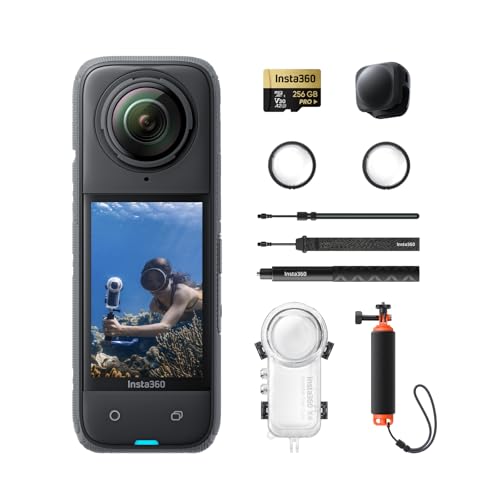
Insta360 X4 Invisible Dive Bundle 8K 360 Camera
WOSPORTS Rechargeable Trail Camera 2Pack 56MP 4K

WOSPORTS Mini Trail Camera 2 Pack 30MP 1080P

XbotGo Falcon All-in-One 4K AI Sports Camera (Green)

WOSPORTS Trail Camera 56MP 4K No-Glow Night Vision

XbotGo Falcon All-in-One AI 4K Sports Camera

XbotGo NT4 PRO Carbon Fiber Tripod 12.8ft Sport Stand
Taking A Closer Look At The Options
The Insta360 X3 is a 360 camera that solves the framing problem before it starts. You mount it, hit record, and stop worrying about whether the lens is pointed at the action, because both front and rear lenses are recording everything at once. After the ride, the run, or the ski line, you pick the angle in the app. For motorcyclists, snowboarders, and weekend vloggers who don’t want to babysit a viewfinder mid-activity, that workflow alone changes the experience.
Compared to the trail cameras and dedicated AI tracking cameras further down this list, the X3 isn’t built to follow a player across a soccer field. It’s built for the opposite problem: capturing your own POV when you can’t be your own camera operator. For that specific job, it earns the editor’s nod because of how forgiving the 360 reframing workflow becomes once you trust it.
Practical Advantages
- 360 Active HDR video at 5.7K lets you reframe after the fact, eliminating the “missed the moment” feeling that plagues fixed-lens action cams.
- FlowState stabilization smooths bumpy footage from handlebars and helmets, so the post-edit feels steady without a gimbal.
- The 2.29-inch touchscreen makes quick framing checks and mode changes possible without pulling out a phone.
- A 4K single-lens mode gives you a traditional wide-angle look when you don’t want the reframing step.
- Waterproofing means rain, snow, and puddle splashes don’t cut a session short.
- AI editing in the app handles punchy highlight reels, useful for social sharing after a long day outdoors.
Things To Consider
- Battery life is the common complaint owners report under heavy 5.7K recording, so a spare battery or power bank is wise on long days.
- Reframing edits require time at the phone or desktop afterward, which feels like homework to anyone wanting instant upload-ready clips.
Right Fit For
POV athletes and travel vloggers who want one mount-and-forget camera that captures every angle and lets them decide the story later.
Look Elsewhere When
The job is following a child across a soccer pitch; the XbotGo Falcon is the better fit for hands-free sideline coverage of team sports.
The Insta360 X5 steps the 360 formula up a generation. Where the X3 captures 5.7K, this one pushes 8K30fps across dual 1/1.28-inch sensors, and the bump shows up in the crop window, the color depth, and the dynamic range when you reframe into a flat 1080p timeline. For creators delivering finished content to clients or YouTube, that extra headroom translates into footage that survives aggressive reframing without falling apart.
The triple AI chip design is the quieter story. It powers better noise reduction in dim venues, like a dusk soccer match under field lights or an indoor gym with patchy overheads. Owners often mention that the X5 holds detail where earlier generations smoothed faces into mush. The rugged and replaceable lens design also adds peace of mind for anyone who’s replaced a scratched action-cam lens one too many times.
Where It Excels
- 8K30fps 360 capture gives reframed 1080p clips noticeably cleaner detail than the 5.7K generation.
- Larger dual sensors improve low-light performance, useful for evening games and indoor gyms.
- The invisible selfie stick effect produces third-person follow-cam shots without a visible mount, which still feels like a small magic trick.
- A built-in wind guard keeps dialogue and ambient audio cleaner when speed matters.
- A claimed three-hour battery life covers a long trail day or a tournament without a swap.
Points To Keep In Mind
- The 8K files are heavy, so expect to budget for larger SD cards and more editing storage than a 4K workflow demands.
- Premium pricing puts this above the X3 for casual users who don’t need the resolution ceiling.
Quick Facts
Best Suited To
Working creators and serious enthusiasts who want top-tier image quality and shoot in mixed lighting from noon sun to stadium lamps.
Swap It Out When
A first-time action-cam shopper just needs reliable reframing; the Insta360 X3 covers the same core workflow at a friendlier entry point.
This refreshed Insta360 X3 keeps the familiar pocketable body but pairs it with upgraded 1/2-inch 48MP sensors. That sensor bump lets the camera pull 72MP 360 stills, which is genuinely useful for landscape photographers who also want a video tool, and it sharpens the 5.7K Active HDR footage compared to older X3 hardware. Live stream support rounds it out for creators who want their edits pushed in near real time.
The honest read on this one is that it sits in a tricky middle spot. It costs more than the original X3 yet trails the X5 in raw resolution and low-light reach. Where it earns its keep is for hybrid shooters who want bigger, more detailed stills pulled from the same 360 capture session without stepping all the way up to the premium X5 bundle.
What Stands Out
- 72MP 360 photos open up landscape, real estate, and travel stills from the same mount as your clips.
- Dual 1/2-inch 48MP sensors bring meaningful clarity gains in lower light over the original X3 hardware.
- Live streaming turns the camera into a real-time broadcasting tool for events and creator sessions.
- The 2.29-inch touchscreen remains easy to navigate one-handed on a helmet or chest rig.
Trade Offs
- The 5.7K ceiling still lags behind the X5’s 8K, which matters most for those aggressively reframing into flat timelines.
- Live streaming drains battery quickly, so plan power around any extended stream window.
Made For
Hybrid creators who shoot both stills and video from one mount and want better low-light detail than the original X3 delivers.
A Better Fit Elsewhere
You prioritize 8K resolution and absolute top-tier night footage; the Insta360 X5 pulls ahead for that combination.
The Insta360 X4 is the sweet spot for a lot of people, and the Invisible Dive Bundle packages it specifically for water sports. You get 8K 360 capture plus a 4K wide-angle single-lens option, removable lens guards for the inevitable reef scrape, and the invisible selfie stick effect that produces those “how did they film that” follow-cam shots above and below the waterline.
What separates the X4 from the X5 here isn’t image quality so much as bundle intent. The dive accessories ship in the box, so snorkelers, freedivers, and shallow-water spearfishermen can start shooting without sourcing third-party lens caps. For most casual water-sport users, that bundle convenience is the deciding factor.
Well-Handled Touches
- The Invisible Dive Bundle ships with lens guards designed for underwater use, removing a common pre-purchase accessory scramble.
- 8K 360 video lets you punch into reef scenes for flat-video edits without losing sharpness.
- A claimed 135-minute battery life covers long snorkel sessions and surface intervals comfortably.
- The invisible selfie stick effect stays effective underwater, which is where most other action cams give away the rig.
- 4K wide-angle single-lens mode handles above-water scenic B-roll on the same device.
Honest Caveats
- Saltwater use requires a freshwater rinse after every session to prevent corrosion around charging contacts.
- 8K files are storage-heavy, so packing extra SD cards is part of the cost of ownership.
Feature Snapshot
Who It Suits Best
Snorkelers, freedivers, and shallow-water adventurers who want an all-in-one dive kit without hunting for aftermarket lens guards.
Reach For A Different Pick When
Most of your shooting happens at night or indoors; the Insta360 X5’s larger sensors outperform the X4 in dim environments.
Now we shift categories. The WOSPORTS rechargeable trail camera pair is for hunters and property owners who want to know what’s moving through the woods after dark. The 0.2-second trigger speed is the headline: most older trail cams miss the deer that walks in and out in three seconds. A 120-degree wide lens and 56MP stills give reviewers enough detail to identify antler points and body condition at moderate distances.
Rechargeable batteries change the ownership math in a meaningful way. For most backyards and food plots, you skip the annual pack of AAs and rely on the internal pack instead. No-glow infrared keeps the flash invisible to wildlife, which matters when you’re scouting pressured bucks that spook at any hint of light.
The Good Stuff
- 0.2-second trigger catches movement that older cams with slower triggers would miss entirely.
- Rechargeable battery design cuts the ongoing cost of disposable AAs over a season of scouting.
- No-glow infrared keeps the camera invisible to deer and other nocturnal wildlife.
- The 2-camera pack covers two locations (entry trail versus scrape, for instance) at once.
Less Ideal Details
- Rechargeable batteries must be removed to charge via the supplied method; the camera’s USB-C port is for data transfer only, a detail worth double-checking before first use.
- 4K clips demand larger SD cards than 1080p scouting footage did in older setups.
Built With In Mind
Deer hunters and wildlife watchers who want two scouting angles covered with rechargeable convenience rather than disposable cells.
Consider Something Else When
You’re working on a tighter budget and don’t need 56MP stills; the WOSPORTS Mini trail camera pair keeps the two-pack idea at a lower cost.
The Mini Trail Camera pair is the easy-entry scouting setup. Each camera ships with a 16GB SD card in the box, so the gap between “unbox it” and “mount it” is short. At 30MP stills and 1080p HD video, the resolution ceiling is modest, but for casual property monitoring and backyard wildlife watching, that footprint is honestly enough. Plenty of users report getting clear enough clips to identify regular visitors.
Setup runs on four AA cells per camera, so plan on a small battery stash for the season. The smaller body is easier to strap to a tree without calling attention to it, which is a quiet perk in suburban yards where neighbors might wonder why a camera is suddenly aimed at the bird feeder.
The Case For It
- The 2-pack kit ships with SD cards included, removing a common first-time purchase friction point.
- Compact body is easier to camouflage on small trees and fence posts.
- 1080p HD video gives clear enough clips for social sharing and basic wildlife ID.
- IR night vision covers activity after dark without spooking the regular visitors.
Room For Improvement
- Batteries are sold separately, so budget for AA cells on top of the camera purchase.
- 1080p is on the lower end compared to the 4K options above, so cropping power is limited.
Whose Shelf It Belongs On
Casual wildlife watchers and first-time trail-cam users who want a ready-to-mount pair without paying for resolution they won’t use.
Skip It When
You’re running serious scouting work and want higher detail; the WOSPORTS Rechargeable Trail Camera 2Pack jumps to 56MP and 4K with rechargeable cells.
The XbotGo Falcon is the camera that finally lets a single parent or volunteer coach record a youth soccer game without an extra hand on the lens. Built-in AI tracking recognizes players, follows the ball, and keeps the active subject framed while you watch the game rather than the viewfinder. The all-in-one promise is genuine: 4K capture, AI tracking, and live streaming in a single unit that you set on a sideline tripod.
The AI is powered by a chipset with 6 TOPS (tera operations per second, a measure of on-device AI processing speed) of performance paired with an 8-core processor, which sounds like marketing until you see it hold a lock on a fast winger through a sudden direction change. That kind of sticky tracking matters when the player you’re recording darts across the field.
The Value In It
- Built-in AI tracking removes the need for a dedicated camera operator on the sideline.
- 4K capture quality lets coaches pull clips for film review without muddy detail.
- Live streaming lets grandparents watch the game from home in real time.
- The all-in-one design cuts the accessory list down to a tripod and a power source.
Where It Is Less Suited
- AI tracking accuracy depends on clear sight lines, so crowded scrimmages can confuse the subject lock.
- Field lighting matters: dim evening matches push the AI harder than bright midday games.
Key Attributes
Perfect Match For
Solo coaches, parents, and small clubs who need hands-free game recording without hiring a videographer.
Where A Sibling Pick Shines
You want a taller sideline perspective for full-field coverage; pair this camera with the XbotGo NT4 PRO Carbon Fiber Tripod for elevated recording angles.
This single-unit WOSPORTS trail camera drops the cellular and Wi-Fi antennas deliberately. There’s no app, no cloud account, no subscription. You mount it, swap SD cards in the field, and walk away. For users who want scouting data without dealing with weak cell signal at remote properties, that intentional simplicity is the actual feature.
The 0.2-second trigger, 56MP adjustable stills (5/16/36/48/56MP), and 4K HD video at 3840×2160 cover the core scouting workflow well. No-glow infrared keeps the camera invisible to nocturnal wildlife, and the 120-degree wide lens watches a generous slice of the food plot or entry trail.
The Helpful Details
- No Wi-Fi or cellular dependency means zero subscriptions and zero cell-signal headaches.
- Adjustable still resolution lets you balance detail against SD card space.
- No-glow night vision preserves stealth for pressure-sensitive deer and predators.
Practical Considerations
- Single-unit only, so covering two locations means buying a second camera.
- No remote preview means you must physically check the camera to review footage.
Who Should Grab It
Hunters with remote property where cellular coverage is weak or unavailable and who prefer simple SD-card-based scouting.
Not Your Match When
You want two scouting angles from one purchase; the WOSPORTS Rechargeable Trail Camera 2Pack covers dual locations in a single order.
The non-green sibling of the Falcon shares the same AI tracking brain, 4K capture, and live streaming core as the green version, just in a different finish. If you’re buying multiple units for a coaching staff, having both color options helps sideline crews keep their own gear clearly identified. Functionally, the two are the same tool with different shells.
The companion app unlocks the workflow: game tagging, highlight reels, clip sharing to parents, and player-specific cutups pulled from one continuous game recording. For clubs that have tried stitching clips from multiple phones, the integrated app experience feels like a quiet revolution.
A Few Strong Suits
- App-driven game tagging pulls highlight clips from one continuous recording without manual scrubbing.
- AI tracking recognizes players and the ball, reducing the missed plays that frustrate manual camera work.
- Live streaming lets distant family members watch games live without a separate encoder box.
Some Limits To Know
- AI tracking still benefits from a clear field of view, so sideline placement is part of the setup learning curve.
- 4K files fill storage fast on long tournament days.
Who Will Love This
Travel-team coaches who want auto-tagged highlight reels and live streaming across multiple tournaments a season.
Where Another Pick Suits Better
You want an elevated sideline perspective; mount the Falcon on the XbotGo NT4 PRO tripod for a 12.8-foot recording height that changes the angles you can capture.
The NT4 PRO isn’t a camera, it’s the support system that makes AI sports cameras genuinely useful on the sideline. Reaching 12.8 feet (3.9 meters) puts the Falcon above the heads of standing parents, giving the AI a clean line of sight across the entire field. Carbon fiber keeps the weight at roughly 6.57 pounds, which matters when you’re hauling it to a wet grass pitch before sunrise.
The air-cushioned center column is the small detail that protects your gear: as you lower the head, the cushion slows the descent so the camera doesn’t slam down. Horseshoe foot pads grip grass and pavement, two surfaces that defeat most camera-tripod feet.
Key Advantages
- The 12.8-foot maximum height clears standing crowds and gives AI tracking a clear field view.
- Carbon fiber construction keeps total weight around 6.57 pounds for easier transport.
- Air-cushioned center column protects the mounted camera during height adjustments.
- Horseshoe foot pads grip grass and hard surfaces where standard tripod feet slip.
- Designed to integrate seamlessly with the Falcon camera line, removing mount-fiddling.
Small Caveats
- At full extension, the tall stance can be unstable in strong winds without guy lines or weight on the hook.
- Carbon fiber pricing puts this above aluminum tripods that handle similar height ranges.
Spec Overview
Right Fit For
Coaches and clubs who already run (or plan to run) a Falcon camera and want a stable elevated platform for full-field coverage.
Reach For A Different Pick When
You mainly shoot from a chest or helmet mount; the tripod is overkill for body-mounted POV shooting like the Insta360 X3 or X4 are built for.
What Matters Most Before Choosing Automatic Tracking Cameras For Sports
Match the camera to the sport, because the technology splits into two philosophies. AI-tracking sport cameras like the XbotGo Falcon work best for sideline setups where a stationary unit can watch a defined playing area, identify the active player, and follow the action. They need a clear, consistent sight line. A crowded scrimmage at dusk is the hardest case, while a brightly lit daytime match on an open field is the easiest.
POV 360 cameras like the Insta360 X3, X4, and X5 solve a different problem. They mount on the athlete or a helmet and capture everything around them, then you reframe after the fact. That approach wins for skiing, motorcycling, surfing, and vlogging because the “operator” is moving and can’t be expected to pan. The Insta360 X5 specifically targets users who want top-tier low-light reach and bigger files for aggressive reframing.
Trail cameras like the WOSPORTS pair belong to a third camp: scouting and property monitoring. Their tracking isn’t real-time subject tracking, it’s motion-triggered capture. For deer watching, food plot checks, or backyard wildlife ID, trigger speed (0.2 seconds is the modern baseline) and no-glow infrared matter more than resolution.
Common attributes worth weighing: battery type (rechargeable cells save long-term cost but require charging access), waterproofing depth (rain-rated versus dive-rated), storage format (heavier 8K files demand larger cards), and app ecosystem (live streaming, auto-tagging, and live preview change how much post-edit work you face). A camera with a strong app can save hours a week during tournament season, especially when paired with an elevated tripod like the XbotGo NT4 PRO.
Key Considerations Across These Picks
Common Shopping Slip Ups
A frequent mistake is buying a 360 camera expecting it to track a player across a soccer field. It won’t. 360 cameras excel at reframing your own POV after the fact, not following a moving subject in real time from a stationary mount. Sideline sports coverage wants an AI-tracking camera like the Falcon, not a 360 cam.
Another trap is underestimating storage. 8K and high-bitrate 4K files fill SD cards quickly, and reformatting mid-game is a real headache. Buy at least one or two larger-capacity cards up front rather than the small starter cards.
Where The Extra Money Goes
The jump from the Insta360 X3 to the X5 buys meaningfully larger sensors, better noise reduction in dim light, and replaceable lenses. For most daylight shooters, the X3 is plenty. For anyone shooting evening matches, indoor gyms, or delivering professional work to clients, the X5’s low-light gain is the upgrade that actually shows up in the final cut.