Hitting the trail with a full-frame body in your pack changes what you need from a tripod. The wrong rig adds weight, wobbles in crosswinds, and falls short when the light finally does something interesting at 6,400 feet. The right setup folds small enough to clip to a pack strap, deploys in seconds, and stays planted when the wind picks up.
This roundup pulls together ten tripods and mini-supports that handle real backcountry abuse without burying you under pounds of metal. Carbon fiber builds dominate the list because weight matters most when every ounce lives on your hips, but a few aluminum and tabletop options earn their place for short trips and ultralight kits. Heights range from eight inches (pocketable tabletop rigs) to nearly 77 inches (full standing height for taller shooters), and load ratings stretch from action cams to gripped mirrorless setups.
A Closer Look At The Lineup
A Closer Look At The Lineup

LEOFOTO 71″ Carbon Fiber Travel Tripod with 360° Ball Head

LEOFOTO 71″ Travel Tripod Carbon Fiber with Ball Head
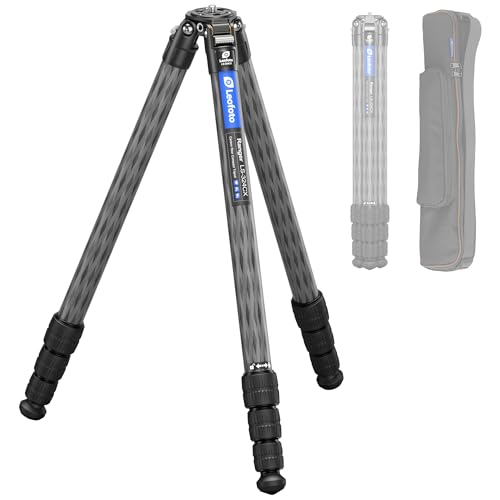
LEOFOTO 68″ Carbon Fiber Travel Tripod with Carry Bag

LEOFOTO LS-365CX Professional Carbon Fiber Tripod
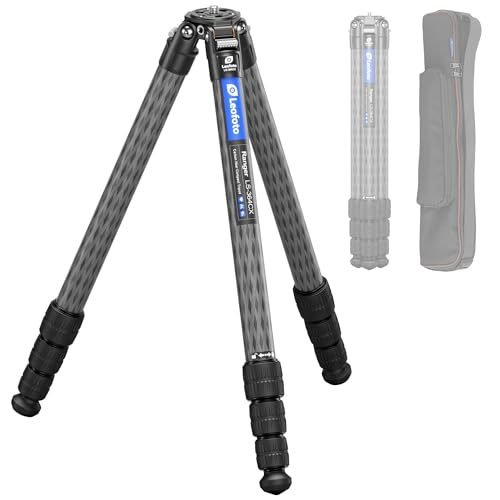
LEOFOTO 58″ Carbon Fiber Tripod LS-364CX

SIRUI AM-TT50 Aluminum Mini Tabletop Tripod

GoPro Shorty Mini Extension Pole Tripod

GEEKOTO 77″ Aluminum Tripod with Ball Head

NEEWER 74″ Video Tripod with Fluid Head TP74

Movo TR-1 Compact Mini Tabletop Tripod
What Each Pick Brings To The Table
This is the rig for backpackers who refuse to leave their full setup at home. The LEOFOTO LS Series uses a four-section carbon fiber leg system with a 32mm top tube diameter, which keeps the frame planted under a 33-pound load without turning your pack into dead weight. Twist locks deploy in roughly a quarter turn, so you spend less time fiddling with leg stages and more time catching first light on a ridge.
Setup stretches from a 7-inch minimum height for low-angle water shots up to about 71.6 inches, which covers most standing photographers. The 360-degree ball head includes a quick-release plate, so swapping between landscape and portrait orientation takes seconds. Folding down to 18.9 inches, it rides well in an exterior panel or lashed to a pack lid without demanding its own compartment.
The Upside
- Carbon fiber build keeps the system near 4.1 pounds despite the 33-pound load rating
- Four-section design hits 71.6 inches fully extended for tall standing setups
- Quarter-turn twist locks deploy fast in cold or gloved conditions
- Quick-release plate lets you swap cameras without unscrewing mounts
- Folded length under 19 inches fits most trekking pack side pockets
Trade Offs
- Top tube diameter is thinner than the LS-364CX, so extreme telephoto setups can show micro-vibration in wind
- Carbon fiber pricing sits well above aluminum rivals like the GEEKOTO option later in this list
- Leg sections number four, so the folded pack length is longer than the 5-section LEOFOTO LS-365CX
Best Suited To
Backpackers carrying a gripped mirrorless body or mid-weight DSLR who want full standing height without crossing five pounds.
Look Elsewhere When
You need maximum load capacity for a heavy cinema rig, in which case the LEOFOTO LS-364CX makes more sense.
Sibling to the first pick, this LEOFOTO trades the four-section leg design for three sections to shave seconds off setup. The 32mm top tube, 33-pound load capacity, and 1.88kg overall weight stay nearly identical to the LS Series. You give up a bit of folded compactness in exchange for fewer twist-lock stages to manage during cold-morning shoots.
Three leg angles let you drop the camera low for waterfall foregrounds without flipping the center column. The included 360-degree ball head and removable center column give you flexibility for overhead compositions or low macro work on the forest floor. For photographers who set up and break down often, fewer stages mean fewer things to seize up with trail grit.
Where It Delivers
- Three-section legs deploy in seconds with one quarter-turn per stage
- 33-pound load handles full-frame mirrorless and standard zooms confidently
- Removable center column enables inverted macro work
- Three leg-angle positions handle uneven boulder surfaces
- Carbon fiber tubes hold stiffness better than aluminum at lower weights
Things To Consider
- Folded length runs longer than the 4-section LS Series, so pack volume matters more
- Carbon fiber cost lands above aluminum builds like the GEEKOTO 77
- Top tube diameter is the same 32mm, so wind stability mirrors the LS Series rather than exceeding it
Made For
Backpackers who value fast deployment over maximum folded compactness and shoot mostly mirrorless with mid-size lenses.
Reach For A Different Pick When
You need the smallest possible pack footprint, where the LEOFOTO LS-365CX five-section build collapses tighter.
When ounces matter and pack space is tight, this 1.4kg LEOFOTO claims the lightest spot in the lineup. The four-section carbon fiber legs cut about half a pound from the heavier LS siblings, which adds up on multi-week routes. Maximum height lands at 68.1 inches, slightly shorter than its taller relatives, but plenty for most eye-level setups.
A 15kg load rating still covers a full-frame body with a 70-200mm lens, and the included carry bag keeps everything contained when the tripod rides inside a pack. Twist-lock leg stages deploy with a single quarter turn, and the three-position leg angles help you anchor on sloping terrain. Compared to the LS Series, you trade some absolute rigidity for a meaningful weight drop.
Real Benefits
- 1.4kg total weight ranks lowest among full-height carbon picks in this list
- 15kg load rating supports full-frame mirrorless with telephoto zooms
- Carry bag protects tubes from abrasion inside a packed-out bag
- 68-inch max height suits most standing compositions without compromise
- Quarter-turn twist locks handle gloved operation in shoulder season
Worth Noting
- Thinner carbon layups may transmit more micro-vibration under heavy lenses than the 36mm-tube LS-364CX
- 68-inch max height sits below the 71-inch LS Series for taller shooters
- Four-section design means slightly longer folded length than the 5-section LS-365CX
Feature Snapshot
Who Will Love This
Long-distance backpackers logging 15+ miles a day who want full-height carbon performance without the bulk penalty.
A Better Fit Elsewhere
Photographers running heavy cinema bodies with long lenses should pick the LEOFOTO LS-364CX for its 25kg rating.
Pack space often decides which tripod comes home, and the LS-365CX solves that problem with five-section legs that fold down to roughly 3 inches shorter than the four-section LS Series. At 1.77kg, weight sits comfortably between the ultralight pick above and the heavier LS-364CX below. The 36mm top tube diameter adds stiffness that helps with telephoto reach.
Maximum height lands at 60 inches, slightly shorter than the 71-inch siblings, but still workable for most seated or crouched compositions. A 20kg load rating gives you margin for gripped bodies or small cinema cages. The 3/8-inch mounting stud is the pro standard, so it pairs directly with most video heads without an adapter plate.
Why It Works Well
- Five-section legs collapse smaller than the 4-section LS Series for tighter pack pockets
- 36mm top tube improves torsional rigidity under telephoto loads
- 20kg max load handles gripped DSLR bodies with confidence
- 3/8-inch mounting stud matches pro video heads out of the box
- 1.77kg total weight keeps it under two pounds for pack-friendly travel
Honest Caveats
- Five-section leg design adds a few seconds to deployment versus the 3-section LEOFOTO above
- 60-inch max height sits below the 71-inch LS Series for tall standing work
- Carbon fiber cost edges above aluminum options like the GEEKOTO 77
Perfect Match For
Travelers stuffing tripods inside carry-on bags or tight pack sleeves who still want carbon fiber stiffness and a strong load rating.
Swap It Out When
You need maximum standing height for taller shooters, where the LEOFOTO 71-inch LS Series hits full extension.
The LS-364CX is the load-lifting heavyweight of the LEOFOTO range in this list. A 25kg max load rating (about 55 pounds) shrugs off long cinema rigs with matte boxes, follow-focus systems, or telephoto monsters like a 150-600mm zoom. The 36mm top tube diameter and 1.78kg carbon frame keep the platform stable without dragging your pack down.
Maximum height drops to 58.15 inches, which works fine for seated or crouched compositions but feels short for tall standing shooters. Four-section legs strike a balance between setup speed and folded compactness. Three leg angles handle irregular terrain, and quarter-turn twist locks let you deploy quickly without removing gloves.
The Value In It
- 25kg load rating is the highest in the lineup for cinema and long-lens work
- 36mm top tube stiffness resists twist under heavy loads
- 1.78kg carbon frame keeps it competitive with lighter four-section rivals
- Four-section legs split the difference between speed and folded size
- Quarter-turn twist locks hold up well in dusty trail conditions
Small Caveats
- 58-inch max height is the shortest among full-height LEOFOTO picks in this list
- Heavier load rating adds a small weight penalty over the 15kg-rated LEOFOTO above
- Carbon fiber pricing sits well above aluminum options like the GEEKOTO 77
Feature Snapshot
Whose Shelf It Belongs On
Backcountry shooters carrying heavy telephoto zooms or small cinema rigs who prioritize load rating over maximum height.
Consider Something Else When
You shoot mostly standing-height landscapes with a mid-weight mirrorless body, where the taller LEOFOTO 71″ LS Series fits better.
Sometimes you don’t need full standing height; you need a stable platform that weighs under two pounds and disappears into a side pocket. The SIRUI AM-TT50 delivers that with aluminum legs that fold to about 7 inches and weigh less than 1.7 pounds total. The 360-degree ball head handles small DSLRs, mirrorless bodies, smartphones, and compact cameras without complaint.
Maximum height tops out near 20 inches, which is plenty for tabletop setups, log-perch compositions, and low ground-level shots where getting lower beats standing taller. Aluminum keeps the price accessible versus carbon fiber rivals above. For ultralight packers running a single small body, this is the minimalist choice.
Good Reasons To Consider
- Under 1.7-pound carry weight disappears into any pocket or pack sleeve
- 20-inch max height suits tabletop and log-perch compositions
- Aluminum pricing beats carbon fiber alternatives in this list
- 360-degree ball head handles small bodies and smartphones alike
- 7-inch folded length fits in carry-on side pockets for travel days
Less Ideal Details
- Aluminum tubes carry more weight than the carbon LEOFOTO options above
- 20-inch max height leaves you crouched for any taller compositions
- Mini tabletop legs lack the leg-angle flexibility of full-size tripods
Built With In Mind
Ultralight backpackers running small mirrorless bodies or action cameras who shoot mostly low-angle and tabletop compositions.
Skip It When
You need full standing height for eye-level landscapes, where the LEOFOTO 71-inch LS Series is the better match.
The GoPro Shorty plays a different game than the rest of the list. It folds to 4.6 inches, weighs almost nothing, and pulls double duty as an extension pole and tabletop tripod. For action camera users, vloggers, and anyone running a compact setup, this is the smallest support that still offers a stable base.
Extend it to 8.9 inches for group shots, hard-to-reach angles, or follow-cam walking footage. Fold the legs out and it stands on any level surface for hands-free shooting. The built-in mount is GoPro-native, so no adapters are needed for HERO bodies. It does not pretend to be a full tripod, and that is exactly the point.
Useful Touches
- 4.6-inch folded length slips into a jacket pocket or hip belt
- Doubles as extension pole and tabletop tripod in one tool
- Built-in GoPro mount needs no adapter plates
- Extends to 8.9 inches for overhead and follow-cam angles
- Lightweight build barely registers in a small action camera kit
Where It Is Less Suited
- Not designed for DSLR or mirrorless body weight
- 8.9-inch max height limits use to compact and tabletop compositions
- Single mounting standard means non-GoPro cameras need an adapter
The Right Fit
Adventure travelers and vloggers running action cameras who want a single compact tool that handles both handheld and tripod shots.
Where Another Pick Suits Better
Mirrorless or DSLR shooters should step up to the SIRUI AM-TT50 or LEOFOTO 68-inch travel tripod for proper camera support.
The GEEKOTO 77-inch trades carbon fiber weight savings for raw height and accessible pricing. Four-section aluminum legs extend from a 19-inch working minimum up to 77 inches fully deployed, the tallest reach in this lineup. That extra few inches matters for tall shooters who don’t want to stoop for eye-level landscapes.
The 360-degree ball head handles an 8kg load, which covers most mirrorless bodies and entry-level DSLRs with kit zooms. Quick-release flip locks deploy fast, and the folded length stays compact enough for a pack’s side pocket. Aluminum construction costs less than the LEOFOTO carbon options and takes a few more ounces in trade.
Strengths Worth Knowing
- 77-inch max height leads the list for tall standing setups
- Aluminum pricing undercuts carbon fiber rivals in this roundup
- Flip-lock leg stages deploy quickly without quarter-turn effort
- 360-degree ball head supports landscape and portrait orientations
- Compact folded length fits most pack side pockets
Things To Weigh Up
- Aluminum tubes weigh more than the carbon LEOFOTO options above
- 8kg max load sits well below the LEOFOTO 25kg LS-364CX
- Cold-weather handling can stiffen flip-lock mechanisms versus twist locks
Feature Snapshot
Who Should Grab It
Backpackers on tighter budgets who shoot mirrorless or entry DSLRs and want maximum standing height without carbon pricing.
Not Your Match When
You carry heavy cinema gear or large telephoto zooms, where the LEOFOTO LS-364CX and its 25kg rating fit better.
Backcountry video shooters need a fluid head to keep pans smooth, and the NEEWER TP74 delivers that without crossing into full cinema territory. The fluid drag head supports 360-degree rotation plus a -75 to +90-degree tilt range, which covers most documentary-style framing. A 75mm bowl base with 360-degree scale markings helps repeat level pans on multi-day shoots.
Double tandem aluminum alloy legs stabilize the platform under an 8kg load, and a mid-level spreader locks the legs in position on uneven ground. Maximum height reaches 74 inches, slightly taller than the LS Series for standing compositions. The quick-release plate swaps cameras fast between setups. Aluminum construction weighs more than carbon rivals above, but the fluid head justifies the extra pounds for video work.
Everyday Perks
- Fluid drag head delivers smooth pans and tilts for video
- 75mm bowl base with 360-degree scale supports repeatable framing
- Mid-level spreader keeps legs planted on rocky terrain
- 74-inch max height suits standing video compositions
- Telescopic handle stores compactly between shots
Factors To Consider
- Aluminum construction weighs more than the carbon LEOFOTO options
- Fluid head adds bulk over simple ball heads for stills-only shooters
- 8kg max load sits below the LEOFOTO LS-364CX for heavy cinema rigs
Best Suited To
Backcountry videographers shooting documentaries, weddings, or product videos who need smooth fluid-head pans on the trail.
Another Choice May Suit
Still photographers not using fluid motion should pick a lighter LEOFOTO carbon option or the GEEKOTO 77 for budget reach.
The Movo TR-1 earns the final slot as the most versatile mini support in the lineup. Folding feet collapse into a hand grip for run-and-gun shooting, then unfold into a stable tabletop tripod for static setups. A standard 1/4-inch screw mounts GoPro bodies, DSLRs, mirrorless cameras, Osmo gimbals, pocket projectors, and Zoom recorders without adapters.
Compact enough to ride in a coat pocket, the TR-1 disappears into any kit without adding meaningful weight. It is not built for full standing height or heavy telephoto lenses, but for vloggers, content creators, and ultralight travelers who shoot handheld plus tabletop, this is the most flexible option. Build quality focuses on portability rather than heavy-duty load support.
What Helps Most
- Folding feet convert from hand grip to tabletop tripod in seconds
- Standard 1/4-inch screw mounts most cameras and accessories natively
- Compact size rides in jacket pockets and small sling bags
- Lightweight build suits vlogging, content creation, and casual travel
- Multi-device compatibility covers GoPro, DSLR, Osmo, and Zoom
Practical Considerations
- Mini tabletop height limits use to low or handheld compositions
- Lightweight frame is not designed for heavy telephoto or cinema bodies
- Folding feet can shift on uneven rock surfaces compared to full-size tripods
Who Will Love This
Travel vloggers and content creators running compact setups who want one support that doubles as grip and tripod.
Look Elsewhere When
You shoot full-frame mirrorless with telephoto zooms, where the LEOFOTO 68-inch carbon travel tripod makes more sense.
Matching Tripods To Trail Realities
The right tripod comes down to honest trade-offs between weight, height, load capacity, and pack size. Backpackers carrying a full-frame mirrorless body with mid-size zooms typically land on the LEOFOTO LS Series for its balance of 33-pound load capacity and sub-4.5-pound carry weight. Long-distance travelers who log 15-plus miles a day usually prefer the LEOFOTO 68-inch carbon build at 1.4kg total, which is meaningfully lighter without giving up full-height reach. For cinema and long-lens work, the LS-364CX’s 55-pound load rating provides the margin heavy rigs demand.
Videographers shooting pans and tilts should consider a fluid head from the start. The NEEWER TP74 offers a fluid drag head in a backcountry-ready aluminum package, though the extra weight over carbon still-image tripods is a real trade. Action camera users and ultralight vloggers can step down to the GoPro Shorty or Movo TR-1 for pocketable support that handles handheld and tabletop work in a single tool.
Tabletop and mini tripods serve a different purpose than full standing-height rigs. The SIRUI AM-TT50, GoPro Shorty, and Movo TR-1 all sacrifice maximum reach for portability, and that is the right call for ultralight kits that prioritize low-angle and tabletop compositions. None of these will replace a full tripod for eye-level landscapes, but they cover a different set of shots that matter on the trail.
Pitfalls Shoppers Hit And Where The Extra Money Goes
Wrong Turns To Avoid
Chasing the lightest tripod on paper can backfire when the load rating does not match your camera and lens combo. A 1.4kg frame paired with a 5kg gripped body and 70-200mm zoom invites vibration and gradual drift during long exposures, even on calm days. Match the load rating to at least 1.5 times your heaviest real-world setup.
Folded length matters more than maximum height for backcountry fit. A 71-inch tripod that collapses to 18 inches rides well in a pack’s side pocket, while a 60-inch tripod folding to 14 inches may actually be harder to lash externally. Measure your pack’s interior dimensions before deciding on leg sections.
Where The Extra Money Goes
Carbon fiber pricing reflects both material cost and manufacturing precision. Carbon tubes resist torsional twist better than aluminum at lower weights, which matters for long exposures in crosswinds and heavy lens setups. Twist locks on quality carbon tripods also hold up better to repeated trail grit than budget flip-lock mechanisms.
Fluid heads add real cost because of the precision damping required for smooth pans. A budget fluid head typically offers limited tilt range and rougher resistance, while higher-tier designs maintain consistent drag across temperature and humidity swings. For video shooters, this consistency is the difference between usable footage and reshoots.
Frequently Asked Questions
What weight range works for backpacking camera tripods?
For backcountry trips, total tripod weight between 1.4kg and 2kg hits the sweet spot for most mirrorless and entry DSLR shooters. Heavier cinema bodies with matte boxes and follow-focus gear push you toward 2.5kg-plus rigs with stronger load ratings.
How many leg sections are best for backpacking?
Four-section legs balance setup speed and folded compactness for most backpackers. Three-section legs deploy faster but fold longer, while five-section legs pack smaller but add seconds to deployment in cold weather. Your pack’s interior space should guide the choice.
Carbon fiber or aluminum for backpacking tripods?
Carbon fiber wins on weight savings and cold-weather handling, typically costing more per tripod. Aluminum saves money and adds a few ounces, which matters less for short trips and more for multi-week routes. Pick carbon for mileage-heavy treks and aluminum for weekend outings.
Do fluid heads matter for still photography?
For stills only, a quality ball head offers faster repositioning and tighter locking. Fluid heads earn their weight when pans and tilts appear in your work, including landscape video clips and slow-motion sequences. Skip the fluid head if you shoot exclusively still images.
How short should a tripod fold for backpacking?
Most backpackers target folded lengths under 19 inches for pack side pockets and under 16 inches for carry-on luggage compatibility. Measure your pack’s interior before buying to avoid a tripod that does not fit where you expected it to live on the trail.
Closing Remarks
The best backpacking camera tripod is the one you actually carry. Carbon fiber LS Series options lead the pack for most full-frame mirrorless shooters, while ultralight travelers step down to the 1.4kg LEOFOTO 68-inch for long routes. Heavy telephoto work and small cinema rigs need the LS-364CX’s load capacity, and tabletop or action shooters find their match in the SIRUI, GoPro Shorty, or Movo mini picks. Match the tripod to your kit, your mileage, and your shooting style, and the right choice usually reveals itself once the trade-offs are clear.