Stepping into filmmaking feels exciting until you hit the gear wall. The gap between a phone and a cinema rig is enormous, and most newcomers either overbuy or land on a camera that quietly holds them back. This list covers nine beginner-friendly options across the spectrum, from compact mirrorless bodies with real creative headroom to budget point-and-shoots that still record clean 4K. The goal is simple: help you find a camera that matches the kind of stories you want to tell without forcing you to learn a whole system before your first shoot.
A Closer Look At The Lineup

SONY Cinema Line FX30 Super 35 Camera

Canon EOS M50 Mirrorless Vlogging Camera Kit

SEREE 2.7K Camcorder with IR Night Vision

ULPTXOO 4K Digital Camera with Flip Screen
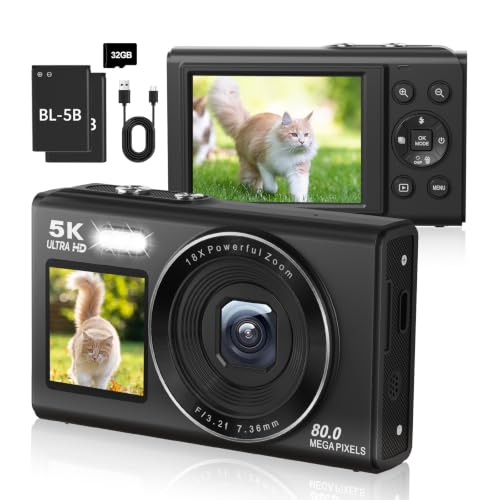
ULPTXOO 5K Dual Screen Vlogging Camera
ULPTXOO 4K Vlogging Camera with AI Tracking

QUIOF 4K Vlogging Camera (Black)
QUIOF 4K Vlogging Camera (Pink)

ULPTXOO 4K Travel Vlogging Camera
Inside Each Recommended Option
The FX30 borrows the same cinema DNA as Sony’s higher-end line, and for a beginner with serious ambitions that matters more than raw megapixels. The 20.1 MP Super 35 sensor (a sensor larger than most compacts, which helps create a cinematic depth of field) reads in 6K and outputs oversampled 4K, which means footage stays detailed even after color grading. Unlike the Canon EOS M50 below, it ships with S-Cinetone and S-Log3 picture profiles, so beginners can shoot flat footage and grade it later or rely on the built-in cinema look straight out of camera.
It also includes a shotgun microphone in the kit, an underrated bonus that saves you from buying a separate audio recorder on day one. The body is compact enough for run-and-gun setups but still accepts professional cages, gimbals, and XLR adapters when you grow into them.
Where It Delivers
- 6K oversampled 4K gives you room to crop and stabilize in post without softening the image
- S-Cinetone and S-Log3 let you start with a polished look and graduate to color grading later
- Compact body with a proper Super 35 sensor, a real step up from smartphone footage
- Included shotgun mic means you can record usable dialogue the moment you unbox it
- Strong autofocus with stabilization makes handheld narrative scenes far more forgiving
Honest Caveats
- Lens ecosystem costs add up quickly, especially if you want a fast prime for low light
- Menu system runs deep and overwhelms newcomers on the first afternoon
At A Glance
Built With In Mind
Creators who already know they want to make short films, narrative content, or cinematic YouTube work and want a body that grows with them.
A Better Fit Elsewhere
The Canon EOS M50 is the more sensible pick if you mainly want hybrid photo and casual video with a gentler learning curve.
The EOS M50 has been around long enough to feel familiar, and that familiarity is part of the appeal. It uses a mirrorless design, meaning no flipping mirror inside like a DSLR, so the body stays small and the autofocus stays fast. The 24.1 MP APS-C sensor captures 4K UHD at 24p, which is the frame rate most beginners associate with a true cinematic feel. Compared to the Sony FX30 above, this is a simpler, friendlier entry point with a less intimidating menu system.
The included 15-45mm kit lens covers a versatile wide-to-portrait zoom range, so you can shoot talking-head clips, B-roll, and travel scenes without buying anything else. Canon also offers a deep library of EF-M lenses that stay affordable for newcomers.
Noteworthy Benefits
- 24.1 MP APS-C sensor delivers sharp stills and detailed 4K video in one body
- Compact, light mirrorless build that fits in most everyday camera bags
- Dual Pixel CMOS AF tracks faces smoothly during talking-head vlogs
- Fully articulating screen helps with self-recording and odd-angle framing
Some Limits To Know
- 4K video applies a noticeable crop, which tightens wide-angle framing
- Lens ecosystem is smaller than Sony E-mount or Canon RF, limiting long-term upgrade paths
- Battery life runs short during long interview sessions without a spare
Whose Shelf It Belongs On
Beginners who plan to alternate between photo essays and short-form videos and want one camera body that handles both without a steep learning curve.
Skip It When
The ULPTXOO 4K Travel Vlogging Camera is the better match if you want a lighter, more travel-friendly body with a flip screen built for self-recording.
SEREE’s camcorder is shaped for first-time creators who just want to point and shoot. The form factor resembles a traditional video camera with a side-flipping 270-degree screen, which makes self-recording feel natural rather than fiddly. It records at 2.7K resolution, a step above 1080p full HD, and includes 16X digital zoom for distant subjects. Unlike the mirrorless options higher on this list, this one ships ready to record with an included 16GB SD card and battery.
The IR night vision mode is a quirky bonus. It won’t replace a proper cinema camera in low light, but for indoor vlogs, sleepover sketches, or ambient storytelling scenes, it adds a layer of creative flexibility most budget cameras skip.
What It Does Well
- All-in-one kit with battery and SD card means you can film the day you unbox it
- 270-degree rotating screen simplifies framing at unusual angles
- IR night vision opens up low-light scenes most budget cameras miss
- Side grip and camcorder body feel balanced during long handheld sessions
Points To Keep In Mind
- 2.7K resolution falls short of the 4K detail offered by most cameras on this list
- Digital zoom softens aggressively past about 4x, so it suits casual scenes more than precise framing
- Manual controls are limited, which can frustrate creators who want to learn exposure
Who Should Grab It
Casual creators, teens, and family videographers who want a fuss-free starter camcorder that handles everyday scenes without manual tweaking.
Look Elsewhere When
The Sony FX30 makes more sense if you want true cinematic depth, color grading headroom, and a body that scales into professional work.
This ULPTXOO camera is built around the vlogger experience. The 180-degree flip screen faces forward, so framing yourself while recording becomes effortless. It captures 4K video and stills up to 64MP, which is plenty for YouTube, TikTok, and casual travel films. The autofocus system holds onto faces reasonably well during moderate movement, which matters when you’re walking and talking.
Compared to the Canon EOS M50, the lens is fixed rather than interchangeable. That’s a limitation, but it also means there is no extra glass to buy and no dust on a sensor to clean. The two batteries and 32GB card in the kit extend shoot time without forcing a mid-day recharge.
Practical Advantages
- Flip-forward screen is purpose-built for self-recording vloggers
- Two batteries in the box double your on-location shooting time
- Built-in WiFi transfers clips to your phone without cables
- Compact body slips into a jacket pocket for travel days
Where It May Fall Short
- Fixed lens prevents you from experimenting with shallow depth-of-field portraits
- Low-light footage shows visible noise, so indoor scenes need good lighting
- Sensor is small, meaning backgrounds stay mostly in focus even at wide apertures
Made For
First-time travel vloggers who want a lightweight camera with a flip screen and enough resolution for YouTube uploads.
Swap It Out When
The ULPTXOO 4K Vlogging Camera with AI Tracking is the better fit if you film mostly by yourself and want smarter face tracking while moving.
The standout feature here is the dual-screen layout, with a front-facing panel designed for selfies and a rear screen for traditional framing. That makes this camera especially useful for solo creators who often film themselves. It captures 5K stills and 4K video, plus an 18X digital zoom for distant subjects when travel scenes call for it. The compact body feels closer to a point-and-shoot than a serious cinema tool, which is exactly the point.
For teens, students, and hobbyist vloggers, the included 32GB card and twin batteries remove most of the friction from starting out. Compared to the ULPTXOO model above, this one steps up the resolution and adds a second screen for greater framing flexibility.
Useful Strengths
- Front-facing screen simplifies selfie framing for solo creators
- 5K stills give you more cropping room for social media edits
- Compact build is easy to pack and carry on travel days
- Two batteries extend shooting across long outing days
Where It Is Less Suited
- Digital zoom produces mushy detail at full reach, so wide and medium shots look best
- Sensor is small compared to mirrorless bodies, limiting low-light and bokeh control
- Audio quality is built-in only, with no microphone input for upgraded sound
The Right Fit
Solo travel vloggers and hobbyist creators who want a small, friendly camera with a screen that faces them while they film.
Consider Something Else When
The Canon EOS M50 makes more sense if you want interchangeable lenses and a more serious hybrid camera that grows with your skills.
This ULPTXOO model leans hard into software smarts. PDAF autofocus, which stands for phase-detection autofocus and locks onto subjects faster than basic contrast-based systems, helps the camera hold focus while you walk and talk. The AI face tracking feature follows your face through the frame, so center-stage compositions stay where you want them. For solo YouTubers and streamers, that combination reduces the need for a second person behind the lens.
The 4K sensor captures sharp footage for the kind of online content most beginners cut for. It is closer in spirit to the SEREE camcorder above but more focused on the talking-head creator workflow than family-style recording.
Strong Points
- AI face tracking keeps you centered during moving shots without manual adjustment
- PDAF autofocus responds quickly when subjects step into the frame
- Lightweight body suits desk setups, handheld vlogs, and travel days alike
- Beginner-friendly interface keeps settings minimal for newcomers
Practical Considerations
- Subject tracking works best in well-lit environments with a clear face on screen
- Audio input options are limited, so external mics may require adapters
- Digital zoom crops into the sensor, which can soften footage at the long end
Best Suited To
Solo YouTubers and streamers who want the camera to handle framing and focus so they can concentrate on the content itself.
Another Choice May Suit
The QUIOF 4K Vlogging Camera is a friendlier gift option for younger creators who don’t need AI tracking.
QUIOF’s camera is aimed at younger creators and gift-givers who want a hassle-free first camera. It records 4K video and 48MP stills, packs a 16X digital zoom, and includes a 32GB card so the camera is ready the moment it is unboxed. Anti-shake stabilization helps smooth out handheld clips from younger users who haven’t yet learned steady framing. The black colorway keeps the look understated for teens or adults.
Compared to the SEREE camcorder above, the form factor here is more compact and point-and-shoot in feel. Forgiving autofocus and simple menus make it approachable for first-time users.
What Helps Most
- Anti-shake stabilization smooths handheld clips from less experienced users
- 32GB card included so beginners can shoot immediately
- Compact body suits smaller hands and travel days
- Autofocus holds onto subjects without manual hunting
Things To Weigh
- Digital zoom quality drops past modest magnification levels
- Low-light performance struggles indoors without extra lighting
- Sensor is small compared to mirrorless options, so creative control is limited
Right Fit For
Teens, students, and first-time creators who want a gift-ready camera with everything they need in the box.
Reach For A Different Pick When
The Sony FX30 suits you better if you want cinematic shallow depth of field and color grading room for more ambitious projects.
This pink version of the QUIOF camera shares the same internals as the black model above but trades the muted color for a playful finish. For younger creators who care about style as much as specs, that visual difference matters. The body still captures 4K video, 48MP stills, and includes the same 32GB card and 16X zoom range.
Functionally identical to its sibling, this pick is for shoppers choosing between form and finish rather than core performance. You can expect the same forgiving autofocus, the same anti-shake stabilization, and the same beginner-friendly menus in a color that stands out on a shelf.
What Makes Sense
- Color choice adds personality for younger or style-conscious creators
- Includes 32GB card and 16X zoom, the same bundle as the black sibling
- Anti-shake stabilization helps steady handheld clips
- Autofocus is forgiving enough for first-time users to rely on
Honest Caveats
- Specs mirror the black model, so image quality differences are cosmetic only
- Digital zoom softens at higher magnification levels
- Sensor size limits creative depth-of-field control compared to mirrorless bodies
Perfect Match For
Younger creators or gift shoppers who want the same dependable beginner specs with a color option that feels more personal.
Swap It Out When
The ULPTXOO 5K Dual Screen Vlogging Camera fits better if dual-screen framing matters more than color choice for your workflow.
This ULPTXOO model closes the list as the most travel-focused option. The compact body slips into a small bag or large pocket, and the 180-degree flip screen makes self-recording on the move feel natural. Built-in WiFi lets you transfer clips to your phone without cables, which speeds up upload days when you are away from a laptop. The autofocus system responds quickly enough for walking-tour vlogs.
It ships with two batteries and a 32GB card, so you can pack light and still cover a full day of sightseeing footage. Compared to the Canon EOS M50, it sacrifices interchangeable lenses but wins on portability and on-the-go convenience.
The Helpful Details
- Flip screen makes self-recording intuitive while traveling
- Built-in WiFi speeds up phone transfers for fast uploads
- Two batteries extend shooting across long day trips
- Compact build slips into a pocket or small sling bag
Where Another Pick Suits Better
- Fixed lens prevents creative depth-of-field effects
- Low-light footage shows noise, so golden-hour and indoor scenes need extra lighting
- Sensor is small, limiting background blur compared to mirrorless options
Who It Suits Best
Mobile vloggers and student creators who want a lightweight camera with built-in WiFi and a flip screen for travel and daily uploads.
Not Your Match When
The Sony FX30 is the better choice if your projects lean narrative and you want the cinematic depth and color room of a larger sensor.
What Matters Most Before Choosing Beginner Cameras For Filmmaking
Sensor Size and Image Quality
A camera’s sensor, the chip that captures light and turns it into your footage, shapes everything you see. Larger sensors gather more light, which means cleaner indoor footage, richer colors, and the ability to blur backgrounds for a cinematic look. The Sony FX30 and Canon EOS M50 use APS-C sensors, which fall between a phone sensor and a full-frame cinema chip. Compact options from ULPTXOO and QUIOF use smaller sensors that suit casual scenes but limit creative depth control. Pick by how much depth of field and low-light flexibility your projects actually need.
Video Resolution and Frame Rates
Most beginners assume 4K is always better, and usually it is. But frame rate matters just as much for the feel of your footage. The Sony FX30 records at cinema-grade frame rates with detailed oversampled 4K. Compact options from ULPTXOO and QUIOF capture 4K at standard rates that suit YouTube and social platforms. Match resolution and frame rate to where your work ends up, whether that’s YouTube, TikTok, or the local film festival.
Autofocus and Stabilization
For solo creators, autofocus reliability can make or break a shoot. PDAF systems, found in the ULPTXOO AI tracking camera, lock on faster than basic contrast-detection systems. Mirrorless bodies like the EOS M50 and FX30 use sophisticated hybrid autofocus with face and eye tracking. Add stabilization into the mix, and handheld footage stays watchable even when you are moving. Consider how much movement your shoots typically involve.
Audio, Ergonomics, and Long-Term Growth
Built-in mics only get you so far. The Sony FX30 ships with a shotgun mic, an uncommon bonus. Most compact picks skip external audio inputs, which limits interview-style work. Ergonomics matter too: a compact body slips into a travel bag, while a larger body balances better on gimbals and tripods. Think about where filmmaking will take you in two years, not just what you need today.
Key Considerations Across These Picks
Pitfalls Shoppers Hit
Buying on megapixels alone is the most common trap. A 64MP compact sensor often delivers noisier footage than a 24MP APS-C sensor because the pixels are smaller. Beginners also tend to overlook audio, only to discover that built-in mics pick up wind and handling noise. Skip the assumption that “4K” means “cinematic,” and look for sensor size, frame rates, and stabilization as a package.
Where The Extra Money Goes
Stepping up to a mirrorless body like the Sony FX30 brings a larger sensor, log color profiles for grading, and a more robust autofocus system. That extra investment pays off if you plan to learn color grading, work with shallow depth of field, or shoot projects that need to look polished. For casual vlogs and travel clips, a compact 4K camera is often the smarter, lighter choice. The upgrade only pays off when your ambitions outgrow a pocketable body.
Frequently Asked Questions
What camera do most beginner filmmakers start with?
Most newcomers start with a mirrorless body like the Canon EOS M50 or a compact 4K camera from ULPTXOO. The right choice depends on whether you want interchangeable lenses or a lightweight all-in-one body.
Is 4K necessary for beginner filmmaking?
4K gives you cropping room in editing and looks sharper on modern screens, but 1080p still works for online platforms. Many beginners shoot 4K today and downscale to 1080p for sharper final footage.
Do I need to buy extra lenses?
Mirrorless bodies like the Sony FX30 and Canon EOS M50 benefit from extra lenses as your skills grow. Compact point-and-shoots have fixed lenses, which keeps things simple but limits creative flexibility.
How important is audio quality?
Audio quality matters as much as video quality, often more. Cameras with mic inputs or included external mics, such as the Sony FX30, give you a noticeable upgrade over built-in sound.
What is the best budget camera for filmmaking?
For tight budgets, compact 4K cameras from QUIOF and ULPTXOO deliver usable footage without breaking the bank. They trade sensor size and lens flexibility for affordability and convenience.
The Takeaway
The right beginner camera is the one you’ll actually carry and shoot with, not the one with the longest spec sheet. Match the body to your real ambitions: the Sony FX30 for cinematic growth, the Canon EOS M50 for hybrid photo and video, the compact ULPTXOO and QUIOF models for travel vlogs and first projects. Start where your stories begin, and let the gear catch up as your vision sharpens.