Picking up your first serious filmmaking camera can feel like staring at a foreign language. Sensor sizes, log profiles, lens mounts, flip screens: enough jargon to stall any beginner before they hit record. The good news is that 2026’s entry tier is more approachable than ever, with bodies that handle autofocus, deliver pro-level color, and travel light in a backpack. Whether you want to shoot short films, YouTube videos, sports highlights, or simple travel memories, this list breaks down ten options that get you moving without burying you in menus.
How The Shortlist Stacks Up

SONY Cinema Line FX30 Super 35 Camera

Canon EOS Rebel T7 DSLR Double Zoom Kit
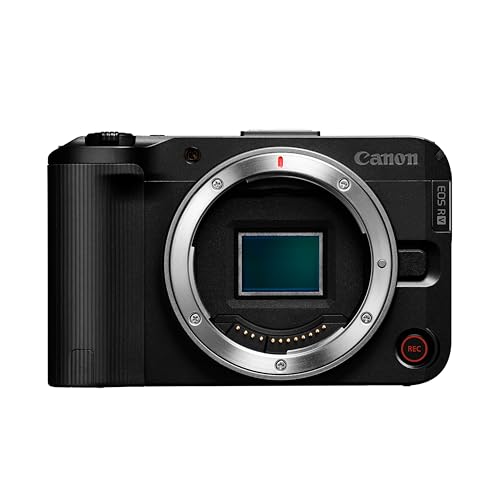
Canon EOS R50 V Mirrorless (Body Only)

KODAK PIXPRO FZ45 16MP Compact Camera


XbotGo Falcon 4K AI Sports Camera (Green)

KODAK PIXPRO WPZ2 Waterproof Camera

XbotGo Falcon 4K AI Sports Camera

XbotGo NT4 PRO Carbon Fiber Tripod

KODAK PIXPRO C1 13MP Compact Camera
The Strengths Of Each Pick
The FX30 borrows its DNA from Sony’s high-end Cinema Line, and that lineage shows the moment you start shooting. Super 35 (a sensor size matching traditional cinema cameras) sits behind a 20.1 MP Exmor R APS-C chip, oversampling 6K (recording at a higher resolution then downsampling for sharper 4K) to deliver 4K video with rich detail. It feels purpose-built for creators moving past casual smartphone work, yet the body stays compact enough to ride in a small sling bag.
Where it really earns its place for newcomers is the color science. S-Cinetone gives a flattering, filmic look straight out of camera, so you can spend your time framing shots instead of wrestling with color wheels. When you are ready to grow, S-Log3 unlocks a flat profile (a low-contrast capture mode designed for heavy color grading in post) for serious grading later on.
What Makes Sense
- S-Cinetone and S-Log3 grading profiles built in, so footage looks polished immediately and grows with your skills.
- Compact Super 35 body makes handheld and gimbal work far less tiring than full-frame rigs.
- Sophisticated autofocus and stabilization help a beginner nail moving subjects without manual pulling.
- Strong lens ecosystem through Sony’s E-mount gives you room to expand your kit over time.
Things To Consider
- Lens ecosystem pricing climbs quickly once you move past kit glass.
- Recording limits and heat management can be a factor on long documentary-style shoots in warm rooms.
Feature Snapshot
Who Will Love This
Aspiring short filmmakers stepping up from a phone or entry DSLR will get the most out of its color profiles and grading headroom.
Swap It Out When
The KODAK PIXPRO FZ45 fits better for shoppers who just want a simple grab-and-shoot camera with no learning curve at all.
Canon’s Rebel T7 DSLR kit has been the default starting point for new photographers for years, and the double-lens bundle gives you more range right out of the box. The 24.1 MP APS-C sensor (a crop sensor smaller than full-frame but well-suited for everyday shooting) produces crisp stills, and Full HD video covers basic YouTube or family-recording needs. It ships with both an 18-55mm walkaround and a 75-300mm telephoto lens.
For absolute beginners, the optical viewfinder and traditional mode dial make the learning curve feel intuitive. Scene Intelligent Auto hands control to the camera while you learn exposure, then manual modes open up as your confidence grows.
What Pays Off
- Two lenses cover everything from group portraits to distant sports.
- Wi-Fi makes transferring shots for quick sharing painless.
- Battery life tends to run long, which matters on day trips without a charger.
Worth Noting
- Full HD video tops out well below the 4K standard of newer mirrorless options like the R50 V.
- Live View autofocus is sluggish compared to modern mirrorless systems.
Right Fit For
First-time camera owners who want a forgiving DSLR with everything in one box.
A Better Fit Elsewhere
The Canon EOS R50 V is the smarter pick for creators who care more about video quality than a traditional stills experience.
The R50 V is Canon’s first EOS V-series body, and you can feel the creator-first DNA the moment you pick it up. A redesigned interface borrows menu language from Canon’s professional Cinema EOS line, while the APS-C sensor and RF lens mount keep the footprint small. The vari-angle flip screen flips out for self-recording, making vlog framing far easier than tilting the camera blind.
What separates it from the older Rebel DSLRs is the hybrid mindset. You get interchangeable lenses, real 4K capture, and dedicated streaming-friendly video functions, all in a body that still handles like a beginner camera.
A Few Strong Suits
- Creator-oriented UI removes a lot of menu hunting for first-time filmmakers.
- Flip screen makes self-framing and product reviews simple.
- Compact APS-C mirrorless body travels well to shoots, classes, and travel days.
Trade Offs
- Body-only means you need to budget for at least one RF or RF-S lens separately.
- Battery life is shorter than a DSLR, so packing a spare is smart on long shoot days.
Quick Facts
Made For
Vloggers, podcasters, and TikTok creators who want a small 4K body that grows into a serious interchangeable-lens setup.
Look Elsewhere When
Pick the KODAK PIXPRO WPZ2 instead when the priority is a sealed camera that survives sand, splash, and snow.
The FZ45 is the kind of camera you hand to a grandparent and trust that the photos will come back looking fine. A 16 MP sensor pairs with a 27mm wide-angle lens and 4x optical zoom, which covers family dinners, school events, and weekend trips without anyone touching a menu. AA battery power keeps things simple: no special chargers to forget, just a few spare AAs in a drawer.
For anyone who treats photography as memory-keeping rather than craft, this little Kodak gets out of the way. The tradeoff is a fixed lens and no manual control depth, but that simplicity is also the feature.
Points In Its Favor
- AA battery power sidesteps the charging-cable shuffle entirely.
- Wide 27mm starting focal length captures group photos without backing up across the room.
- Pocketable body fits in a jacket or small bag for grab-and-go days.
Honest Caveats
- Low-light performance is limited compared to larger-sensor cameras.
- Manual creative controls are minimal, so it is not the right tool if you want to learn aperture priority or shutter speed.
Best Suited To
Casual family photographers who want simple point-and-shoot capture with no fuss.
Where Another Pick Suits Better
The SONY Cinema Line FX30 is the stronger match for shoppers who actually want to learn video craft and grading.
This T7 bundle reads like a textbook starter kit: a 24.1 MP APS-C sensor, Full HD video, built-in Wi-Fi and NFC, and both the 18-55mm general-purpose and 75-300mm telephoto lenses included. For someone stepping out of the smartphone world, that is a lot of capability at a friendly entry-level bracket.
The DIGIC 4+ processor (Canon’s older but proven image engine) keeps operation responsive, and the 9-point AF system is fine for stationary or slow-moving subjects. Continuous shooting at 3.0 fps (frames per second) is modest but workable for casual action.
Notable Gains
- Wide-to-telephoto coverage in one box, no extra purchases required.
- Wi-Fi and NFC simplify transferring shots to a phone for quick posting.
- Optical viewfinder gives a traditional shooting experience that helps beginners learn framing.
Points To Keep In Mind
- Autofocus during video lags behind modern mirrorless alternatives.
- Full HD is dated if you specifically want 4K output.
Key Attributes
Perfect Match For
Budget hobbyists who want a complete DSLR kit to learn photography fundamentals without buying accessories separately.
Not Your Match When
The XbotGo Falcon 4K AI Sports Camera fits better for parents who mainly want hands-free filming of youth games.
Filming a kid’s soccer game used to mean begging another parent to hold the phone or hauling a tripod. The Falcon solves that with built-in AI tracking that follows players automatically, paired with 4K recording and live streaming. It sits as an all-in-one sports solution rather than a traditional handheld camera, and that focus shows in everything from its mounting options to its app.
For parents who want every goal recorded without becoming the team videographer, this is the most freeing choice on the list. The 6 TOPS AI performance (six trillion operations per second, a measure of onboard AI processing speed) and 8-core processor handle tracking smoothly even at full zoom on moving athletes.
Useful Strengths
- Hands-free AI tracking removes the need for a dedicated camera operator on the sideline.
- Live streaming support lets grandparents watch games in real time.
- 4K capture preserves detail for highlight reels after the season ends.
Small Caveats
- AI tracking works best when subjects stay separated and visible; crowded scenes can confuse it.
- This is not a casual walkaround camera, so you will likely own it alongside a phone, not instead of one.
At A Glance
Built With In Mind
Parents and grandparents who want full game footage without standing behind the camera.
Reach For A Different Pick When
The Canon EOS Rebel T7 2-Lens Bundle is the better choice for shoppers who want to learn real photography skills rather than automated sports filming.
The WPZ2 exists for the moments you would not trust a phone or an interchangeable-lens camera. Waterproof to 15 meters, shockproof from 2-meter drops, and dustproof to keep sand out, it thrives where other cameras quit. A 16 MP BSI sensor (backside-illuminated, a design that improves light capture) and 4x optical zoom handle the actual imaging duties.
It is the right tool for snorkelers, kayakers, skiers, and beach-day families who want a dedicated camera they can hand to a kid without flinching.
Everyday Wins
- Sealed body keeps working in rain, surf, and dust storms.
- Bright yellow finish is easy to spot if dropped in grass or sand.
- 4x zoom reaches closer subjects in wide outdoor spaces.
Worth Bearing In Mind
- Image quality in low light trails behind larger-sensor compacts.
- Fixed lens means no creative aperture control or shallow-depth looks.
The Right Fit
Beach, lake, and trail explorers who want a tough, affordable camera that survives the elements.
Consider Something Else When
The KODAK PIXPRO C1 is the friendlier choice for everyday vloggers who do not need weather sealing.
This black-finished version of the Falcon shares the same AI tracking brain as its green sibling, paired again with 4K capture and live streaming. The hands-free promise is the headline: set the camera up near the sideline, and the system identifies and follows the action on its own.
For coaches and league organizers who want highlight footage from every game without dedicating a parent volunteer to camera duty, this is a practical tool. It also doubles as a streaming box for families who want to share a child’s tournament with relatives across the country.
Where It Excels
- AI auto tracking keeps athletes centered without manual panning.
- Live streaming brings long-distance family into the moment.
- Set-and-forget design frees parents to actually watch the game.
Possible Compromises
- Best results come with clear sightlines; obstructed angles can break tracking.
- Less versatile than a traditional camera for non-sport everyday shooting.
Whose Shelf It Belongs On
Coaches, league parents, and tournament organizers who want consistent game coverage with minimal effort.
Skip It When
The KODAK PIXPRO FZ45 is the better everyday carry for shoppers who mostly photograph family events rather than sports.
Tall, light, and surprisingly steady for its size, the NT4 PRO reaches 12.8 feet to give you a bird’s-eye view of a soccer pitch or basketball court. The carbon fiber build keeps the weight at roughly 6.57 pounds, light enough to carry to away games, and an air-cushioned center column protects your camera when lowering the height.
It is purpose-built to pair with the Falcon camera family, with steady horseshoe foot pads that grip indoor gym floors and outdoor grass alike. Think of it as the missing second half of a hands-free sports-recording setup.
Good Reasons To Consider
- Carbon fiber construction keeps weight low without sacrificing rigidity.
- Air-cushioned center column prevents sudden drops that could damage a mounted camera.
- 12.8-foot max height creates coaching-style overhead angles for game footage.
Practical Considerations
- Full 12.8-foot extension in wind requires care and may need added weight on the base.
- Specialized for sport use; a general home tripod may be more flexible for casual needs.
Who Should Grab It
Field-recording sports families and coaches who already own, or plan to buy, a Falcon-style AI camera.
Another Choice May Suit
The KODAK PIXPRO C1 is a simpler fit for shoppers who want a pocket camera and do not need a sport rig at all.
The C1 is the smallest, most pocketable camera on this list, and it wears a tan leather-look finish that feels more like an accessory than a gadget. A 13 MP BSI sensor pairs with a bright f/2.0 (a wide aperture that lets in more light and produces softly blurred backgrounds) 26mm wide-angle fixed lens, so there is no zoom ring to fiddle with: just frame, press, and move on.
It is built for selfies, daily vlogs, and casual creators who want something that looks intentional in hand. The 2-inch rear screen is small but functional, and the whole package slips into a coat pocket.
Real-World Strengths
- Wide f/2.0 lens flatters faces and gathers light in dim rooms.
- Stylish finish feels more like a personal accessory than a tech gadget.
- Fixed-lens simplicity removes the intimidation factor for total beginners.
Where It May Fall Short
- No optical zoom limits how close you can get to distant subjects.
- Small sensor struggles in low light compared to larger mirrorless bodies.
Built With In Mind
Selfie and casual vlog creators who want a stylish pocket camera with no learning curve.
Reach For A Different Pick When
The Canon EOS R50 V is the smarter call for creators who want interchangeable lenses and real 4K video for serious content.
Matching Your First Camera To Your Goals
The first question to ask is what kind of footage you actually want to make. Short films and narrative projects benefit from a body with cinema-tuned color, manual controls, and room to grow into better lenses. The FX30 leads that conversation, while the R50 V offers a smaller, more creator-focused path for video-first users stepping up from a phone.
For stills-first beginners, a traditional DSLR remains the gentlest on-ramp. The Rebel T7 kits pair a familiar optical viewfinder, dedicated mode dial, and helpful scene modes with the manual controls you eventually want to learn. Beginners who mostly want family snapshots without thinking about settings should consider the FZ45 or C1.
Use case shapes the call too. Outdoor adventurers get the most out of a sealed body like the WPZ2, while sports parents chasing hands-free game footage should weigh the Falcon cameras paired with the NT4 PRO tripod. Think about where the camera will live (kitchen counter, backpack, beach bag) and what conditions it will face before deciding.
Three Resolutions Worth Knowing
Pick a body that shoots at least 1080p (Full HD), ideally 4K, so your footage still looks fresh a few years from now. Invest in stabilization, whether in-body (IBIS) or lens-based, to avoid shaky handheld clips. Leave room in the budget for at least one extra battery and an SD card, because nothing stops a shoot faster than running out of either.
Practical Pointers Before You Hit Buy
Where Shoppers Go Wrong
Many beginners buy more camera than they need. Cinema-grade bodies with full manual everything can stall a learner who simply wanted nice home videos. Equally common is the opposite trap: grabbing the cheapest point-and-shoot and outgrowing it within a few months. Match the camera to the type of content you already plan to make, not the type you might eventually try. Accessories are also an easy budget leak. Tripods, extra batteries, and SD cards add up fast, so factor them in from the start.
Lens ecosystems matter more than specs. A modest body on a strong lens system (Sony E-mount, Canon RF, or established DSLR mounts) gives you room to grow without swapping everything later. Finally, do not skip handling the camera in person if you can. Grip, menu layout, and screen articulation feel different in your hand than on paper.
When Paying More Pays Off
Stepping up from a basic compact to a mirrorless or cinema body brings real gains: bigger sensors for cleaner low-light footage, wider dynamic range (the range of brightness the sensor can capture before losing detail in shadows or highlights), interchangeable lenses, and log or flat color profiles that let you grade footage in post. None of that matters if you only need casual clips, but for creators planning to publish regularly, the upgrade pays for itself in image quality and creative flexibility.
Expect to see the biggest returns in three areas: autofocus reliability on moving subjects, low-light noise control, and the ability to swap lenses for different looks. If those matter to your planned content, a higher-tier body is worth the spend. If not, a simple compact will serve you well.
Frequently Asked Questions
What is the best beginner cinema camera in 2026?
For newcomers who want true cinematic color and grading room, the SONY Cinema Line FX30 is the strongest starting point. If you mostly create talking-head video and want something lighter, the Canon EOS R50 V is the friendlier alternative.
Do beginners need a 4K camera?
Not always, but 4K gives you room to crop and reframe in editing without losing sharpness. Full HD is acceptable for casual web clips, especially when storage space matters.
Can I learn photography on a cinema camera?
Yes, though the menu depth can feel intimidating at first. Bodies like the Rebel T7 offer a more traditional learning curve if photography is your primary interest.
Are AI-tracking sports cameras worth it?
For parents and coaches who want full game footage without operating a camera, the XbotGo Falcon offers strong value. For other uses, a regular camera gives you more creative control.
How important is lens selection?
Very important. A modest body with access to a strong lens ecosystem will outlast a premium body on a limited system. Look for cameras that share mounts with well-stocked lens lineups.
The Takeaway
Your first cinema camera should match the work you want to make, not the gear spec sheet you wish you needed. Match the camera to your real shooting scenarios, leave room in the budget for lenses and accessories, and trust that the right body will make the learning curve feel less steep. Whichever option you pick, the best time to start filming is now.