Learning to fly a drone is one of those hobbies that feels intimidating until you actually try it. Modern beginner models handle the hard parts for you: hovering, landing, returning home when the signal gets shaky. This roundup covers nine drones that welcome newcomers without skimping on camera quality or flight time, so you can spend your first sessions capturing footage instead of wrestling a controller.
The Leading Options At A Glance
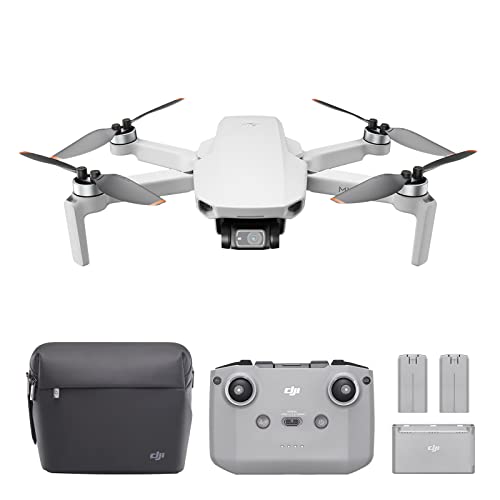
DJI Mini 2 Fly More Combo Ultralight Foldable Drone

Bwine F7MINI 8K Photo Drone with 5.5″ 1080P RC Screen

Bwine F7GB2 Pro Drone with 4K UHD 3-Axis Gimbal

GPS Drone with 1080P Camera and 4.5″ LCD Remote

Mini Drone for Kids with 4K Dual Cameras Foldable Quadcopter

DJI Mini 3 Pro (DJI RC) Drone with 4K Video

PLEGBLE Brushless RC Drone with Camera and Anti-Lost Alarm

Bwine F7GIM Drone with 6K Photo and 3-Axis Gimbal

Bwine F7MINI 4K Drone with 3-Axis Gimbal Under 249g
More Details On Our Top Picks
The DJI Mini 2 Fly More Combo arrives as a complete package, which removes a lot of guesswork for first-time pilots. You get the drone itself, extra batteries, a carrying case, and the controller needed to get airborne, so there is no separate shopping trip before your first flight. The body folds down small enough to slip into a daypack, and the gray finish keeps it understated.
Its 3-axis gimbal (a motorized mount that keeps the camera level regardless of how the drone tilts) stabilizes video so your early clips look smoother than your flying skills probably are. OcuSync 2.0, DJI’s long-range transmission system, pushes a 1080p live feed up to 10 km in clear conditions. For most backyard pilots, the range matters less than the steady signal you get at closer distances.
What Earns Its Place
- Three batteries in the combo mean roughly 90 minutes of cumulative flight time
- 4K camera with 12MP photos captures footage worth keeping on your first outing
- QuickShots automated flight paths let you record cinematic clips with one tap
- Under 249 g takeoff weight, so most regions skip the registration step
- Foldable arms make storage in a backpack painless
Trade Offs
- Wind above moderate levels can push the lightweight frame around
- No obstacle avoidance, so learning stick feel matters more than on later models
Feature Snapshot
Built With In Mind
First-time pilots who want a complete starter bundle and don’t mind learning without built-in obstacle sensors.
Reach For A Different Pick When
The DJI Mini 3 Pro offers collision sensing and a longer 34-minute flight time for newcomers willing to spend more.
Unlike the Mini 2’s phone-based preview, this Bwine model bakes a 5.5-inch 1080p screen directly into the remote controller. That means no app downloads, no phone overheating, and no notifications interrupting your flight. The screen runs at 60Hz with 500 nits of brightness (a measure of how vivid the display looks outdoors), so midday flights stay readable.
The drone records 8K stills and 4K video through a stabilized gimbal, and 32GB of built-in storage on the remote lets you review clips without pulling out a memory card. For survey-style work, ranch inspection, or simply learning FPV (first-person view, where you fly by watching the live feed as if sitting in the cockpit), the all-in-one remote setup removes friction.
Why It Works Well
- Built-in remote screen eliminates the need to mount a phone
- 8K photo mode captures extremely detailed stills for cropping later
- 32GB internal remote storage keeps footage accessible on the spot
- 3-axis gimbal smooths out tilts and light breeze
Points To Keep In Mind
- The dedicated screen remote adds bulk compared to pocket-friendly controllers
- Storage fills quickly at 8K resolution, so offloading clips regularly is wise
Made For
Pilots who prefer a self-contained remote with a real screen over phone-based setups.
Not Your Match When
The Sewsunny GPS Drone offers similar screen-on-controller convenience with a stronger emphasis on GPS-assisted hovering.
The F7GB2 Pro sits one rung above the basic F7 drones, and the upgrade shows up mostly in the gimbal and imaging system. A 3-axis brushless gimbal (using friction-free motors that resist wear and hold position more precisely) keeps footage steady even when you push the drone into faster maneuvers. For someone graduating from a toy-grade drone, that stability makes a visible difference in the final clip.
The drone has completed FAA remote ID compliance (a broadcast signal that lets regulators identify your drone mid-flight), so legally flying in the United States is more straightforward. The aerial camera pulls 4K UHD video, which strikes a clean middle ground between casual clips and content-ready footage.
Well-Handled Touches
- Brushless 3-axis gimbal keeps footage level through banking turns
- FAA remote ID compliance simplifies legal flying in the US
- 4K UHD video lands in the sweet spot between quality and file size
Small Caveats
- Brushless gimbal adds weight compared to simpler 2-axis setups
- Higher learning curve to unlock the full imaging potential
Quick Facts
Who It Suits Best
Aspiring aerial photographers stepping up from basic starter drones to something more capable.
Look Elsewhere When
The Bwine F7GIM offers stronger wind resistance with a similar gimbal setup for pilots flying in open terrain.
GPS assistance is one of the most underrated features for new pilots. The drone knows where it is at all times, so it can hover in place without constant stick input, return to its launch point if the signal drops, and hold position in light wind. For someone still building confidence, that auto-hover behavior is a genuine safety net rather than a gimmick.
The 4.5-inch LCD remote streams a live preview up to roughly 600 meters, and the 1080p camera captures footage suitable for casual sharing. You can also switch to a phone app if you prefer a larger view, which gives you flexibility depending on the situation.
Everyday Advantages
- GPS-assisted hover removes the need for constant stick correction
- Return-to-home kicks in when the signal weakens or the battery runs low
- Dual control options: dedicated LCD remote or smartphone app
- Beginners tend to crash less often when GPS lock is active
Honest Caveats
- 4.5-inch screen feels small compared to larger integrated displays
- 1080p footage limits heavy cropping during editing
Best Suited To
Newcomers who want GPS-based safety features without jumping to a premium tier.
Skip It When
The DJI Mini 3 Pro offers a similar sub-249g build with 4K video and obstacle sensing for pilots ready to spend more.
This Mgfdget quadcopter leans into the fun side of flying. One-key takeoff and landing handle the trickiest moments for new pilots, while altitude hold (an automated feature that keeps the drone at a fixed height when you release the sticks) keeps the craft stable while you figure out the controls. Headless mode reorients the controls relative to the pilot rather than the drone’s nose, which simplifies directional flying for kids and beginners.
Two batteries come in the box, so a child gets roughly twice the air time before needing a recharge. The 3D flip button adds a small showpiece element, and the dual cameras let kids experiment with different angles during play. It folds down for storage, which matters in a kid’s backpack.
What Stands Out
- One-key takeoff and landing remove the hardest maneuvers for beginners
- Altitude hold keeps the drone steady without constant stick input
- Two batteries extend play sessions without a wait for charging
- Foldable design fits inside a backpack or drawer
- Headless mode simplifies directional controls for younger pilots
Points To Note
- Lightweight plastic body won’t survive hard crashes unscathed
- Wind sensitivity means flying should stay to calm days
- 4K label refers mainly to photo interpolation rather than true 4K video
Feature Rundown
Right Fit For
Kids and absolute beginners learning the basics in calm indoor or backyard spaces.
Swap It Out When
The PLEGBLE Brushless RC Drone offers sturdier brushless motors for pilots worried about long-term durability.
The Mini 3 Pro is what happens when DJI blends its consumer-grade camera tech into a sub-249g airframe. Tri-directional obstacle sensing watches forward, backward, and downward, which catches the kind of mistakes beginners actually make. The 4K/60fps video and 48MP photos push well past casual snapshots into content you can edit and share.
The DJI RC controller bundles a bright screen, so there’s no phone mounting ritual before each flight. True vertical shooting rotates the gimbal 90 degrees for portrait-format video, which is a small detail that pays off if you post to phone-first platforms. Flight time stretches to roughly 34 minutes per battery in calm conditions.
What Makes Sense
- Tri-directional obstacle sensing reduces crash risk during early flights
- 4K/60fps video handles slow-motion edits smoothly
- 48MP photos give you cropping room without losing detail
- True vertical shooting suits social-first creators
- Under 249 g keeps registration off the to-do list in most regions
Where It Is Less Suited
- Costs noticeably more than entry-tier options like the Mini 2
- Maximum ascent speed of 8 m/s means brisk climbs in open areas
Spec Overview
Who Should Grab It
Beginners who want a drone that grows with their skills and produces genuinely polished footage from day one.
Where Another Pick Suits Better
The DJI Mini 2 Fly More Combo offers a more accessible entry point for shoppers not ready to commit to flagship pricing.
Brushless motors at a starter price point is the headline feature here. Compared to brushed motors, brushless designs run cooler, last longer, and handle wind more confidently. For pilots who plan to fly more than a handful of times per year, that durability difference adds up.
The 4K camera uses a 130-degree wide-angle lens with 90 degrees of tilt adjustment, which gives you flexibility in framing without landing. The anti-lost alarm is a small but meaningful feature for new pilots: if the drone drifts out of range or the battery drops critically, the remote alerts you before the connection cuts out.
Key Advantages
- Brushless motors extend the drone’s working life over brushed alternatives
- Anti-lost alarm gives a clear warning before signal loss
- Wide-angle lens with tilt adjustment frames shots creatively
- FPV transmission streams live footage to your phone during flight
Things To Consider
- App-based preview means phone battery drain during longer sessions
Perfect Match For
Casual flyers who want long-term durability without paying flagship-tier prices.
Consider Something Else When
The Mgfdget Mini Drone for Kids offers a more toy-like experience for younger pilots learning the very basics.
The F7GIM is built for pilots who plan to fly in places where the air actually moves. Ranch land, coastal areas, and open fields expose a drone to crosswinds that shake lighter models apart. The 3-axis brushless gimbal here is engineered specifically for those conditions, holding the camera steady even when the airframe shifts around it.
Photo resolution lands at 6K, while video records at 4K/30fps. The 18MP sensor produces crisp stills that survive cropping, and the imported imaging system captures enough detail for landscape work. For inspections and outdoor surveys, this model earns its place in the lineup.
The Good Stuff
- 3-axis brushless gimbal resists wind better than lighter setups
- 6K photo resolution captures detailed stills for inspection work
- 4K/30fps video keeps footage smooth for online sharing
- Construction suits open-area flying where breezes are common
Small Limitations
- Larger airframe makes transport less convenient than ultralights
- Overkill for pilots flying exclusively indoors or in tight backyards
Whose Shelf It Belongs On
Pilots who fly in open spaces and need a gimbal that holds up against real wind.
A Better Fit Elsewhere
The Bwine F7MINI 4K offers a lighter, more portable build for travelers who don’t need wind-rated stability.
Coming in under 249 grams means this drone sidesteps FAA registration in the United States, which removes paperwork before spontaneous trips. The black body with orange-black propellers looks purposeful without shouting for attention, and the folded footprint slips into a camera bag’s side pocket.
The 48MP 1/2-inch CMOS sensor (a light-sensitive chip that captures image data, with larger sensors typically performing better in dim conditions) pairs with an f/1.8 aperture lens for sharp stills and 4K/30fps video. The 3-axis gimbal stabilizes footage during walking-and-launching scenarios common when traveling. For villa tours, retirement trips, or small-town exploration, this is a friendly travel companion.
Advantages To Know
- Under 249 g means no FAA registration requirement for recreational flying
- 3-axis gimbal stabilizes footage during casual travel flights
- 48MP stills capture enough detail for cropping and printing
- Compact folded form slips into small bags
Things To Weigh Up
- f/1.8 aperture performs well in daylight, less so at dusk
- Sub-249g weight means stronger winds push it around more easily
Key Product Details
Who Will Love This
Travelers and casual creators who want a portable drone with no registration paperwork.
Another Choice May Suit
The DJI Mini 3 Pro delivers stronger wind handling and obstacle sensing for pilots prioritizing safety over portability.
What Matters Most Before Choosing Beginner Friendly Drones
A beginner-friendly drone should reduce the things that scare newcomers, not add to them. GPS-assisted hovering, one-key takeoff, and return-to-home functions all exist for the same reason: to keep your first flights from ending in a tree. If those features come standard, you can focus on actually learning how to fly.
Weight and portability matter more than most new pilots expect. Sub-250g drones skip registration in the United States and many other regions, which is one less step between unboxing and flying. They also tend to fold into bags you already own, so you actually bring them along on trips.
Camera quality is the feature most beginners overspend on. A 4K sensor with a decent gimbal produces footage worth keeping, and anything beyond 4K delivers diminishing returns for casual sharing. Spend the difference on flight stability and obstacle avoidance, which protect your investment far longer than extra megapixels.
Finally, controller style changes the day-to-day experience more than people realize. Phone-based controllers are convenient but drain your battery and depend on app quality. Built-in-screen remotes cost more but feel closer to a professional tool. Your choice depends on how often you fly and whether you like flying with your phone free.
Key Considerations Across These Picks
Where Shoppers Go Wrong
A common trap is buying a drone with impressive specs on paper but no real beginner aids. A pilot trying to learn on a manual-stabilization drone without GPS or return-to-home will crash early and lose motivation. Look for models that automate the scary parts, even if they cost slightly more than the cheapest listing.
Another slip-up is overlooking spare batteries. Most starter drones fly for 20-30 minutes per battery, which sounds reasonable until you actually want to practice. Buying at least one extra battery turns a single short session into real learning time, and it’s cheaper up front than after you’ve already committed to a model.
The Upgrade Payoff
Stepping up to a higher tier usually buys three things: better gimbal stabilization, obstacle sensing, and longer flight time. Those gains matter most for pilots who fly regularly, not for someone trying a drone once. If casual backyard use is the goal, a mid-tier model handles everything well.
For pilots who plan to share footage online or fly in varied conditions, the upgrade pays off faster. A 3-axis brushless gimbal keeps footage usable in wind that would ruin cheaper clips, and obstacle sensing prevents the kind of crashes that end a drone’s life early. The honest read is that premium picks earn their place through durability and image quality, not flashy features.
Frequently Asked Questions
Do I need to register a beginner drone with the FAA?
Drones under 249 grams generally skip FAA registration for recreational flying in the United States, though rules can shift and commercial use has different requirements. Check the current FAA guidance before your first flight, especially if you plan to fly near airports or in restricted airspace.
How long does it take to learn to fly a drone?
Most beginners feel comfortable with basic maneuvers within a few sessions, assuming calm weather and open space. GPS-assisted drones shorten that learning curve noticeably because hovering and positioning happen automatically. Give yourself a handful of practice flights before attempting complex shots.
What is a gimbal and why does it matter?
A gimbal is a motorized mount that keeps the camera level while the drone tilts, turns, or gets buffeted by wind. Without one, footage looks shaky even on a calm day. For video worth watching, a 3-axis gimbal is the standard to look for.
Can beginners fly drones indoors?
Lightweight drones with propeller guards can fly indoors, but space matters. A living room or large garage gives enough room to practice without hitting walls. Outdoor flying is usually easier to learn because GPS holds position and there’s more space to make mistakes.
What happens if my drone flies out of range?
Most modern drones trigger an automatic return-to-home function when the signal weakens or the battery drops low. The drone flies back to its launch point and lands itself. Practicing in open areas with clear sight lines reduces the chance of triggering that function during normal flights.
Wrap Up
The right beginner drone depends on what kind of pilot you want to become. Casual backyard flyers get plenty from a compact, GPS-assisted model, while aspiring content creators benefit from a stronger gimbal and better camera. Pick the drone that matches your actual plans, learn the controls in open space, and the rest gets easier with every flight.