Birding rewards patience, but the right glass rewards you tenfold. A quality birding lens turns a distant speck in a marsh into a warbler’s eye-ring, a hawk’s barred breast, the flash of a tanager in dappled canopy. The catch is figuring out whether you need a long-zoom telephoto, a dedicated spotting scope, or simply better binoculars that won’t fatigue your arms after a four-hour walk. This list covers nine options that span that whole spectrum, from full-frame super-telephotos built for serious photographers to compact pocket binoculars a beginner can toss in a jacket pocket.
An Overview Of The Picks
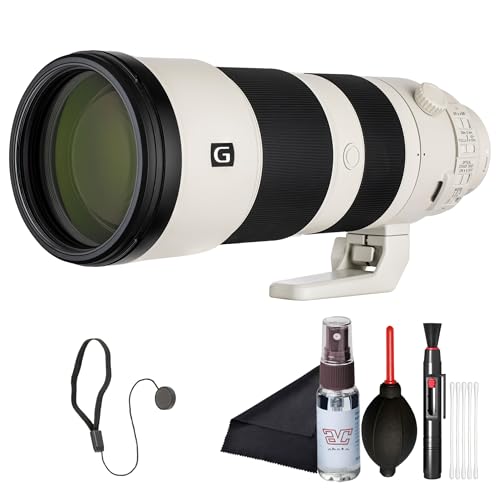
Sony FE 200-600mm F5.6-6.3 G OSS Super-Telephoto Zoom

Maven CS2A 26-66x85mm Spotting Scope

Sigma 150-600mm Contemporary DG OS HSM Lens Bundle
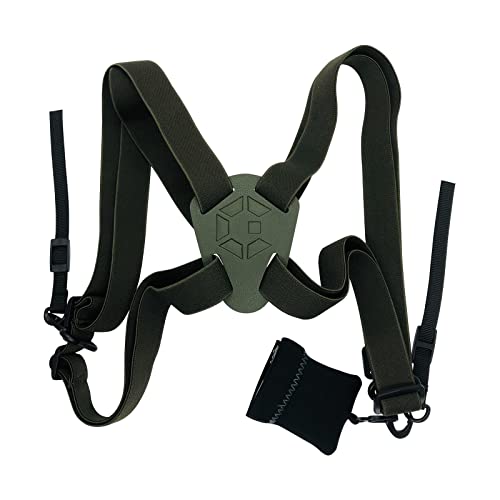
GAIARENA Adjustable Binocular Harness

Xgazer Optics 10×50 Ultra HD Binoculars

Stealth Birding 56mm Objective Lens Cover Set
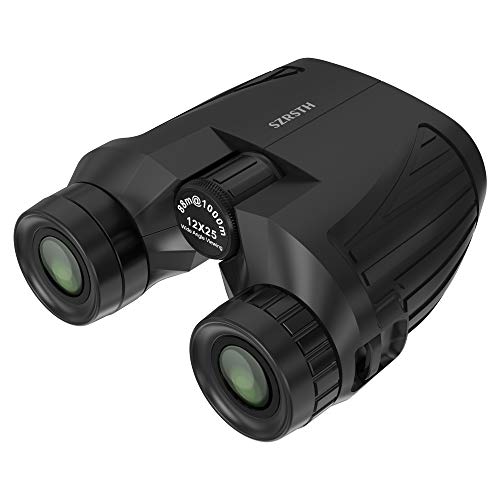
SZRSTH 12×25 Compact Binoculars

Jobu Design Junior 3 Gimbal Head
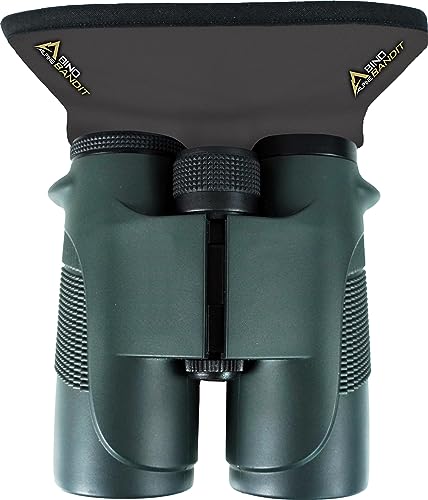
Slicker Bino Bandit Neoprene Cover
Meet The Standout Selections
This Sony zoom stretches from a useful 200mm to a reach-heavy 600mm, covering everything from herons on a nearby pond to raptors circling high over a ridge. Optical SteadyShot (a built-in stabilization system that counters small hand movements) keeps the long end usable handheld, especially helpful when a warbler won’t sit still. Autofocus is quiet and confident, which matters more than spec sheets suggest when a subject disappears into a thicket.
It’s a sizable piece of glass, so it pairs naturally with a sturdy monopod or gimbal head for full-day shoots. Photographers migrating from shorter zooms will feel the weight difference immediately, but the reach-to-size ratio holds up well. Most owners find it earns its place in a kit bag once songbird season arrives.
What Earns Its Place
- 600mm reach opens up songbirds, raptors, and shorebirds from a respectful distance
- Built-in stabilization smooths out handheld shots at the long end
- Internal zoom keeps the length constant, useful when tracking moving subjects
- Works as a single lens for travel, replacing multiple primes in the bag
Things To Consider
- Size and weight mean a monopod or gimbal becomes a near-necessity
- Variable f/5.6 to f/6.3 aperture demands decent light for fast shutter speeds
Made For
Wildlife photographers running Sony mirrorless bodies who want one zoom that handles most field scenarios without swapping lenses.
Consider Something Else When
Canon DSLR shooters should look at the Sigma 150-600mm Contemporary bundle instead, since it’s tailored to that mount.
The Maven CS2A leans into the “set up and stay put” side of birding. Its 85mm objective (the large front lens that gathers light) and ED glass (extra-low dispersion glass that reduces color fringing) pull in detail and color accuracy that smaller scopes struggle to match at dawn or dusk. The magnesium frame keeps it light enough to shoulder-mount on a trail without dreading the hike out.
Fully multi-coated optics mean each air-to-glass surface is treated with anti-reflective coatings, boosting contrast in flat light. Birders who already practice digiscoping (attaching a camera phone or compact camera to the eyepiece for photos) will appreciate how the 26-66x zoom range frames different subjects without repositioning the tripod. It’s a deliberate, patient tool, not a quick-grab optic.
Useful Highlights
- 85mm objective pulls in usable light at dawn when birds are most active
- ED glass limits color fringing around high-contrast subjects like white gulls against dark water
- Magnesium body balances durability with manageable carry weight
- Sealed against fog and rain for coastal and wetland trips
- 26-66x zoom covers warbler-thin branches to distant raptor perches
Worth Noting
- A tripod is essentially required at higher magnifications
- Larger objective means it won’t slip into a daypack the way compact binoculars do
Quick Facts
Best Suited To
Stationary birders and digiscopers who want premium optical quality for long observation sessions from a fixed vantage point.
Look Elsewhere When
Roaming hikers should consider the Xgazer 10×50 binoculars, which offer quicker grab-and-go viewing without tripod commitment.
Sigma’s Contemporary 150-600mm delivers the same focal range as pricier alternatives in a lighter, friendlier package. The bundle adds a sling bag, two 64GB SD cards, two monopods, and a filter set, which saves the hassle of piecing a kit together. Hyper Sonic Motor autofocus (an ultrasonic-driven focus motor known for quiet, quick operation) stays subtle enough not to startle close subjects.
Optical Stabilization (OS) handles the wobble at the long end, especially when a tripod isn’t practical. Compatibility spans most modern Canon DSLRs, from the Rebel line through full-frame bodies like the 5D Mark IV. For Canon shooters stepping up from a kit lens, this is one of the more affordable doorways into serious birding reach.
Where It Excels
- 150-600mm range covers backyard feeders to far-field raptors in one lens
- Bundle includes memory cards, monopods, and filters, useful for newcomers
- Hyper Sonic Motor keeps autofocus quiet during close approaches
- Lighter than many 600mm primes, easier on the neck during long walks
Trade Offs
- Variable f/5 to f/6.3 aperture requires good light or higher ISO settings
- Not weather-sealed to the same degree as higher-tier telephotos, so rain covers are wise
Whose Shelf It Belongs On
Canon DSLR users building a complete birding kit on a single purchase, especially beginners who want accessories solved in one box.
Swap It Out When
Sony mirrorless shooters will get more from the Sony FE 200-600mm, which is purpose-built for that mount.
After three hours on a trail, a standard neck strap starts to dig in. The GAIARENA harness spreads that weight across both shoulders, so binoculars ride close to the chest without swinging. A quick-release design lets you lift the glass to your eyes without fumbling, and the included microfiber cloth handles the constant smudge problem from eyelashes and stray fingers.
The camouflage pattern blends into wooded settings, useful when you don’t want to flash bright fabric at a wary subject. The harness is machine washable, which matters after dusty trails or sudden rain. Most birders find it transforms long sessions from endurance events into something approaching comfortable.
Strong Points
- Two-strap design reduces neck strain over multi-hour outings
- Quick-release buckles speed up glassing when birds appear suddenly
- Included microfiber cloth handles routine lens cleaning
- Machine washable, practical for sweaty summer hikes
Small Caveats
- Binoculars themselves are not included, this is an accessory only
- Camo pattern won’t appeal to birders who prefer neutral gear aesthetics
Who Should Grab It
Birders already happy with their binoculars but tired of neck fatigue on long trail days or extended seawatch sessions.
A Better Fit Elsewhere
Anyone without binoculars yet should start with the SZRSTH 12×25 compact pair instead, since that solves the glass before the harness.
Birding happens in messy weather, and the Xgazer 10×50 is built for that reality. O-ring seals and gas purging keep moisture out and prevent internal fogging when temperatures shift mid-walk. Anti-reflective coatings on the lenses boost contrast during overcast mornings when light is flat and birds are most active.
The 10×50 configuration balances magnification with a wide enough exit pupil (the beam of light exiting the eyepiece; larger values mean brighter images and steadier viewing) to stay usable in dim conditions. The included strap, hard case, and lens covers mean you’re field-ready out of the box. Birders who prioritize durability over ultralight carry tend to gravitate toward this size class.
Where It Helps
- Waterproof and fogproof construction handles rain, dew, and cold starts
- Anti-reflective coatings improve contrast on gray mornings
- 50mm objectives gather enough light for dawn and dusk activity
- Hard case and covers included, no separate purchases required
Honest Caveats
- Heavier than compact 25-32mm models, noticeable on long hikes
- 10x magnification amplifies handshake, so steady holding technique matters
Feature Snapshot
The Right Fit
Birders in wet climates, coastal zones, or four-season locations who need glass that survives real weather without babying.
Skip It When
Ultralight travelers should consider the SZRSTH 12×25, which trades light-gathering for pocket-friendly weight.
Objective lenses sit exposed at the wide end of binoculars, which is exactly where rain, dust, and accidental bumps like to land. This rubber cover set fits 56mm objectives with outer barrel diameters between 69.7mm and 74mm, including most 8×56 and 10×56 models. A snug fit matters more than people realize; loose caps fall off in the field and disappear into undergrowth.
The covers also fit some monoculars and compact scopes with 54-58mm objectives. Installation is a stretch-on process, so measuring before ordering is essential. Birders who walk brushy trails or work near coastal spray find objective covers shift from optional to essential fairly quickly.
Notable Upsides
- Rubber construction absorbs minor knocks without cracking like plastic caps
- Covers both objectives in the set, so nothing is left exposed in the bag
- Stretch fit stays secure during active walking
- Wide compatibility across 56mm-class binoculars and monoculars
Points To Note
- Requires accurate barrel measurement, so check dimensions before ordering
- Will not fit 42mm or smaller compact binoculars
Perfect Match For
Owners of mid-size binoculars in the 56mm class who want to extend lens life and stop worrying about lens-cap loss in the field.
Reach For A Different Pick When
Compact binocular owners should look at the SZRSTH 12×25 or the Slicker Bino Bandit, both sized for smaller glass.
The SZRSTH 12×25 earns its spot by fitting in places full-size binoculars cannot. A jacket pocket, a small daypack, even a large coat pocket, all viable carry spots. The BaK-4 prism (a high-grade glass prism that produces brighter, sharper images than standard BK-7 glass) and fully multi-coated lenses (multiple anti-reflective coatings on every glass surface) punch above the price class, delivering sharper images than you’d expect from something this small.
For backyard feeders, quick park walks, or travel days when packing space is tight, these handle the job without ceremony. The 17mm eyepiece keeps eye relief reasonable for eyeglass wearers. Waterproofing adds peace of mind during unexpected weather, though the compact aperture limits performance at dusk compared to 50mm glass.
What Stands Out
- Compact size slips into a jacket pocket for spontaneous birding
- BaK-4 prism delivers crisper images than typical budget compact glass
- Lightweight build suits hikers who count every gram
- Affordable entry point for beginners or kids
Less Ideal Details
- Small 25mm objectives struggle in dim dawn and dusk light
- 12x magnification amplifies shake without image stabilization
Who Will Love This
Casual birders, travelers, and parents introducing kids to birding who value grab-and-go convenience over long-range reach.
Not Your Match When
Serious birders chasing warblers at dawn will find the Xgazer 10×50’s larger objectives more useful in low light.
A long lens on a ball head fights you; on a gimbal head, it floats. The Junior 3 is the smallest in the Jobu lineup, weighing just 1.7 pounds while supporting rigs up to about 10 pounds. That covers most 70-200mm f/2.8 lenses, 100-400mm zooms, and even larger primes paired with smaller bodies.
Needle bearings keep tracking smooth, which matters when a bird lands, shifts position, and takes off again in quick succession. The compact 8-by-8-inch footprint means it travels on tripods that won’t accept a full-size gimbal. It’s not the right tool for short zooms or wide angles, but for serious telephoto work, the balance it provides reshapes how the whole kit feels.
Key Advantages
- Supports rigs up to 10 pounds, covering most common birding telephotos
- Smooth needle-bearing tracking handles erratic bird movement
- Compact form fits travel tripods that reject larger gimbal heads
- Lightweight at 1.7 pounds, manageable on long walks to a hide
Room For Improvement
- Requires an Arca-Swiss style quick-release plate (a standardized tripod mounting system) on the lens foot, often sold separately
- Not recommended for wide-angle lenses due to balance geometry
Built With In Mind
Wildlife photographers assembling a serious telephoto kit who already own a sturdy tripod and want tracking that keeps up with active subjects.
Where A Sibling Pick Shines
Birders who shoot with shorter zooms or compact setups should consider a monopod from the Sigma bundle instead, which offers simpler support.
The Bino Bandit wraps around your binocular eyepieces, blocking side glare and peripheral distractions so your eyes relax into the view. On bright summer afternoons, that difference between shaded and unshaded viewing can mean spotting warblers high in the canopy or losing them against washed-out sky. The water-resistant neoprene handles light rain and sweaty palms.
It stretches to fit most binocular models, including the compact SZRSTH and the larger Xgazer 10×50. Installation takes seconds, and the cover folds flat for stashing in a pocket. Birders who log long hours in sunny conditions often find eye fatigue drops noticeably once glare stops competing for attention.
The Upside
- Side shields cut peripheral distraction, improving focus on the subject
- Neoprene construction resists light rain and splashes
- Universal stretch fit works across most binocular sizes
- Folds flat for pocket carry between uses
Small Limitations
- Charcoal color shows dust and pollen on dry field days
- Adds slight bulk around the eyepieces, noticeable on slimmer compact models
Right Fit For
Birders who spend long hours in bright open habitats like marshes, beaches, or grasslands where sun glare wears down the eyes.
Another Choice May Suit
Binoculars that already include built-in eyecup extensions, like the Xgazer 10×50, may not need this accessory as urgently.
Matching Glass To Your Birding Style
The right birding lens depends more on how you watch birds than on which bird you watch most. Spotting scopes like the Maven CS2A reward patient, stationary sessions where you set up at a known hotspot and wait. Super-telephoto zooms like the Sony FE 200-600mm or the Sigma 150-600mm suit photographers who walk trails with cameras ready, capturing images as subjects appear. Binoculars cover everything else, whether that’s a quick glance at a backyard feeder or a six-hour hike through mixed habitat.
Magnification matters, but exit pupil often matters more. The exit pupil is calculated by dividing the objective diameter by the magnification. A 10×50 binocular produces a 5mm exit pupil, which matches the maximum pupil dilation of a dark-adapted human eye. In bright daylight that 5mm is overkill, and a smaller binocular like the SZRSTH 12×25 (with about a 2mm exit pupil) does the job while saving weight.
Field conditions should drive sealing decisions. Waterproof and fogproof construction costs more but pays off the first time you’re caught in coastal fog or a sudden thunderstorm. Coatings matter too: fully multi-coated lenses (where every glass surface gets multiple anti-reflective layers) boost contrast in flat light, which happens often in overcast birding conditions.
Accessories like harnesses, covers, and glare shields cost little but change daily comfort dramatically. A harness turns a four-hour walk from painful to pleasant. Objective covers prevent the most common lens damage. A Bino Bandit reduces eye strain on bright days. None of these are essential, but together they elevate the experience significantly.
Getting The Most From Your Choice
Where Shoppers Go Wrong
Treating magnification as the only spec that matters leads to disappointment. Higher numbers mean narrower fields of view and amplified shake, which makes locating birds harder, not easier. For most birders, 8x or 10x binoculars hit the sweet spot between reach and stability. Spotting scopes deserve the tripod they’re mounted on, and super-telephotos need stabilization support. Skimping on a tripod or monopod undermines the whole kit.
When Paying More Pays Off
Premium glass costs more because of better optical designs, lower-dispersion glass elements, and tighter manufacturing tolerances. The difference shows up in contrast, color accuracy, and edge sharpness, especially at the long end of a zoom. For birders who spend serious time in the field or photograph in challenging light, the upgrade from entry-level to mid-tier glass often feels transformative. For casual backyard use, mid-tier glass is more than enough.