Choosing a camera for your blog used to feel straightforward, until you actually started comparing specs. Today’s creator cameras range from pocket-friendly point-and-shoots to full mirrorless kits with swappable lenses. The right pick depends on what you shoot, where you shoot it, and how much post-production polish you want. This roundup walks through seven strong options across budgets and shooting styles, so you can match a camera to your real workflow instead of chasing specs that don’t matter.
A Quick View Of The Lineup
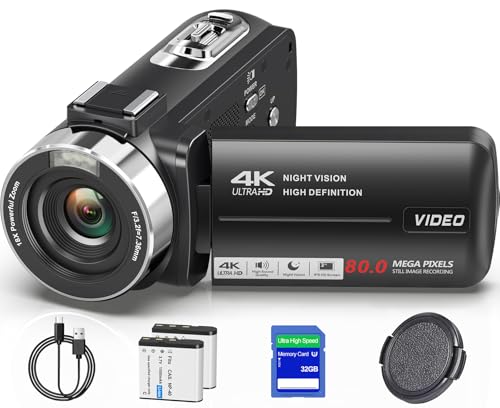
THPACIP 4K 80MP Camcorder 18X Zoom
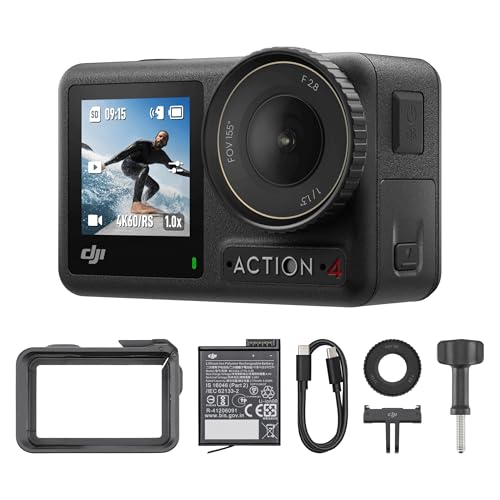
DJI Osmo Action 4 Essential Combo

Canon EOS M50 Mirrorless Vlogging Camera Kit

Insta360 X5 Essentials Bundle 8K 360

DJI Osmo Action 5 Pro Adventure Combo

SEREE 2.7K 64MP Camcorder with Night Vision

Canon EOS M50 Mark II with 15-45mm Lens
Why These Options Stand Out
This camcorder earns the “starter kit” label honestly. It records 4K video at 80 megapixels of still resolution, packs 18x digital zoom (zoom magnifies a portion of the frame digitally, useful but not optical quality), and uses a 270-degree rotating screen that helps with self-facing shots at awkward angles.
Compared to the mirrorless entries later in this roundup, it skips lens-swapping and manual controls in favor of one-button simplicity. Beginners recording sit-down videos, simple product unboxings, or travel recaps will find the learning curve refreshingly flat.
Everyday Advantages
- Rotating LCD makes framing self-shots easier without an external monitor.
- High-resolution stills work well for thumbnail crops and blog cover images.
- Digital zoom reaches distant subjects when moving closer isn’t practical.
- Lightweight body stays comfortable for handheld sessions over an hour or more.
- One-button recording reduces fumbling during spontaneous moments.
Things To Weigh
- Digital zoom degrades image quality past moderate levels; optical clarity is limited.
- Built-in mic will pick up handling noise in quiet rooms.
- Low-light performance drops noticeably indoors without extra lighting.
Key Product Details
Right Fit For
First-time creators who want one device for both video and thumbnails without juggling extra gear.
Consider Something Else When
The Canon EOS M50 Mark II is the smarter pick if lens versatility and stronger autofocus matter more than maximum zoom reach.
This action camera skips the mirrorless bulk entirely. It’s waterproof, mountable on helmets, handlebars, or chest harnesses, and small enough to forget you’re wearing it. The 1/1.3-inch sensor is notably larger than what older action cams used, which translates to cleaner footage at dusk or under streetlights.
Compared to the THPACIP camcorder above, this is the right tool for hands-free, high-movement shooting. Where the camcorder asks for a tripod and steady hands, the Osmo Action 4 asks for a mount and a sense of adventure.
What Makes Sense
- Waterproof body survives rain, snow, and shallow submersion without a housing.
- Large sensor pixels improve low-light video compared to earlier generations.
- 10-bit color depth captures a wider range of shades for richer grading.
- Compact form factor fits in a jacket pocket between shoots.
Small Caveats
- Battery life drains faster than a mirrorless camera during extended recording.
- The small touchscreen is harder to navigate with wet or gloved fingers.
- Audio quality lags behind dedicated cameras without an external mic.
Best Suited To
Travel bloggers and outdoor creators who shoot in motion, weather, or wet environments.
A Better Fit Elsewhere
The DJI Osmo Action 5 Pro Adventure Combo is worth the upgrade if you record full-day sessions where battery endurance and newer sensor tuning matter.
This is the camera that taught a generation of bloggers what a real lens can do. The EOS M50 uses an APS-C sensor (a sensor larger than what’s in smartphones or compact cams, giving better depth and low-light capture) and ships with an EF-M 15-45mm lens that covers wide establishing shots to medium portraits. You can swap in other EF-M lenses later, which is the real long-term advantage over fixed-lens camcorders.
Where the Osmo Action 4 is built for motion, the M50 settles down for a tripod and a thoughtful composition. It’s a calm camera for sit-down reviews, cooking blogs, and studio-style talking heads.
The Upside
- Interchangeable lens system grows with your skill and style.
- APS-C sensor delivers noticeably better low-light performance than smartphones.
- Dual Pixel autofocus (a Canon system using every pixel for phase-detection focusing) tracks faces smoothly during talking-head videos.
- Compact body fits in most camera bags designed for travel.
- Vari-angle LCD helps when framing overhead cooking shots or low-angle product reviews.
Worth Noting
- 4K video uses a noticeable crop factor that tightens your field of view.
- No in-body stabilization means lens choices affect handheld smoothness.
- The native lens mount has a smaller catalog than Canon’s full-frame options.
Who It Suits Best
Aspiring hybrid shooters who want stills and video from the same body and value lens flexibility.
Look Elsewhere When
The Canon EOS M50 Mark II is the better call if live-streaming features and improved autofocus tracking sit high on your list.
The X5 captures everything around it in 8K, then lets you reframe the shot later in software. That single feature changes how you shoot: you stop worrying about pointing the camera correctly and start capturing the moment, then choose your angle in post (the invisible selfie stick effect even removes the mount from frame for clean third-person looks).
This is a different tool than the others here. The EOS M50 wants you to compose carefully. The X5 wants you to record first and decide later, which suits travel, real estate walk-throughs, and creative B-roll where one camera angle might not be enough.
What Works In Its Favor
- 360 reframing means you can publish a wide shot and a tight shot from one recording.
- Replaceable lenses help extend the camera’s working life after scratches.
- Triple AI chip design handles noise reduction in dim conditions.
- Three-hour battery supports longer sessions without mid-shoot swaps.
Honest Caveats
- 360 workflows add editing time compared to standard flat video.
- Software learning curve is steeper than point-and-record cams.
- The replaceable lens system still represents a fragile point worth handling carefully.
Feature Card
Made For
Experimental shooters and creators who want flexible framing options in post-production.
Swap It Out When
The DJI Osmo Action 4 is the cleaner choice if you prefer traditional wide-angle framing without reworking 360 footage.
Think of this as the Osmo Action 4 turned up a notch. The Pro carries a next-generation sensor, longer battery life (up to four hours under favorable settings), and real-time depth and altitude displays that help divers and climbers log their environments. Subject centering keeps faces locked even when the camera tilts or rotates.
The Adventure Combo adds extra batteries and accessories that matter when you’re away from power for a full day. Where the THPACIP camcorder asks for a wall outlet eventually, this one just keeps rolling.
The Helpful Details
- Four-hour battery life covers long shoots between charges.
- Real-time depth and altitude data adds context for outdoor content.
- Subject centering tracks people in the frame even during rough movement.
- Waterproof design handles swimming, surfing, and rain without housing.
Points To Keep In Mind
- Higher tier price makes it a stretch for casual hobbyists.
- Combo bundle adds accessories you may already own from earlier DJI gear.
Perfect Match For
Adventure creators who need endurance, ruggedness, and reliable subject tracking on multi-hour shoots.
Another Choice May Suit
The Insta360 X5 Essentials Bundle is worth considering if reframing flexibility matters more than battery life.
This camcorder is the “I just want it to work” entry. It records 2.7K video, captures 64MP stills, ships with an SD card and battery, and adds infrared night vision for shooting in darker spaces. The 270-degree rotating screen handles self-recording without guesswork.
Compared to the THPACIP above, the SEREE trades some video resolution for night vision. For family creators, classroom documentation, or casual vloggers who occasionally shoot indoors in dim lighting, that trade often makes sense.
Well-Handled Touches
- Infrared night vision extends shooting into dim rooms without external lights.
- Included SD card and battery mean you can shoot right out of the box.
- Auto-focus locks on quickly for stationary subjects.
- Webcam functionality supports simple live-streaming workflows.
Where It May Fall Short
- 2.7K resolution offers less detail than 4K alternatives for future-proofing.
- Audio recording quality benefits from an external mic in noisy spaces.
- Plastic body construction won’t survive hard drops as well as metal-bodied options.
Quick Facts
Whose Shelf It Belongs On
Casual creators, parents documenting family, and beginners who want a complete starter package without add-on purchases.
Not Your Match When
The THPACIP 4K 80MP Camcorder fits better if higher video resolution and stronger zoom range matter more than night vision.
The Mark II builds on the original M50 with a cleaner creator toolset. It adds improved autofocus for live streaming, better eye detection for talking heads, and smoother wireless transfers to phones. You still get the 24.1MP APS-C sensor, DIGIC 8 processor, and 4K UHD 24p recording that made the original popular.
For dedicated vloggers and streamers who want a real camera body that grows with their skills, this is the strongest all-around pick in the lineup. It pairs well with the included EF-M 15-45mm lens and accepts other EF-M lenses for broader creative range.
Notable Upsides
- Enhanced eye-detection autofocus keeps your face sharp during movement.
- Wireless streaming support simplifies live broadcasts.
- APS-C sensor produces cleaner footage than compact alternatives.
- EF-M lens mount opens the door to specialty lenses as your needs grow.
- Compact body still fits in day-bag camera slots for travel.
- HD 120p slow-motion adds production value to B-roll.
Less Ideal Details
- 4K video still carries a crop factor that limits wide-angle framing.
- Native lens catalog is smaller than full-frame Canon systems.
Who Should Grab It
Dedicated vloggers and streamers who want polished video quality and room to grow into a real lens system.
Reach For A Different Pick When
The DJI Osmo Action 4 makes more sense if your content happens outdoors, in motion, or in weather that would stress a mirrorless body.
How To Match A Camera To Your Creator Workflow
Picking the right blogger camera comes down to honest answers about how you actually shoot. Sensor size matters more than megapixel counts for most creators, and lens flexibility matters more than peak resolution once you outgrow a fixed-lens camcorder.
Match The Form Factor To Your Shooting Style
Action cameras like the Osmo Action 4 and Insta360 X5 work best when the camera moves with you. Mirrorless cameras like the EOS M50 Mark II settle nicely on tripods for composed shots. Camcorders sit between those two, favoring run-and-gun handheld recording over either mount-heavy or studio setups.
Lens Mounts And Long-Term Value
Fixed-lens cameras can’t grow with you. A mirrorless body with interchangeable lenses lets you swap wide-angle, portrait, or macro glass as your content evolves. The Canon EF-M mount here is small but capable; full-frame Canon RF would be the next step up.
Audio And Stabilization Often Decide The Final Cut
A clean image with muddy audio gets unlistened-to. A clean audio track with shaky video gets watched. Many creators under-invest in microphones or stabilization, then blame the camera. Consider whether your pick supports external mics, optical stabilization, or electronic stabilization.
Budget Beyond The Body
Lenses, memory cards, extra batteries, and microphones can double the real cost of a camera. The SEREE camcorder includes an SD card and battery in the box, which changes its effective value. The mirrorless options don’t, and the gap matters.
What Smart Shoppers Often Miss
Common Shopping Slip Ups
The biggest trap is buying on megapixel count alone. A 64MP still image from a small sensor often looks worse than a 24MP image from a larger APS-C sensor, because pixel size affects noise and dynamic range. Another mistake is skipping audio entirely. Creators rarely regret buying a better camera; they often regret not buying a decent microphone first.
Where The Extra Money Goes
Higher-tier cameras buy you better autofocus, stronger low-light performance, longer battery life, and tougher build quality. Whether those matter depends on your content. A weekly talking-head vlog won’t see much benefit from an action camera. A daily adventure channel won’t see much benefit from a fixed-lens camcorder. Match the upgrade to the actual pain point in your current setup.
Frequently Asked Questions
What type of camera is best for beginner bloggers? Camcorders like the THPACIP 4K or SEREE 2.7K offer the simplest path because they record with one button and ship with everything you need. Mirrorless cameras like the Canon EOS M50 Mark II offer more creative range but require more setup time.
Do bloggers need 4K video? For most blog embeds and YouTube uploads in 2026, 1080p still looks clean. 4K becomes valuable when cropping in post, future-proofing content, or producing on larger screens. If your work fits a phone screen, 1080p is fine.
Are action cameras good for vlogging? Yes, especially for travel, fitness, and outdoor creators. Action cameras handle weather, motion, and mounting situations that mirrorless cameras struggle with. They trade audio quality and depth-of-field control for that versatility.
Can a mirrorless camera work as a webcam? Most modern mirrorless cameras support webcam functionality through USB or HDMI connections, with the Canon EOS M50 Mark II offering notably clean streaming support. Software like Canon’s EOS Webcam Utility or OBS handles the connection.
How important is lens flexibility for new creators? Fixed-lens cameras force you to work within their focal range. A swappable-lens system lets you start with a kit lens and add wide-angle, telephoto, or prime lenses as your style develops. For long-term value, lens mounts matter more than peak specs.
Final Verdict
The best blogger camera is the one you’ll actually carry and use. Action shooters will thrive with the DJI Osmo Action 4 or 5 Pro, hybrid creators will appreciate the Canon EOS M50 Mark II’s flexibility, and total beginners can start cleanly with the THPACIP camcorder. Pick the tool that matches your real shooting conditions, then build your kit around the workflow that follows.