Camera mics with wireless transmission changed how creators work outdoors, on location, and across rooms where cables would get in the way. The current lineup covers everything from clip-on lavaliers built for phone-first creators to dual-channel shotgun systems aimed at documentary crews. This roundup sorts the noise, lays out the trade-offs, and helps you match a mic to the kind of videos you actually shoot.
The Choices Worth Comparing

COMICA VM40 Dual-Channel Shotgun Microphone

COMICA VM40 Shotgun Microphone
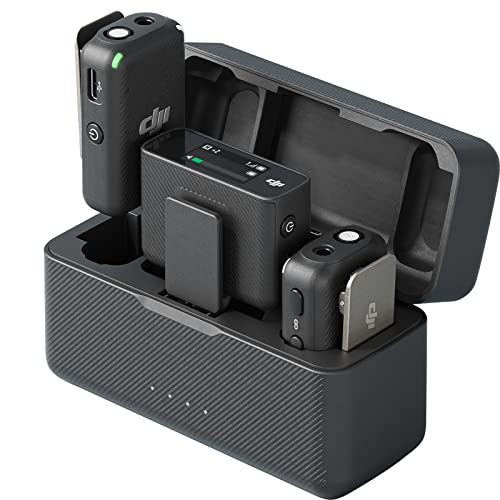
DJI Mic Wireless Lavalier Microphone (2 TX + 1 RX)

COMICA VM20 Shotgun Microphone for Camera

COMICA VM30 Wireless Shotgun Microphone

DJI Mic Mini (2 TX + 1 RX + Charging Case)

Movo X1 Supercardioid Shotgun Microphone

Wireless Mini Lavalier Microphone

Movo VXR10 Universal Shotgun Mic

Movo X1-Mini Video Shotgun Mic
Inside Each Recommended Option
The COMICA VM40 Dual-Channel Shotgun Microphone stands out as the most flexible option in this roundup because it pulls double duty as both a wired shotgun and a wireless two-person rig. The receiver can run a single channel for solo work or split the signal for interview setups, which is the kind of feature most creators only realize they need after they’ve already shot a few bad interviews. Compared to the DJI Mic, which leans into clip-on lavalier use, this one keeps the directional shotgun pattern front and center.
Onboard 32GB storage adds a quiet safety net, so you can keep recording even if the wireless link drops in a crowded space. Pairing that with 32-bit float recording means you get a wide dynamic range, which is helpful when an interview subject goes from a whisper to a laugh mid-sentence. The COMICA VM40 fits documentary shooters and YouTubers who run two-person setups on location.
Strengths Worth Knowing
- Dual-channel receiver handles two-person interviews without an extra mixer
- 32-bit float recording captures sudden volume swings without clipping
- Onboard 32GB storage buffers against wireless dropouts in busy venues
- Wired and wireless modes share the same mic capsule, no swapping gear
Things To Consider
- Larger than a clip-on lavalier, so it shows up on minimalist rigs
- Two transmitters mean more charging and more batteries to manage on travel days
Made For
Two-person interview creators and documentary shooters who want redundancy built into a single kit.
Look Elsewhere When
Solo phone-first creators who never run two sources should step down to the DJI Mic Mini, which keeps the setup smaller and lighter.
Sharing the VM40 platform with its dual-channel sibling, this single-channel COMICA VM40 Shotgun Microphone focuses on solo shooters who want the same audio quality without the second transmitter. The 14mm gold-plated capsule paired with a super-cardioid pickup pattern targets the subject in front of the camera and rejects most of what sits to the sides. That’s a meaningful difference from a lavalier, which picks up sound from every angle.
The float-bit recording mode is the headline feature here, and it matters most when you’re shooting unpredictable scenes. If you set levels too low and the subject suddenly shouts, you can pull the recording up in post without the harsh distortion you’d get from standard 24-bit files. The COMICA VM40 fits solo creators and small crews who shoot a mix of interviews and run-and-gun B-roll.
Where It Delivers
- Super-cardioid pattern isolates voice in noisy environments
- 32-bit float recording rescues clips with bad gain staging
- Wired and wireless flexibility in one mic body
- 32GB onboard storage acts as a backup channel during long shoots
Points To Keep In Mind
- Single-channel only, so two-person work requires a second setup
- Shotgun form factor needs proper mounting to avoid handling noise
Right Fit For
Solo documentary and YouTube creators who shoot in unpredictable audio environments and value post-production flexibility.
A Better Fit Elsewhere
Two-person interview teams should choose the COMICA VM40 Dual-Channel instead, since it ships with two transmitters ready to pair.
The DJI Mic arrives in a charging case that holds two transmitters and a receiver, and the whole kit is ready to roll the moment you open the lid. The 250m (820 ft.) wireless range is the standout spec, because most creators never push past 30 feet, but event videographers shooting weddings and conferences regularly do. The clip-on lavalier form factor also disappears on camera in a way a shotgun never will.
Battery life clocks in around 15 hours with the charging case, which is generous for a full day of shooting between top-ups. Noise cancellation lives inside the transmitters, so you can clean up HVAC hum or traffic without reaching for software in post. The DJI Mic fits event videographers, livestreamers, and journalists who need reliable wireless at distance.
Useful Strengths
- 250m wireless range covers large venues without dropouts
- Charging case design keeps everything topped off between takes
- Built-in noise cancellation handles ambient hum before it hits the file
- Two transmitters cover host-and-guest interview setups out of the box
Honest Caveats
- Lavalier form factor means clothing rustle can sneak into the recording
- Larger transmitters than the newer DJI Mic Mini, so they show under thin fabrics
Best Suited To
Event videographers and journalists covering conferences, weddings, or any large venue where distance from the camera is part of the gig.
Consider Something Else When
Travel vloggers working with minimal rigs will find the DJI Mic Mini more comfortable to wear for long shooting days.
The COMICA VM20 takes a different path than the rest of this roundup, sticking with a wired shotgun design that costs less than the wireless models. The included Rycote shockmount is a quiet upgrade, since Rycote is the brand most pro audio folks already trust, and the shockmount is what keeps handling noise out of your audio. The OLED screen on the back shows remaining battery at a glance, which saves you from the surprise shutdown mid-interview.
Two switchable low-cut filters at 75Hz and 150Hz let you roll off wind rumble or HVAC hum without touching software. Wired operation means there’s no wireless pairing to fuss with and no batteries to track beyond the mic itself. The COMICA VM20 fits DSLR and mirrorless shooters on a budget who want pro-grade accessories without the wireless premium.
Real Benefits
- Comes with a Rycote shockmount, which most entry mics skip
- OLED battery display means no guessing on remaining runtime
- Switchable low-cut filters handle wind and hum on location
- Wired design eliminates pairing issues and wireless interference
Trade-Offs
- Cable restricts movement compared to any wireless option here
- Lacks onboard recording, so a camera glitch means a lost take
Who It Suits Best
Budget-conscious DSLR and mirrorless shooters who mostly record static interviews or product walkthroughs.
Where Another Pick Suits Better
On-location creators who move around the subject should switch to the COMICA VM30, which adds wireless flexibility at a modest step up.
The COMICA VM30 Wireless Shotgun Microphone lives in the middle of this list because it solves a problem the others don’t: it can switch between wired and wireless modes on the fly. The integrated 2.4GHz wireless module means you can detach the mic from the camera when you need to boom it over a subject, then click it back into wired mode for a static shot. USB-C and 3.5mm outputs cover modern phones and traditional cameras from the same body.
One-button switching makes the hybrid approach usable in real shooting conditions, where fumbling through menus eats time. The shotgun pattern keeps the directional pickup that run-and-gun shooters rely on, and the option to run wired means you always have a fallback when batteries run low. The COMICA VM30 fits filmmakers who bounce between rigged shots and handheld work in the same day.
The Upside
- Hybrid wired/wireless design covers two workflows from one purchase
- USB-C output plugs directly into modern phones and laptops
- One-button mode switching keeps operation simple under pressure
- Shotgun pattern works for both narrative and documentary-style audio
Minor Gripes
- Wireless range shorter than DJI’s dedicated wireless systems
- Battery life tied to whichever mode you’re running
Key Specs
Perfect Match For
Filmmakers who alternate between tripod interviews and handheld walk-and-talk shots without swapping their whole mic kit.
Swap It Out When
Audio-first creators using a mixer or boom pole exclusively will find the Movo X1 a better fit thanks to its XLR output option.
The DJI Mic Mini takes the platform that made the original DJI Mic popular and shrinks it down for creators who count every gram in their bag. Ultralight transmitters clip onto a collar or lapel and disappear under most clothing, which matters more than spec sheets admit when you’re shooting all day. The charging case keeps the same ready-to-roll workflow the original is known for.
Stable transmission and detail-rich audio are the two specs DJI leans on, and they translate to clean vocals for sit-down interviews and on-the-street b-roll. Compared to the standard DJI Mic, you give up some wireless range and battery headroom, but most travel shooters never stress those limits anyway. The DJI Mic Mini fits travel vloggers, lifestyle creators, and minimal-rig documentary work.
What It Does Well
- Ultralight transmitters stay comfortable for full-day shoots
- Charging case workflow keeps gear ready between sessions
- Two transmitters cover host-and-guest setups without extras
- Compact form factor slips into a small camera bag pocket
Worth Noting
- Smaller size means shorter battery life than the original DJI Mic
- Wireless range shorter than the full-size version
Whose Shelf It Belongs On
Travel vloggers and minimal-rig creators who prioritize comfort and weight over maximum battery life.
Reach For A Different Pick When
Event videographers shooting multi-hour weddings or conferences should pick the full-size DJI Mic for its longer battery and range.
The Movo X1 Supercardioid Shotgun Microphone earns its spot here by being one of the few options that offers XLR output alongside 3.5mm and USB-C. XLR is what serious audio gear uses, so if you already run a mixer or recorder, this mic drops right into that chain without adapters. The supercardioid pickup is tighter than a standard cardioid, which helps when you’re shooting in a noisy room.
The package includes a tripod and accessories, so you can mount the X1 on a desk or mini-boom straight out of the box. Advanced audio controls on the body let you tune the signal before it hits the recorder, which saves a clean-up pass in post. The Movo X1 fits audio-first creators working with DSLRs, mixers, or computers who want one mic to cover all their recording setups.
Why It Works Well
- XLR output integrates with mixers and pro recorders
- Three output formats (XLR, 3.5mm, USB-C) cover any device
- Supercardioid pattern rejects off-axis noise better than standard cardioid
- Includes tripod and accessories for desktop or boom mounting
Some Limits To Know
- Larger and heavier than lavalier options in this list
- Advanced controls take longer to learn than a simple plug-in mic
Feature Snapshot
Who Will Love This
Audio-first creators running mixers or external recorders who want a single shotgun that speaks every connection format.
Not Your Match When
Phone-first creators who never touch a mixer should pick the Wireless Mini Lavalier instead for its simpler plug-and-play setup.
The Wireless Mini Lavalier Microphone takes the most direct route possible for new creators: plug the receiver into your phone or laptop, turn on the mic, and the two pair automatically. There’s no app to download and no settings screen to learn, which is exactly what beginners need. The lapel form factor clips to a shirt and stays out of the way during talking-head videos.
Noise reduction lives inside the mic body, so casual recordings around the house or coffee shop come out cleaner than you’d expect at this level. Compatibility spans iPhone, iPad, Android phones, PCs, and laptops, which makes it easy to move between devices without buying extra adapters. The Wireless Mini Lavalier fits phone-first creators, students, and anyone recording interviews on the fly.
Benefits That Matter
- Plug-and-play pairing means no apps or menus to learn
- Works across iPhone, Android, PC, and laptop out of the box
- Built-in noise reduction cleans up casual room recordings
- Clip-on design stays out of the frame during talking-head videos
A Few Limitations
- Single-transmitter kit, so multi-person interviews need a second setup
- Audio quality tuned for voice over music or wide-frequency recording
Built With In Mind
Beginners and phone-first creators recording interviews, vlogs, or online classes without wanting to learn audio settings.
Another Choice May Suit
Creators who regularly record two-person interviews should move up to the DJI Mic, which ships with two transmitters in the charging case.
The Movo VXR10 Universal Shotgun Mic has been around long enough to earn a reputation as a tough, no-frills option that survives travel. The aluminum body shrugs off the kind of bag bumps that crack plastic competitors, and the integrated shock mount keeps handling noise out of your recordings. That’s why you’ll see it on more travel creator packing lists than most newcomers.
Compatibility covers iPhone, Android, DSLR, mirrorless, camcorders, and laptops, so one mic moves between devices as your setup changes. Newer USB-C and Lightning phones may need a 3.5mm adapter, which is worth knowing before you commit. The Movo VXR10 fits travel creators and outdoor shooters who prioritize durability over wireless features.
Where It Helps
- Aluminum body holds up to rough travel and daily bag use
- Built-in shock mount absorbs handling noise without accessories
- Works across phone, camera, and computer setups
- Long-running design with a proven track record among travelers
Potential Compromises
- Wired-only, so it ties you to staying close to the camera
- Phone adapters for newer models sold separately
Made For
Travel creators and outdoor videographers who want a durable mic that doesn’t need wireless freedom to do its job.
Where A Sibling Pick Shines
Creators who want battery-free simplicity and USB-C output should look at the Movo X1-Mini for a more modern connection set.
The Movo X1-Mini Video Shotgun Mic is the smallest sibling in the Movo lineup, and its standout feature is the battery-free design. Plug it into a phone or camera and it draws power straight from the device, which means one fewer thing to charge the night before a shoot. The aluminum construction still carries the durability the brand is known for.
Dual analog and digital outputs through 3.5mm and USB-C cover iPhone, Android, DSLR, and computer recording without hunting for adapters. The supercardioid pattern isolates dialogue better than an omnidirectional lavalier, which matters when shooting outdoors or in echoey rooms. The Movo X1-Mini fits creators who value fast, cable-based setup and want one mic for every device.
Reasons It Performs
- Battery-free operation removes a charging step from your routine
- 3.5mm and USB-C outputs cover modern and legacy devices
- Aluminum body holds up to daily travel use
- Supercardioid pattern focuses on the subject over background noise
Details To Watch
- Wired-only, so mobility is limited compared to wireless picks
- Phone input method varies, so check compatibility with your specific device
Feature Card
The Right Fit
Travel-ready creators who want a fast plug-and-go mic with no battery management and broad device support.
Skip It When
Filmmakers needing wireless freedom between takes should pick the COMICA VM30 instead, which adds a 2.4GHz wireless mode.
What To Weigh Before Choosing A Wireless Camera Mic
Wired or wireless tops the list of decisions, and the honest answer depends on how often you move during a shoot. Static interviews and product walkthroughs work fine with a wired shotgun like the COMICA VM20 or the Movo VXR10, where a tethered mic adds zero hassle and saves money. Run-and-gun creators, event videographers, and journalists will quickly outgrow a cable and benefit more from a wireless system like the DJI Mic or the COMICA VM40 Dual-Channel.
Pickup pattern matters as much as wireless choice. Shotgun and supercardioid patterns focus on the subject in front of the camera and reject most side noise, which is why documentary shooters prefer them. Lavalier patterns pick up sound from every direction, so they work best when the mic stays close to the speaker’s mouth and the environment is reasonably quiet. A shotgun also handles wind and crowd noise better when you’re shooting outdoors.
Connection format catches a lot of creators off guard. Modern phones need USB-C or Lightning adapters, while most cameras use 3.5mm input, and pro audio gear relies on XLR. The Movo X1 covers all three formats in one body, which makes it a versatile pick for mixed-device workflows. Battery life, onboard recording as a backup, and shock mounting are smaller decisions, but each one can save a shoot when conditions get tough.
Smart Choices That Save Headaches Later
Common Slip Ups Worth Avoiding
Buying a wireless mic without checking phone compatibility is the most common error, and it usually shows up the day of a shoot. Confirm whether your phone needs a USB-C, Lightning, or 3.5mm adapter before you commit, especially with newer iPhone and Android models. Skipping the shockmount or windscreen is another miss, because handling noise and light wind will creep into every outdoor clip otherwise.
What The Higher Tier Buys
The price gap between budget mics and premium ones covers more than brand name. Higher-tier models add 32-bit float recording that rescues clipped audio, onboard storage that backs up the wireless signal, and tighter pickup patterns that survive noisy rooms. The upgrade makes sense for anyone shooting paid client work or recording unpredictable environments where retakes aren’t an option.
Frequently Asked Questions
Do wireless camera mics work with both phones and DSLRs?
Most modern wireless mics ship with multiple cables or outputs that cover both phone and camera connections, though some newer phones need a USB-C or Lightning adapter.
How important is onboard recording as a backup?
Onboard recording acts as a safety net when the wireless signal drops, which is more common in crowded venues or buildings with lots of radio interference.
Can I use a shotgun mic for interview-style videos?
Shotgun mics work well for interviews when mounted on the camera and pointed at the subject, though lavalier mics stay more consistent if the subject moves around.
What’s the difference between cardioid and supercardioid patterns?
Supercardioid patterns reject more side noise than standard cardioid, which helps in noisy rooms or outdoors where you want to isolate the subject’s voice.
Do wireless mics need charging every day?
Battery life varies by model, with charging case designs like the DJI Mic covering full shooting days, while standalone wireless mics often need a nightly top-up.
Closing Remarks
The right mic depends less on spec sheets and more on how you actually shoot. Match the form factor to your movement, the pickup pattern to your environment, and the connection type to your devices, and you’ll end up with audio that holds up without overthinking the gear. Start with the workflow you shoot in today, and the rest falls into place.