Whether you’re launching a YouTube channel, upgrading your Zoom setup, or finally recording the family memories in something sharper than a phone, the right camera shouldn’t require a second mortgage. This lineup gathers nine solid budget cameras for video, mixing dedicated camcorders, mirrorless-style bodies, and plug-and-play webcams so you can match the tool to the job.
The Lineup, Simplified
The Lineup, Simplified
Sony ZV-1F Compact Digital Camera 4K Video Black

Blackmagic Design Pocket Cinema Camera 4K

Logitech C920e / C920 HD Webcam Black

Logitech StreamCam Full HD 1080p at 60fps

Panasonic LUMIX FZ300 Long Zoom 4K Camera

ZYDIIE 4K Video Camera Camcorder UHD 64MP

Kodak PIXPRO FZ55 16MP Digital Camera Bundle

4K Digital Camera 56MP Autofocus Vlogging Camera
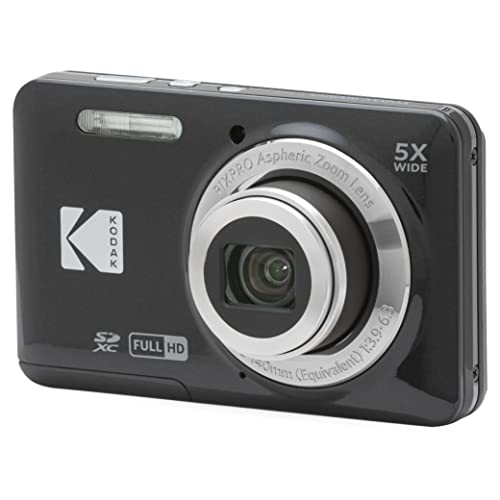
KODAK PIXPRO FZ55 16MP Compact Digital Camera
A Closer Look At Each Pick
The Sony ZV-1F arrives aimed squarely at solo creators who want cinema-feeling footage without lugging a cage and a follow-focus rig. Its ultra-wide lens makes arm’s-length framing effortless, which matters when you’re holding a camera out toward your face mid-monologue. The large 1-inch sensor pulls in more light than the typical camcorder chip, so indoor talking-head shots stay clean even without a softbox.
Where this body shines is the workflow. Autofocus locks onto eyes and tracks them as you move, which means you can walk-and-talk without babysitting focus. Compared to the larger Blackmagic body covered later, the ZV-1F trades raw cinema horsepower for genuine portability, and most vloggers will gladly make that swap.
Practical Pluses
- Ultra-wide lens captures full framing at arm’s length, no selfie stick required.
- Eye-tracking autofocus follows you across the frame, which matters for dynamic talking-head shots.
- Compact 1-inch sensor body slips into a jacket pocket between shoots.
- Designed for content creators, so menus and shortcuts favor video over stills.
- Strong low-light performance keeps indoor vlogs looking clean without bulky lighting.
Points To Keep In Mind
- No interchangeable lens system, so you’re locked into the built-in focal length.
- Audio is serviceable but dedicated vloggers often add an external mic.
Who Will Love This
Solo creators and vloggers building a YouTube presence who want a pocket-friendly body that just works out of the box.
A Better Fit Elsewhere
Filmmakers chasing a true cinematic look with raw grading latitude will be better served by the Blackmagic Design Pocket Cinema Camera 4K reviewed below.
Blackmagic’s Pocket Cinema Camera 4K treats video like craft, not just capture. The Micro Four Thirds mount opens the door to a sprawling lens ecosystem, and the 4/3-inch sensor delivers the kind of dynamic range (the spread between deepest shadow and brightest highlight) normally reserved for higher-end cinema bodies. Dual native ISO up to 25,600 is a meaningful spec here, because it means cleaner footage when you’re shooting in dim venues.
The trade-off is real, though: this camera assumes you want raw footage and you want to grade it. Where the Sony ZV-1F above is built for one-take creator convenience, this is a filmmaker’s tool. Storage demands run heavy, and the menu system rewards patience, so casual vloggers may feel buried.
Noteworthy Benefits
- 13 stops of dynamic range give meaningful latitude for color grading after the shoot.
- Dual native ISO up to 25,600 keeps low-light footage usable for narrative work.
- Micro Four Thirds mount accepts a wide range of affordable cinema and stills lenses.
- Compact body despite cinema-class internal components.
Honest Caveats
- Autofocus is slower and less polished than the consumer-grade Sony above.
- Battery life shrinks fast when shooting 4K, so owners commonly carry spares.
- Storage files are large, and fast SD or SSD media becomes a real ongoing cost.
- Best suited to people comfortable editing and grading footage on a computer.
Right Fit For
Indie filmmakers, film students, and color-grading enthusiasts who want pro features in a handheld body.
Consider Something Else When
Casual vloggers chasing point-and-shoot ease will find the Sony ZV-1F a far smoother fit.
The Logitech C920 series became the default webcam for a reason, and this updated C920e package keeps that legacy alive. It plugs into any laptop or desktop over USB and just works across Windows, macOS, Chrome OS, and Android without driver wrestling. Dual microphones sit on either side of the lens, which is the kind of detail that makes a meeting recording sound less hollow than a single-mic setup.
Where this webcam wins is its sheer compatibility. Compared to the Logitech StreamCam in the next slot, the C920e runs at 1080p and tops out around 720p on some streaming services, so frame rate isn’t its strong suit. For video calls and casual content, though, the picture quality punches well above its tier.
What Pays Off
- Universal compatibility across major operating systems and conferencing apps.
- Dual stereo microphones capture natural-sounding voice for meetings or light content work.
- Compact, environmentally streamlined packaging from Logitech.
- Reliable plug-and-play behavior with no software installation required.
Practical Considerations
- 60fps is not on the menu, so fast motion looks softer than on the StreamCam below.
- Fixed focus lens means you can’t pull tighter on a subject across the room.
Made For
Remote workers, online students, and anyone who wants sharper meetings without configuring anything.
Look Elsewhere When
Live streamers chasing fluid 60fps motion will be happier with the Logitech StreamCam covered next.
The StreamCam steps up where the C920e settles down: it delivers 1080p at a proper 60fps, which is the difference between a webcam that looks fine and one that looks alive on Twitch. The USB-C connection keeps data flowing reliably to modern laptops, and Logitech’s facial-tracking software keeps exposure and focus locked on the person in frame.
What makes this a streamer favorite is the fluidity. Motion stays clean even when you’re gesturing at the screen or showing off a quick demo. Compared to the more casual C920e, the StreamCam asks for a slightly newer computer and macOS 10.14 or Windows 10 or later, so older setups may not be a match.
A Few Strong Suits
- Smooth 60fps at full HD means hand gestures and demos stay crisp on stream.
- USB-C connectivity future-proofs the webcam against aging laptops.
- Facial tracking adjusts exposure and focus automatically when you move.
- Supports vertical video capture, helpful for TikTok and Shorts creators.
Trade-Offs
- Requires a relatively modern computer to drive 60fps cleanly.
- Priced higher than the C920e, so casual users may not need the upgrade.
Best Suited To
Twitch and YouTube live streamers who want fluid motion without stepping up to a mirrorless camera rig.
Swap It Out When
Office-bound users who mainly need a meeting camera will find the Logitech C920e a smarter spend.
The Panasonic LUMIX FZ300 is the camera you grab when the weather isn’t cooperating and the subject is far away. A splash- and dustproof sealed body means rain on a hiking trail or dust on a job site won’t end the shoot. The Leica-branded 24x zoom lens holds a bright f/2.8 aperture across the entire zoom range, which is unusual at this price tier and helps in lower light.
Where this body earns its place in a budget video lineup is hybrid shooting. It records 4K video and pulls still frames from that video, useful when the perfect moment happens between shutter clicks. Compared to the smaller Kodak cameras below, the FZ300 is heavier and more capable, so it’s better suited to planned outings than toss-it-in-a-pocket trips.
Everyday Wins
- Sealed body handles light rain and dusty environments.
- Constant f/2.8 aperture across the full 24x zoom range keeps exposure consistent.
- 4K video recording with frame-grab photo extraction from footage.
- Built-in WiFi for quick transfers to a phone after a shoot.
Where It May Fall Short
- Smaller 1/2.3-inch sensor produces less depth-blur than larger-sensor cameras.
- Bigger and heavier than pocketable point-and-shoots, so casual travel bags feel crowded.
Built With In Mind
Hikers, travelers, and outdoor content shooters who need weather sealing and serious zoom range.
Where A Sibling Pick Shines
Travelers chasing a lighter carry will appreciate the more pocket-friendly KODAK PIXPRO FZ55 covered later.
The ZYDIIE camcorder shows up to a first shoot with almost everything you need already in the box. Two batteries, a 32GB memory card, a remote, and a rotating 3-inch touchscreen that flips forward for self-recording all come standard. The 18x digital zoom is handy for reframing from across a room, though digital zoom is best treated as a crop rather than true optical reach.
Where this camera fits a budget-conscious creator is in pure convenience. Night-vision mode is a quirky extra, useful for low-light home events. Compared to the Sony ZV-1F at the top of this list, the ZYDIIE trades sensor quality and brand polish for a generous accessory bundle and a much gentler cost of entry.
Good Reasons To Consider
- Comes with two batteries, a memory card, and a remote, so you can shoot immediately.
- Flip-forward rotating touchscreen helps frame yourself when filming solo.
- 4K UHD recording plus a 64MP photo mode for high-resolution stills.
- Night vision expands shooting options into dim indoor events.
Some Limits To Know
- Digital zoom degrades quality as you push in, unlike true optical zoom on dedicated lenses.
- Smaller-sensor camcorders typically produce less cinematic background blur.
Whose Shelf It Belongs On
New vloggers and casual family event recorders who want everything in one box without buying extras.
Skip It When
Creators chasing true optical zoom and a bigger sensor should look at the Panasonic LUMIX FZ300 instead.
The Kodak PIXPRO FZ55 bundle is the easy-on-ramp option for first-time camera owners. The body itself is a slim point-and-shoot with a 28mm wide-angle lens and 5x optical zoom, which is enough range for everyday travel and family scenes. The included 64GB card, protective case, tabletop tripod, and cleaning kit remove the usual accessory scramble.
What makes this a smart starter kit is the low learning curve. Power on, point, shoot. Compared to the bare KODAK PIXPRO FZ55 covered next, this version costs a bit more but ships with the accessories most people buy separately within a week.
Useful Strengths
- Comes with memory card, case, tripod, and cleaning kit, no extra purchases needed.
- 5x optical zoom is a real optical range, not a digital crop.
- 28mm wide-angle lens frames group shots and landscapes comfortably.
- Compact body slips into a coat pocket or small daypack.
What To Weigh
- Records 1080p at 30fps, so it’s not built for high-frame-rate action footage.
- Small 2.7-inch LCD is harder to use for framing in bright outdoor light.
Feature Card
Who Should Grab It
First-time camera owners and gift shoppers who want a complete starter package in one purchase.
Not Your Match When
Anyone shooting action-heavy sports or fast pets will want higher frame rates than the 30fps this camera offers.
This 4K vlogging camera from Krlun targets first-time YouTubers and teens picking up a real tool for the first time. The 180-degree flip screen is the headline feature for self-recording, and the included lens hood helps block stray light when shooting outdoors. A 32GB SD card ships in the box, so the camera is shoot-ready the moment it arrives.
The autofocus system is tuned for beginner behavior, prioritizing central subjects and locking on quickly. Compared to the larger-sensor Blackmagic body covered earlier, this camera trades image quality headroom for genuine ease of use, and for many new creators that’s a fair swap.
Notable Gains
- 180-degree flip screen makes self-framing foolproof for solo creators.
- Comes with a 32GB SD card and a lens hood to reduce glare.
- Beginner-friendly autofocus that prioritizes the center of the frame.
- Compact body comfortable for smaller hands and travel bags.
Less Ideal Details
- 16x zoom on this body is digital, so quality softens as you push in.
- Best results require decent lighting, since smaller sensors struggle in dim rooms.
Feature Card
Perfect Match For
Teens and first-time YouTubers who want a forgiving, all-in-one vlogging body without a steep learning curve.
Another Choice May Suit
More serious creators chasing genuine optical zoom and stronger low-light results should consider the Panasonic LUMIX FZ300.
The bare-bones KODAK PIXPRO FZ55 strips the camera down to what most casual shooters actually need. A 16MP sensor records stills and 1080p video, the 28mm wide-angle lens fits groups and landscapes, and 5x optical zoom adds real reach without digital softening. The body stays slim enough to slip into a jacket pocket, which matters when you don’t want to think about gear.
This is the camera you hand to a grandparent or a teenager without a 20-minute setup conversation. Compared to the bundled Kodak FZ55 reviewed above, you’re skipping the case and tripod in exchange for a smaller spend. Rechargeable battery and included USB cable keep ownership simple.
A Favorable Mix
- Compact body slips into pockets and small daypacks without bulk.
- 5x optical zoom provides usable reach for travel scenes.
- 1080p full HD video at a steady 30fps for casual clips.
- Rechargeable Li-ion battery and USB cable included.
Possible Compromises
- No bundled accessories, so the memory card and case become separate purchases.
- 30fps cap means fast action looks less smooth than on higher-frame-rate bodies.
Feature Card
The Right Fit
Casual travelers and family memory keepers who want a no-fuss pocket camera that simply records the moment.
Reach For A Different Pick When
Shoppers wanting accessories included out of the box should look at the Kodak PIXPRO FZ55 bundle reviewed above.
What Matters Most Before Choosing A Budget Video Camera
Picking The Right Form Factor
The biggest practical decision is whether you want a dedicated camera, a webcam, or a hybrid point-and-shoot. Dedicated cinema-style bodies like the Blackmagic Pocket Cinema Camera 4K reward users who plan shoots and grade footage, while compact point-and-shoots like the KODAK PIXPRO FZ55 lean toward grab-and-go simplicity. Webcams solve a different problem entirely: clean video calls and light streaming without taking up desk space.
Resolution, Frame Rate, And Sensor Size
A 4K label alone doesn’t tell you how good a camera actually looks. Frame rate (measured in frames per second, or fps) matters more than pixel count for motion: a 1080p/60fps stream looks smoother than a choppy 4K/24fps clip. Sensor size affects how much light the camera collects and how blurred backgrounds appear behind your subject. Larger sensors generally produce cleaner low-light footage, which is why the Sony ZV-1F stands out among compact vlogging bodies.
Audio, Stabilization, And Autofocus
Built-in microphones are improving, but serious creators typically pair a camera with an external mic. Optical image stabilization (hardware that physically shifts lens elements to counteract shake) smooths handheld footage, while digital stabilization crops in slightly to compensate. Autofocus behavior varies widely: the Sony ZV-1F and Logitech StreamCam both excel at tracking faces, which matters during walk-and-talk content.
What Separates These Picks From Premium Options
Common Shopping Slip Ups
A frequent mistake is chasing megapixel counts and overlooking sensor size and lens quality. Another is assuming every webcam runs at 60fps; many budget models cap at 30fps, which makes live streams look choppy. Read the frame-rate spec, not just the resolution, before committing.
Where The Extra Money Goes
Stepping up to a higher tier typically buys larger sensors, more reliable autofocus, and cleaner low-light footage. It also opens up interchangeable lens systems, which future-proofs your investment. For casual travel clips, the premium tier is often overkill; for daily vlogging or paid client work, the upgrade usually pays for itself in usable footage.