Picking up your first pair of binoculars feels a bit like learning to ride a bike: there’s a lot of jargon, plenty of options, and a nagging worry you’ll spend money on the wrong thing. Whether you’re drawn to backyard birding, a cruise-deck horizon, a kid’s first nature walk, or weekend stadium seats, the right starter optic makes the difference between a magical first look and a frustrating blur. This list rounds up ten approachable picks across budgets and uses, with honest trade-offs noted for each one.
The Main Contenders

Vortex Diamondback HD 10×42 Binoculars

Bushnell 10x42mm Trophy XLT Binoculars

Vortex Copperhead HD 10×42 Binoculars

Pankoo 20×55 High Powered Binoculars
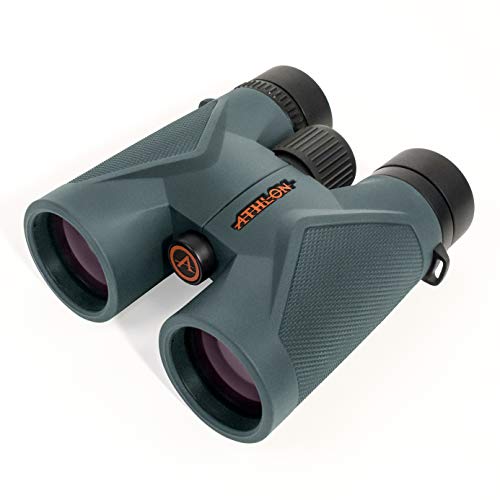
Athlon Optics 8×42 Midas UHD Binoculars

Steiner Marine 7×50 Binoculars

Vortex Crossfire HD 10×42 Binoculars

Pankoo 20×55 Binoculars with Phone Adapter
Pankoo 20×55 Waterproof Binoculars

WRNRN 20×30 Compact Binoculars
More Details On Our Top Picks
Staring into a thick canopy for the first time, you’ll quickly learn whether your binocular pulls its weight. The Vortex Diamondback HD 10×42 earns its spot at the top by pairing 10x magnification (how much closer a subject appears) with 42mm objective lenses that pull in plenty of light for shaded woods. Fully multi-coated optics, meaning every air-to-glass surface has an anti-reflective layer, help colors stay true around the edges, which matters more than spec sheets suggest when you’re tracking a warbler through dappled leaves.
For most new hobbyists, this is the optic that will quietly outlast your interest curve. The rubber-armored body shrugs off minor bumps, and twist-up eyecups accommodate glasses comfortably. Compared to the lighter Bushnell you’ll see later, the Diamondback feels chunkier in hand, which actually helps stability for steady handheld viewing.
What Pays Off
- Phase-corrected prisms (internal glass shapes that align light waves for sharper contrast) deliver clean images across the frame, so a perched owl at the edge looks as crisp as one in the center.
- Argon-purged housing (internal gas fill that prevents internal fogging across temperature swings) handles misty mornings and sudden rain without the view going milky.
- Long eye relief (distance from the eyepiece where the full image is visible) suits eyeglass wearers, no need to remove glasses to see the full field.
- Tripod-adaptable for long observation sessions, useful during hawk watches from a fixed spot.
Honest Caveats
- Heavier than travel-friendly options, so extended neck carry on a long hike can fatigue shoulders.
- 10x magnification amplifies handshake wobble, meaning a steady hold or tripod helps at distance.
Right Fit For
First-time birders and nature walkers who want one durable optic to grow into across seasons and trips.
Skip It When
You mostly watch from stadium seats or concerts, where the lighter WRNRN 20×30 Compact Binoculars are easier to pocket and pull out fast.
Few first outings test a binocular’s versatility like a cruise-deck morning or a coastal hike. The Bushnell 10x42mm Trophy XLT is built for that kind of unpredictable mix: a wide 6.2° angle of view (how much scenery you see side-to-side), waterproof and fogproof sealing, and a forgiving focus wheel. You can swing from a distant harbor buoy to a passing cormorant without losing either subject.
Where the Diamondback feels like a serious birder’s tool, the Trophy XLT feels like a friendly travel companion. Owners commonly report that the rubber grip stays secure with wet hands on deck, and the included strap setup makes quick neck carry painless. It’s a sensible middle ground for someone whose plans range from ship rails to sightseeing overlooks.
Everyday Wins
- Wide field of view helps track moving wildlife and scan shorelines without constant re-aiming.
- Sealed, waterproof construction handles splashes, drizzle, and humid decks without worry.
- Multi-coated lenses keep the image reasonably bright in overcast coastal conditions.
- Central focus wheel turns smoothly, important when you need to refocus quickly between subjects.
Things To Consider
- Not the lightest 10×42, so all-day pack carry on land tours can feel bulky.
- Color fidelity is solid but slightly less nuanced than the Diamondback in side-by-side use.
Made For
Travelers and casual sightseers who split their time between water, port cities, and varied terrain where weather can shift.
Look Elsewhere When
Your main use is stationary backyard bird feeding, where the Vortex Copperhead HD 10×42 Binoculars give similar reach at a friendlier entry point.
The Copperhead HD 10×42 slots below the Diamondback on price while keeping the same friendly 10×42 format. For someone buying a first serious optic, that combination matters: you learn focus, diopter adjustment (the small ring that tunes the view for vision differences between your eyes), and eye cup positioning without overpaying for features you may not yet appreciate.
Compared to the Diamondback, the Copperhead trims a bit on optical refinement, but most beginners won’t notice the difference in the field. The build still feels rugged, the housing stays sealed against light rain, and the image stays sharp from treetop to mid-range. It’s the kind of pick you can hand to a curious teenager and not worry about.
Practical Pluses
- HD optical system aims for edge-to-edge sharpness, so corners don’t go mushy on perched birds.
- Adjustable eyecups and a smooth diopter help you dial in a custom fit in seconds.
- Waterproof and fogproof sealing handles drizzles and early-morning dew without drama.
- Lighter touch on the wallet, leaving budget for a field guide or tripod later.
Points To Keep In Mind
- Color contrast is a touch behind the pricier Diamondback in low-light woodland scenarios.
- 10x reach still demands a steady hand or rest for very distant subjects.
Key Attributes
Best Suited To
Budget-minded beginners who want a trusted brand name and weather sealing without stretching into premium pricing.
Consider Something Else When
You’re shopping for a younger child, since the Athlon Optics 8×42 Midas UHD Binoculars offer steadier, lower magnification for shorter arms and shakier hands.
There’s a particular thrill in spotting a distant ridgeline or a far-off buck that you almost mistook for a shadow. The Pankoo 20×55 brings that reach to a beginner price, doubling the magnification of the Vortex picks and pairing it with a 55mm objective for more light-gathering surface. For someone drawn to long-range scanning rather than close forest birding, this is where the format starts to matter.
That 20x power comes with trade-offs, of course. The view bounces more easily with handheld use, so a tripod or monopod becomes almost essential for steady viewing. For stadium-style spotting or open-field wildlife, this Pankoo is generous reach at an entry spend.
Features That Help
- 20x magnification pulls distant subjects in close, ideal for open-country observation.
- 55mm objective lens gathers light well in overcast and twilight conditions.
- BAK4 prisms (a high-grade glass prism type that transmits more light than cheaper alternatives) and FMC coatings (fully multi-coated, meaning multiple anti-reflective layers on all glass surfaces) aim for vivid, well-saturated color.
- Sealed housing handles light weather, useful for unpredictable field outings.
Room For Improvement
- 20x is too jumpy for steady handheld viewing, especially for users with shaky hands.
- Narrower field of view makes tracking moving wildlife harder than with the 10x Vortex models.
- Longer form factor won’t suit travelers packing light.
Feature Snapshot
Who Should Grab It
Outdoor users with access to open terrain who want to scan ridges, coastlines, or large fields from a fixed position.
A Better Fit Elsewhere
You prefer wandering wooded trails, where the Vortex Diamondback HD 10×42 Binoculars balance reach with a steadier handheld view.
First-time users, especially kids and casual family birders, often do better with less magnification rather than more. The Athlon Optics 8×42 Midas UHD steps down to 8x, which means a steadier handheld image and a wider field of view. The image stabilizes faster, which matters when a child is the one holding the binocular.
ED glass (extra-low dispersion glass that reduces color fringing around high-contrast edges) is the spec highlight here, helping reduce the purple fringe you sometimes see around branches against a bright sky. Compared to the 10×42 Vortex models, this Midas is the friendlier, calmer sibling.
Where It Helps
- 8x magnification produces a noticeably steadier view for unsteady hands and young users.
- ED glass reduces color fringing on tree branches against bright skies.
- Phase-corrected prisms improve contrast for clearer subject definition.
- 17.2mm eye relief gives comfortable full-field viewing for eyeglass wearers.
Trade Offs
- Lower magnification limits reach for very distant raptors or shoreline subjects.
- Some owners note the focus wheel takes a little practice to find by feel in the dark.
Technical Reference
Right Fit For
Families introducing kids or older adults to birding who value steady views and forgiving handling over maximum reach.
Consider Something Else When
You spend long hours scanning open water from a boat, where the Steiner Marine 7×50 Binoculars gather noticeably more light at dusk.
Step onto a rocking sailboat at dusk and you’ll learn quickly that not every binocular feels steady when the world is moving. The Steiner Marine 7×50 is built around that exact problem: 7x magnification for a calm handheld image, paired with oversized 50mm objectives that gather significant light for low-glare marine conditions. The 356-foot field of view at 1000 yards gives a generous scan window when tracking buoys or working coastlines.
The Sports Auto Focus system aims to keep things sharp from roughly 20 yards to infinity without constant refocusing, which sounds minor but is genuinely useful when you’re busy bracing against a deck. For boaters, hunters, and sunset watchers, the marine-grade build earns its place.
Reasons It Performs
- 7x magnification keeps the view steady even when your platform isn’t.
- 50mm objectives deliver bright images in dawn, dusk, and overcast marine conditions.
- Sports Auto Focus reduces fiddling with the focus wheel during active use.
- Waterproof, fogproof construction is built for salt spray and humid environments.
Points To Note
- Larger 50mm objectives add noticeable bulk compared to a 42mm binocular.
- Lower magnification limits detail on very distant subjects like far-off ships or shoreline birds.
Feature Rundown
Perfect Match For
Boaters, hunters, and outdoor enthusiasts who need a rugged, bright optic for low-light and rough-condition viewing.
Look Elsewhere When
You’re planning long hikes where every ounce matters, since the Steiner is heavier than the 42mm Vortex and Athlon models in this list.
Among Vortex’s beginner-friendly offerings, the Crossfire HD 10×42 is the practical middle child. It shares the same 10×42 format as the Diamondback above, but ships with a GlassPak harness, a strap system that holds the binocular close to your chest for quick deployment. If you’re the kind of person who hikes with gear on your back and pulls optics out every twenty minutes, that harness earns its keep quickly.
Optically, the Crossfire sits comfortably below the Diamondback, but the everyday image is more than good enough for casual birding, stadium spotting, and trail walking. For beginners who want one optic that travels well and stays accessible, this is a quiet workhorse.
What Stands Out
- GlassPak harness keeps the binocular secure and ready, no more fumbling at the moment a bird appears.
- HD optical system aims for cleaner resolution than standard non-HD alternatives.
- Rubber-armored body holds up to typical trail bumps and strap wear.
- Compatible with tripod adapters for steady long-distance viewing.
Worth Bearing In Mind
- Edge sharpness is a touch behind the pricier Diamondback in direct comparison.
- Harness adds bulk, which some users find awkward for short neighborhood walks.
Made For
Hikers and casual field users who want quick optic access and a forgiving, all-purpose 10×42 build.
A Better Fit Elsewhere
You mainly bird from a backyard or stationary spot, where the Bushnell Trophy XLT’s wider field of view helps scan feeders and trees.
For the beginner who also wants to share what they see, the Pankoo 20×55 with Phone Adapter solves the awkward alignment problem. The bundled adapter cradles your smartphone over one eyepiece so you can capture distant birds, landmarks, or stadium moments without expensive camera gear. It’s a thoughtful add-on for content creators, journaling naturalists, and anyone documenting a trip.
The 55mm objective and BAK4 prism setup aim for vivid, true-color imaging up to roughly 1200 yards, though at this range you should expect atmospheric haze to soften the view. Like the other 20×55 Pankoo on this list, the high magnification rewards stable hands or a tripod.
Notable Upsides
- Phone adapter lets you snap distant subjects through the optic, useful for sharing or journaling.
- 20x magnification pairs with a 55mm objective for far-reaching observation.
- BAK4 prisms (high-grade glass prisms that deliver brighter, sharper images than standard BK7 prisms) and FMC coatings aim for true-color images in good light.
- Long effective range (around 1200 yards) covers stadium, safari, and open-landscape scenarios.
Trade-Offs To Consider
- Phone adapter adds setup time and bulk, not ideal for spontaneous viewing.
- 20x magnification amplifies handshake wobble without a tripod.
- Adapter alignment takes practice before you can frame shots quickly.
Quick Facts
Who Will Love This
Beginners who want to share what they see on social media or document wildlife without buying a dedicated camera setup.
Consider Something Else When
You want a grab-and-go binocular for casual walks, since the Vortex Crossfire HD 10×42 Binoculars are simpler to deploy in the moment.
Weather doesn’t always cooperate on a first outing, and a sudden drizzle is a common beginner’s regret. The Pankoo 20×55 Waterproof leans into that reality: a sealed housing that shrugs off rain, paired with BAK4 roof prisms and FMC lenses designed to push high light transmission for clearer dawn and dusk viewing.
You get the same 20x reach as the other Pankoo on this list, minus the phone adapter. For travelers who want long-distance reach in a sealed, portable-feeling package, this is the cleaner pick. Owners commonly report that the grip stays comfortable over long sessions and the focus wheel is easy to find by touch.
The Value In It
- Waterproof construction handles unexpected rain without panic.
- BAK4 roof prisms deliver bright, sharp images for the price point.
- 20x magnification supports far-reaching landscape and wildlife scanning.
- Lightweight-feeling chassis compared to larger marine-grade options.
A Few Limitations
- 20x reach still demands steady hands or a tripod for sharp viewing.
- Narrower field of view than the 10x Vortex models, making close subjects harder to locate.
- Long eye relief may be tight for some eyeglass wearers.
Built With In Mind
Travelers and casual hikers who frequently face unpredictable weather and want a sealed, long-reaching beginner optic.
Swap It Out When
You’re birding in dense woodland where close focus and wider field matter more than reach, since the Athlon Optics 8×42 Midas UHD Binoculars handle that scene better.
Not every beginner wants a neck-load of glass. The WRNRN 20×30 Compact Binoculars trade some objective size for a pocketable form factor you can toss in a daypack or jacket pocket. For concert-goers, sports fans, and travelers, that’s a real quality-of-life upgrade over a full-size 42mm optic.
The 20x magnification gives you stadium-style reach, while the 30mm objectives keep the package compact. You give up some light gathering, which means the image dims earlier at dusk compared to the Steiner or Vortex models. For daytime use and bright indoor venues, though, the size-to-reach ratio is genuinely convenient.
Useful Highlights
- Compact form factor fits in a jacket pocket or small daypack.
- 20x magnification reaches distant seats and elevated stages.
- FMC optics (fully multi-coated glass that reduces glare and boosts brightness) aim for a clear daytime image.
- Lightweight build reduces fatigue during long event days.
Where It May Fall Short
- 30mm objective gathers less light than 42mm or 50mm models, dimming the view at dusk.
- Smaller exit pupil (the bright disc visible at the eyepiece) makes the image less forgiving in low light.
- Compact body can be harder to hold steady for extended viewing at 20x.
Perfect Match For
Concert and sports spectators, casual travelers, and anyone who values pocket-friendliness over optical reach.
Where A Sibling Pick Shines
You’re heading into the woods for serious birding, where the Vortex Diamondback HD 10×42 Binoculars give a brighter image and steadier handling for the same general weight.
What Matters Most Before Choosing Beginner Binoculars
Magnification And Objective Lens Balance
The two numbers on every binocular (like 10×42 or 20×50) tell most of the story. The first is magnification: how much closer your subject appears. The second is the objective lens diameter in millimeters, which controls how much light the binocular gathers. A 10×42 setup balances reach with light intake and is widely considered the friendliest starting format. Higher magnifications like 20x pull distant subjects in but amplify handshake wobble, so you’ll likely want a tripod for steady viewing.
Field Of View And Eye Relief
Field of view describes how wide a scene you see at a distance; wider means easier tracking of moving birds or scanning large areas. Eye relief is the distance from the eyepiece at which the full image comes into view. Longer eye relief (around 15mm or more) is friendlier for eyeglass wearers, since you won’t have to press the binocular against your glasses to see the entire picture.
Coatings, Prisms, And Sealing
Optical coatings matter even at beginner pricing. Fully multi-coated lenses (FMC) have anti-reflective layers on every air-to-glass surface, which brightens the image and reduces glare. BAK4 prisms are a step above the cheaper BK7 glass, transmitting more light for cleaner color and contrast. For outdoor use, sealed and waterproof or fogproof housing protects against drizzle, dew, and temperature swings that can otherwise fog the internal optics.
Weight, Grip, And Real-World Use
A binocular you’ll leave at home is no binocular at all. Consider how the weight and grip feel around your neck or in your pack. Twist-up eyecups, a rubber-armored body, and a forgiving focus wheel all help during long sessions. Think about your typical outing: an hour in the backyard, a full-day nature walk, or a multi-leg trip, and match the form factor accordingly.
Key Considerations Across These Picks
Pitfalls Shoppers Hit
A common beginner trap is chasing the highest magnification number, assuming 20x or 30x is always better. In practice, those numbers amplify every handshake tremor and narrow your field of view, making subjects harder to locate. Another frequent misstep is skipping sealed housing to save money; a fogged internal lens from a sudden rainstorm can render an optic useless. Finally, focus on advertised specs alone and forget eye relief if you wear glasses, which can produce a frustrating tunnel view.
Where The Extra Money Goes
Stepping up from entry-level to mid-tier optics usually delivers sharper edge-to-edge clarity, better contrast in low light, and more durable construction. You may also gain phase-corrected prisms (internal prism coatings that align light waves for sharper images) and ED glass, both of which noticeably reduce color fringing around high-contrast edges. For beginners who plan to stick with the hobby, that upgrade typically pays off across seasons rather than over a single weekend.
Frequently Asked Questions
What magnification is best for beginner binoculars?
A 10×42 setup is widely considered the friendliest starting point, offering enough reach for most birding and wildlife viewing without the handshake wobble of higher magnifications. For younger users or steadier handheld viewing, an 8×42 is even more forgiving.
Are expensive binoculars worth it for beginners?
Stepping up to mid-tier optics typically delivers sharper edge clarity, better low-light performance, and more durable construction. If the hobby sticks, that upgrade usually pays off over time. For a one-season experiment, a value-priced 10×42 still gives a satisfying view.
Can I use binoculars while wearing glasses?
Yes, look for a binocular with at least 15mm of eye relief (the distance from the eyepiece where the full image is visible). Twist-up or adjustable eyecups help you find the right position without removing your glasses.
Are waterproof binoculars really necessary?
Sealed housing protects against rain, dew, and humidity that can otherwise fog the internal optics. For backyard or fair-weather use, it’s optional. For travel, hiking, or boating, it’s a worthwhile safeguard.
What’s the difference between roof and porro prisms?
Roof prisms are compact and slim, allowing a straight-barrel design that fits in a pack easily. Porro prisms offer a wider, more traditional shape that often delivers a sense of depth but adds bulk. For most beginners, roof-prism designs are the more travel-friendly default.
The Takeaway
Your first binocular should match how you’ll actually use it: backyard bird feeders, weekend hikes, stadium seats, or cruise-deck horizons. Start with the format and weight that feel comfortable in hand, since the optic you carry gets used and the one left at home doesn’t. Match the specs to your outings, and the rest is simply showing up and looking.