Sorting through binoculars under 1000 dollars gets confusing fast, since the spec sheets all start to look the same once you cross a certain quality threshold. The honest truth is that the right pair depends entirely on what you point them at, how often you carry them, and whether you care more about reach or steadiness. We’ve narrowed it down to ten solid options that handle everything from backyard birding to stadium seats, with honest notes about where each one shines and where it gives something up.
The Choices Worth Comparing

Vortex Diamondback HD 10×42 Binoculars

Bushnell 10x42mm Trophy XLT Binoculars

Vortex Copperhead HD 10×42 Binoculars

Pankoo 20×55 Binoculars for Adults
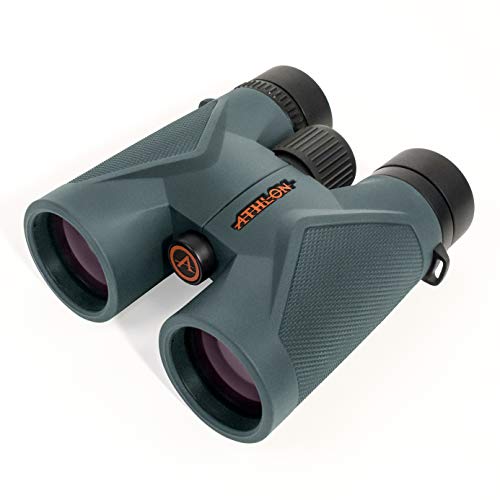
Athlon Optics 8×42 Midas UHD Binoculars

Steiner Marine 7×50 Binoculars

Pankoo 20×55 Binoculars with Phone Adapter

Vortex Crossfire HD 10×42 Binoculars

Vortex Viper HD 12×50 Binoculars
Pankoo 20×55 Waterproof Binoculars
A Breakdown Of The Leading Choices
The Diamondback HD sits in a sweet spot most shoppers don’t realize exists until they compare options side by side. With 10x magnification and 42mm objective lenses, it pulls in enough light for early-morning wildlife viewing without turning into a chore to carry on a long hike.
Select glass elements cut chromatic aberration (the colored fringing around high-contrast edges) for cleaner color rendering. For most backyards and open fields, the image stays crisp from center to edge. The ArmorTek coating on the exterior lenses resists scratches from trail grit, a small touch that matters when these live in a backpack pocket.
A Few Strong Suits
- 10×42 configuration suits most general wildlife viewing without overreaching.
- Fully multi-coated lenses boost low-light performance at dawn and dusk.
- Rubber-armored body grips well in damp or cold conditions.
- HD glass system noticeably reduces color fringing around treelines and bird feathers.
Things To Consider
- 10x magnification demands a steadier hand than 8x models during long observation sessions.
- Slightly heavier than compact travel binoculars when worn around the neck for hours.
Who It Suits Best
Hikers, hunters, and serious birders who want a versatile optic that handles weather, distance, and long days in the field.
Where Another Pick Suits Better
Eyeglass wearers looking for longer eye relief get a friendlier fit from the Athlon Optics 8×42 Midas UHD.
The Bushnell Trophy XLT plays a different game than the Diamondback above, leaning hard into versatility. Built around a 6.2-degree angle of view, it captures noticeably wider scenes, which matters when you’re scanning a coastline from a cruise deck or tracking shorebirds in motion.
Its waterproof and fogproof construction shrugs off spray and shifting temperatures. Compared to most travel binos that skimp on optical quality, this one holds its own in mixed light, with enough clarity for casual bird ID work and harbor wildlife spotting on the same trip.
What Pays Off
- Wide 6.2-degree field of view captures moving subjects like dolphins and raptors in flight.
- Weatherproof sealing handles ocean spray and sudden rain showers.
- 10×42 balance works for sightseeing without tipping into telephoto territory.
- Comfortable grip texture stays secure on damp boat decks.
Room For Improvement
- Low-light performance falls behind fully multi-coated premium glass after sunset.
- Lens caps and strap quality tend to feel basic compared to the optic itself.
Right Fit For
Vacationers, casual birders, and anyone watching distant shorelines from boats or clifftops who values a wide, forgiving view.
Consider Something Else When
You spend more time in low-light woods than open travel spots, in which case the Vortex Diamondback HD offers sharper twilight performance.
The Copperhead HD slips into a spot most shoppers overlook, offering HD optics at a step below the Diamondback above. You still get select glass elements, fully multi-coated lenses, and a solid waterproof, fogproof, and shockproof housing built for rough conditions.
Adjustable eyecups and a tunable diopter (a small adjustment ring that lets you match the optics to the difference between your eyes) dial in a custom fit, helpful when you’re sharing the binos with a partner on a hike. For wet mornings, muddy trails, or cold hands in gloves, the textured rubber armor stays grippy. It is the kind of optic you toss into a pack without a second thought.
Positive Points
- Waterproof, fogproof, and shockproof housing handles rough field conditions.
- HD optical system sharpens edges and improves color fidelity for the price.
- Adjustable eyecups and diopter support shared use between different vision prescriptions.
- Solid balance between ruggedness and reasonable carry weight.
Worth Noting
- Field of view runs narrower than the Bushnell Trophy XLT, making fast-moving subjects harder to track.
- Twilight clarity trails the Diamondback HD noticeably at extreme magnifications.
Best Suited To
Active outdoorsmen who get caught in weather and need a reliable optic that doesn’t demand gentle handling.
Skip It When
Wide-scene sightseeing is the priority, since the Steiner Marine 7×50 covers broader water scenes more comfortably.
Pankoo takes a different angle on the category, leaning into high magnification at a low cost. The 20×55 setup pulls in distant subjects that 10×42 models can’t reach, which makes it appealing for stargazing, distant shoreline spotting, and wide-open landscapes.
The trade-off shows up immediately: 20x magnification amplifies handshake, so even small tremors turn into shaky views. Mounting on a tripod solves this fast. Waterproofing adds weather flexibility, and the large 55mm lenses drink in more light than the smaller 42mm options reviewed above.
Where It Delivers
- 20x magnification reaches far beyond standard 10x models for distant observation.
- Large 55mm objective lenses gather generous light for dawn or dusk viewing.
- Waterproof construction handles light rain and damp conditions.
- Accessible entry price for shoppers new to higher-magnification optics.
Points To Note
- Handshake wobble becomes a real issue, making a tripod nearly essential for clean views.
- Heavier than 10×42 models, less comfortable for all-day carry around the neck.
Perfect Match For
Casual stargazers, distant landmark spotters, and shoppers testing higher magnification without committing to premium prices.
Look Elsewhere When
You want a steady handheld view during long walks, where the Athlon Optics 8×42 Midas UHD keeps the image stable and easy on the arms.
The Midas UHD flips the script by going down to 8x magnification. Lower magnification means a steadier image, a wider field of view, and easier handheld use, which matters more than most people expect during long birding sessions.
ED glass (extra-low dispersion glass, a premium material that reduces color fringing and boosts contrast) delivers noticeably cleaner color and contrast than standard glass at this tier. With 17.2mm of eye relief, eyeglass wearers can comfortably take in the full field without pressing the lenses close. Phase-corrected prisms and BaK-4 glass round out a thoughtful optical package.
Points In Its Favor
- ED glass produces clean color rendering and reduced chromatic aberration.
- 17.2mm eye relief accommodates eyeglass wearers comfortably.
- Wide 8.1-degree angular field of view simplifies tracking moving birds.
- 2-meter close focus lets you study nearby subjects like butterflies or flowers.
Honest Caveats
- 8x reach falls short for long-distance wildlife scanning compared to 10x and 12x models.
- Slightly bulkier than compact travel binoculars for stowing in a small daypack.
Feature Snapshot
Whose Shelf It Belongs On
Birders and nature watchers who wear glasses, hike for hours, and want steady views without straining their hands or eyes.
A Better Fit Elsewhere
Long-range shooters and big-game hunters benefit more from the reach of the Vortex Viper HD 12×50.
The Steiner Marine earned its name honestly, since this classic 7×50 design has served boaters and mariners for years. The 50mm objective lenses pull in substantial light, which is exactly what you want during overcast mornings or low-light harbor scans.
Its sports auto-focus system keeps the image sharp from 20 yards out without constant refocusing, which matters when scanning a coastline or tracking fast waterfowl. The 7x magnification stays steady in your hands, and the rugged floating prism system uses flexible silicone mounts that absorb impacts. Owners commonly find these binos survive drops and saltwater exposure that would damage lesser optics.
Useful Highlights
- Bright 50mm objectives excel in low-light, overcast, and dawn conditions.
- Auto-focus system holds sharpness from 20 yards to infinity without fiddling.
- Floating prism system absorbs impacts from accidental drops.
- Proven maritime-grade build for saltwater and humid environments.
Softer Spots
- 7x reach limits distant observation compared to 10x and 12x alternatives.
- Larger size makes them less convenient for backpacking than compact roof prism designs.
Quick Facts
Made For
Boaters, sailors, and coastal wildlife watchers who need bright views, steady hands, and a build that tolerates salt spray.
Reach For A Different Pick When
Backcountry hikers want less weight on long trails, where the Vortex Crossfire HD handles the same optics in a lighter package.
The 20×55 with phone adapter lands in a niche that’s grown quickly: people who want to capture what they see through their binoculars. The included adapter holds a smartphone over the eyepiece for digiscoping, a setup where you photograph through the binocular lens with your phone.
FMC multi-coated lenses and a BAK4 prism (a high-grade glass prism that transmits more light than standard versions) deliver sharp color imaging out to a claimed 1200 yards. Compared to the standard Pankoo 20×55 above, this version trades a bit of simplicity for that photography capability. Whether you want to share wildlife sightings on social media or document distant landmarks, the adapter opens doors that standard binos leave closed.
Noteworthy Benefits
- 20x magnification reaches distant subjects like ships, wildlife, and landmarks.
- Included phone adapter enables digiscoping without buying a separate kit.
- BAK4 prism and FMC coatings improve light transmission and color accuracy.
- Long effective range suitable for outdoor observation and casual content creation.
Some Limits To Know
- 20x requires a tripod for stable photography without motion blur.
- Phone adapter fits a limited range of phone sizes and cases.
Who Will Love This
Casual content creators, social media wildlife spotters, and travelers who want to photograph distant scenes without a telephoto lens.
Not Your Match When
Pure handheld wildlife observation matters most, in which case the Vortex Diamondback HD 10×42 fits more naturally.
The Crossfire HD lands as the budget-friendly Vortex option, sitting below the Diamondback and Copperhead above. You still get HD optics and select glass elements, plus the included GlassPak harness that simplifies carrying and quick deployment.
For most hikes, casual birding, and stadium seats, the Crossfire handles its job without feeling like a compromise. Compared to its siblings, you give up some edge-to-edge sharpness and low-light punch. The trade pays off for shoppers who want Vortex’s reputation and build quality without premium-tier pricing.
Key Advantages
- HD optical system delivers sharp resolution at this price tier.
- GlassPak harness included for convenient carry and quick access.
- 10×42 configuration suits general wildlife and travel use.
- Solid Vortex build quality at a more accessible price.
Trade Offs
- Low-light performance trails the Diamondback HD noticeably.
- Glass elements and coatings aren’t quite as premium as the higher Vortex tiers.
Feature Rundown
Right Fit For
First-time Vortex shoppers, casual hikers, and gift shoppers who want a recognized brand name at a lower cost.
Where A Sibling Pick Shines
Twilight and dawn wildlife observers get noticeably better clarity from the Diamondback HD above.
The Viper HD steps up the reach with 12x magnification and 50mm objective lenses. This combination targets long-distance observation: open country, big game at distance, and detailed viewing where 10x leaves you wanting more.
The HD optical system delivers the resolution, color fidelity, and edge-to-edge clarity that hunters and serious outdoorsmen expect. Compared to its Vortex siblings, the Viper adds premium-tier glass without sacrificing the compact, full-size form factor. The included GlassPak chest harness keeps the optics accessible in the field.
What Makes Sense
- 12x magnification reaches distant subjects like big game at extended range.
- 50mm lenses gather substantial light for dawn and dusk conditions.
- HD optics deliver premium-tier resolution and color accuracy.
- Compact enough for a full-size 50mm binocular in a pack-friendly build.
Less Ideal Details
- 12x magnification amplifies hand tremor noticeably during handheld use.
- Heavier and larger than the 10×42 Vortex siblings above.
Who Should Grab It
Western hunters, big-game observers, and open-country outdoorsmen who need the extra reach over standard 10x models.
Swap It Out When
Compact carry and steady handheld viewing matter most, in which case the Athlon Optics 8×42 Midas UHD is the lighter, steadier choice.
The third Pankoo entry in this list focuses on the same core strengths as its siblings: 20x reach and 55mm lenses at a budget entry point. Waterproof construction and BAK4 roof prisms round out a spec sheet that targets shoppers who want reach without stretching into premium price territory.
The honest read is that this works best for concerts, sports venues, and casual outdoor spotting rather than serious wildlife observation. Compared to the Pankoo 20×55 reviewed earlier, this version leans toward travel convenience. Mounting on a small tripod transforms the experience from shaky to sharp.
Notable Gains
- 20x magnification reaches distant subjects at concerts, stadiums, and landmarks.
- Waterproof construction handles outdoor weather and humidity.
- Large 55mm lenses gather generous light for the price.
- Accessible price point for shoppers needing reach without premium cost.
Potential Compromises
- Handshake at 20x means a tripod is almost required for clean views.
- Optical refinement trails the higher-tier Vortex models reviewed above.
Essential Details
Built With In Mind
Concertgoers, sports spectators, and casual travel shoppers who need long reach without the premium price tag.
Another Choice May Suit
Serious wildlife observation benefits more from the Vortex Diamondback HD, which offers better optical refinement for the same kind of money.
Choosing Binoculars Under 1000 That Match Your Viewing Habits
Picking the right pair comes down to honestly matching the optic to your most common viewing scenario. Birders and casual wildlife watchers tend to do best with 8x or 10x magnification in a 42mm body, since steadier handheld views and longer observation sessions favor lower reach. Hunters and open-country observers usually want 10x or 12x with 50mm objectives, trading some steadiness for extra reach at distance.
Objective lens diameter matters because it controls how much light the optic gathers. A 42mm lens handles dawn and dusk reasonably well in fair weather. A 50mm lens pulls in noticeably more light for overcast mornings and low-light harbor viewing. The trade is weight: larger objectives mean a heavier optic in your hands or around your neck.
Eye relief (the distance from the eyepiece to where your eye sees the full image) matters most for eyeglass wearers. Anything above 15mm of eye relief lets you keep glasses on and still see the full field of view. Lower numbers force you to press the eyepieces close, which is uncomfortable with glasses on.
Coatings and prism material control how much light reaches your eyes. Fully multi-coated lenses with BAK4 prisms deliver brighter, sharper images than partially coated lenses with standard prisms. ED glass (extra-low dispersion glass) reduces color fringing at high contrast edges, which becomes noticeable when watching birds against bright sky backgrounds.
Things To Weigh Before You Pick
Mistakes Worth Dodging
Magnification gets oversold constantly. A 20x bino sounds impressive until you try to hold it steady for any meaningful length of time. Most casual shoppers overbuy magnification and underbuy objective lens size, then wonder why their views look dim. Aim for the lowest magnification that meets your needs, and prioritize lens quality and objective diameter over raw zoom.
Where The Extra Money Goes
Premium binoculars earn their higher cost through better glass elements, tighter optical alignment, more durable housing, and superior coatings. The difference shows up most in edge sharpness, low-light brightness, and color accuracy. For dawn wildlife, dusk hunting, or extended observation sessions, that upgrade pays off in less eye fatigue and better subject identification.