A coastal Alaska voyage throws a lot at your eyes in a short window: tidewater glaciers calving into the sea, humpback spouts a kilometre off the rail, bald eagles perched on spruce, brown bears working a shoreline at dawn. Good budget binoculars make those moments pop without forcing you to baby a fragile optic on a moving deck. This lineup focuses on affordable glass that handles spray, humidity, and long viewing sessions, so you can spend your week watching wildlife instead of cleaning lenses.
The Leading Options At A Glance

Vortex Diamondback HD 10×42 Binoculars
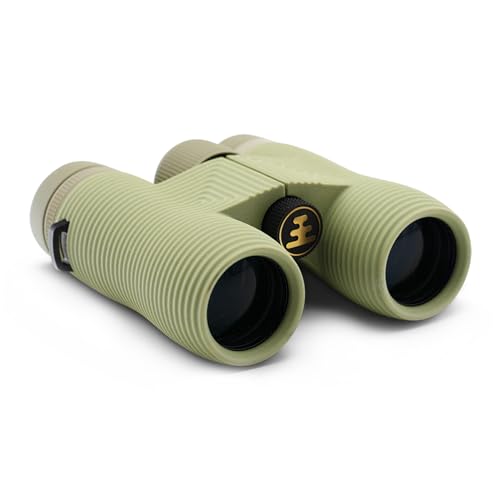
Nocs Provisions Field Issue 10×32 Compact Binoculars

Vortex Triumph HD 10×42 Binoculars

Vortex Optics Diamondback Roof Prism 10×42 Binoculars

Bushnell Trophy XLT 10×42 Waterproof Binoculars

Vortex Copperhead HD 10×42 Binoculars

Nikon ACULON A211 10×42 Binocular
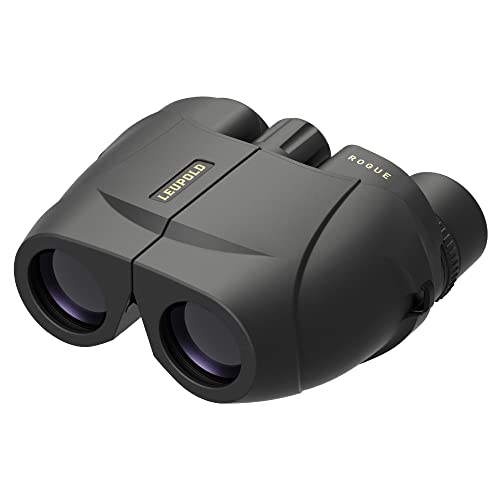
Leupold BX-1 Rogue 10x25mm Binoculars

Bushnell Engage X 10×42 IPX7 Binoculars

Vortex Crossfire HD 10×42 Binoculars
Taking A Closer Look At The Options
Alaska cruises reward a binocular that pulls in detail at distance without punishing your wallet, and the Diamondback HD sits right in that sweet spot. The 10x magnification paired with 42mm objective lenses gathers enough light for those long Alaskan evenings when the sun barely dips below the horizon. Fully multi-coated optics boost light transmission, which matters when you are scanning shadowed fjords or watching bears in dense timber.
Roof prism construction keeps the body slim, so it slips into a daypack pocket or the included harness without a fight. Compared with the more compact Nocs Provisions pick coming up next, this one trades pocketability for a brighter image in dim conditions. Most travellers will appreciate that balance.
A Favorable Mix
- HD lens system improves colour fidelity for spotting subtle differences between distant birds and rock piles
- 42mm objectives keep the view bright during overcast Southeast Alaska afternoons
- Argon-purged housing resists internal fogging when you move from a warm cabin to a cold deck
- Rubber armour gives a secure hold on wet rails during spray or rain
- Tripod adaptable for long glacier-watching sessions
Things To Consider
- Heavier than the 10×32 Nocs Provisions option, so it may tire your neck on full-day excursions
- Lens caps and rainguard are fiddly at speed, and owners commonly recommend a separate tether
Quick Facts
Made For
First-time Alaska cruisers who want one reliable binocular to cover wildlife, glaciers, and shoreline scenery in all weather.
Look Elsewhere When
Travellers packing ultra-light into a small daypack will find the Nocs Provisions Field Issue 10×32 easier to carry for full-day shore excursions.
If your cruise wardrobe runs toward softshell jackets with shallow pockets, the Nocs Provisions Field Issue earns a place in your kit. At roughly 16.7 ounces, this midsized compact binocular disappears on a lanyard yet still delivers the 10x reach most travellers want. The oversized focus wheel is a quiet win when you are tracking a moving sealion from a swaying bow.
The sealed, nitrogen-filled body shrugs off spray and drizzle, which is exactly the kind of weather you meet on an Inside Passage sailing. The 32mm objective gives up some brightness compared with the 42mm Vortex models, so low-light viewing is the honest trade-off. You gain portability, and that is the whole point of this pick.
What Earns Its Place
- Compact footprint slips into a jacket pocket for spontaneous deck time
- Fully waterproof and fog-proof, so splash and weather do not end your session
- HiFi fully coated optics with a Bak4 prism keep the image sharp across the frame
- Scratch-resistant exterior coating handles tossed-into-bag abuse
Points To Note
- 32mm objective gathers less light than the Vortex Diamondback HD in dusk conditions
- Eye relief is shorter, so eyeglass wearers may need to remove glasses or fold cups carefully
Built With In Mind
Packing-light cruisers and casual birders who want a go-anywhere binocular that lives in a coat pocket.
Where A Sibling Pick Shines
Anyone prioritising a brighter image during long dusk viewings should consider the Vortex Diamondback HD 10×42 instead.
The Triumph HD is Vortex’s friendly entry point, built for travellers who want dependable optics without the price tag of the Diamondback line. You still get the 10×42 configuration that suits Alaska’s mix of close whale pods and far ridgelines, plus fully multi-coated lenses for solid light transmission. It is a sensible pick if you only cruise once and want a binocular that handles light-duty glassing.
It feels lighter in the hand than the Diamondback HD, which suits long deck sessions but also signals a slightly less robust chassis. Compared with the pricier Vortex picks above and below, the Triumph is a practical compromise, and that is exactly how Vortex positions it.
Strengths Worth Knowing
- HD optical system delivers sharp edge-to-edge detail for the price tier
- Waterproof and fog-proof construction handles spray and rapid temperature shifts
- Adjustable eyecups and a diopter make fine-tuning easy for different eyes
- Rubber armour helps with grip on slippery deck rails
Worth Bearing In Mind
- Not as bright at dusk as the Vortex Diamondback HD with the same aperture
- Body is less rugged than higher-priced Vortex models, so careful handling pays off
Key Product Details
Right Fit For
Cost-conscious first-time cruise travellers who want a trusted name without paying for premium chassis upgrades.
Swap It Out When
Frequent cruisers or photographers who need wider fields of view should reach for the Vortex Diamondback Roof Prism 10×42.
The classic Diamondback, predating the HD refresh, still earns its reputation with a wide field of view that makes shoreline scanning fast and forgiving. On a moving cruise ship, a wide view helps you pick up wildlife before it disappears behind a wake. The short-hinge design also leaves more room for your fingers, which sounds small until you have spent an hour gripping cold rubber.
It pairs the same 10×42 footprint as the HD version with a slightly different optical formula, and you may find this older design a touch warmer in tone. For travellers who like the Diamondback name but hunt bargains, this is often a friendlier entry price.
Bright Spots
- Wide field of view covers more scenery per sweep across a fjord
- Short-hinge body fits comfortably in smaller hands and gloved fingers
- Multi-coated lenses keep the image bright in overcast conditions
- Solid low-light performance for evening sail-aways
Honest Caveats
- Does not carry the HD optical upgrades of the newer Diamondback HD, so edge sharpness is a touch softer
- Slightly older design language, which matters only if aesthetics bother you
Who Should Grab It
Scanners who like sweeping wide shorelines and want a comfortable grip during long deck sessions.
Consider Something Else When
You want crisper edge-to-edge detail for bird identification at distance, in which case the Vortex Diamondback HD 10×42 is a sharper tool.
Tracking a breaching humpback from a swaying deck calls for a wide field of view, and the Trophy XLT delivers a generous 6.2° angle of view in a familiar 10×42 package. That wider window makes it easier to keep fast-moving seabirds or otters framed without constant panning. For cruisers who watch everything from the rail, the comfortable handling is a quiet win.
The build is weather-sealed for splash and rain, so a wet deck or misty glacier day does not force you back inside. You give up the HD-grade coatings of the Vortex Diamondback line, but the price is usually easier to absorb for a single trip.
What Makes Sense
- 6.2° angle of view keeps moving wildlife framed with less panning
- 10×42 configuration covers most Alaska viewing scenarios
- Waterproof construction handles spray, mist, and rain
- Comfortable for extended arm-held use during long cruises
Trade-Offs
- Optics are a step behind Vortex HD models in low light
- Heavier than the compact Nocs Provisions pick, so neck fatigue is possible on full-day outings
Best Suited To
Wildlife-first cruisers who prioritise a wide field of view over absolute edge-to-edge sharpness.
Reach For A Different Pick When
You prefer premium coatings and a brighter dusk image, in which case the Vortex Diamondback HD 10×42 is a clear step up.
The Copperhead HD slots between the Triumph HD and the Diamondback HD in Vortex’s roster, and that middle ground suits a lot of Alaska cruisers. You get an HD optical system with full multi-coating, plus a sealed body that shrugs off weather. The chassis feels purposeful without being bulky, and the adjustable eyecups and diopter make dialling in your settings quick.
It shares the 10×42 sweet spot with most of the Vortex line, so the choice comes down to chassis feel and budget. Where the Triumph feels like a starter and the Diamondback feels like a step up, the Copperhead feels like the comfortable middle that handles drizzle, spray, and a long day on the rails.
The Good Stuff
- HD optical system delivers sharp colour rendition for distant details
- Waterproof, fog-proof, and shockproof body handles rough field use
- Adjustable eyecups and diopter support a precise fit for different eyes
- Strong light transmission helps in overcast or shaded fjord conditions
A Few Limitations
- Slightly heavier than the Triumph HD, which may matter on full-day outings
- Often priced close to the Diamondback HD on sale, so shoppers should compare current pricing
Who Will Love This
All-weather cruisers who want HD optics in a sealed, dependable body without paying flagship prices.
Skip It When
You want the widest field of view possible, in which case the Vortex Diamondback Roof Prism 10×42 is a smarter pick.
Where the Vortex and Bushnell roof prism models chase a slim profile, the Nikon ACULON A211 embraces a Porro prism layout that is noticeably lighter in the hand. For long deck sessions or shore excursions where you keep the binocular around your neck, that weight difference adds up. The 10×42 optics deliver bright images in good light and hold their own for whale watching.
The multilayer-coated Eco Glass lenses and rubber armour make this a forgiving companion on a wet day. You trade a bit of weather sealing for a friendlier price and a more traditional shape, and for many casual cruisers that trade is exactly right.
Positive Takeaways
- Featherweight design reduces neck and arm fatigue during all-day use
- Turn-and-slide rubber eyecups stay comfortable for glasses wearers
- Rubber-armoured body grips well in wet conditions
- Tripod adaptable for shore excursions with stable viewing spots
Points To Keep In Mind
- Porro prism body is bulkier side-to-side than roof prism alternatives, so it does not pocket as neatly
- Not fully waterproof like the Vortex models, so heavy rain calls for caution
Perfect Match For
Casual cruisers who want a light, comfortable binocular for long viewing sessions and relaxed shoreline watching.
A Better Fit Elsewhere
Travellers expecting heavy spray or rain should look at the Vortex Copperhead HD 10×42 for its fully sealed construction.
If your travel style is “small bag, fewer things”, the Leupold BX-1 Rogue belongs on your shortlist. The 10×25 configuration shrinks the body down to coat-pocket size, which is liberating on busy cruise days. Leupold’s Advanced Optical System promises respectable light transmission and glare reduction in harsh, low-angle Alaskan light.
The inverted Porro prism layout keeps the optical path tight, and you get a familiar Leupold build quality in a travel-friendly shape. The trade-off is the 25mm objective, which cannot match the brightness of the 10×42 Vortex models in dim conditions.
The Helpful Details
- Ultra-compact body lives in a coat pocket or small daypack
- Advanced Optical System offers solid glare control for low-angle sun
- Inverted Porro design keeps the optical path tight and lightweight
- Trusted Leupold build quality for the price tier
Some Limits To Know
- 25mm objective gathers less light, so dusk and overcast viewing look dimmer
- Not suited to long sessions of whale watching where a brighter image helps
Whose Shelf It Belongs On
Minimalist packers who want a binocular that disappears in a pocket and still handles spontaneous wildlife sightings.
Another Choice May Suit
Anyone wanting 42mm-class brightness in a small package should consider the Nocs Provisions Field Issue 10×32 instead.
The Engage X is built for the wet, splashy reality of life on a coastal cruise ship. The IPX7 waterproof rating means the binocular can handle submersion, which is more than most travellers need but offers peace of mind during a heavy squall. Bushnell’s EXO Barrier coating repels water, oil, and dust from the outer lenses, so spray beads up and wipes away instead of smearing.
Fully multi-coated optics keep the image bright in mixed weather, and the 10×42 configuration slots neatly into the cruise-friendly sweet spot. For travellers who expect the worst from the weather and still want a sharp view, this pick is well named.
Real Benefits
- EXO Barrier lens coating sheds water and grime for cleaner viewing in spray
- IPX7 waterproof rating survives rain and accidental dunks
- Fully multi-coated lenses boost contrast in overcast Alaskan conditions
- Lightweight body for a 10×42 roof prism design
Practical Considerations
- EXO coating needs gentle cleaning to avoid degrading over time
- Body is slightly less refined than flagship Vortex HD models in the hand
Feature Snapshot
Who It Suits Best
Cruisers heading into shoulder-season weather or anyone who expects splash, spray, and steady rain on deck.
Not Your Match When
You want the widest field of view possible for sweeping shorelines, in which case the Vortex Diamondback Roof Prism 10×42 is a smarter choice.
The Crossfire HD rounds out the Vortex lineup as a travel-friendly pick with HD optics and a useful accessory bundle. The included GlassPak harness lets you carry the binocular on your chest for quick deployment, which is genuinely useful on busy ship decks when whales surface without warning. The 10×42 configuration handles the usual Alaska mix of close pods and far peaks.
Compared with the Diamondback HD higher up, the Crossfire HD uses a slightly different optical formula and a simpler chassis. You still get a sealed, fog-proof body, and for many travellers that is plenty of capability in a more accessible package.
A Few Strong Suits
- GlassPak harness supports fast draw and comfortable all-day carry
- HD optical system delivers clean, sharp images for the price
- Waterproof and fog-proof sealing handles splash and temperature shifts
- Light enough for extended shoulder carry on long shore days
Where It Is Less Suited
- GlassPak harness adds bulk compared with a soft case, so pack-light travellers may find it excessive
- Slightly behind the Diamondback HD in optical refinement at the edges
The Right Fit
Cruisers who want chest-mounted convenience and quick binocular access during active wildlife sightings.
Where Another Pick Suits Better
Packers prioritising a slimmer carry should look at the Nocs Provisions Field Issue 10×32 for a jacket-pocket option.
What Matters Most Before Choosing Budget Binoculars For Alaska Cruise
Optical Format And Field Of View
The 10×42 configuration is the cruise-friendly sweet spot for a reason. Ten times magnification pulls in distant whales, eagles, and glacial detail without the handshake that comes with higher powers. The 42mm objective lens (the large front glass that gathers light) keeps the image bright during long Alaskan evenings. Travellers who prefer pocket-friendly carry sometimes accept a 10×32 or even 10×25, which trades brightness for portability. Wider fields of view help you track moving seabirds from a moving ship, so models advertising generous angle-of-view specs deserve a closer look.
Weather Sealing And Durability
A coastal Alaska cruise means spray, drizzle, fog, and rapid temperature changes. Look for binoculars labelled waterproof, fog-proof (argon- or nitrogen-purged), and shock-resistant. Rubber armour adds grip and protects against bumps when the deck heaves. Plastic housings feel lighter but do not always survive the same drops as metal-reinforced chassis, so check the build if you tend to be hard on gear.
Coatings, Prisms, And Optical Quality
Fully multi-coated lenses (where every air-to-glass surface is treated with anti-reflective coatings) give you brighter, sharper images in dim conditions, which matters more than shoppers often realise. Roof prism designs stay slim and travel-friendly, while Porro prism designs can be lighter in weight but bulkier in shape. Bak4 glass prisms are a sign of quality in budget-friendly bins, and HD optical systems tend to deliver cleaner colour and edge-to-edge sharpness.
Comfort, Ergonomics, And Accessories
Long deck sessions punish heavy binoculars, so weight and grip matter. Adjustable eyecups help glasses wearers, and a diopter (a focusing ring that compensates for differences between your eyes) lets you fine-tune focus. Tripod adaptability is a quiet luxury for shore excursions with stable viewing spots. Consider whether you want a harness, neck strap, or soft case based on how you plan to carry the binocular between excursions.
Key Considerations Across These Picks
Pitfalls Shoppers Hit
A common misstep is choosing a binocular with a small objective lens for the savings and then discovering the image looks dim by evening. Another trap is ignoring weight, since neck fatigue can ruin a full-day shore excursion faster than a bad lens. Buyers sometimes skip checking eye relief (the distance behind the eyepiece where the full image is visible), which catches glasses wearers off guard when the view blacks out at the edges. Finally, people often forget to confirm the binocular works with a hat brim or sun glare, which is constant on a north-facing Alaskan deck.
Where The Extra Money Goes
Spending up usually buys better glass, fuller multi-coating, and tighter sealing. A premium chassis adds drop resistance and a more refined focus wheel, which matters if you glass for hours. HD or extra-low-dispersion glass (special lens elements that reduce colour fringing) trims chromatic aberration, the faint coloured halos around high-contrast edges, so an eagle against a bright sky looks cleaner. Higher-tier models often include better harness systems, longer eye relief, and a more precise diopter, all of which add up on a long trip but rarely justify themselves for a single short cruise.
Frequently Asked Questions
What Magnification Is Best For An Alaska Cruise?
Ten times magnification strikes the best balance between reach and stability for handheld cruise viewing. It pulls in distant whales and eagles without amplifying ship vibration into an unusable image.
Do I Really Need Waterproof Binoculars?
Yes, especially on coastal routes where spray, mist, and sudden rain are routine. Waterproof, fog-proof sealing prevents internal condensation and protects the optics when temperatures shift between cabin and deck.
Are Compact 10×32 Binoculars Bright Enough For Alaska?
They handle daytime viewing well, including whale watching and glacier viewing in good light. Dim conditions and late-evening sailings favour the brighter 42mm objective, so compact bins are a compromise for travellers who prioritise portability.
Can I Use These Binoculars With Eyeglasses?
Most modern binoculars offer adjustable twist-up eyecups and enough eye relief for glasses wearers. Longer eye relief (often 15mm or more) keeps the full image visible without removing your glasses, which is helpful during long sessions.
How Should I Clean And Store Binoculars On A Cruise?
Wipe the outer lenses with a soft microfiber cloth after each use, store the binocular in a soft case or harness, and avoid leaving it on a wet cabin shelf overnight. Letting wet binoculars air-dry before closing the case prevents mildew on the straps and case lining.
Closing Thoughts
An Alaska cruise throws a lot of once-in-a-lifetime moments at you in a short window, and a sensible budget binocular makes them sharper, closer, and easier to share. Match the format to how you actually carry your gear, lean toward sealed models for spray and rain, and pick the level of optical refinement that matches how often you will use them after the trip. The right pair quietly disappears into your routine and lets the scenery do the talking.