A safari turns on small details: a leopard’s tail twitch in dry grass, a hornbill crossing the canopy two hundred yards out, the stripe pattern that tells two wildebeest apart at dusk. Cheap glass flattens those moments. Your bin budget for the trip shouldn’t dictate whether you actually see them. The list below pairs safari-friendly specs (10x magnification, 42mm objective lenses, waterproofing, decent low-light transmission) with price tags that leave room for sundowner drinks. Every pick is a real optic you can carry on a long game drive without babying it, and each one earns its spot for a specific kind of traveler.
A Snapshot Of The Selections

VOOPEAK 4K Night Vision Binoculars with WiFi

Vortex Diamondback HD 10×42 Binoculars
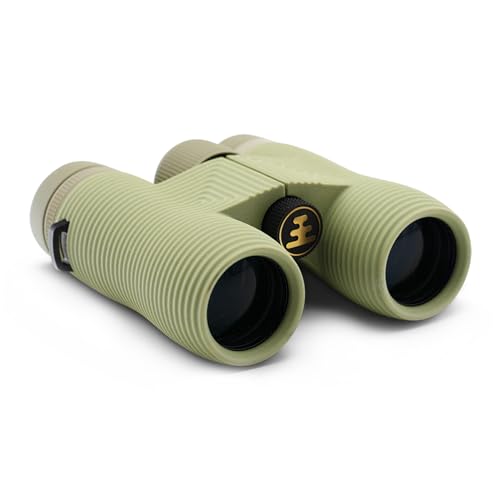
Nocs Provisions Field Issue 10×32 Binoculars

Vortex Triumph HD 10×42 Binoculars

Vortex Diamondback Roof Prism 10×42 Binoculars

Bushnell Trophy XLT 10x42mm Binoculars

Vortex Copperhead HD 10×42 Binoculars

Bushnell Trophy XLT Bundle with Harness

Steiner Marine 7×50 Binoculars

Vortex Crossfire HD 10×42 Binoculars
A Closer Look At Each Pick
Most daytime safari optics stop helping once the sun drops, and that’s exactly when nocturnal drives begin. The VOOPEAK 4K Night Vision Binoculars with WiFi step into that gap with an infrared system that pulls detail from low-light scenes and a WiFi link that pushes the view to a paired phone for shared watching.
Think of these as a hybrid: a binocular and a recording camera rolled into one shell. For travelers chasing bushbabies, genets, or hyena activity on a night drive, the picture-through-your-phone workflow also doubles as a memory card for the trip.
Everyday Wins
- Built-in infrared lets you scan after dusk without an external light source.
- WiFi app streaming means fellow passengers can follow along on a phone screen.
- Photo and video capture turns sightings into shareable clips on long drives.
- Useful beyond safari too, from backyard wildlife to late-evening camp checks.
Honest Caveats
- Heavier than a standard 10×42, so a neck strap gets uncomfortable on long drives.
- Battery life depends heavily on how often you record, so pack a power bank.
Right Fit For
Travelers who prioritize night drives and want to record sightings for the group.
Reach For A Different Pick When
You mainly glass during the day, where the Vortex Diamondback HD 10×42 will give you lighter carry and brighter daylight contrast.
The Vortex Diamondback HD 10×42 has become the default recommendation for first-time safari travelers, and for good reason. The 10x magnification (how many times closer a subject appears) pulls distant subjects in without the handshake wobble of higher power, while the 42mm objective lenses gather enough light for the dim hours around sunrise and sunset when cats tend to move.
Fully multi-coated lenses (multiple anti-reflective coatings on every glass surface) trim the purple fringing you get on cheap glass, so feathers, fur, and bark look closer to their true color. The chassis is sealed against water and nitrogen-purged to resist internal fogging across temperature swings between cold morning drives and hot midday stops.
Standout Benefits
- HD optical system pulls sharp detail at typical safari viewing distances.
- Phase-corrected roof prism keeps the image flat across the field of view.
- Rubber-armored body survives bumps against vehicle doors and seat frames.
- Twist-up eyecups help glass wearers find a comfortable full field.
Points To Keep In Mind
- Not the lightest 10×42 around, so you’ll feel it on a six-hour walking safari.
- Twist-up eyecups can loosen over time, depending on how often you fold them down.
Key Specs
Made For
First-time safari travelers who want a forgiving, sharp optic without stepping into premium pricing.
Consider Something Else When
You hike long distances between sightings, where the Nocs Provisions Field Issue 10×32 keeps the weight down without sacrificing much sharpness.
Walking safaris in places like Zambia’s South Luangwa or Rwanda’s Nyungwe punish heavy gear, and that’s where the Nocs Provisions Field Issue earns its place. The 32mm objective lenses shed weight and bulk compared to a typical 42mm safari binocular, while the 10x power still pulls in useful detail at the ranges animals usually appear.
Fully coated optics (single-layer coatings that improve light transmission) and a Bak4 prism (a high-grade glass prism that delivers sharper edges than cheaper Bk7 glass) keep the picture respectable, and the sealed, fog-proof chassis shrugs off dust and the occasional rain shower. For travelers who’d rather not feel a kilogram around their neck on a four-hour foot trek, this is a thoughtful middle ground.
Practical Pluses
- Around 16.7 oz makes it one of the lighter safari-ready options on the list.
- Compact footprint slips into daypack side pockets without a fight.
- Wide, smooth focus wheel helps you snap from nearby birds to distant game.
- Waterproof and fogproof build handles misty mornings and river-edge walks.
Trade-Offs
- Smaller 32mm objectives gather less light than a 42mm in heavy overcast or dawn.
- Modest eye relief can feel tight for eyeglass wearers at full field.
Who It Suits Best
Walking safari travelers and minimalist packers who prioritize low weight over maximum brightness.
Look Elsewhere When
You mostly ride in vehicles and want every bit of low-light performance, where the Vortex Triumph HD 10×42 pulls noticeably more light.
If the safari budget is already bleeding into flights and lodges, the Vortex Triumph HD 10×42 keeps the optics cost honest without giving up the 10×42 format safari travelers actually want. Multi-coated lenses (anti-reflective coatings on multiple glass surfaces) push enough light through for general daytime game viewing, and the chassis carries an IP-style weather seal against rain and dust.
It isn’t a Diamondback, and most owners will notice slightly softer edge sharpness, but for a once-in-a-lifetime trip the Triumph handles every common safari scenario well. Adjustable eyecups and a diopter (a small adjustment ring that balances focus between your eyes) let you dial in the focus balance once and stop fiddling with it during sightings.
Reasons It Performs
- 10×42 format keeps magnification and light gathering in safari-friendly balance.
- Weather-sealed build shrugs off African rain showers and dust storms.
- Center focus wheel moves smoothly enough for fast subject acquisition.
- Diopter adjustment helps you match focus between left and right eyes.
Softer Spots
- Edge sharpness falls off compared to the Vortex Diamondback HD.
- Low-light performance lags the Diamondback at dawn and dusk.
Best Suited To
Safari travelers who want the 10×42 format at the lowest reasonable spend.
A Better Fit Elsewhere
You plan multiple safaris over the years and want glass that holds up across many trips, where the Vortex Diamondback HD 10×42 is the smarter long-term buy.
The classic Vortex Diamondback Roof Prism 10×42 is the older sibling to the HD version reviewed earlier, and it remains one of the safest buys for safari travelers who want a known quantity. The short-hinge body style leaves more room for your fingers around the bridge, which matters when you’re steadying the optic against a roof rack or a window frame.
Multi-coated lenses deliver bright daytime views and respectable dawn performance, while the rubber-armored shell holds up to the inevitable bumps against seat frames and luggage. For someone packing for their third or fourth safari, this is the pair that has already proved itself.
What Stands Out
- Wide field of view makes scanning for movement across open savanna easier.
- Short-hinge design gives larger hands a comfortable grip.
- Long-standing reputation means plenty of real-world feedback to learn from.
- Weather sealing keeps dust and light rain out of the optics.
Potential Drawbacks
- Older optical design falls behind the Diamondback HD in edge sharpness.
- Slightly bulkier than newer 10×42 roof prism designs.
Feature Snapshot
Whose Shelf It Belongs On
Multi-trip safari travelers who want a known, time-tested 10×42 platform.
Swap It Out When
You want the sharper modern glass and don’t mind paying slightly more, in which case the Vortex Copperhead HD 10×42 covers similar ground with upgraded optics.
The Bushnell Trophy XLT 10x42mm leans into the birding heritage of the Trophy line while staying fully capable for safari duty. The standout spec is the 6.2-degree angle of view (the width of scene you see at a set distance), which translates to one of the wider fields on this list and helps you track a flock of lilac-breasted rollers as they weave through acacia branches.
Fully multi-coated optics and a waterproof, fog-proof chassis handle early-morning drives when temperatures swing fast between cold vehicle cabins and warm bush air. For travelers splitting their attention between birds and big game, the Trophy XLT strikes a useful balance.
The Upside
- Wide 6.2-degree field helps you follow moving subjects without constant reframing.
- Multi-coated lenses stay bright through most of the daylight hours.
- Rubber armor protects against the typical safari knocks and drops.
- Comfortable eye relief (the distance your eye sits from the lens) supports glasses wearers.
A Few Limitations
- Low-light performance falls behind the Vortex HD lineup.
- Heavier than compact 10×32 options like the Nocs Provisions Field Issue.
Who Will Love This
Travelers who mix birding with big game viewing and want a wide field of view.
Skip It When
Your priority is sharp edge-to-edge detail for identification, where the Vortex Diamondback HD 10×42 pulls ahead.
Sitting between the Diamondback HD and the Triumph HD in Vortex’s safari-friendly lineup, the Copperhead HD 10×42 quietly handles wet-season travel where afternoon storms are part of the daily forecast. The HD optical system pushes color fidelity and edge sharpness past the Triumph while staying within reach for travelers who don’t want to step all the way up to flagship pricing.
Waterproof and fog-proof construction keeps the internals dry through river crossings and dust channels, and adjustable eyecups make full-field viewing possible for glasses wearers. For wet-season safaris in the Serengeti or the Okavango, the sealed build matters more than marketing sheets admit.
Positive Points
- HD optics beat the Vortex Triumph HD on edge sharpness and color accuracy.
- Fully sealed chassis handles heavy rain and humid environments.
- Adjustable eyecups and diopter give a tailored fit for most users.
- Sits comfortably below Diamondback HD pricing while still delivering HD glass.
Worth Noting
- Build quality falls a step below the Diamondback HD in long-term durability.
- Not as compact as the Nocs Provisions Field Issue for walking safaris.
Perfect Match For
Wet-season travelers who want sharper optics than the entry-level Vortex without flagship pricing.
Where Another Pick Suits Better
You mostly ride in open vehicles on dry-season drives, where the Vortex Triumph HD saves weight on cost for similar daylight performance.
Hours in a Land Cruiser seat add up, and a binocular hanging from your neck the whole time ends up feeling much heavier than the spec sheet suggests. The Bushnell Trophy XLT Bone Collector Bundle tackles that problem head-on by pairing the Trophy XLT 10×42 with a deluxe binocular harness that redistributes the weight across your shoulders and keeps the optic ready at chest height.
Fast-focus center wheel, 15.2mm eye relief, and around 25 ounces of total optic weight keep the core specs in safari-friendly territory. For travelers spending six or more hours a day on drives, the harness alone is often worth the bundle premium.
Useful Touches
- Included harness cuts neck fatigue across long drive days.
- Fast-focus wheel snaps onto moving subjects with minimal fiddling.
- 15.2mm eye relief is friendly to glasses wearers.
- Fully multi-coated lenses deliver bright daylight images.
Honest Caveats
- Adds harness bulk if you prefer a low-profile daypack setup.
- Optical performance matches the standard Trophy XLT rather than HD-line glass.
Who Should Grab It
Multi-day vehicle safari travelers who want the harness convenience built into the purchase.
Not Your Match When
You mostly walk and want a slimmer carry profile, where the Nocs Provisions Field Issue sits more comfortably on a chest strap.
The Steiner Marine 7×50 looks out of place in a safari roundup until you remember how much of safari travel happens near water, from Zambezi boat trips to Botswana’s mokoro channels and Kenya’s lake crossings. The 7×50 format gives up some magnification for significantly more light gathering, which matters when the sun is dropping behind a riverbank.
Steiner’s floating prism system uses flexible silicone mounts that absorb impact shock, and the rugged build shrugs off the kind of drop a careless grip on a rocking boat might cause. For travelers planning a water-heavy safari, the marine pedigree is a genuine advantage rather than marketing window dressing.
A Few Highlights
- 7x magnification is steadier than 10x on rocking boats and moving vehicles.
- 50mm objectives pull in strong light for sunset river crossings.
- Floating prism system cushions internal optics from drops and jolts.
- Sports auto-focus keeps the image sharp from 20 yards to infinity without adjustment.
Possible Compromises
- Heavier than typical 10×42 safari optics at this size.
- Lower magnification means you’ll want them for closer and wider subjects, not distant game.
Built With In Mind
Water-heavy safari itineraries including river cruises, mokoro trips, and lake crossings.
Reach For A Different Pick When
You spend most drives on dry land searching for distant lions, where the 10x magnification of the Vortex Diamondback HD is the better fit.
The Vortex Crossfire HD 10×42 rounds out the list with a thoughtful bundle: HD glass in a familiar 10×42 chassis, paired with a GlassPak harness for quicker deployment in the field. It’s the kind of package that suits group travel, where two or three people might pass the same optic between sightings and want it ready without fumbling with a strap.
Fully multi-coated lenses and a sealed body hold their own against the Diamondback HD at slightly lower cost, though most reviewers notice a small step down in color fidelity at the edges of the field. For families or friends sharing safari kit, the included harness keeps the optic centered and accessible.
What Helps Most
- Included GlassPak harness keeps the binocular ready at chest height.
- HD optical system beats entry-level 10×42 glass on edge sharpness.
- Waterproof and fog-proof build handles river spray and rain.
- Comfortable eye relief supports glasses wearers during long drives.
Where It Is Less Suited
- Color fidelity trails the Vortex Diamondback HD on bright subjects.
- GlassPak harness adds bulk if you prefer low-profile carry.
Feature Snapshot
The Right Fit
Group travelers and families who want a shared binocular with a ready-to-use harness.
Look Elsewhere When
You’re a solo traveler who wants the sharpest image in the Vortex lineup, where the Diamondback HD 10×42 remains the top pick.
Picking Safari Binoculars That Actually Earn Their Place
Safari optics live or die on a handful of attributes. Magnification (the first number, like 10x in 10×42) controls how close subjects appear, and 8x to 10x is the sweet spot for handheld use. Higher magnification sounds tempting until your heartbeat and vehicle vibration turn the image into a wobble. Objective lens diameter (the second number) drives how much light reaches your eyes, with 42mm as the safari standard because it balances brightness against weight.
Lens coatings matter more than most spec sheets imply. Fully multi-coated glass (multiple anti-reflective layers on every air-to-glass surface) sends far more light to your eye than uncoated optics, which directly improves low-light color and contrast at dawn and dusk. Roof prism designs (a compact internal prism arrangement) keep the chassis slim, while Bak4 prisms (a high-density glass prism) outperform cheaper Bk7 glass at the edges of the field. Weather sealing protects against the dust, humidity, and sudden storms you’ll encounter, and nitrogen purging (filling the optic with inert gas to prevent internal condensation) prevents internal fogging across temperature swings.
Your carry profile shapes the rest of the decision. Walking safaris reward lighter 10×32 builds like the Nocs Provisions Field Issue. Long vehicle days favor a harness setup like the Bushnell Trophy XLT Bundle or the Vortex Crossfire HD. Water-heavy trips point toward a rugged 7×50 like the Steiner Marine. Within that framework, the Vortex lineup covers most safari profiles without overcomplicating the choice.
Key Considerations Across These Picks
Where Shoppers Go Wrong
The most common safari binocular mistake is chasing magnification past 10x without considering how steady your hands will be. A 12x or 15x optic turns small vibrations into a shaky mess, especially in a moving vehicle. A second common slip is buying a sealed, “waterproof” optic and skipping a quick check of the rubber seals and O-rings before departure, since a dried or cracked seal can let dust and moisture in mid-trip. Finally, travelers sometimes fixate on brand reputation and overlook a poor fit: if the eyecups don’t hold position for your glasses, or the bridge is too narrow for your hands, the best optics in the world won’t help.
What Separates Premium From Basic
The jump from budget to premium safari binoculars tends to show up in three places. First, optical quality, where premium glass delivers sharper edge-to-edge detail, truer color, and better low-light performance around dawn and dusk. Second, build quality, where premium chassis use better rubber armor, smoother focus wheels, and longer-lasting hinge mechanisms. Third, ergonomic refinement, where premium models offer better eye relief, smoother diopter adjustment, and a more balanced feel in the hand. For most safari travelers on a real-world budget, the mid-tier HD options in the Vortex and Bushnell lineups hit the practical sweet spot between cost and performance.
Frequently Asked Questions
What magnification is best for safari binoculars?
A 10x magnification is the most popular choice because it brings distant game in close while staying steady enough for handheld use. 8x is steadier still and works well for first-time safari travelers who prioritize stability over reach. Anything above 10x tends to wobble too much in a moving vehicle.
Are 10×42 binoculars good for safari?
Yes, 10×42 is the standard safari format. The 10x magnification reaches out to typical game distances, and the 42mm objective lenses gather enough light for dawn and dusk viewing while keeping the chassis light enough to carry on long drives. Most safari guides use something close to a 10×42 themselves.
Do I need waterproof binoculars for safari?
Waterproof and fog-proof construction is strongly recommended for any safari trip. Dust, sudden rainstorms, river spray, and temperature swings between cold morning vehicles and warm bush air all stress unsealed optics. A sealed chassis protects the internal glass and prevents fogging when conditions change.
What’s a good budget binocular for safari?
A good budget safari binocular delivers a 10×42 configuration, fully multi-coated lenses, and weather sealing without crossing into premium pricing. The Vortex Triumph HD 10×42 is a strong example, and the Vortex Diamondback HD 10×42 sits a step up in optical quality for travelers with a little more to spend.
Can I use night vision binoculars on safari?
Night vision binoculars like the VOOPEAK 4K Night Vision model work for after-dark game drives and nocturnal wildlife spotting. For daytime viewing, a standard 10×42 still delivers sharper detail and truer color. Many safari travelers bring a daytime binocular for the bulk of viewing and a night vision unit only if they have a planned night drive.
The Takeaway
Choosing the right safari binocular comes down to matching your itinerary and habits to the right format and build. Walking travelers benefit from a compact 10×32, while vehicle-heavy trips reward a 10×42 with a harness. Water-heavy itineraries point toward a rugged 7×50 like the Steiner Marine, and night drive enthusiasts may want to add a dedicated night vision unit alongside their daytime optic. Pick the pair that fits your actual trip, and the rest of the safari will look a lot clearer.