Switching from a smartphone to a dedicated camera changes how you see the world, but sticker shock can stop you cold. You want a body that handles low light, focus that tracks moving subjects, and enough resolution to crop later, all without emptying your savings. This guide rounds up ten affordable DSLR and SLR-style bodies that cover portraits, travel, video, and weekend wildlife, so you can match a real camera to the kind of photos you actually want to take.
The Lineup, Simplified

Canon EOS 6D DSLR Camera Body (20.1 MP)
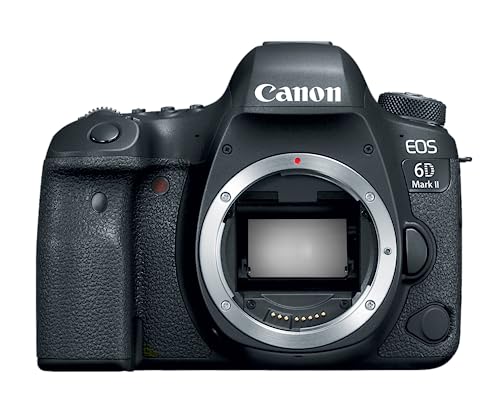
Canon EOS 6D Mark II DSLR Camera Body

Canon EOS 90D DSLR Camera Body

Canon EOS Rebel SL2 DSLR Camera Kit

Nikon D5600 DSLR Dual Lens Kit

Canon EOS Rebel T7i DSLR Camera Body

Nikon D7500 DSLR with 18-140mm Lens

Canon EOS Rebel SL3 DSLR Camera Kit

Canon EOS M50 Mark II Mirrorless Kit

Canon EOS Rebel SL3 DSLR Camera Kit
A Deeper Look At The Lineup
The original Canon EOS 6D earns its spot on a budget roundup because full-frame image quality is usually locked behind much higher prices. The 20.1-megapixel CMOS sensor captures noticeably wider dynamic range than APS-C bodies in this lineup, which matters when you shoot golden-hour portraits or dim wedding receptions. Built-in Wi-Fi lets you push JPEGs to your phone for quick social sharing, a feature that came from a generation when tethering was the norm.
You also get a robust magnesium-alloy body that handles a long hike better than the plastic-bodied Rebels. The 3.0-inch LCD is fixed rather than tilting, so vloggers should look at the SL3 instead. For travel photographers and landscape shooters stepping up from a smartphone, this is the body that finally unlocks shallow depth-of-field and clean high-ISO files.
Advantages To Know
- Full-frame sensor delivers cleaner shadows and richer tonal range than crop-sensor bodies above it.
- 11-point AF system with a center cross-type point locks onto stationary subjects reliably in low light.
- ISO range up to 25600 expandable to 102400 helps indoor and nighttime shooting without flash.
- Lightweight full-frame build at roughly 770 grams makes it manageable on long travel days.
- Wi-Fi support allows wireless transfer to phones and tablets for fast sharing.
Honest Caveats
- Fixed rear LCD lacks the vari-angle flexibility seen on the SL3 and T7i.
- Video features are limited compared to newer hybrid bodies.
- No on-sensor phase-detection AF, so live-view focusing feels slower than the 90D.
Best Suited To
Portrait and landscape shooters stepping up from entry-level Rebels who want full-frame image quality without flagship pricing.
Consider Something Else When
You mostly shoot video or vlog-style content, where the Canon EOS 6D Mark II or EOS 90D deliver stronger live-view autofocus and tilting screens.
Compared to the original 6D, this Mark II brings a sharper 26.2-megapixel sensor and a 45-point all cross-type autofocus system that tracks moving subjects more confidently. The 3.2-inch vari-angle touchscreen flips out for low-angle street shots and self-recording, which closes a long-standing gap between full-frame DSLRs and live-view shooting.
Dual Pixel CMOS AF, Canon’s phase-detection on-sensor autofocus, makes pulling focus during video smoother than the older contrast-only system. Built-in Bluetooth and Wi-Fi keep you connected without dongles. Hybrid shooters who split time between stills and casual video will feel right at home here, especially anyone upgrading from the Rebel T7i below.
Features That Help
- 45-point all cross-type AF viewfinder tracks moving subjects better than the original 6D.
- Vari-angle touchscreen improves usability for video, vlogging, and creative angles.
- Dual Pixel CMOS AF delivers smooth, confident focusing during live view and recording.
- Higher 26.2 MP resolution gives more cropping room for wildlife and distant subjects.
Points To Note
- 4K video is absent, capping serious filmmakers at 1080p.
- Body weight creeps up versus the original 6D, so smaller hands may feel fatigue on long days.
Key Specs
Who It Suits Best
Hybrid stills-and-video shooters wanting full-frame image quality with modern autofocus and a tilting screen.
Skip It When
You need true 4K recording, in which case the Nikon D7500 or EOS 90D handle motion capture more cleanly.
Where the Rebels feel gentle and forgiving, the EOS 90D feels like a grown-up tool. The 32.5-megapixel APS-C sensor gives you noticeably more cropping room than the SL2 or T7i, which is helpful for wildlife and field sports where you can’t always get close to your subject. You also get 4K video at 30 fps, a meaningful upgrade over the 1080p ceiling on older Canon bodies.
Continuous shooting up to 10 frames per second through the optical viewfinder keeps fast-moving subjects sharp, and Dual Pixel CMOS AF in live view stays reliable for video. The DIGIC 8 processor handles noise well at higher ISOs. Compared to the 6D Mark II above, this body trades full-frame depth for resolution, speed, and 4K, a worthwhile swap for action shooters.
What Makes Sense
- 32.5 MP APS-C resolution supports heavy cropping for distant wildlife or sports.
- 10 fps burst rate captures action sequences without missing the peak moment.
- 4K 30p video expands creative options beyond 1080p limits.
- Built-in Wi-Fi and Bluetooth simplify phone transfers and remote control.
Trade Offs
- Crop sensor means shallower depth-of-field ceilings versus the 6D bodies.
- 4K video applies a further crop, narrowing your wide-angle options.
The Right Fit
Action, sports, and wildlife enthusiasts who want serious resolution and burst speed in a mid-priced DSLR body.
Look Elsewhere When
Low-light portraiture is the priority, in which case the Canon EOS 6D’s full-frame sensor handles shadow noise more elegantly.
The Rebel SL2 is the friendliest entry point on this list. Canon paired a 24.2-megapixel APS-C sensor with a guided menu system that explains each mode, which is rare in this price tier. The vari-angle touch LCD flips out for overhead or low-angle framing, and the EF-S 18-55mm STM kit lens handles the everyday zoom range without pushing the budget.
Wi-Fi, NFC, and Bluetooth all ship in the body, so phone transfers work from day one. Dual Pixel CMOS AF gives live-view focusing a smooth, video-friendly feel. For first-time DSLR owners stepping up from a smartphone, this kit covers the learning curve without overwhelming menus, and the included lens gets you out shooting immediately.
What Works In Its Favor
- Compact, lightweight body fits smaller hands and travel bags comfortably.
- Vari-angle touch screen supports creative angles and simple self-recording.
- Built-in Wi-Fi, NFC, and Bluetooth make phone pairing painless.
A Few Limitations
- 1080p video only, no 4K option for future-proofing.
- Plastic body construction feels less rugged than magnesium-alloy alternatives.
Made For
First-time DSLR owners, casual family photographers, and travelers who want a simple, light body with an included lens.
Reach For A Different Pick When
You want longer reach out of the box, where the Nikon D5600 dual-lens kit bundles a 70-300mm telephoto alongside the standard zoom.
Nikon bundles two lenses with the D5600, and that alone changes the value math. You get the 18-55mm VR walkaround zoom plus a 70-300mm telephoto for distant subjects, all without separate purchases. The 24.2-megapixel DX sensor produces files that crop well, and the EXPEED 4 processor keeps image quality consistent at moderate ISO.
The 3.2-inch vari-angle touchscreen tilts for video or creative angles, and SnapBridge, Nikon’s always-on Bluetooth link, automatically pushes smaller JPEGs to your phone as you shoot. Full HD video runs up to 60 fps for smoother motion capture. Compared to the Canon SL2, this kit trades a single-lens setup for genuine telephoto reach, which is huge for sports, wildlife, and travel.
The Case For It
- Dual-lens kit covers wide-angle through telephoto right out of the box.
- Vari-angle touchscreen aids video, vlogging, and low-angle framing.
- Full HD at 60 fps supports smoother motion playback.
- SnapBridge keeps images flowing to your phone automatically.
Potential Compromises
- No 4K video at this price tier from Nikon.
- Plastic body and lighter build feel less rugged than metal-bodied options.
Feature Snapshot
Perfect Match For
Travelers, casual wildlife shooters, and anyone wanting a wide-to-telephoto range without buying extra lenses separately.
Not Your Match When
4K video matters more than lens range, in which case the Canon EOS 90D brings real 4K capture to the DSLR format.
The Rebel T7i sits in a sweet spot between entry-level and serious enthusiast cameras. The 24.2-megapixel APS-C sensor captures clean JPEGs at moderate ISO, and the 45-point all cross-type autofocus covers a wide area of the frame. That AF system makes a real difference when tracking kids, pets, or unpredictable subjects at family gatherings.
Dual Pixel CMOS AF in live view gives smooth, cinematic focus pulls for casual video. Built-in Wi-Fi, NFC, and Bluetooth handle pairing across iOS and Android without fuss. Body weight around 532 grams with battery and card keeps it manageable. The EOS Utility Webcam Beta Software also turns this camera into a high-quality webcam for video calls and live streaming, a useful bonus for remote workers.
Practical Pluses
- 45-point all cross-type AF tracks moving subjects through the viewfinder confidently.
- Dual Pixel CMOS AF smooths live-view focusing for video work.
- Webcam compatibility via EOS Utility adds live-stream versatility.
Where It May Fall Short
- 1080p video is the ceiling, no 4K capture for future projects.
- Continuous burst tops out around 6 fps, slower than the EOS 90D for fast action.
Who Will Love This
Family photographers, content creators running live streams, and anyone wanting reliable subject tracking in a forgiving Rebel body.
A Better Fit Elsewhere
Outdoor action shooters chasing fast wildlife should consider the Nikon D7500, which pairs a deeper buffer with weather-sealed construction.
The D7500 borrows the heart of Nikon’s flagship D500 in a friendlier package. The 20.9-megapixel DX sensor delivers image quality comparable to Nikon’s professional DX line, and the 51-point AF system with 15 cross-type sensors tracks erratic subjects better than entry-level Rebels. You also get 4K UHD video, a rarity in Nikon mid-range bodies.
The included AF-S DX NIKKOR 18-140mm VR lens covers wide-angle through short telephoto, which suits travel, portraits, and casual wildlife in one zoom. The 3.2-inch tilting touchscreen handles overhead and waist-level framing cleanly. Continuous shooting up to 8 fps captures action sequences, and weather sealing helps in light rain. For enthusiasts stepping up from a beginner DSLR, this is a confident all-rounder.
Everyday Wins
- 51-point AF with 15 cross-type sensors handles moving subjects reliably.
- 4K UHD video recording broadens creative use beyond stills.
- 8 fps continuous shooting covers sports and active kids.
- Versatile 18-140mm VR zoom lens handles most everyday situations.
Small Caveats
- Single SD card slot limits instant backup during critical shoots.
- Body weight around 640 grams may feel heavy on long hikes for smaller users.
Right Fit For
Enthusiast photographers wanting flagship-grade autofocus and 4K video in a single mid-range DSLR package.
Swap It Out When
Compact portability matters more than pro-grade AF, in which case the Canon EOS Rebel SL3 offers a noticeably smaller, lighter body.
Canon calls the SL3 the smallest and lightest EOS DSLR, and the difference is real in a backpack or camera sling. The 24.1-megapixel APS-C sensor produces crisp files, and 4K video recording puts it ahead of older Rebels. The vari-angle touchscreen flips around for selfies and self-recording, which vlogers appreciate.
Dual Pixel CMOS AF with eye detection locks focus on faces, a small but meaningful upgrade over the SL2. The EF-S 18-55mm kit lens covers everyday shooting, and the bayonet mount accepts Canon’s full EF and EF-S lens lineup. Compared to the larger Rebel T7i, this body sheds size and weight without sacrificing the guided menu system that helps new owners learn.
Practical Advantages
- Compact, lightweight build is ideal for travel and daily carry.
- 4K video and eye-detection AF improve content creation.
- Vari-angle touchscreen supports vlogging and creative angles.
- Compatible with the full Canon EF and EF-S lens lineup.
Things To Consider
- Smaller grip may feel cramped for users with larger hands.
- 4K video uses a crop, narrowing wide-angle framing.
Whose Shelf It Belongs On
Travelers, vlogers, and beginners who want a genuinely compact DSLR body that still records 4K video.
A Sibling Pick Shines
Step up to the Canon EOS M50 Mark II if you want mirrorless-style compactness with a similar sensor, depending on which ecosystem fits your lens plans.
The EOS M50 Mark II stretches the definition of a budget DSLR because it’s mirrorless, but it lands on this list because the spirit, sensor size, and price tier fit the same audience. The 24.1-megapixel APS-C sensor is paired with Canon’s DIGIC 8 processor, which handles 4K UHD at 24p and slow-motion HD at 120p for smooth action playback.
Improved autofocus for vlogging and live streaming makes this body a creator favorite. The included EF-M 15-45mm STM lens keeps the kit compact, and the vari-angle screen flips for self-recording. For shoppers who value portability and modern video features over the DSLR mirror-box experience, this is the camera that bridges both worlds.
What Stands Out
- Improved autofocus performance for live streaming and vlogging.
- 4K UHD plus 120 fps slow-motion HD capture.
- Compact mirrorless body fits easily in small bags.
- Vari-angle screen supports self-recording and creative angles.
Potential Drawbacks
- EF-M lens lineup is smaller than Canon EF and EF-S mounts.
- 4K video applies a crop factor, narrowing wide-angle framing.
Built With In Mind
Vloggers, streamers, and content creators who want compact gear with modern video features and clean autofocus.
Where Another Pick Suits Better
Traditional photographers wanting the optical viewfinder experience should pick the Canon EOS Rebel SL3 instead, which keeps the classic DSLR feel.
This white-finish SL3 mirrors the black version above with the same core specs, just in a color that suits minimalist shelves and small spaces. You get the 24.1-megapixel APS-C sensor, Dual Pixel CMOS AF with eye detection, and 4K video recording in the smallest, lightest EOS DSLR Canon currently ships.
The 18-55mm STM kit lens covers everyday shooting, and the vari-angle touchscreen makes self-recording easy. For style-conscious shooters who want a body that visually complements a clean desk or studio setup, this kit delivers the same imaging performance as the black sibling. It pairs particularly well with compact primes for everyday carry around town.
A Favorable Mix
- Compact, lightweight body in a clean white finish.
- Eye-detection AF and 4K video at the same price as the black version.
- Vari-angle touchscreen simplifies self-recording.
Smaller Limitations
- White finish shows wear and grime faster than darker bodies.
- Same 4K crop factor as the black SL3.
Who Should Grab It
Style-minded casual photographers who want the SL3’s compact performance in a body that stands out from standard black DSLRs.
Consider Something Else When
You handle the camera frequently outdoors or in dusty environments, where the black-finish EOS Rebel SL3 hides wear more effectively.
Choosing A Body That Actually Fits Your Shooting
Pick a camera by how you shoot, not by the longest feature list. Full-frame bodies like the Canon EOS 6D Mark II reward low-light portraits and shallow depth-of-field, while APS-C bodies like the EOS 90D and Nikon D7500 give you extra reach and faster burst rates for sports and wildlife. Sensor size, the physical area that captures light, affects image quality, depth control, and how much zoom your lenses deliver.
For learning the basics, a guided Rebel like the SL3 or T7i makes menus easier and reduces early frustration. Travelers should weigh lens bundles like the Nikon D5600 dual-lens kit, where a 70-300mm telephoto saves buying a second lens later. Match the body to the lens system you want to grow into, since lenses outlast camera bodies.
Finally, think about video. 1080p still looks fine for casual clips, but 4K capture on the EOS 90D, D7500, and SL3 future-proofs projects as screens and editing tools improve. The compact M50 Mark II bridges both worlds for vloggers who shoot mostly live content.
Things Worth Weighing Before You Buy
Common Shopping Slip Ups
Choosing by megapixel count alone leaves a lot on the table. A 24 MP body with strong autofocus and clean high-ISO files outperforms a higher-resolution camera with a weaker AF system for everyday shooting. Lenses matter more than body upgrades once you cross the entry threshold, so leave room in the budget for a quality optic.
When Paying More Pays Off
Higher-tier bodies like the EOS 6D Mark II and D7500 cost more because they bring full-frame sensors, weather sealing, and deeper buffers for sustained bursts. The upgrade is worth it for low-light interiors, professional event work, or any shoot where missed focus costs you the moment. For casual daylight photography, the lower-priced Rebels deliver plenty.
Frequently Asked Questions
Are DSLR cameras still worth buying in 2026?
Yes, especially at lower prices where mature DSLRs offer proven autofocus, optical viewfinders, and broad lens compatibility. Mirrorless systems are catching up, but a used or current DSLR delivers strong image quality for less money.
What does APS-C versus full-frame mean for everyday photos?
APS-C sensors crop the image slightly, giving extra telephoto reach for sports and wildlife. Full-frame sensors capture more light and offer cleaner low-light files plus shallower depth-of-field for portraits.
Can budget DSLRs shoot good 4K video?
Several can. The Canon EOS 90D, Nikon D7500, and EOS Rebel SL3 all record 4K. Older or cheaper bodies like the Rebel T7i top out at 1080p, so verify the resolution before buying.
Do I need to buy extra lenses right away?
Not immediately. Most kits include an 18-55mm zoom that covers wide-angle through short telephoto for everyday shooting. A telephoto zoom like the 70-300mm makes sense as a second purchase for sports, wildlife, or travel distance.
How important is in-body image stabilization?
It helps, but many affordable DSLR lenses include optical stabilization built into the lens itself. Check the lens specs for VR or IS markings before assuming the body handles stabilization.
The Takeaway
The right camera is the one you’ll actually carry and shoot with, not the one with the longest spec sheet. Match body and lens to the subjects you chase, lean toward 4K if you want your footage to age well, and remember that practice and light matter more than gear. Pick the camera that feels right in your hands, and start shooting.