Shooting on 35mm still has a pulse, and choosing the right film stock shapes every frame you bring home. Whether you’re loading a vintage SLR for street work, a point-and-shoot for a weekend trip, or a Pentax K1000 for a portrait session, the stock you pick sets the color palette, grain character, and exposure latitude you’ll wrestle with in the darkroom or the scan booth. This roundup focuses on film stocks designed for 35mm cameras, covering color negatives, slide-style E-6 alternatives, professional portrait emulsions, and classic black-and-white options that still earn their spot in a camera bag.
How The Shortlist Stacks Up

4X Kodak UltraMax 400 35mm 36 Exposures

Ilford HP5 Plus B&W Film 35mm ISO 400 2-Pack

Kodak Portra 160 Color Film 35mm (ISO 160)
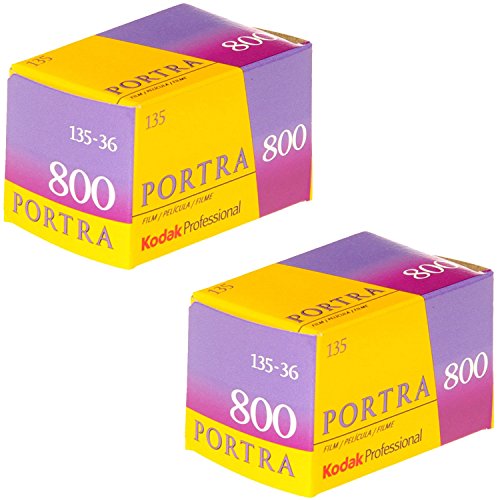
Kodak Portra 800 35mm 36 Exposures (Pack of 2)

Kodak Gold 200 35mm 3-Roll Bundle

Kodak Ultramax 400 & Gold 200 6-Roll Bundle

Ilford HP5 Plus 400 6-Roll B&W 35mm Film

Kodak Ektar 100 35mm (Pack of 3)

Kodak Ektar 100 Professional 35mm (Pack of 2)
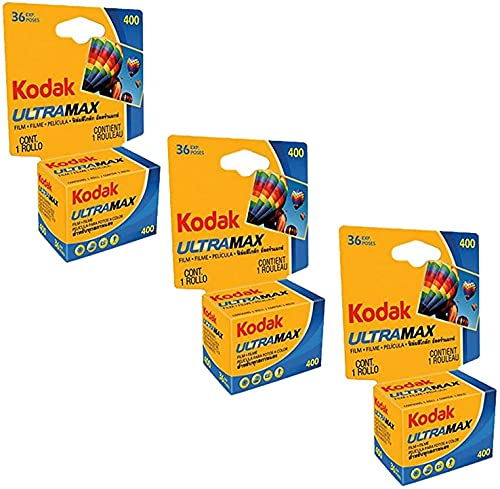
Kodak Ultramax 400 35mm 108 Exposures (Pack of 3)
Kodak UltraMax 400 is the kind of film you can leave loaded in just about any 35mm body and forget about the lighting. Rated at ISO 400, it handles bright noon sun with a small aperture and still pulls usable frames in shaded doorways without forcing a tripod. Four rolls in a single pack stretch a weekend trip or a month of casual shooting without a mid-vacation restock.
Color rendition skews warm and forgiving, which makes it approachable for anyone moving from digital to analog. Skin tones stay pleasant without heavy correction, and the grain structure stays tight enough for clean 8×10 prints. Anyone restarting a film habit after years away will appreciate how rarely you second-guess the exposure dial.
Positive Points
- ISO 400 speed gives genuine flexibility from sunlit streets to indoor shots without flash.
- Four-roll format keeps a camera bag stocked for extended trips or long projects.
- C-41 processing means any local lab handles it cheaply and quickly.
- Forgiving latitude rescues slightly off exposures in scanning.
Things To Consider
- Not as color-saturated as Kodak Gold 200 in bright daylight scenes.
- Grain becomes more visible when pushed during development at higher ISOs.
- Bulk format needs cool, dry storage to keep latent rolls stable over months.
Built With In Mind
Travelers and casual shooters who want one film that adapts to unpredictable lighting without swapping rolls mid-day.
Swap It Out When
Shooters chasing punchier daylight color and warmer tones will prefer the Kodak Gold 200 35mm 3-Roll Bundle.
Ilford HP5 Plus has earned its reputation as the most forgiving black-and-white film still in production. Nominally ISO 400, it can be rated anywhere from 200 in bright conditions up to 3200 for dim interiors and still produce printable negatives. The medium contrast curve flatters a wide range of subjects without aggressive filtration.
Fine grain and high sharpness hold up under enlargement, so 8×10 and even 11×14 prints from 35mm stay detailed enough for portrait and street work. Two rolls per pack give you enough frames to commit to a project without overcommitting budget. Anyone starting a darkroom practice finds HP5 tolerant of timing inconsistencies during development.
Real-World Strengths
- Push-processable up to EI 3200 for low-light handheld shooting.
- Sharp, fine grain that survives large darkroom enlargements.
- Two-roll pack balances cost with enough frames for a short trip.
- Responds well to most standard B&W developers.
Trade Offs
- Tonal contrast is gentler than Kodak Tri-X, so shadow detail can flatten in flat light.
- Requires B&W chemistry, unlike the C-41 color stocks above.
- Two rolls only, so larger projects need multiple packs.
Best Suited To
Documentary, street, and available-light photographers who want a monochrome film that forgives meter mistakes.
Consider Something Else When
Color shooters needing a fast portrait stock should look at the Kodak Portra 800 35mm 36 Exposures (Pack of 2).
Kodak Portra 160 is the gold standard for color portraiture on 35mm. The ISO 160 rating asks for reasonable light, but rewards you with exceptionally fine grain and smooth tonal gradation. Skin tones look natural across a range of complexions without the magenta shifts that plagued earlier film generations.
Advanced color reproduction captures the subtle warmth of window light and the cool cast of open shade without harsh crossover. The film’s smooth tonal scale and optimized sharpness translate well to high-resolution scans and large prints. Wedding, family, and editorial portrait photographers trust Portra 160 as their default medium-speed stock.
Good Reasons To Consider
- Exceptionally fine grain creates clean enlargements from 35mm.
- True-to-life skin tones for natural portrait color.
- Wide exposure latitude rescues moderate under- and overexposure.
- Designed for excellent archival stability in long-term storage.
Points To Note
- ISO 160 demands brighter conditions or slower shutter speeds than UltraMax 400.
- Higher cost per roll than consumer-grade Gold or UltraMax.
- Single-roll format limits long shoots without stacking multiple purchases.
Made For
Studio, wedding, and natural-light portrait photographers who prioritize color accuracy and skin-tone rendering over speed.
Look Elsewhere When
Shooters working in dim venues or handheld indoor scenes should pick the Kodak Portra 800 35mm 36 Exposures (Pack of 2).
Portra 800 takes the Portra color science and pushes it into the fast-film category for photographers who refuse to use flash. Rated at ISO 800, it captures even the background nuances in dim interiors where slower stocks would force blur. The grain structure stays surprisingly refined for a film at this speed.
Long lenses and high-action subjects benefit from the shutter speeds this stock unlocks without forcing push-processing. You can rate it at 1600 in a pinch for extra speed, though grain will read more clearly. The two-roll pack suits event and concert photographers who shoot one or two high-stakes sessions per month.
Advantages To Know
- ISO 800 speed handles available-light concerts and indoor events handheld.
- Fineness of grain exceeds other fast color stocks in the same class.
- Push to 1600 when conditions demand extra speed.
- Same color science as Portra 160 for consistent skin tones across a portfolio.
Honest Caveats
- Grain becomes more visible than Portra 160, especially when pushed.
- Premium pricing per roll compared to UltraMax 400.
- Two-roll pack needs fridge storage in warm climates to keep it fresh.
Whose Shelf It Belongs On
Concert, nightlife, and indoor event shooters who need professional color at high ISO without flash.
Not Your Match When
Travelers working mostly in bright daylight will get cleaner results from the Kodak Ektar 100 35mm (Pack of 3).
Kodak Gold 200 has earned its cult following through decades of warm, saturated color at an approachable ISO. Three rolls at 36 exposures each give a solid run of frames for an outdoor project, paired with a microfiber cloth to keep your lens and camera body clean between rolls.
Enhanced color reproduction handles vibrant yellows, greens, and reds with particular warmth, which suits foliage, sunsets, and summer scenes beautifully. The 200 ISO rating asks for decent light, so bright overcast and sunny days are its sweet spot. Compatibility with any 35mm body keeps the workflow simple for both classic and modern cameras.
What Helps Most
- Warm, saturated palette that flatters summer and golden-hour scenes.
- Three-roll bundle stretches value across a short trip or project.
- Microfiber cloth included for routine lens cleaning on the go.
- C-41 process keeps lab costs low and turnaround fast.
Small Caveats
- 200 ISO demands brighter conditions than UltraMax 400.
- Color cast skews warm, which some shooters find unflattering for portraits.
- Bundle pricing can run higher per roll than single-pack options.
Right Fit For
Outdoor and lifestyle photographers shooting in consistent daylight who want rich, warm color without premium-stock pricing.
A Better Fit Elsewhere
Low-light shooters who need flexibility across mixed lighting will find more range in the 4X Kodak UltraMax 400 35mm 36 Exposures.
Pairing UltraMax 400 and Gold 200 in one kit gives you the two most popular consumer color stocks side by side. Ultramax handles unpredictable lighting and indoor scenes; Gold brings the warm punch to bright outdoor days. Six rolls total, plus a cleaning cloth, makes this a sensible first kit for someone testing which palette suits their style.
The combination teaches you how ISO and brand family affect color without forcing a large commitment to either. Shooting the same subject on both stocks side by side builds an instinct for matching film to lighting that no spec sheet can teach. Anyone loading their first roll in years will appreciate having variety on hand.
Everyday Perks
- Two distinct stocks let you match film to lighting without restocking mid-project.
- Bulk six-roll format lowers per-roll cost versus buying singles.
- Microfiber cloth supports routine lens and body cleaning.
- Both stocks process as standard C-41 for cheap, fast lab turnaround.
A Few Limitations
- Neither stock matches Portra for professional skin-tone rendering.
- Bundle weight and packaging can be bulky for minimalist packing.
- Mixing stocks means more rolls to track in your shooting log.
Who Should Grab It
First-time film shooters and anyone restarting analog who wants to test two popular stocks before committing to a single brand.
Reach For A Different Pick When
Photographers committed to professional portrait work will be better served by Kodak Portra 160 Color Film 35mm (ISO 160).
The 6-roll HP5 Plus bundle delivers the same forgiving monochrome emulsion as the 2-pack but in a format aimed at longer projects. Six rolls at 36 exposures each equal 216 frames, enough for a documentary stretch, a long-haul trip, or a serious darkroom practice run. Buying in bulk usually trims the per-roll cost noticeably.
Forgiving exposure latitude handles challenging lighting and meter mistakes without throwing away frames. High-quality grain structure holds up under enlargement and modern scanning workflows alike. Serious B&W shooters building a consistent body of work appreciate having a deep bench ready to load.
What Stands Out
- Six-roll bulk format lowers cost per roll for ongoing projects.
- Forgiving exposure latitude rescues shots in tricky light.
- Fine grain handles large darkroom enlargements cleanly.
- Same HP5 Plus emulsion trusted for decades in press and documentary work.
Where It May Fall Short
- Larger upfront commitment than a 2-pack if your shooting pace is unpredictable.
- Storage discipline matters more with six rolls on hand.
- Requires B&W chemistry, not the C-41 color workflow.
Perfect Match For
Long-project and darkroom-practice photographers who shoot often enough to work through six rolls before expiration.
Where Another Pick Suits Better
Casual shooters wanting just enough film for a short trip may prefer the lighter Ilford HP5 Plus B&W Film 35mm ISO 400 2-Pack.
Kodak Ektar 100 is the world’s finest grain color negative film in the 35mm format, and the pack-of-3 format keeps a steady supply for landscape and travel work. The ISO 100 rating rewards careful exposure with extraordinary detail and saturation, especially in bright outdoor conditions.
Ultra-vivid color and optimized sharpness produce distinct edges and fine detail across foliage, architecture, and product subjects. Micro-structure optimized T-grain emulsions deliver the kind of micro-contrast that holds up under aggressive cropping and large prints. Anyone shooting slides or planning large-format prints benefits from Ektar’s resolving power.
Reasons It Performs
- Finest grain among color negative stocks for ultra-clean enlargements.
- Vivid, saturated palette flatters landscapes and architecture.
- Three-roll format suits a focused landscape or travel project.
- Excellent sharpness for cropping and large prints.
Practical Considerations
- ISO 100 demands bright light or a tripod in many situations.
- Color rendering reads punchier than Portra, which can feel saturated for portraits.
- Three rolls need cool, dry storage if your shooting pace is slow.
Who It Suits Best
Landscape, travel, and architectural photographers who shoot in bright light and want maximum detail from a 35mm negative.
Skip It When
Portrait photographers needing softer skin-tone rendering should choose Kodak Portra 160 Color Film 35mm (ISO 160).
The 2-pack version of Ektar 100 trades the 3-roll volume for a smaller commitment, useful when you want professional-grade color without stocking more than you can shoot before expiration. ISO 100 delivers the same fine grain and vivid palette as the larger pack.
Extraordinary enlargement capability from a 35mm negative makes this a top choice for photographers who scan and print at large sizes. Distinct edges and fine detail hold up under aggressive cropping for landscape and product work. The T-grain emulsion technology sharpens micro-contrast across the frame.
A Favorable Mix
- Finest grain in the color category for maximum detail.
- 2-pack format keeps the commitment manageable for slower shooters.
- Excellent enlargement capability from 35mm negatives.
- Vivid, saturated palette for landscape and travel color.
Less Ideal Details
- Higher per-roll cost than consumer Gold or UltraMax.
- ISO 100 limits versatility for handheld indoor shooting.
- Color saturation reads strong for portraits compared to Portra.
The Right Fit
Detail-oriented landscape photographers planning large enlargements who shoot at a moderate pace.
Where A Sibling Pick Shines
Shooters who want the same stock in larger volume for longer projects should pick the Kodak Ektar 100 35mm (Pack of 3).
Three rolls of UltraMax 400 equal 108 exposures, making this the workhorse choice for high-volume shooters. ISO 400 keeps the same lighting flexibility as the smaller pack, so you can shoot indoors or out without changing stock. The DX-coded 135-36 cassettes drop into any 35mm body with DX sensing.
For photographers who burn through rolls faster than they restock, the value-pack format lowers per-frame cost. Color rendition stays warm and forgiving, suitable for casual portraits, travel, family events, and everyday street work. Anyone teaching a film workshop or running through a project benefits from the supply on hand.
The Upside
- 108 exposures lower per-frame cost for frequent shooters.
- ISO 400 versatility across indoor and outdoor conditions.
- C-41 process keeps lab turnaround fast and affordable.
- DX coding works with automatic ISO setting on modern 35mm bodies.
Some Limits To Know
- Not as color-saturated as Gold 200 for dedicated outdoor work.
- Larger upfront cost than 1-roll or 4-roll formats.
- Grain becomes more visible when pushed to higher ISOs in development.
Who Will Love This
High-volume casual shooters and workshop instructors who need steady film supply at a manageable per-roll cost.
Another Choice May Suit
Photographers wanting warm, saturated color for sunny scenes will prefer the Kodak Gold 200 35mm 3-Roll Bundle.
## Matching Film Stock To The Shot In Front Of YouFilm choice shapes the image more than lens choice does, so the first decision is matching ISO to your typical lighting. ISO 100 stocks like Kodak Ektar demand bright daylight or a tripod, and reward you with the finest grain and sharpest detail available from a 35mm negative. ISO 400 stocks such as Kodak UltraMax, Ilford HP5 Plus, and Kodak Portra 400 (the cousin of Portra 160 and 800) give you a single film that handles sunlit streets and dim interiors without forcing a swap. Faster ISO 800 stocks like Portra 800 unlock handheld concert and indoor shooting where flash would ruin the mood.Color rendition matters just as much as speed. Kodak Portra stocks are tuned for natural skin tones, making them the default for portrait and wedding work. Kodak Gold 200 skews warm and saturated, ideal for foliage and summer scenes. Kodak Ektar pushes saturation higher still, which suits landscape, architecture, and product photography where vivid color is the goal. For monochrome work, Ilford HP5 Plus delivers a forgiving, classic black-and-white look that responds well to most B&W developers.Format and processing round out the practical decisions. C-41 color stocks process at virtually any lab, keeping turnaround fast and cost low. Black-and-white stocks require B&W chemistry but reward you with full control over contrast and grain in the darkroom. Bulk packs lower per-roll cost when you shoot often enough to use the supply before expiration, while smaller packs make sense when your shooting pace is unpredictable. Match the format to your shooting rhythm rather than chasing the lowest per-roll number.## Key Considerations Across These Picks### Common Buying Slip UpsThe most frequent mistake is choosing film by speed alone without considering color rendition. A fast ISO 800 stock like Portra 800 is essential for indoor concerts, but loaded into a sunny-daytrip camera it adds visible grain you didn’t need. Match the stock’s strengths to the conditions you’ll actually shoot in. Another pitfall is overcommitting to a large bulk pack before confirming your shooting pace. Six rolls of HP5 Plus sounds like a bargain until half of them expire in a warm closet. Start with a 2-pack or 3-pack, finish them within a few months, then size up.### Where The Extra Money GoesPremium stocks like Kodak Portra and Ektar cost more per roll because of the emulsion chemistry, the color science behind accurate skin tones, and the quality control behind consistent results. The premium is worth paying when skin-tone accuracy or fine-grain detail drives the project, such as portraits, weddings, or large landscape prints. Consumer-grade UltraMax and Gold use simpler formulations aimed at general-purpose shooting, so the savings are real but so is the gap in color sophistication and grain refinement. You pay more for Portra, and you get noticeably better portraits in return.