Medium format photography has a way of slowing you down in the best sense. The bigger 120mm film frame rewards careful composition, and the resulting negatives give you breathing room for big prints. The category stretches well beyond just cameras; it covers the rolls that feed them, the bags that protect those rolls through airport scanners, and the cases that keep unexposed stock alive in a freezer.
This lineup pulls together both the cameras themselves and the supporting gear that keeps the medium format workflow moving. Holga bodies sit alongside professional Portra and T-Max stock, plus a Domke lead bag and an Evergreen storage case for anyone flying or stockpiling rolls.
The Lineup, Simplified

CineStill 800Tungsten Color Film 120 (ISO 800)

Domke Large Filmguard Lead-Lined Film Bag

Ilford Delta Pro 100 120 B&W Film (ISO 100)
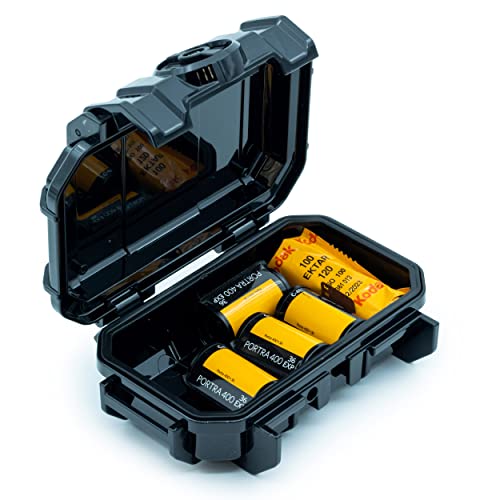
Evergreen Film Storage Case 120 and 35mm

Lomography Color Tiger 110 Film

Kodak T-Max 400 120 B&W Film 5-Pack

Ilford Delta 400 Pro 120 B&W Film
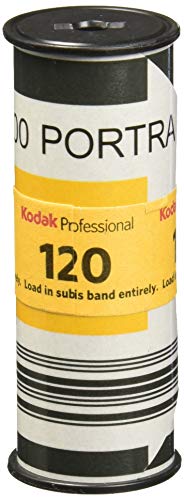
Kodak Portra 400 120 Color Film

Holga 120GCFN Medium Format Camera Bundle

Holga 120N Plastic Medium Format Camera
More On The Choices That Made The List
CineStill 800Tungsten is a motion picture stock reborn for still cameras, balanced for warm indoor tungsten lighting. It’s factory-spooled into 120 rolls without the Remjet backing that cinema cameras expect, which leaves room for a soft halation glow around bright highlights once developed. Color shifts lean cinematic: reds pop, skin tones take on a slight warmth, and the grain structure stays manageable at the native ISO 800.
Where this film earns its keep is exactly where most color stocks struggle: late-night street scenes, dim restaurants, neon-lit storefronts. You can rate it at 500 in daylight with an 85B correction filter, and push processing up to ISO 3200 keeps shots alive in truly dark rooms. Compared to the more neutral Portra 400 reviewed later, this stock makes a creative statement rather than a clean record.
Positive Points
- Tungsten color balance delivers flattering results in mixed indoor lighting
- Pushed to ISO 3200 in development when handheld speeds demand it
- Removet-free spooling means standard C-41 labs handle it without extra steps
- Halation glow adds character to neon and streetlamp scenes
- 120 format gives generous negative size for cropping later in scanning
Worth Noting
- Daylight shooters need an 85B warming filter to avoid a heavy blue cast
- Halation may feel excessive to photographers wanting clinical rendering
- Specialty stock, often carried in smaller quantities than mainstream color films
Who Will Love This
Photographers chasing nightlife, concerts, and warm-lit interiors who want a stock with personality built in.
Reach For A Different Pick When
You mostly shoot bright outdoor portraits; the Kodak Portra 400 120 Film will give you more neutral skin tones.
The Domke Filmguard is a soft lead-lined pouch built to slip into carry-on luggage and shield unprocessed film from the low-dose X-ray scanners used at most airport security lanes. The triple-layer construction pairs a tough ballistic nylon shell with a dense lead-impregnated vinyl core and a smooth inner lining that won’t snag roll edges. It holds up to 35 rolls of 35mm in a single pouch, or a smaller stack of 120 rolls depending on how you pack them.
For photographers flying internationally with a hard-won stash of 120 stock, this is the kind of insurance you don’t notice until you need it. Repeated carry-on scans can fog rolls without obvious signs, ruining a trip’s worth of work. The Domke’s weight and thickness stay manageable in a camera bag, and the lead content does the heavy lifting so your negatives arrive home clean.
Everyday Perks
- Lead-lined core blocks low-dose carry-on scanner exposure
- Ballistic nylon exterior holds up to frequent travel handling
- Generous capacity lets you bring a full shoot’s worth of film
- Snag-free inner lining protects delicate roll edges
Things To Consider
- Not designed for the higher-dose scanners used on checked baggage
- Adds noticeable weight and bulk to carry-on luggage
- Lead content requires careful disposal at end of life
Whose Shelf It Belongs On
Photographers who fly several times a year with unprocessed 120 or 35mm stock and need scanner-side insurance.
Consider Something Else When
You only shoot locally and never pass through airport security; the Evergreen Film Storage Case serves a different, at-home role.
Ilford Delta 100 Professional uses core-shell crystal emulsion technology to keep grain remarkably fine for a medium speed black-and-white stock. At its native ISO 100 rating, the film delivers sharp detail and a smooth tonal curve that responds well to controlled lighting. The 120 format gives you a generous negative that holds up to large darkroom prints or high-resolution scans.
This is the film to reach for when the lighting is on your side and you want every leaf and fiber to render cleanly. Studio portrait sessions, architectural studies, and landscape work on overcast days all benefit from the calm grain and wide tonal range. The slower speed means tripods or strobes in dim environments, but the trade-off shows up in negative quality.
Real Benefits
- Core-shell emulsion keeps grain unobtrusive in big enlargements
- Tonal curve handles highlights without burning out detail
- Wide exposure latitude forgives minor metering mistakes
- 120 format supports serious contact prints and scans
Honest Caveats
- ISO 100 speed limits handheld use to bright daylight or fast lenses
- Black-and-white workflow requires dedicated chemistry or lab routing
Built With In Mind
Studio and fine-art photographers working in controlled light who prize detail over speed.
A Better Fit Elsewhere
Street shooters and travelers who can’t always control the light should consider the faster Ilford Delta 400 Pro 120 Film.
The Evergreen film case is a small, light-tight plastic box designed for the realities of long-term film ownership. It holds seven 35mm rolls or five 120 rolls in a snug, stackable configuration. The body is built to survive refrigerator and freezer storage, which slows the chemical decay that slowly degrades unexposed film over months and years.
Photographers who stockpile fresh stock during a sale, or who keep exposed rolls safe until they can drop them at a lab, will appreciate the grab-and-go footprint. Compared to the Domke lead bag reviewed earlier, this case solves an opposite problem: protection from light, moisture, and heat at home rather than X-ray exposure in transit. Both tools earn a place in a serious medium format kit.
Useful Strengths
- Light-tight seal keeps both exposed and unexposed rolls safe
- Freezer-safe construction supports long-term cold storage
- Compact size fits easily in a fridge door or gear drawer
- Holds a working inventory without taking over your shelf
Smaller Caveats
- Capacity caps out at five 120 rolls per case
- Plastic shell can scuff or crack with heavy use over time
- Film is not included with the case
Who Should Grab It
Stockpile-minded shooters who buy film in bulk and want to extend shelf life with cold storage.
Swap It Out When
You mostly need on-the-road protection from scanner exposure; the Domke Large Filmguard handles travel duty instead.
Lomography Color Tiger is a 110-format C-41 color negative film rated at ISO 200, sized for the smallest pockets and the quirkiest toy cameras. Despite the tiny negative, the film processes through standard color chemistry at any minilab, which keeps the workflow familiar. Color rendering leans warm and saturated, with grain that reads as texture rather than noise.
It pairs naturally with the Holga 120N and 120GCFN cameras reviewed later, though you’ll need a compatible 110 back or a separate 110 body to load it. The 200 ISO speed works well outdoors in daylight and indoors with a small flash, which fits the casual, experimental ethos of the format. For someone stepping outside the medium format comfort zone, this is the easiest entry point into C-41 chemistry.
Advantages To Know
- Standard C-41 processing at any color lab
- ISO 200 speed handles both daylight and flash situations
- Tiny 110 rolls fit pocket-sized and toy cameras
- Warm color palette suits casual street photography
Practical Considerations
- 110 negative is much smaller than 120, limiting enlargement size
- Requires a 110-format camera, not a 120 body
- Specialty film stock may be harder to find in local shops
Best Suited To
Experimenters and toy-camera fans who want a fun color stock for everyday and after-dark shooting.
Look Elsewhere When
You’re committed to medium format negatives for large prints; the Kodak Portra 400 120 Film serves that need with much bigger frames.
Kodak T-Max 400 uses T-Grain emulsion technology, reshaping traditional pebble-like silver crystals into tabular forms that catch light more efficiently. The result is a 400-speed film with surprising sharpness and an expanded exposure latitude that forgives under and overexposure. The 120 format in a five-roll pack gives you enough stock for a meaningful project at a reasonable per-roll cost.
Where this film earns its reputation is handheld shooting in mixed indoor light, where ISO 400 lets you keep shutter speeds reasonable without flash. Compared to the slower Ilford Delta 100 reviewed earlier, T-Max 400 trades a touch of fine grain for usable speed. The wide latitude also makes it a smart choice for photographers metering tricky contrast situations or experimenting with stand development.
Good Reasons To Consider
- T-Grain emulsion delivers notable sharpness at ISO 400
- Wide exposure latitude forgives metering errors
- ISO 400 speed supports handheld indoor shooting
- Five-roll pack stretches a project budget further
Points To Note
- Grain is more visible than ISO 100 stocks in big enlargements
- Tonal curve can render flatter than traditional films in some lighting
Right Fit For
Black-and-white photographers who shoot handheld in unpredictable light and want speed without sacrificing too much detail.
Where Another Pick Suits Better
Fine-art printers who want the absolute smoothest grain should look at the Ilford Delta Pro 100 120 Film.
Ilford Delta 400 Professional pairs the core-shell emulsion technology shared with Delta 100 with a faster ISO 400 speed. The film handles available-light situations confidently, and the wide tonal range preserves shadow detail that traditional faster stocks tend to crush. Sharpness holds up well for a 400-speed film, especially when scanned at standard resolutions.
For documentary, travel, and street work in unpredictable weather and lighting, this is a stock that rarely lets you down. You can shoot handheld at dawn, push to ISO 1600 in a dark venue, or pull back to ISO 200 for sunlit scenes. The medium format 120 roll size gives you twelve 6×6 exposures per roll, which encourages slower, more deliberate shooting.
Where It Helps
- ISO 400 speed handles most lighting without flash
- Core-shell technology keeps grain structure refined
- Wide tonal range retains shadow and highlight detail
- Push and pull processing gives shooting flexibility
Some Limits To Know
- Grain becomes more pronounced when pushed to ISO 1600 or higher
- Less forgiving of extreme exposure errors than slower stocks
Made For
Documentary and travel photographers working in changing light who need speed and flexibility in one roll.
Skip It When
Your shoots stay in controlled studio conditions; the Ilford Delta Pro 100 120 Film gives finer grain for that workflow.
Kodak Portra 400 is the color film most working medium format shooters reach for first, and for good reason. At ISO 400, it delivers natural, flattering skin tones and saturated yet believable color across a wide range of lighting. The 120 version takes full advantage of the larger negative, giving you serious enlargement capability when scanned or printed.
For wedding, portrait, and editorial work, Portra’s reputation rests on consistency. It handles tungsten, fluorescent, daylight, and mixed lighting with minimal correction needed at the scanning stage. Compared to the CineStill 800T reviewed earlier, this stock is far more neutral, prioritizing accurate color over cinematic mood. The trade-off is that you give up the warm tungsten drama in exchange for clean, commercial-grade rendering.
Useful Touches
- Natural skin tones that flatter diverse subjects
- ISO 400 speed works indoors and out without film swaps
- Excellent scanning performance with room for big crops
- Reliable color rendition across mixed lighting conditions
- 120 format gives sixteen 6×4.5 or twelve 6×6 frames per roll
Minor Gripes
- Color is neutral rather than expressive in moody lighting
- Costs more per roll than slower color stocks
- Grain becomes more noticeable in extreme shadow areas when pushed
Who Will Love This
Wedding, portrait, and editorial photographers who need dependable color and flattering skin tones from a single stock.
Not Your Match When
You want stylized, cinematic color; the CineStill 800Tungsten Color Film 120 has a warmer, more dramatic personality.
The Holga 120GCFN is the modernized version of the iconic plastic medium format camera, updated with a glass lens for slightly improved sharpness and contrast. A built-in flash with a spinning color wheel adds a playful lighting element that you won’t find on more serious cameras. The bundle ships with a Kodak TX 120 black-and-white roll, batteries, masks for both 6×6 and 6×4.5 framing, and a strap to get you shooting fast.
The 60mm f/8 lens pairs with a zone focusing system that reaches as close as three feet, and the shutter offers a 1/100 second setting plus bulb for long exposures. Where the cheaper Holga 120N reviewed later trades on total lo-fi unpredictability, this version smooths the lens while keeping the soft character. It’s a creative tool first, a precision instrument second.
What Makes Sense
- Glass lens upgrade improves sharpness over the original plastic Holga
- Built-in color wheel flash enables experimental lighting
- Bundle includes film, batteries, and framing masks
- Bulb mode supports long exposure creative work
Trade Offs
- Zone focusing takes practice to master distance accuracy
- Fixed f/8 aperture limits low-light flexibility without flash
- Plastic body construction feels light and may concern some users
Perfect Match For
Photographers who want a creative, experimental medium format body with flash capability and aren’t chasing technical precision.
Where A Sibling Pick Shines
Pure lo-fi fans on tighter budgets will find similar character in the Holga 120N Plastic Camera without the flash upgrade.
The Holga 120N is the camera that introduced a generation to medium format film, and it remains the most affordable entry point into the format. The all-plastic body, plastic lens, and simple zone focusing system produce images with characteristic softness, vignetting, and the occasional light leak. Two included film masks let you shoot either twelve 6×6 frames or sixteen 6×4.5 frames per roll.
For first-time medium format users, the Holga strips away the technical anxiety that comes with more advanced cameras. There’s no meter to read, no autofocus to chase, and no battery to forget. You frame the shot, set the zone, click the shutter, and accept the surprises. Compared to the Holga 120GCFN reviewed earlier, this model skips the flash and color wheel in favor of pure simplicity and lower cost.
The Upside
- Lowest cost entry into medium format photography
- No batteries or electronics to manage
- Light leaks and vignetting add unique character to each frame
- Switchable masks offer two framing options per roll
Where It May Fall Short
- Plastic lens produces soft images by design, not by accident
- Unpredictable light leaks can ruin intentional compositions
- No flash, limiting indoor and night shooting
Right Fit For
Beginners and budget-conscious shooters who want a low-stakes way to explore medium format film.
Look Elsewhere When
You need flash for indoor shooting; the Holga 120GCFN Medium Format Camera Bundle includes that capability.
Factors That Matter When Stocking a Medium Format Kit
Medium format photography rewards a small amount of upfront research more than almost any other format. The gear you choose shapes everything from how you shoot in the field to what your final prints look like.
Matching Film Speed to Your Shooting Style
ISO sensitivity is the single biggest decision you’ll make for every roll. Slow stocks like Ilford Delta Pro 100 120 B&W Film reward careful technique and bright conditions with fine grain, while ISO 400 workhorses like Kodak Portra 400 120 Film or Kodak T-Max 400 120 B&W Film buy you handheld freedom indoors and out. Tungsten-balanced stocks like CineStill 800Tungsten open up warm-lit environments that other films struggle with, at the cost of needing correction filters in daylight.
Understanding the Camera Body Trade-Offs
The cameras in this lineup lean toward the creative end of the spectrum. Holga bodies are inexpensive plastic tools that embrace unpredictability, while more advanced medium format cameras tend to cost many times more. For a beginner, a Holga 120N teaches fundamentals without financial risk, and the upgrade path stays open later. The 120GCFN version adds flash for indoor shooting at a modest step up in cost.
Protecting Film Before and After the Shoot
Film doesn’t forgive neglect. The Evergreen Film Storage Case keeps unexposed and exposed rolls light-tight and freezer-safe, extending shelf life significantly. The Domke Large Filmguard Lead-Lined Film Bag is essential for any photographer flying with rolls, since repeated carry-on scanner exposure can fog a whole trip’s worth of work without obvious signs. Together, these two accessories handle the storage and transit problems that most film photographers eventually face.
What to Watch Out For Before You Buy
Wrong Turns To Avoid
Shopping for medium format gear without a clear use case leads to mismatched purchases. Buying a slow ISO 100 stock when most of your shooting happens indoors guarantees frustration. Similarly, picking up a Holga 120N expecting clinical sharpness ignores what the camera is designed to do. Map your typical lighting conditions, subjects, and budget before choosing film and camera together.
When Paying More Pays Off
Higher-tier film stocks like Kodak Portra 400 120 Film cost more per roll than consumer-grade color films, but the difference shows up in skin tone accuracy, scanning performance, and exposure latitude. The Holga 120GCFN Medium Format Camera Bundle costs more than the bare 120N, yet the glass lens and built-in flash unlock indoor and low-light shooting that the simpler model can’t reach. The upgrade typically pays off when your shooting conditions expand beyond what the entry-level option handles.
Frequently Asked Questions
What does 120mm mean in film photography? 120 is a medium format film size that produces larger negatives than 35mm, giving you more detail, less grain, and greater flexibility for cropping or large prints.
Can I shoot 120 film in any medium format camera? No, 120 film only works in cameras designed for the medium format spool system, which includes dedicated 120 bodies and certain older folders and TLRs.
Is 120 film still available in 2026? Yes, major brands including Kodak, Ilford, and CineStill continue producing 120 format film, and specialty labs around the world process it regularly.
How many shots does a roll of 120 film give you? Frame count depends on the camera’s format setting, but most 120 rolls produce either twelve 6×6 exposures or sixteen 6×4.5 exposures per roll.
Do I need a special lab to develop 120 film? Many local labs handle C-41 color 120 stock, while black-and-white 120 film can often be developed at home with standard darkroom chemistry.
The Takeaway
Medium format photography remains one of the most rewarding ways to slow down and see more carefully. The right combination of camera, film, and accessories turns each outing into a deliberate creative exercise. Match the tools to your typical shooting conditions, protect your investment with proper storage, and let the format’s quirks become part of your style.