A 150-600mm class telephoto lens is a serious commitment of weight, money, and backpack space. Whether you’re packing the glass itself or just trying to keep it safe between shoots, the right accessories matter as much as the optics. This roundup pulls together ten products that pair naturally with the 150-600mm family: protective cases, padded pouches, a dedicated lens hood, camouflage covers, and the lenses themselves. Wildlife shooters, sports photographers, and travel-to-airport regulars will all find something that fits how they actually shoot.
An Overview Of The Picks

Nicama LB2 Deluxe Water-Resistant Camera Lens Pouch Case

JJC Large Camera Lens Case for Sigma 150-600mm C & Nikon 200-500

JJC Camera Lens Case Pouch, Padded Bag

ROLANPRO Camouflage Lens Cover for Sony FE 200-600mm G OSS

Tamron Hood for SP 150-600mm Di VC USD G2 Lens
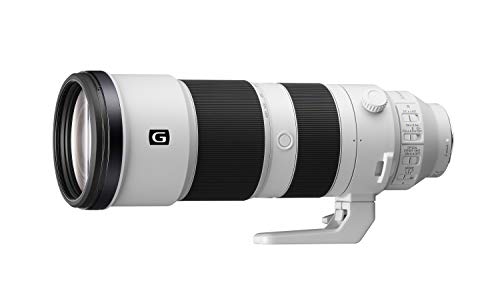
Sony FE 200-600mm F5.6-6.3 G OSS Lens (Renewed)

Sigma 150-600mm Contemporary Lens for Canon with Accessory Bundle

Sigma 150-600mm 5-6.3 Contemporary DG OS HSM Lens for Nikon

JJC Lens Case Pouch Bag for Sigma 150-600mm f5-6.3 C
Sony FE 200-600mm f/5.6-6.3 G OSS Super Telephoto Zoom Lens
More On The Choices That Made The List
The LB2 sits in the middle of Nicama’s pouch range with an interior of roughly 4.7 by 4.7 by 11.4 inches, sized to swallow a Sigma 150-600mm or Tamron SP 150-600mm G2 with hood reversed. The pouch draws its appeal from a wide compatibility sheet covering Canon RF 800mm, Nikon 200-500mm, and a long list of 70-200mm and 100-400mm zooms, so shooters running mixed kits won’t need a separate bag per body. For anyone hauling glass from a damp trailhead into a rental car, the water-resistant shell earns its keep.
Where the pouch really pays off is in its versatility, since the broad lens list means most enthusiasts can stash their primary telephoto and a backup zoom in the same model. The LB2 also bridges between the smaller LB3 and the larger LB1, giving it a useful middle-ground footprint that doesn’t feel overbuilt for everyday use.
Strengths Worth Knowing
- Covers Canon, Nikon, Sigma, and Tamron telephotos in one shell.
- Water-resistant outer shell helps in light rain or accidental splashes.
- Padded interior absorbs minor bumps during car rides and hike-ins.
- Mid-size interior fits common 150-600mm zooms with hood reversed.
Things To Consider
- Confirm your exact lens diameter and length against the LB2 spec sheet before ordering.
- Soft, flexible walls stretch slightly, so oversized glass may not seat snugly.
Built With In Mind
Shooters juggling one Canon or Nikon body alongside a Sigma or Tamron telephoto who want a single pouch that follows them across systems.
Look Elsewhere When
The JJC Large Camera Lens Case for Sigma 150-600mm C & Nikon 200-500 fits a wider range of 150-600mm zooms with more internal room if you need extra breathing space.
JJC’s Large Lens Case opens up to roughly 4.9 by 11.4 inches inside, which lines up well with the Sigma 150-600mm Contemporary, Tamron SP 150-600mm G1 and G2, Nikon AF-S 200-500mm, and the Canon RF 800mm when collapsed. The fit targets the popular telephoto zooms rather than ultra-tele primes, and the brand offers larger XL, XXL, and XXXL siblings for glass that runs longer. For daily shooters who sling a 150-600mm into a backpack or roller, the case keeps the lens from rattling against tripod legs.
Compared with the Nicama LB2, this JJC leans toward a tighter, more dedicated fit for specific 150-600mm zooms. That focus shows in how confidently the case wraps around common telephotos without excess bulk.
Practical Advantages
- Interior sizing aligns directly with Sigma 150-600mm C, Tamron 150-600mm, and Nikon 200-500mm.
- Padded shell dampens vibration in vehicles and overhead bins.
- Available in XL, XXL, and XXXL versions for longer glass.
- Simple drawstring-and-buckle closure for fast lens swaps.
Worth Noting
- Not designed for the longer Sigma 150-600mm Sport version, which needs a bigger case.
- Basic fabric shell offers splash resistance rather than full waterproofing.
Made For
Wildlife and sports shooters carrying a Sigma Contemporary or Tamron 150-600mm who want a snug, no-fuss protective sleeve.
Consider Something Else When
The JJC Lens Case Pouch Bag for Sigma 150-600mm f5-6.3 C is a near-twin if you prefer a pouch-style zipper closure for the same lens.
JJC’s padded pouch uses the same 4.9 by 11.4-inch interior as the larger JJC case above, but wraps it in a zippered pouch with stronger structural padding. The exterior is a water-resistant polyester and the interior layers in high-density foam, so the case handles the rough handling that comes with checked baggage or car trunks. Dual zippers with small loops let you lock the pouch closed if you’re storing glass in a shared vehicle or hotel room.
For photographers who already lean toward the JJC Large Case but want more security, this padded pouch is the zipper-closure upgrade. The shell feels closer to a soft camera holster than a simple sleeve.
Real-World Strengths
- High-density foam lining absorbs impacts better than a basic sleeve.
- Dual zippers with loops accept a small luggage lock for shared storage.
- Soft, flexible material stretches slightly to accept slightly larger glass.
- Works with Canon RF 800mm, Sigma 150-600mm, and Tamron SP 150-600mm.
Honest Caveats
- Water-resistant is not waterproof, so heavy rain still warrants a rain cover.
- Zippers add bulk compared with the simpler drawstring-style JJC cases.
Best Suited To
Frequent travelers and rental-car shooters who want a lockable, padded home for a 150-600mm zoom.
Skip It When
Pick the Nicama LB2 if your priority is broad lens compatibility across mixed brand kits rather than foam thickness.
The ROLANPRO cover is built specifically for the Sony FE 200-600mm G OSS, fitting the barrel while leaving the focus ring, zoom ring, control switches, and even the lens hood fully operational. The Reed C camouflage pattern helps the lens blend into reeds and tall grass, useful when working close to skittish waterfowl or songbirds. The cover is also waterproof, so morning dew and light rain bead off rather than soaking into foam padding.
Unlike the padded pouches above, this cover stays on the lens during use rather than wrapping it for storage. For Sony shooters in the field, that distinction is the whole point.
Everyday Advantages
- Camouflage pattern helps conceal the lens in wetland and grassland settings.
- Independent focus ring access keeps manual and autofocus working as designed.
- Zoom ring rotation damping remains unchanged with the cover installed.
- Reversed lens hood still mounts for transport, saving a step on the trail.
Points To Note
- Custom-fit only to the Sony FE 200-600mm G OSS, with no use on Canon or Nikon telephotos.
- Adds a small layer of bulk, which may shift balance on smaller tripod heads.
Whose Shelf It Belongs On
Sony shooters working wetland, marsh, or meadow habitats where pattern break matters as much as weather protection.
Another Choice May Suit
Anyone not using the Sony FE 200-600mm G OSS should look at the Sony FE 200-600mm f/5.6-6.3 G OSS Super Telephoto Zoom Lens itself for the bare glass without a custom cover.
Lens hoods are easy to overlook, but the Tamron hood for the SP 150-600mm G2 is engineered for that specific zoom, blocking stray light that would otherwise wash out contrast at the long end. The hood’s shape is tuned to the G2’s barrel length and front element position, which means flare reduction works as designed rather than as a hopeful guess. Installation is a simple bayonet mount, no tools required.
Within this lineup, the Tamron hood is the only item that mounts directly onto a lens rather than wrapping around it. That’s a small accessory with a clear job.
Well-Handled Touches
- Bayonet fit is specific to the Tamron SP 150-600mm G2, so alignment stays consistent.
- Cuts down flare and ghosting in backlit wildlife or stadium scenes.
- Adds physical protection for the front element during transport.
- Reverses for compact storage in the JJC and Nicama cases above.
Trade Offs
- Compatible only with the Tamron G2, not the original G1 150-600mm.
- No impact on sharpness, so it’s a contrast and flare accessory rather than a glass upgrade.
Key Specs
Right Fit For
Tamron SP 150-600mm G2 owners who shoot into the sun at the long end and want a hood that fits without shimming.
Swap It Out When
If you’re on the Sigma 150-600mm Contemporary for Nikon, the Sigma lens ships with its own compatible hood out of the box.
The Sony FE 200-600mm G OSS is a super-telephoto zoom built around five ED glass elements, one aspherical element, and Sony’s Nano AR coating to suppress reflections. Optical SteadyShot stabilization and a direct drive supersonic wave motor handle shake and focus, which matters at 600mm handheld. This renewed listing offers the same lens at a friendlier entry point for Sony E-mount shooters who don’t need a factory-sealed box.
Versus the brand-new Sony FE 200-600mm later in this roundup, the renewed version trades the unopened packaging for a lower barrier to ownership. The optics and mechanics remain the same SEL200600G design.
Why It Works Well
- Five ED elements help control chromatic aberration at the 600mm end.
- Direct drive SSM autofocus keeps pace with erratic wildlife subjects.
- Optical SteadyShot supports handheld shooting at slower shutter speeds.
- Internal zoom maintains balance as focal length changes.
Things To Weigh
- Renewed stock means cosmetic condition varies by listing.
- Variable maximum aperture of f/5.6 to f/6.3 limits low-light reach.
Best Suited To
Sony E-mount shooters stepping into super-telephoto work without paying full retail for the G-series build.
Not Your Match When
Pick the brand-new Sony FE 200-600mm f/5.6-6.3 G OSS if you want factory-sealed packaging and the longest possible coverage horizon.
This listing pairs the Sigma 150-600mm Contemporary for Canon with a travel-friendly accessory bundle, including two 128GB SanDisk SD cards and Altura Photo gear to round out a first telephoto kit. The Sigma Contemporary is the lighter sibling to the Sport version, trading some weather sealing for a manageable weight that doesn’t demand a gimbal head on every outing. Optical stabilization and a hypersonic motor keep autofocus responsive for the kinds of subjects a 150-600mm attracts.
Where the bare Sigma lens that follows is just the glass, this bundle is built for someone starting from scratch. The included tripod and SD cards mean a new telephoto shooter can leave the camera shop with everything needed for a first outing.
A Favorable Mix
- Bundle removes the guesswork of matching SD cards and support gear.
- Contemporary line keeps weight manageable for handheld shooting.
- Optical stabilization helps at 600mm where shake is most visible.
- Canon EF mount compatibility covers a wide range of DSLR bodies.
Possible Compromises
- Bundle accessory quality varies, with SD cards and tripod suited for casual use.
- Contemporary build is lighter than the Sport version, with less robust weather sealing.
Who It Suits Best
First-time Canon telephoto shoppers who want the lens plus the support gear in a single package.
A Better Fit Elsewhere
The Sigma 150-600mm Contemporary for Nikon is the better match if your body is a Nikon DSLR and you already own memory cards.
The Sigma 150-600mm Contemporary for Nikon is the same optic as the Canon-bundle version above, just packaged without the extras and paired with the Nikon F mount. A minimum focusing distance of around 110 inches gives the lens enough reach to fill the frame with perched birds at moderate distance, and the optical stabilizer helps tame handshake at full zoom. The 9-blade diaphragm contributes to smoother out-of-focus backgrounds when shooting at the long end.
Compared with the bundle listing, this entry is the bare-lens route for Nikon shooters who already own their support gear. It’s also the most direct comparison point for the JJC and Nicama cases that follow, since the Sigma Contemporary is one of the lenses those cases are designed around.
Where It Helps
- 110-inch minimum focus distance allows frame-filling wildlife shots.
- Optical stabilization rated for several stops of correction handheld.
- Compatible with Sigma USB dock for fine-tuning and firmware updates.
- Light enough to pair with mid-size tripod heads, unlike the Sport version.
Minor Gripes
- Variable f/5 to f/6.3 aperture limits low-light reach.
- Filter thread of 95mm is large, so step-up rings and filters cost more.
Perfect Match For
Nikon DSLR owners who want a versatile telephoto zoom without upgrading to the heavier Sigma Sport.
Reach For A Different Pick When
Canon shooters should look at the Sigma 150-600mm bundle earlier in this list for lens plus extras in one order.
JJC’s pouch for the Sigma 150-600mm Contemporary uses an interior of roughly 4.9 by 11.4 inches, paired with a polyester fiber exterior and foam cushion inside. The fit list is specific to the Sigma 150-600mm C, Nikon 200-500mm, and Canon RF 800mm when retracted, with an explicit note that the longer Sigma 150-600mm Sport does not fit. For Sigma C owners, that specificity is a feature rather than a limitation, since the case wraps the lens without wasted internal space.
Compared with the larger JJC case earlier in the list, this pouch is the more dedicated option for Sigma Contemporary shooters. The narrower compatibility list is actually a tighter fit for the most common 150-600mm zoom in the category.
Features That Help
- Tailored interior matches the Sigma 150-600mm C dimensions exactly.
- Polyester exterior sheds light moisture during transport.
- Foam cushion absorbs minor impacts during car and air travel.
- Drawstring closure is fast for working photographers on tight schedules.
Room For Improvement
- Not compatible with the longer Sigma 150-600mm Sport version.
- Limited padding depth compared with the zipper-closure JJC pouch earlier.
Who Should Grab It
Sigma 150-600mm Contemporary owners who want a snug, dedicated sleeve and don’t need extra room for hood-mounted accessories.
Where A Sibling Pick Shines
The JJC padded pouch higher in this list offers thicker foam and a lockable zipper closure for travelers who want more impact protection.
The brand-new Sony FE 200-600mm G OSS pairs five ED glass elements with one aspherical element and Nano AR coating to control flare across the full zoom range. The internal zoom mechanism keeps the lens balanced as focal length changes, which makes handheld tracking easier at 600mm. A direct drive supersonic wave motor delivers quick, quiet autofocus for wildlife that bolts at the slightest sound.
Versus the renewed Sony 200-600mm earlier in this roundup, this version is the same optics in factory-fresh packaging with full warranty support. The ROLANPRO camouflage cover from earlier in the list fits this exact lens, which makes them a natural pair.
Bright Spots
- Nano AR coating reduces reflections that would otherwise drop contrast.
- Internal zoom design holds balance for handheld and monopod use.
- Aspherical element reduces spherical aberration wide open.
- Linear response manual focus for precise focusing pulls.
Worth Bearing In Mind
- Front filter thread and lens hood add to overall carrying length.
- Variable maximum aperture of f/5.6 to f/6.3 is typical for the class.
Perfect Match For
Sony shooters who want the long end of a 200-600mm zoom with factory warranty and the option to add the ROLANPRO camouflage cover.
Skip It When
Pick the renewed Sony FE 200-600mm G OSS earlier in this roundup for a friendlier entry price if full retail packaging isn’t a priority.
Shopping Smart for a 150-600mm Class Setup
Lens Fit and Mount Compatibility
The biggest decision point is matching the lens to your camera system. Canon, Nikon, and Sony each use their own mount, and Sigma and Tamron make versions for each. A Sigma 150-600mm Contemporary in Canon EF mount will not drop onto a Nikon Z body without an adapter, and adapting tele zooms usually costs autofocus speed. Confirm the mount before anything else, since the same lens formula behaves differently across mounts.
Lens mount aside, pay attention to internal zoom versus extending zoom designs. The Sony FE 200-600mm G OSS uses an internal zoom that holds its physical length as you rotate the zoom ring, which makes it easier to pack into the JJC and Nicama cases listed above. The Sigma 150-600mm Contemporary extends as you zoom, so the case needs extra room near the front element when fully zoomed.
Protection That Actually Travels
A 150-600mm is heavy enough that a thin drawstring sleeve won’t survive a checked bag or a trunk full of tripod legs. Look for a pouch with high-density foam padding, a water-resistant shell, and a closure that won’t pop open if the bag tips. The JJC padded pouch earlier in this roundup, with dual zippers and foam lining, is a sensible template for what “real” protection looks like in this category.
For shooters who stay in the field rather than traveling, a camouflage cover like the ROLANPRO sleeve stays on the lens during use, blocking light rain and damp grass without fighting autofocus.
Use Case and Stabilization
Match the lens to the kind of subject you actually shoot. Wildlife and sports shooters benefit from fast autofocus motors and optical stabilization rated for several stops of correction, both of which the Sony G OSS and Sigma Contemporary deliver. Stadium and indoor shooters may want wider aperture options, which is where a 150-600mm starts to show its f/5 to f/6.3 limits and why some users pair it with a shorter, faster prime.
For the lens hood question specifically, a hood matched to the exact lens model, like the Tamron hood for the SP 150-600mm G2, reduces flare more reliably than a generic rubber hood. It also shields the front element from accidental finger contact during handling.
Key Considerations Across These Picks
Pitfalls Shoppers Hit
A common mistake is buying a lens case that’s too generous in interior size, which lets the lens shift around inside and lets impact forces reach the glass. Another is choosing a hood that fits the lens but blocks the focus or zoom ring during use. The Tamron hood for the SP 150-600mm G2 avoids that trap because it’s tuned to the G2 specifically. Always cross-check the listed lens compatibility against your exact model, since the Sigma 150-600mm Contemporary and the Sigma 150-600mm Sport share a name but need different cases.
When Paying More Pays Off
The premium tier in this category, like the Sony FE 200-600mm G OSS, earns its price through better coatings, faster autofocus motors, and internal zoom designs that hold balance over the full range. Whether that upgrade makes sense depends on how often you shoot at the long end. For a once-a-year wildlife trip, the Sigma Contemporary or Tamron G2 covers most needs at a friendlier price. For weekly birding or sports coverage, the premium G-series optics and coatings start to earn their keep in keeper rates and contrast.
Frequently Asked Questions
What does “150-600mm” mean on a lens?
The numbers describe the focal length range, or how zoomed in the lens can get. At 150mm the view looks similar to a short telephoto, and at 600mm the view fills the frame with distant subjects like perched birds or far-field sports action.
Are 150-600mm lenses good for beginners?
Yes, the Sigma Contemporary and Tamron G2 versions are popular first telephotos because they balance weight, price, and reach. Most owners adapt to the size within a few shooting sessions, especially with a monopod or gimbal head.
Do I need a special case for a 150-600mm?
Standard small lens pouches won’t fit. You need a case with an interior around 4.9 inches in diameter and 11.4 inches in length at minimum, which is what the JJC and Nicama pouches in this roundup are sized for.
Will a 150-600mm work on a crop sensor body?
Yes, with a smaller field of view. A 150-600mm on an APS-C body behaves like roughly a 225-900mm equivalent on Canon or Sony, and similar multipliers on Nikon, which is why the lens is popular with bird and wildlife photographers on crop bodies.
How do I clean a 150-600mm lens safely?
Use a rocket blower first to remove loose dust, then a microfiber cloth with lens cleaning fluid for smudges. Avoid spraying fluid directly onto the front element, and never touch the rear element without professional guidance since the contacts and coatings are delicate.
Final Verdict
A 150-600mm class setup only works when the lens, case, and small accessories all fit how you actually shoot. Match the mount first, then choose a case that fits the specific lens you own, then add a hood or cover that supports your shooting conditions rather than fighting them. The right combination will outlast several camera bodies and keep the glass ready for the next subject that shows up.