You want your footage to look like it was shot by someone who knows what they’re doing, but handheld video wobbles the moment you start moving. A 3 axis gimbal keeps the camera level across pan, tilt, and roll, so walking shots stop looking like a shaky cam audition. Filmmakers, vloggers, and content creators chasing that polished, glide-along feel find one of these stabilizers quickly becomes the difference between amateur and watchable.
The Lineup, Simplified

DJI RS 4, 3-Axis Gimbal Stabilizer for Camera

DJI RS 3 Pro Combo, 3-Axis Gimbal Stabilizer

DJI Osmo Mobile 3 Combo Smartphone Gimbal

ZHIYUN Weebill 3S Combo Fill Light Gimbal

ZHIYUN Weebill 3S Gimbal with Fill Light

DJI OM 4 Smartphone Gimbal Stabilizer

DJI Osmo Mobile 8 + Mic Mini Transmitter

ZHIYUN Crane 4E Camera Gimbal Stabilizer
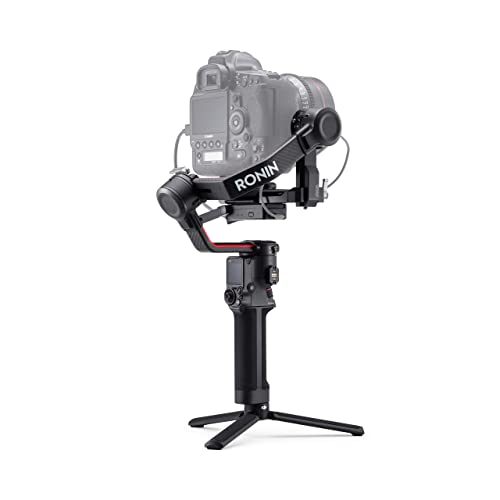
DJI RS 2 Combo 3-Axis Gimbal Stabilizer

ZHIYUN CINEPEER Weebill 3E Gimbal Stabilizer
Taking A Closer Look At The Options
Built for mirrorless and DSLR hybrids, the DJI RS 4 leans into the workflow filmmakers already like. The quick-release plate and extended grip make rig changes painless on a tight shoot day. Coming from the Osmo Mobile 3, the leap to a real camera rig here feels substantial.
For solo shooters, the Bluetooth shutter and tight motor control mean walk-and-talk shots stop looking amateur. In most cases, owners pair it with a full-frame body and a mid-sized prime without breaking a sweat.
Everyday Perks
- Quick-release system cuts down setup time between lens swaps
- Improved tilt axis helps with low-angle and slider-style moves
- Native vertical shooting suits social-first content creators
- Battery grip extends runtime for full-day documentary shoots
- Compatible with major camera ecosystems including Canon, Sony, Nikon, and Fujifilm
Things To Consider
- Heavier than a phone gimbal, so long handheld sessions can wear the wrist
- App updates historically require a side download from the manufacturer’s site rather than the standard app store, which can confuse first-time users
Feature Snapshot
Who It Suits Best
Hybrid shooters running mid-size mirrorless kits who want a refined daily driver.
Consider Something Else When
You shoot strictly with a phone and would be over-served by the DJI Osmo Mobile 8 instead.
The RS 3 Pro Combo is aimed at cinema bodies like the Canon C70 or Sony FX6. Carbon fiber arms keep the rig light without surrendering the leverage those bigger cameras need. If your build is heavier than what the DJI RS 4 expects, this is the path up.
The combo also throws in an image transmitter for wireless monitoring, which removes a cable from your cart on a multi-camera day.
Key Advantages
- Automated axis locks speed up breakdown at the end of a take
- Carbon fiber arms hold professional combos without flexing
- Built-in focus motor compatibility opens up cinema lens workflows
- Included transmission link keeps focus pulling and monitoring wireless
Trade Offs
- Overkill if your camera rig tops out at a small mirrorless body
- Owners commonly report a real learning curve when first balancing heavier cinema cameras
Right Fit For
Production crews running cinema bodies who need a stabilizer that won’t flinch at the weight.
Skip It When
You mostly shoot on a Sony A7C-style body, where the ZHIYUN Crane 4E handles the load with less ceremony.
The Osmo Mobile 3 made phone gimbals feel like a normal part of a travel kit. It slips into a jacket pocket once folded, then opens up into a sturdy stabilizer when the moment hits. Compared to the RS-series rigs above, this one is built for phones, period.
Compatible phone widths run from 62 to 88mm, covering most modern smartphones. Phone thickness should stay under 9.5mm to clear the clamps cleanly.
Where It Helps
- Foldable design collapses for backpack or jacket storage
- Gesture controls let you start recording without touching the phone
- Story mode automates short, shareable edits for casual creators
Points To Note
- No room for a cinema camera body; phones only
- Older motor calibration than newer DJI phone gimbals, so very fast pans can show a slight lag
Best Suited To
Vloggers and travelers who shoot entirely on a phone and want a pocketable stabilizer.
Look Elsewhere When
You want a recent phone gimbal with bundled audio, in which case the DJI Osmo Mobile 8 brings more to the kit.
The Weebill 3S Combo is the move when you want lighting baked into your stabilizer. The built-in fill light saves a separate accessory on a fast-moving shoot, which is great for talking-head content in mixed lighting.
Compared to the DJI OM 4, this one is geared toward mirrorless cameras, not phones. You get a 1/4 mounting interface for expanding the rig with extra accessories.
Where It Excels
- Integrated fill light helps in dim rooms without adding another gadget
- 1/4 accessory mount expands the rig with monitors or mics
- Updated stabilization algorithm claims stronger low-angle steadiness
Honest Caveats
- Fill light is useful but not strong enough to replace a dedicated LED panel
- Battery life drops faster when the light stays on for long sessions
Quick Facts
Made For
Solo creators filming in dim spaces who want one less piece of gear on the cart.
A Better Fit Elsewhere
You prefer a phone-only setup, in which case the DJI OM 4 stays simpler and lighter.
This is the non-combo version of the Weebill 3S above, trimmed down to the essentials. The 3kg payload capacity covers most mirrorless kits with a standard zoom attached. Owners who don’t need the extra accessories often end up here.
It borrows the same honeycomb-style stabilization algorithm as its combo sibling, keeping low-angle moves calm.
Advantages To Know
- 3kg tested payload covers mainstream mirrorless builds comfortably
- Fill light supports quick exposure fixes during indoor shoots
- Comfortable sling grip reduces wrist fatigue on longer handheld runs
Small Caveats
- Lacks the transmission link the RS 3 Pro Combo offers for monitoring
- Heavier rigs approaching the payload ceiling can occasionally trigger motor warnings
Key Product Details
Who Should Grab It
Mirrorless shooters who want a lighter Weebill without the combo’s bundled extras.
Where A Sibling Pick Shines
Run-and-gun crews wanting a transmission link should look at the DJI RS 3 Pro Combo instead.
The OM 4 trades the Osmo Mobile 3’s clamping arm for a quick magnetic ring. Snapping the phone on and off turns from a fiddly two-minute task into a one-second gesture. It’s the everyday phone gimbal most casual creators actually want.
Even with an add-on lens, the 3-axis motor keeps footage smooth. For vloggers, that means the difference between a shaky intro and a watchable one.
Notable Upsides
- Magnetic phone clamp speeds up every mount and unmount
- Dynamic zoom and spin shot modes add cinematic flair without editing
- Grip tripod included for stationary talking-head shots
A Few Limitations
- Not designed to carry a mirrorless or DSLR body
- Magnetic ring adds a small bulk to phones, which some users find awkward
Perfect Match For
Causal phone videographers who want clean footage without fiddly balancing routines.
Reach For A Different Pick When
You need pro-level monitoring and audio bundled in, where the DJI Osmo Mobile 8 makes more sense.
The Osmo Mobile 8 is the most ambitious phone gimbal in this roundup. It folds tracking, lighting, and audio reception into a single rig. The 360-degree pan opens up sweeping establishing shots that older DJI phone gimbals can’t quite match.
The bundled Mic Mini transmitter is the real surprise, bringing wireless audio to creators who’d otherwise be stuck with onboard phone mics.
Standout Benefits
- 360-degree horizontal pan unlocks wider creative framing
- Bundled wireless mic transmitter removes a separate audio purchase
- Built-in selfie stick and tripod expand shooting versatility
- Native tracking keeps subjects framed without manual input
Factors To Consider
- Feature density means a longer first-time setup than simpler phone gimbals
- Some users may find the multi-function grip slightly heavier than the OM 4
Feature Card
Who Will Love This
Creators who want gimbal, light, and wireless mic in one package for talking-head or interview content.
Swap It Out When
You mainly shoot B-roll and travel clips, where the lighter Osmo Mobile 3 keeps the bag slimmer.
The Crane 4E focuses on social-first shooters with native horizontal and vertical mounting. The integrated quick-release plate means no extra accessory to swap between formats, which matters when you shoot both YouTube and Reels in a single session.
Bluetooth shutter control lets you trigger the camera from the gimbal handle, skipping taps on the body.
Good Reasons To Consider
- Native vertical shooting saves time when switching to short-form formats
- Bluetooth shutter removes camera-body taps mid-shot
- Included tripod makes tabletop interviews easy
Where It Is Less Suited
- Not aimed at cinema bodies; mirrorless is its comfort zone
- Vertical mounting can shift the balance point compared to traditional setups
Built With In Mind
Hybrid creators splitting time between YouTube and short-form vertical content.
Where Another Pick Suits Better
Documentary crews needing cinema-grade arms should look at the DJI RS 3 Pro Combo instead.
The RS 2 Combo leans into heavy-duty builds. Its 10lb tested payload takes on full-frame DSLR bodies with cinema primes without flinching. The 1.4-inch full-color touchscreen is still one of the nicer built-in displays on any gimbal in this category.
Carbon fiber arms keep the gimbal itself lighter than its load rating suggests, so you don’t fight the stabilizer between shots.
What Stands Out
- 10lb tested payload supports heavier cinema and DSLR configurations
- Carbon fiber construction balances strength with portability
- Built-in 1.4-inch touchscreen makes menu adjustments quicker
What To Weigh
- Older generation than the RS 4, so newer motor refinements are missing
- Form factor is larger than mirrorless-focused rigs like the Crane 4E
Product Snapshot
Whose Shelf It Belongs On
Event videographers and DSLR crews who need a high-payload stabilizer they can trust on long days.
Not Your Match When
You shoot on a small mirrorless body, where the ZHIYUN Weebill 3S handles the load with less bulk.
The Weebill 3E is the most travel-friendly ZHIYUN in this lineup. At roughly A4-sized when stowed, it slips into backpacks that wouldn’t accept the bigger Crane series. The 3kg payload still covers the popular mirrorless-and-prime combos.
Its redesigned handle sits more naturally in the hand, which matters on long hikes between locations.
Useful Touches
- Compact A4-sized body stows in small backpack compartments
- Native vertical shooting for Reels and TikTok creators
- Bluetooth shutter cuts down on body-tap camera shake
Points To Keep In Mind
- Plastic-feeling handle on cold mornings can be less comfortable than padded grips
- Not built for cinema bodies, so lens-heavy rigs will exceed its ceiling
The Right Fit
Travelers and hikers who want a lightweight stabilizer for mirrorless setups without the bulk.
Where A Sibling Pick Shines
You need fill light and accessory mounts built in, where the ZHIYUN Weebill 3S Combo adds those features.
Picking The Right Stabilizer For Your Setup
Camera and phone gimbals solve the same core problem: removing the wobble that handheld video naturally picks up. Before choosing, it’s worth understanding what each type brings to a shoot and how those features match your gear.
Payload And Camera Weight
Payload capacity is the maximum camera weight a gimbal can stabilize without losing calibration. A 3kg stabilizer like the ZHIYUN Weebill 3S handles most mirrorless bodies, but cinema rigs need higher-tested rigs like the DJI RS 2 Combo. Buying a stabilizer that barely clears your camera’s weight invites drift and motor warnings over time.
Form Factor And Travel Habits
Foldable phone gimbals disappear into a jacket pocket, while full camera rigs need a dedicated slot in your bag. Travelers chasing one-take travel clips usually prefer the Osmo Mobile series or the Weebill 3E. Studio and event shooters tend to prioritize reach and rigidity over foldability.
Workflow Extras That Matter
Bluetooth shutter, native vertical shooting, fill lights, and bundled wireless mics can shave hours off a busy shoot. These are practical benefits worth weighing if your content lives across both horizontal and vertical platforms. For interview-heavy creators, the DJI Osmo Mobile 8’s audio bundle eliminates a separate purchase.
Compatibility With Your Existing Gear
Check supported camera bodies and lens combinations before committing. A stabilizer that lists your camera brand is a starting point, but bigger lenses or front-heavy cinema glass can shift balance in ways the spec sheet doesn’t capture. Owners commonly mention that first-time balancing takes longer with unfamiliar bodies.
Things Worth Watching Before You Buy
Traps First Timers Fall Into
Chasing the highest payload rating often leads to overspending on a stabilizer built for cinema bodies when a mirrorless-only rig like the ZHIYUN Crane 4E would have done the job. Another common slip is ignoring phone compatibility; many in this roundup only fit specific widths and thicknesses, so measure your device before clicking order.
Where The Extra Money Goes
Stepping up to a pro-tier gimbal like the DJI RS 4 or RS 3 Pro Combo buys carbon fiber arms, integrated screens, and tighter motor calibration. Those upgrades matter most for multi-day shoots or cinema rigs, where downtime costs more than the stabilizer itself. For casual phone creators, the extra spend rarely pays off.
Frequently Asked Questions
Do 3 axis gimbals work with all cameras?
Most modern stabilizers list supported camera brands and approximate payload ranges, but lens weight and balance shift the real-world fit. Always check the manufacturer’s compatibility list for your specific body before assuming it works.
How long does a typical gimbal battery last?
Battery life varies widely by model, payload, and whether features like built-in lights or transmission links stay active. Heavy cinema loads drain faster than mirrorless ones, and lighting or wireless features compound the draw.
Can I use a 3 axis gimbal for vertical video?
Some models include native vertical shooting via a quick-release plate or repositioned arm, while others need an accessory bracket. The DJI RS 4 and ZHIYUN Crane 4E both handle vertical formats without extra purchases.
Are phone gimbals worth it over camera gimbals?
Phone gimbals make sense for content shot entirely on a smartphone, with smaller bodies and travel-friendly folding designs. Camera gimbals support heavier rigs and lens swaps, which phones simply can’t replicate regardless of stabilization software.
What’s the difference between 2 axis and 3 axis gimbals?
A 2 axis stabilizer handles pan and tilt, while a 3 axis version adds roll correction for side-to-side tilting. For walking shots and mixed movement, that third axis is what makes footage feel truly smooth.
Wrap Up
The right gimbal depends on what you’re carrying and where you’re shooting. Phone creators get the most from compact options like the DJI Osmo Mobile 8, while mirrorless and cinema shooters find their match in the DJI RS 4 or RS 3 Pro Combo. Match the stabilizer to your camera, your usual shooting environment, and the features that genuinely save time on your shoots, and the smooth footage follows from there.