Walking into a camera shop or scrolling a marketplace for 35mm film rolls can feel quietly thrilling and quietly confusing at the same time. Color or monochrome, slow ISO or fast, single rolls or five-packs, and once you’ve shot it all, somewhere to put the negatives before they scratch. This list covers ten practical options that span shooting and storing, so you can move from your first roll to your hundredth with gear that fits the way you actually shoot.
A Closer Look At The Lineup

SHD 100 Black and White 35mm Film (ISO 100)
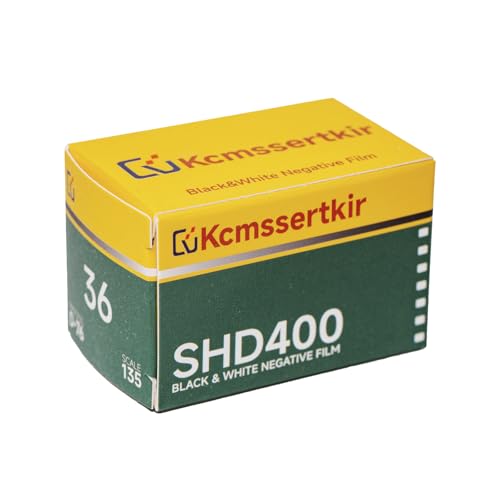
SHD 400 Black and White 35mm Film (ISO 400)

Kodak Portra 160 Color Film (35mm)

Kodak Ektar 100 Color Negative Film (35mm)

35mm Negative Storage Binder Kit, 30 Sleeves
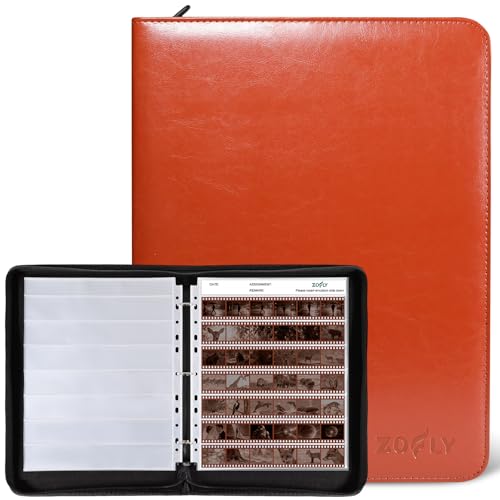
35mm Negative Binder Album Kit (PU, Brown)

Ilford HP5 Plus Film 100′ Bulk Roll

Kodak Portra 400 Film, 5-Pack

30 Pcs 35mm Negative Sleeves, Acid-Free

C200 Color Negative Film ISO 200
A slow, fine-grain black and white stock works best when you’re chasing crisp detail in controlled light, and that’s exactly where the SHD 100 sits. ISO 100 (the film’s sensitivity to light; lower numbers mean less sensitivity and finer grain) gives you tighter grain structure and stronger contrast, so daylight portraits and architecture hold up well at moderate enlargements.
It loads into any standard 35mm body and gives you 36 exposures per roll, which suits short day trips and deliberate shooting. Compared to the SHD 400 covered below, this one asks more of your lighting and rewards patience rather than spontaneity.
Practical Pluses
- ISO 100 produces fine grain and clean shadow detail for daylight work.
- 36-exposure count suits a single afternoon of intentional shooting.
- Slow speed helps beginners learn exposure without high-ISO noise hiding mistakes.
- Standard 135 format fits any common 35mm SLR or rangefinder body.
Honest Caveats
- Slow speed struggles indoors without flash or a tripod.
- Single-roll packaging means frequent reordering for prolific shooters.
- Owners commonly report that processing consistency depends heavily on the lab’s development chemistry.
Who It Suits Best
Newcomers to monochrome who shoot mostly outdoors in good light and want a forgiving learning stock.
Consider Something Else When
Step up to the SHD 400 Black and White 35mm Film if most of your shooting happens in lower light or changing weather.
Step up to ISO 400 and the world gets bigger. The SHD 400 handles street scenes, overcast afternoons, and dimly lit interiors without forcing you into tripod territory, which makes it a more honest everyday monochrome choice than the slower SHD 100.
You trade a touch of grain and shadow crispness for that flexibility, which most shooters happily accept. The grain structure still reads as classic rather than noisy, and tonal separation stays usable for scans and prints.
A Few Highlights
- ISO 400 balances grain and low-light usability well.
- Suited to street, indoor, and mixed-lighting sessions.
- Traditional panchromatic response (the emulsion sees the full visible spectrum like the eye does) for accurate tonal rendering.
- 36 exposures per roll match other standard 35mm offerings.
Small Caveats
- Grain is more visible than the ISO 100 sibling, especially when pushed in development.
- Single-roll purchase isn’t ideal for shooters working through a project quickly.
Feature Snapshot
Made For
Travelers, street shooters, and students who want a single monochrome stock that survives shifting daylight without swapping rolls.
A Better Fit Elsewhere
Pick the Ilford HP5 Plus Bulk Roll if you’d rather load many rolls from one long spool and shoot at volume.
When skin tones need to look like skin and not like costume paint, Portra 160 has been the quiet favorite for years. ISO 160 keeps grain tight while the emulsion leans toward neutral, slightly warm color, which flatters faces in afternoon sun or golden-hour window light.
It scans cleanly for archival work and rewards high-quality lens setups. The exposure latitude (the range of over- or underexposure a film can survive before losing usable detail) forgives the occasional miscalculation, which is reassuring for portrait sessions where retakes aren’t always an option.
The Value In It
- Fine grain and high sharpness at ISO 160.
- Natural skin-tone rendering for portrait work.
- Wide exposure latitude handles tricky lighting gracefully.
- Designed for excellent archival stability against fading.
Worth Noting
- Slower speed limits handheld use after dusk without flash.
- Single-roll orders can feel thin for larger shoots.
Right Fit For
Portrait and wedding photographers who prioritize natural color and archival longevity over all-out speed.
Skip It When
Move to the Kodak Portra 400 5-Pack if you need ISO 400 flexibility for indoor receptions or fast-moving events.
Ektar 100 is the color film for shooters who want their landscapes and travel scenes to feel saturated rather than muted. The emulsion targets vivid reds, deep blues, and crisp greens, and the fine-grain structure holds detail under enlargement.
It’s daylight-leaning, much like the Portra 160 above, but with a punchier color palette. That makes it wonderful for product and architecture work where color accuracy leans toward celebration rather than neutrality.
Positive Points
- Ultra-vivid color saturation suited to landscapes and travel.
- Fine grain holds up to large print enlargements from 35mm negatives.
- Optimized sharpness for distinct edges and fine detail.
- ISO 100 keeps the file quiet at the pixel level for scanning.
Trade Offs
- Color punch can feel too aggressive for natural-looking portraiture.
- Slow speed limits dusk and indoor shooting without supplemental light.
Best Suited To
Outdoor photographers shooting architecture, scenery, and vibrant travel subjects in strong daylight.
Not Your Match When
Switch to Kodak Portra 160 if you want natural skin rendering for people-heavy frames.
Once you’ve shot a few rolls, the negatives need a real home. This binder kit ships 30 acid-free sleeves designed for 3-ring binders, each one laid out for seven strips of 6-exposure film with a label space for indexing.
At roughly 1260 frames of total capacity, the kit covers years of casual shooting. The clear material lets you flip through without pulling strips, which protects emulsion from unnecessary handling.
The Case For It
- Generous 1260-frame capacity keeps decades of shooting in one binder.
- Acid-free construction protects emulsion against long-term deterioration.
- Per-sheet label area simplifies date and roll identification.
- Standard 3-ring punch fits existing office binders you may already own.
Small Limitations
- Binder case is not included; you supply the ring binder.
- Sleeves are single-sided, so capacity per page is fixed.
Quick Facts
Who Will Love This
Archivists and working shooters who want to organize negative strips in a binder they already use.
Look Elsewhere When
Pick the 35mm Negative Binder Album Kit (PU, Brown) below if you want a finished album cover included.
This is the same archival sleeve system as the previous kit, but wrapped in a PU leather (polyurethane faux-leather) binder case finished in brown. That extra shell makes the kit feel like a presentation album rather than a folder of pages.
Capacity stays at 30 sleeves and 1260 frames, so the value proposition centers on the binder itself. If your negatives double as a keepsake shelf object, this one earns its place.
Key Advantages
- Includes a finished binder case rather than bare sleeves.
- PU leather wrap reads as a presentation piece on a shelf.
- Acid-free sheet material protects long-term image stability.
- Layout still matches standard 36-exposure roll organization.
Areas To Watch
- Binder case adds bulk over sleeve-only kits.
- PU surface can scuff with heavy handling in travel bags.
Perfect Match For
Gift-givers and archive-minded shooters who want a displayable album instead of a refill pack.
Swap It Out When
Pick the 30 Pcs Negative Sleeves if you only need refill pages and already own a binder.
HP5 Plus is a workhorse monochrome film with wide exposure latitude, and the 100-foot bulk format is aimed at shooters who load their own cassettes with a bulk loader. ISO 400 keeps it usable indoors and out, and pushing the film to ISO 1600 or 3200 (intentionally underexposing and extending development to recover detail) is a familiar HP5 trick.
This isn’t a one-roll-and-go choice. It’s a per-project roll for committed analog shooters, darkroom loaders, and anyone who shoots more film than they want to buy packaged.
A Few Strong Suits
- Wide exposure latitude forgives metering errors and push-processing.
- 100-foot spool yields roughly 18 standard 36-exposure rolls.
- Classic grain structure suitable for traditional darkroom printing.
- Pairs with most common bulk loaders and reloadable cassettes.
Points To Keep In Mind
- Requires a bulk loader and reloadable cassettes, which are separate purchases.
- Loading must be done in a dust-free environment to avoid scratching.
- 100-foot spool adds upfront cost and storage weight compared to single rolls.
Feature Snapshot
Built With In Mind
Active film photographers who shoot at volume, run a home darkroom, or stock cassettes for travel.
Reach For A Different Pick When
Pick the SHD 400 single roll if you only need one or two rolls and don’t want to invest in a bulk loader.
Portra 400 carries the Portra color science up to a faster ISO, which makes it a more forgiving companion for indoor receptions, late afternoons, and travel days where the light won’t behave. The 5-roll pack smooths out the per-roll cost and keeps a working shooter stocked for a longer project.
Skin tones still read naturally, and the wider exposure latitude is forgiving when lighting shifts quickly. For one wedding or a single trip, the 5-pack usually covers the whole job.
Where It Helps
- ISO 400 handles mixed lighting without forcing flash.
- Five-roll pack suits multi-day shoots and travel.
- Color rendition stays flattering for portraits and lifestyle subjects.
- Optimized for clean scanning at high resolution.
Possible Compromises
- Grain is more visible than the Portra 160 sibling at ISO 160.
- Five-roll commitment adds upfront cost over single rolls.
Feature Rundown
The Right Fit
Working photographers and committed hobbyists covering weddings, events, or extended travel.
Another Choice May Suit
Pick Kodak Portra 160 if your shoots stay outdoors in consistent daylight and grain needs to be tighter.
If you already have a 3-ring binder on the shelf, you may only need refill sleeves. This pack delivers 30 acid-free sheets, each laid out for seven strips of 6-exposure film with a small label area for indexing.
Capacity still reaches 1260 frames, but without paying for a binder case you don’t need. The clear material keeps your filing system visible at a glance.
Good Reasons To Consider
- Pure refill pack skips the cost of a binder you may already own.
- Acid-free material matches archival expectations.
- Label area per sheet helps organize rolls by date or project.
- Standard 3-ring punch fits common office binders.
Details To Watch
- No binder included; a separate purchase is required to use the sleeves.
- Single-sided layout means a fixed frame count per page.
Whose Shelf It Belongs On
Shooters with an existing binder who want to expand capacity without duplicating hardware.
Where Another Pick Suits Better
Pick the 35mm Negative Binder Album Kit (PU, Brown) if you need a binder case included.
ISO 200 sits in a comfortable middle ground, and the C200 stock uses it to deliver natural color and smooth grain without leaning toward the vivid end of the spectrum. It develops in standard C-41 chemistry, which most labs and minilabs still run.
It’s a sensible all-purpose color film for daylight walks, casual portraits, and travel days where you don’t want to commit to a more expensive professional stock.
A Strong Showing
- ISO 200 covers most daylight shooting comfortably.
- Standard C-41 process keeps lab development simple and affordable.
- Natural color saturation suits everyday subjects.
- 36 exposures per roll fit standard frame expectations.
Factors To Consider
- Color rendering is neutral rather than vivid, which may feel muted to some shooters.
- Single-roll purchase means more frequent reordering for heavy users.
Feature Overview
Who Should Grab It
Casual shooters who want balanced color and standard lab processing without premium-stock prices.
A Different Pick Shines When
Move to Kodak Ektar 100 if you want punchier, more vivid color for landscapes and travel scenes.
Picking Film And Storage That Actually Fit Your Style
Matching ISO To How You Shoot
ISO speed, the film’s rated sensitivity to light, quietly decides whether a roll works for your situation. Slow speeds (ISO 100-160) reward bright daylight, fine grain, and large prints, while fast speeds (ISO 400 and up) rescue you in dim rooms, fast action, and changing weather. Beginners often learn faster on ISO 400 because metering errors stay forgiving and grain hides small missteps.
Deciding Between Color Emulsions
Color negative films split into three rough moods: vivid (Kodak Ektar 100), natural portrait (Kodak Portra 160 and 400), and balanced everyday (C200). Vivid stocks flatter travel and landscape scenes. Natural portrait stocks flatter skin and weddings. Balanced stocks fit almost everything without committing to a particular look.
Black And White For Learning Light
Monochrome films remove color from the equation and force you to read contrast, shadows, and shape. Slower speeds reward patient compositions; mid-range speeds like the SHD 400 or Ilford HP5 Plus tolerate mixed lighting. Picking one monochrome stock and shooting it for a month teaches more about exposure than any manual can.
Storing Negatives Without Scratching Them
Once negatives come back from the lab, they scratch easily. Acid-free polypropylene sleeves (the clear pockets in this list’s binder kits) keep emulsion off other surfaces and let you flip through without pulling strips. Label each page by roll number or date, and store the binder upright in a dry, room-temperature spot away from direct sun. Negatives fade slowly even in good conditions, so a binder that lives in a closet outlasts one tossed in a drawer.
Quick Notes Before You Stock Up
Pitfalls Shoppers Hit
Most new film shooters buy a single speed and wish they had another within a few weeks. ISO 100 is beautiful in sunlight and frustrating indoors, while ISO 400 feels sluggish at noon. A practical starter set is one slow roll and one mid-speed roll, which covers most situations. Another common slip is tossing processed negatives into envelopes where they rub against paper and develop scratches. Acid-free sleeves pay for themselves the first time you pull a strip to scan.
When Paying More Pays Off
Premium stocks like Kodak Portra and Ektar cost more per roll because their emulsions deliver tighter grain, more flattering skin tones, and stronger archival stability. The premium matters most when you’re scanning at high resolution, printing large, or shooting for clients. For casual snapshot rolls, a balanced stock like C200 delivers most of the joy at a friendlier price. Upgrading makes sense once you’ve identified the look you actually want, not before.
Frequently Asked Questions
What ISO should I start with for 35mm film rolls?
ISO 400 is the friendliest starting point because it handles daylight, overcast skies, and indoor scenes without forcing flash. Beginners learn exposure faster on ISO 400 than ISO 100.
How many exposures are on a standard 35mm roll?
Most standard 35mm rolls ship with 36 exposures, though some specialty rolls offer 24. The SHD 100, SHD 400, Portra 160, Portra 400, and C200 in this list all use the 36-exposure count.
Can any 35mm camera use these films?
Any camera that accepts standard 135-format 35mm film can use the rolls in this list. The bulk Ilford HP5 Plus spool requires a separate bulk loader to fill reloadable cassettes.
Do I need special chemistry to develop black and white rolls at home?
Black and white films use traditional monochrome developers, which are different from the C-41 chemistry used for color negatives. Home darkrooms typically stock a dedicated black and white developer like Ilfotec DD-X or Rodinal alongside their color chemistry.
How should I store negatives long term?
Acid-free polypropylene sleeves inside a 3-ring binder, kept upright in a dry, room-temperature spot away from direct sun, is a widely used long-term storage method. The binder kits in this list are designed for exactly that workflow.
Closing Remarks
The right 35mm film rolls depend less on specs and more on the light you actually shoot in, the subjects you care about, and how you plan to use the negatives afterward. Pick a stock or storage kit that matches your real routine, run a few rolls through it, and let the results guide your next purchase. Film rewards patience more than perfection, and your taste sharpens faster than you expect.