4K video used to mean bulky rigs and heavy lenses, but a new wave of compact cameras now puts sharp, high-resolution footage into a jacket pocket. The category is crowded, though, and the right choice depends on whether you’re filming sports, family trips, YouTube scripts, or your kid’s birthday party. This list rounds up ten solid options, from cinema-grade bodies to beginner-friendly point-and-shoots, so you can match the gear to the kind of moments you actually shoot.
A Side-By-Side Look

Sony FX30 Super 35 Cinema Camera

FX30 with ECM-W3 Wireless Mic Bundle
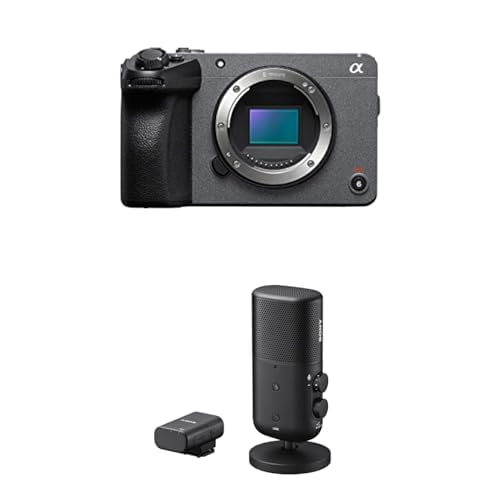
FX30 with ECM-S1 Streaming Mic Bundle

QUIOF 4K Autofocus Vlogging Camera (White)

XbotGo Falcon 4K AI Sports Camera (Green)

ocxu 4K Point-and-Shoot for Kids

QUIOF 4K Autofocus Vlogging Camera (Black)
QUIOF 4K Autofocus Vlogging Camera (Pink)

XbotGo Falcon AI Action Camera, 4K

XbotGo NT4 PRO Carbon Fiber Tripod 12.8ft
A Closer Look At Each Pick
The Sony FX30 is the camera most people mean when they say “compact cinema body.” Its Super 35 sensor captures detailed footage that holds up to color grading, yet the whole rig slips into a small shoulder bag with a prime lens attached. Pair it with a compact shotgun mic and you have a run-and-gun documentary setup that weighs less than a mid-size DSLR.
For creators stepping up from a smartphone or older mirrorless, the jump in dynamic range (the range of shadows and highlights a sensor can record in one shot) and rolling-shutter behavior (how much the image warps during fast pans) is the real story. Footage looks filmic straight out of the body, and the autofocus sticks to faces without much fuss.
What Makes Sense
- Compact body that travels well for documentary and event shooters
- Cinematic color profile for ready-to-share footage without heavy grading
- Strong autofocus tracking for solo creators working without a focus puller
- Sensor delivers clean shadow detail for log shooting (flat, low-contrast footage kept for later color work)
- Accepts Sony E-mount lenses, giving access to a deep used-glass market
Honest Caveats
- No internal ND filter, so bright outdoor days often demand a screw-on variable ND
- Relatively short recording limits at high frame rates may interrupt long interview takes
Feature Snapshot
Made For
Solo filmmakers, indie YouTubers, and event videographers who want cinema-grade footage from a small, travel-friendly body.
Reach For A Different Pick When
You mostly record youth sports on a sideline, where the XbotGo Falcon’s AI tracking handles the camera work for you.
Take the FX30 and add Sony’s ECM-W3 dual-channel wireless system, and you have a turnkey kit for two-person interviews and on-the-fly documentaries. The receiver mounts cleanly to the camera’s hot shoe, and each transmitter clips onto a lapel for cable-free dialogue capture.
Where the standalone FX30 shines alone, this bundle adds the piece many filmmakers buy next anyway: reliable wireless audio. The rated range covers a long outdoor set or a small venue, so subjects can move around without dragging a boom behind them.
Key Advantages
- Two wireless channels for interview-style shoots without cable clutter
- Pairs natively with the FX30, removing guesswork about compatibility
- Long wireless range keeps talent mobile during long takes
- Cinematic FX30 image quality plus clean dialog in a single bundle
Worth Noting
- You will likely want a small windscreen for outdoor interviews to cut wind noise
- Charging two transmitters and a receiver adds a small daily routine
Best Suited To
Documentary shooters, podcast-style video hosts, and event videographers who run two-person interviews regularly.
Look Elsewhere When
You mostly livestream a single host and want a streaming-optimized mic, where the FX30 with ECM-S1 bundle fits better.
Same FX30 sensor, same S-Cinetone color, but this version ships with the ECM-S1 wireless streaming microphone aimed at solo creators who broadcast live. It’s the bundle for a single host who wants their face and voice to look and sound polished without a second camera operator.
For YouTube creators moving into regular livestreams, the ECM-S1 brings low-noise wireless audio that survives kitchen-table setups and crowded convention halls alike. Compared to the dual-channel bundle above, you lose the second mic channel but gain a mic tuned for solo voice clarity.
A Few Strong Suits
- Tuned for solo livestreamers and talking-head creators
- Low intrinsic noise floor for clean voice capture
- Wireless design keeps the desk free of dangling cables
- FX30 image quality carries the same cinematic look across camera and stream
Things To Consider
- One channel means no native two-host interviews without an extra mic
- Best results require a quiet room, since the mic picks up close speech very well
Right Fit For
Solo livestreamers, online educators, and content creators who want a single tidy rig for both recorded video and live broadcasts.
Not Your Match When
You regularly shoot two-person conversations on location, where the FX30 with ECM-W3 bundle handles dual hosts more cleanly.
The QUIOF white compact camera drops into the casual 4K category with no menus to wrestle. It ships with a 32GB SD card in the box, autofocus that locks on a face during a vlog, and 16X zoom to frame yourself or a scene from across the room.
For new creators who want better video than their phone without learning cinema menus, this is the friendly entry point. Compared to the FX30 above, it gives up sensor size and manual control for an experience a younger user can hand to a sibling.
What Helps Most
- Autofocus and anti-shake do the heavy lifting so beginners stay focused on framing
- 32GB card included, so you can start shooting the day it arrives
- 16X zoom covers talking heads and distant scenes without lens swaps
- Compact plastic body fits small hands and travel bags
Room For Improvement
- Small sensor struggles in dim living rooms and dusk scenes
- Plastic build may show scuffs after a year of regular backpack use
Perfect Match For
Young vloggers, students recording class projects, and parents gifting a first camera to a tween.
A Better Fit Elsewhere
You want a deeper color workflow and lens flexibility, where the Sony FX30 offers room to grow.
The XbotGo Falcon is built around a single promise: press record, and the camera follows the action for you. Its AI tracking identifies players on a field, pans smoothly to keep them framed, and live-streams to a phone so a coach or grandparent can watch from the stands or the car.
Soccer moms and volunteer coaches tend to be the target audience, and you can see why. There’s no operator needed, just a sideline mount or tripod, and the camera does the job you would normally hire a film student for.
Useful Strengths
- AI auto-tracking locks onto players without a camera operator
- Live-streaming builds in, sidestepping extra encoder apps
- 4K recording captures detail in highlight clips
- Setup is short, which helps during tournament days
Trade Offs
- Field-of-view tracking works best with clear separation between players and sidelines
- Battery life depends heavily on whether you stream and record at the same time
Built With In Mind
Parents, assistant coaches, and club volunteers recording youth games where no videographer is on hand.
Swap It Out When
You need an elevated, stable camera position on the sideline, where the XbotGo NT4 PRO tripod gets the Falcon up to coaching perspective.
The ocxu leans hard into “press the shutter, get a photo.” It ships with a 64GB SD card, a simple menu, and a plastic shell that survives backpack duty. For a child who wants a “real camera” instead of a screen, this is the least intimidating option on the list.
The 4K video and high-megapixel stills are good enough for school projects, vacation albums, and birthday parties. Compared to the QUIOF models, the simpler menu layout is the real differentiator, since younger users aren’t forced to dig into advanced settings.
A Few Highlights
- Power-on-and-shoot flow keeps young users in the moment
- 64GB card included, so storage is one less thing to think about
- Compact, lightweight shell is friendly to small hands
- Encourages off-screen creativity for kids stepping away from phones
Softer Spots
- Plastic body will likely need a small bag to handle playground drops
- Low-light performance drops compared to larger-sensor beginner cameras
Whose Shelf It Belongs On
Children, tweens, and any casual beginner who wants a near-zero-learning-curve camera for everyday memories.
Skip It When
You want a more grown-up feature set like 16X zoom and a bundled SD card option, where the QUIOF black or pink picks cover those bases.
The black version of the QUIOF camera is the travel-friendly sibling to the white one earlier in this list. Same 16X zoom, same anti-shake, same bundled 32GB card, but in a body that disappears into a jacket pocket and looks more grown-up on a vlogging rig.
For teens heading into their first travel-vlog summer or content creators who want a backup body in their bag, the format hits the sweet spot between spec sheet and casual use. It records 4K video without demanding any extra accessories to start.
Bright Spots
- Autofocus and anti-shake together handle walking-talking vlogs
- Pocketable form factor makes it a true everyday carry
- Bundled SD card and rechargeable battery simplify the first day
- Black shell hides scuffs from daily backpack use
A Few Limitations
- Sensor size limits indoor performance versus larger-sensor compacts
- Zoom range helps framing, but optical quality drops at the long end
Who Should Grab It
Teens, travel vloggers, and casual creators who want a small black-bodied 4K camera to keep in a coat pocket.
A Better Fit Elsewhere
You plan to gift the camera to a younger child who would prefer a friendlier white finish, where the QUIOF White covers that need.
Specs identical to the black QUIOF, but in a pink shell that makes it an easy birthday or holiday gift. The point of this pick is recognition: a tween or teen opens the box and immediately sees “mine.” From there, the autofocus and anti-shake do the same job they do on the black version.
It’s the same camera reviewed above with a different finish, so buying decision comes down to color preference and what fits the recipient. Compared to the ocxu kid-friendly model, the QUIOF offers a touch more zoom reach for the same basic point-and-shoot feel.
Benefits That Matter
- Eye-catching pink shell stands out in a drawer of black electronics
- Identical 16X zoom and anti-shake to the black version
- Bundled 32GB card means no extra shopping on day one
- Lightweight build fits smaller hands and lighter bags
Practical Considerations
- Glossy colored finish may show fingerprints more than matte black
- Same small-sensor caveat as the other QUIOF models in dim rooms
Perfect Match For
Gift-givers shopping for a tween, teen, or anyone who prefers a colorful camera they can spot instantly in a backpack.
Where Another Pick Suits Better
You’d rather skip the color statement and go for a neutral body, where the QUIOF Black is the obvious alternative.
The standard XbotGo Falcon drops the colored shell but keeps the AI tracking, 4K recording, and live streaming that make the system tick. For parents who want game film without thinking about a camera, this is the core unit that handles the action on its own.
Compared to the green Falcon reviewed earlier, this version targets households that don’t care about the colored finish and just want the camera body to disappear into the background. Pair it with the NT4 PRO tripod below for a full sideline rig.
What Works In Its Favor
- AI auto-tracking removes the need for an operator on the sideline
- Live streaming keeps far-away family in the loop during games
- Compact action form factor is easy to mount on a fence or tripod
- 4K recording preserves detail in cropped highlight clips
Where It May Fall Short
- Tracking accuracy depends on clear player separation in busy scenes
- Long tournament days may require a spare battery or power bank
Built With In Mind
Parents, grandparents, and volunteer videographers who want setup-and-forget coverage of youth and amateur sports.
Another Choice May Suit
You need a stable elevated angle on the sideline, where the XbotGo NT4 PRO tripod gives the Falcon a better vantage point.
The NT4 PRO isn’t a camera, it’s the stand that makes the cameras on this list actually useful on a sideline. Carbon fiber keeps the weight manageable while the air-cushioned center column (a mechanism that slows the final drop, protecting your gear when you lower it) protects the Falcon when you collapse it after a game.
Twelve-plus feet of height puts the lens well above heads in the stands, so the AI tracker sees the field instead of a wall of jackets. The horseshoe foot pads dig into grass without sinking, which matters when the field is wet.
Useful Highlights
- Tall 12.8-foot reach for clear sideline-to-field sightlines
- Carbon-fiber build cuts weight without sacrificing rigidity
- Air-cushioned column lowers the camera gently to protect the mount
- Horseshoe foot pads grip grass and hard ground alike
Things To Weigh
- Full extension adds setup time compared to a tabletop tripod
- Larger footprint than typical camera tripods, so it needs trunk space
Quick Facts
Who Will Love This
Coaches, parents, and videographers who already have a Falcon or similar camera and need a stable tall stand for sideline coverage.
Skip It When
You mainly shoot handheld travel or vlog content, where a smaller travel tripod is a more natural fit.
What To Weigh Before Buying a Compact 4K Camera
Sensor Size and Low-Light Behavior
The single biggest split in this category is sensor size. Larger sensors like the Super 35 in the Sony FX30 capture cleaner low-light footage and give you that shallow, blurred-background look. Smaller sensors in the QUIOF and ocxu cameras keep the body compact but ask for better light. If you plan to shoot indoors often, the larger sensor is the safer bet.
Autofocus and Stabilization That Match Your Style
Autofocus quality varies widely between beginner compacts and cinema bodies. The FX30 uses sophisticated subject tracking for documentary work, while the QUIOF vlogging cameras rely on face-detect autofocus that’s good enough for talking heads. Optical or electronic stabilization, often called anti-shake, is critical for walking-talking vlogs and handheld sports footage, so check what kind each camera offers before committing.
Audio Is Half the Picture
Clean video with tinny audio still looks amateur. The Sony FX30 bundles pair a cinema camera with a wireless mic system, which makes them strong picks for creators who care about sound. Beginners can add a small external mic later, but it’s worth budgeting for if you plan to vlog or interview.
Accessory Compatibility
Compact cameras that share a mount system with bigger bodies, like the Sony E-mount on the FX30, open the door to a much wider lens library over time. Simpler point-and-shoots won’t grow with you, but they don’t need to. Pick based on whether you want a camera that scales up with your skills.
Smart Angles To Consider Before You Commit
Common Buying Traps To Sidestep
Many shoppers fixate on megapixel counts and miss the sensor size, which affects image quality far more. Another slip is buying a camera without confirming the type of SD card slot and maximum card size, since 4K video fills cards fast. Look for the actual frame rates at 4K resolution, since some budget cameras drop resolution or frame rate when you enable stabilization, which can quietly sabotage your footage.
Where The Higher Price Goes In Premium Cameras
Spending more in this category typically buys a bigger sensor, better autofocus, log color profiles for grading, and audio inputs that accept external microphones. For creators who edit footage, those features pay off across every project. Casual shooters who mostly post clips to social media without editing often find the premium tier unnecessary. The honest read is that a mid-range option covers most beginners, while the cinema bodies reward people who actually use the extra controls.