A 50mm prime sits at the heart of almost every camera bag, and the f/1.4 versions hit a sweet spot between speed and reach. Photographers reach for a fast 50 to separate subjects from backgrounds in low light, capture environmental portraits on the street, or shoot video with a clean, natural look. The list below covers DSLR and mirrorless options across Nikon, Canon, and Sony mounts, so you can match a pick to the camera you already own. Each entry notes who benefits most, where the lens excels, and which honest trade-offs to weigh before you commit.
A Fast Comparison Of The Options

ZEISS Otus ML 50mm f/1.4 Lens for Nikon Z Mount

Nikon AF-S FX NIKKOR 50mm f/1.8G Lens
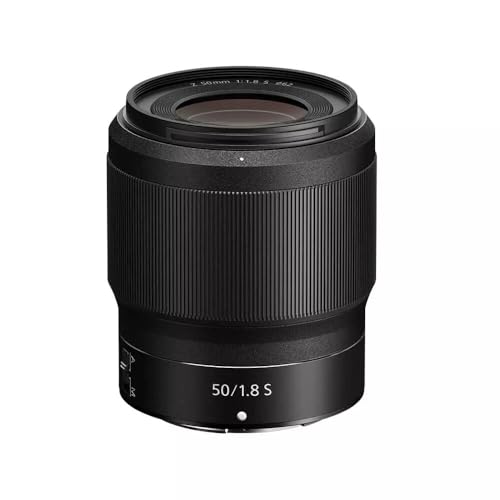
Nikon Nikkor Z 50mm f/1.8 S Lens

Canon EF 50mm f/1.8 STM Lens International Version

Canon EF 50mm f/1.8 STM Lens (Black)
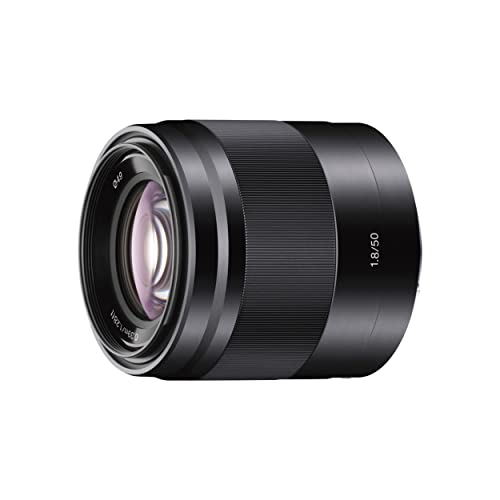
Sony E 50mm f/1.8 OSS Portrait Lens

Nikon AF-S FX NIKKOR 50mm f/1.4G Lens

ZEISS Otus ML 50mm f/1.4 Lens for Sony E Mount
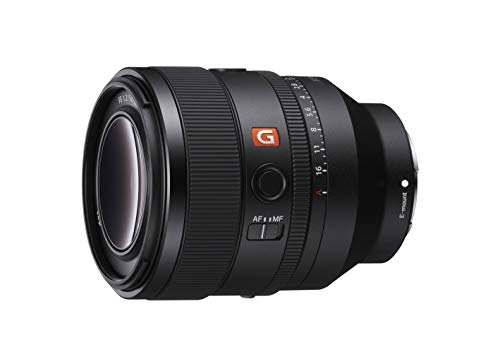
Sony FE 50mm f/1.2 GM Full-Frame G Master Lens
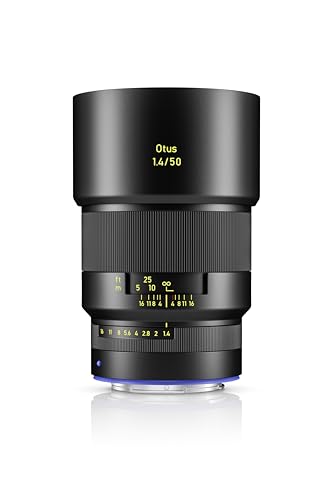
ZEISS Otus ML 50mm f/1.4 Lens for Canon RF Mount
The Strengths Of Each Pick
The ZEISS Otus ML 50mm f/1.4 for Nikon Z mount arrives as a manual-focus reference optic built for photographers who obsess over micro-contrast and edge-to-edge clarity. Where the more pedestrian Nikon Nikkor Z 50mm f/1.8 S below relies on autofocus convenience, this lens trades that for traditional, deliberate focusing on a precision helicoid. You feel the damping tighten as you approach the focal plane, and the focus throw is long enough for accurate work at wide apertures.
It suits studio portraitists, product shooters, and landscape photographers who already shoot Nikon Z and want a 50mm that resolves every detail the sensor can capture. Photographers archiving color-critical commercial work may find this a useful primary lens, while casual shooters will likely leave it on the shelf.
Positive Takeaways
- Manual-focus design gives precise control for still subjects at wide apertures.
- ZEISS optical heritage aims at high micro-contrast and clean color rendering.
- Native Nikon Z mount, so flange distance and electronics match modern mirrorless bodies.
- Solid mechanical build supports years of regular studio use.
- Resolves well on high-megapixel Z bodies for archival-grade files.
Trade-Offs To Consider
- No autofocus means fast street and event shooting becomes harder.
- Larger and heavier than most Z-mount 50mm primes, so it pairs less naturally with compact bodies like the Z fc.
- Owners commonly report the premium optical design demands careful handling to keep the front element clean.
Who It Suits Best
Studio and landscape photographers shooting Nikon Z who want a deliberate, high-resolution 50mm for controlled environments.
Look Elsewhere When
Hybrid shooters needing autofocus should consider the Nikon Nikkor Z 50mm f/1.8 S covered below, which delivers strong sharpness with reliable AF.
The Nikon AF-S FX NIKKOR 50mm f/1.8G is a familiar sight in the bags of F-mount owners, and for good reason. The f/1.8 maximum aperture gathers meaningful light for indoor scenes, and the AF-S motor keeps focusing brisk on older Nikon DSLRs. On a full-frame body, the 47-degree picture angle produces a perspective close to what your eye actually sees, which is a comfortable middle ground for everyday shooting.
This lens works well for enthusiasts upgrading from a kit zoom who want a sharper, faster prime without overspending. It is a sensible second-lens purchase, especially for portraits and indoor family moments where low light tends to win.
Bright Spots
- Compact and light, so it rarely unbalances smaller DSLRs.
- AF-S motor provides dependable autofocus for action and portraits.
- Affordable entry into fast-prime territory for FX owners.
- Renders nicely when stopped slightly down from wide open.
Points To Keep In Mind
- F-mount only; mirrorless Z users will need an FTZ adapter, which adds size.
- Wide-open performance shows soft corners on demanding scenes.
- Plastic mount construction may feel modest next to metal-clad primes.
Right Fit For
Nikon DSLR enthusiasts seeking an inexpensive, reliable normal prime for portraits and everyday scenes.
A Better Fit Elsewhere
Z-mount mirrorless users will find the native Nikon Nikkor Z 50mm f/1.8 S a smoother pairing, since it skips the adapter altogether.
The Nikon Nikkor Z 50mm f/1.8 S is the S-line prime most Z shooters eventually consider, weighing roughly 415 grams and built around a Nano Crystal Coat that aims to control flare and ghosting. Multi-focus stepping motors run the autofocus quietly, which matters when you’re recording interviews or shooting stills at a quiet event. Its f/1.8 maximum aperture handles dusk street scenes without pushing ISO too high.
Hybrid shooters who move between stills and video will find this lens flexible, and Z6 and Z7 owners benefit from the full-frame coverage. Enthusiasts who want one well-rounded normal lens for most situations will keep it on the camera most days.
Positive Points
- Nano Crystal Coat helps suppress flare when shooting toward bright light.
- Multi-stepping AF motors stay nearly silent during video capture.
- Weather-sealed S-line construction handles light rain and dusty streets.
- Sharp across the frame at mid-range apertures, suitable for landscapes and portraits alike.
- Compact enough to balance on smaller Z bodies like the Z 5.
Small Caveats
- f/1.8 maximum aperture is one stop slower than the f/1.4 options above it.
- Some owners mention occasional focus hunting in very dim interiors.
Quick Facts
Best Suited To
Nikon Z owners who want a versatile everyday normal lens that performs well for both stills and video.
Skip It When
Photographers chasing an f/1.4 look should look at the Nikon AF-S FX NIKKOR 50mm f/1.4G instead, which delivers wider aperture on F-mount DSLRs.
The Canon EF 50mm f/1.8 STM International Version is the lowest-priced path into fast Canon primes, trading the domestic warranty for a friendlier cost. The STM stepping motor focuses smoothly, which helps beginners who want their first dedicated portrait lens. The Super Spectra coating keeps contrast reasonable even when a stray light source slips into the frame.
Students, hobbyists, and first-time DSLR upgraders will appreciate the small investment needed to get sharp 50mm results. Owners planning to migrate to RF mirrorless should note the EF mount, since an adapter is required.
The Helpful Details
- Lowest-cost way to step up from a kit zoom on Canon EOS DSLRs.
- STM motor stays quiet during video autofocus.
- Light enough to keep mounted on entry-level bodies like the Rebel series.
- Produces strong subject separation at f/1.8 for portraits.
Things To Weigh Up
- International version arrives without a Canon domestic warranty.
- EF mount requires an adapter for RF mirrorless bodies.
- Plastic build quality is light in the hand and prone to scuffs over time.
Who Should Grab It
First-time Canon DSLR owners on a tight budget who want a fast normal prime to learn depth-of-field control.
Reach For A Different Pick When
Shooters who want a backed Canon warranty should consider the Canon EF 50mm f/1.8 STM (Black) reviewed next, which offers the same optical design with domestic coverage.
The Canon EF 50mm f/1.8 STM is the version most Canon shooters remember, packaged in a black shell with a stepped motor for smooth, near-silent focusing. The minimum focusing distance of 1.15 feet and 0.21x maximum magnification let you get closer to tabletop subjects than older 50mm designs. A 40-degree horizontal angle of view on full-frame keeps framing comfortable for portraits and street scenes.
It suits hobbyists and vloggers shooting on EOS DSLRs who want a versatile everyday prime. Compared with the international version above, this model adds domestic warranty support and the same Canon build.
Strong Points
- STM autofocus supports smooth continuous focusing during video.
- Close minimum focus distance expands what a 50mm can shoot, from food to flowers.
- Light enough at roughly 160 grams to live on smaller DSLRs full-time.
- Provides strong subject isolation for portraits at f/1.8.
Honest Caveats
- EF mount means RF users need an adapter, adding length and weight.
- Build quality leans light, so you’ll want a protective case in your bag.
Made For
Canon EOS DSLR hobbyists and casual video creators who want a quiet, affordable 50mm for everyday shooting.
Consider Something Else When
Sony APS-C mirrorless shooters should consider the Sony E 50mm f/1.8 OSS below, which offers optical stabilization tailored to smaller sensor bodies.
The Sony E 50mm f/1.8 OSS (model SEL50F18/B) brings optical SteadyShot stabilization to Sony’s APS-C mirrorless lineup, a feature that’s especially useful when the lens effectively becomes a 75mm equivalent on those bodies. A seven-blade circular aperture helps render the out-of-focus areas softly, which portrait photographers tend to care about. The 0.16x maximum magnification and 0.39 m minimum focus distance handle casual close-ups.
It makes sense for Sony a6000-series owners who shoot handheld video, indoor family moments, or street portraits and want steadier results in low light. For full-frame E-mount shooters, the Sony FE 50mm f/1.2 GM covered later offers a more professional option.
Useful Highlights
- Built-in OSS reduces blur from handshake in dim interiors.
- Circular aperture contributes to smooth background blur.
- Lightweight body balances well on smaller APS-C cameras.
- Effective 75mm equivalent field of view on crop bodies is flattering for portraits.
Practical Considerations
- APS-C-optimized coverage leaves full-frame bodies in crop mode.
- Slow AF for video compared to newer Sony linear-motor primes.
Who Will Love This
Sony APS-C mirrorless photographers who want stabilized portraits and a compact normal-prime feel in everyday use.
Where A Sibling Pick Shines
Full-frame Sony shooters should look at the Sony FE 50mm f/1.2 GM instead, since it covers the larger sensor with a brighter aperture.
The Nikon AF-S FX NIKKOR 50mm f/1.4G has long been a favorite for FX DSLR owners who want that classic one-stop-wider aperture over f/1.8. An ultrasonic-type AF motor with full-time manual focusing keeps the action responsive, and the lens accepts standard 58mm filters, simplifying your filter kit. Minimum focus distance of 0.45 m is generous for an older fast prime, useful for tighter portrait crops.
It rewards portrait enthusiasts and wedding photographers working in mixed lighting, especially on full-frame Nikon DSLRs like the D750 or D850. Compared with the AF-S 50mm f/1.8G earlier, this lens adds shallower depth of field and stronger background separation at the cost of size.
What Works In Its Favor
- f/1.4 maximum aperture enables shallower depth of field than f/1.8 alternatives.
- Ultrasonic AF motor pairs nicely with high-end Nikon DSLRs.
- Full-time manual override lets you fine-tune focus without leaving AF mode.
- Standard 58mm filter thread simplifies lens kit setup.
Where It May Fall Short
- Heavier than the f/1.8 sibling, which adds fatigue on long shoots.
- F-mount limits native use on Z bodies without an FTZ adapter.
- Wide-open sharpness can be softer in the corners until stopped down.
Feature Snapshot
Perfect Match For
Nikon full-frame DSLR owners seeking an authentic f/1.4 rendering for portraits and event photography.
Swap It Out When
Mirrorless-first shooters should pick the Nikon Nikkor Z 50mm f/1.8 S instead, since it integrates natively with Z bodies and offers modern autofocus.
The ZEISS Otus ML 50mm f/1.4 for Sony E mount delivers the same deliberate manual-focus experience as its Nikon sibling but on Sony bodies. The mount is purpose-built for the shorter E-mount flange distance, so the lens pairs correctly with both APS-C and full-frame E cameras. Photographers who shoot landscapes, architecture, and controlled portrait sessions tend to gravitate toward this level of optical discipline.
Sony shooters with high-resolution bodies like the a7R V will appreciate the extra resolving power for archival work. It is the right choice for those who value rendering over autofocus speed, and less so for fast-paced event coverage.
Advantages To Know
- Native E mount avoids adapters and preserves lens-to-sensor alignment.
- Manual-focus precision supports deliberate studio and landscape work.
- ZEISS optical design targets high contrast and accurate color rendition.
- Robust mechanical build for years of steady use.
A Few Limitations
- Manual focus rules out quick tracking of moving subjects.
- Size and weight are substantial compared to native Sony AF primes.
- Premium-tier pricing places it beyond casual hobbyist budgets.
Built With In Mind
Sony E-mount photographers who shoot static subjects and want top-tier optical fidelity for archival and portrait work.
Not Your Match When
Shooters needing fast hybrid autofocus should consider the Sony FE 50mm f/1.2 GM, which offers a brighter aperture with reliable AF tracking.
The Sony FE 50mm f/1.2 GM expands the aperture half the typical stop wider than f/1.4, opening the door to exceptionally shallow depth of field on full-frame E bodies. The G Master label signals Sony’s focus on edge-to-edge sharpness even wide open, with creamy background rendering for portraits. Autofocus uses linear motors that stay quiet during video and track accurately on subjects moving through the frame.
It is the lens for wedding and portrait professionals who shoot Sony and want to differentiate themselves with a brighter-than-f/1.4 look. Compared with the ZEISS Otus ML on E mount above, this lens adds autofocus and wider aperture at the cost of a different rendering character.
Well-Handled Touches
- f/1.2 maximum aperture enables extremely shallow depth of field.
- Linear-motor AF tracks moving subjects during stills and video.
- Designed to maintain sharpness even wide open across the frame.
- Robust professional build aimed at working photographers.
- Compatible with full-frame and APS-C Sony E bodies.
Possible Compromises
- Premium-tier pricing exceeds what casual shooters typically invest.
- Larger size than the f/1.8 and f/1.4 alternatives reviewed earlier.
Feature Card
The Right Fit
Professional Sony shooters who shoot portraits, weddings, or editorial work and want the shallowest depth of field available in a 50mm AF prime.
Where Another Pick Suits Better
Photographers on tighter budgets should look at the Sony E 50mm f/1.8 OSS, which costs a fraction of the G Master and adds stabilization for APS-C bodies.
The ZEISS Otus ML 50mm f/1.4 for Canon RF mount rounds out the Otus ML trio with the same manual-focus discipline, this time tailored to Canon’s mirrorless mount. The flange distance and electronics align natively with RF bodies, including the EOS R5 and R6 series. Photographers who already use ZEISS glass for color-critical work will appreciate the consistency across systems.
It is a worthwhile addition for commercial studio photographers, fine art printers, and product specialists who shoot Canon RF. If your work leans more toward events or video, an autofocus-native Canon RF prime will keep your workflow faster.
Notable Upsides
- Native RF mount supports full electronic communication with Canon mirrorless bodies.
- Manual-focus precision appeals to still-life and architectural work.
- ZEISS optical formula aims at high micro-contrast and accurate rendering.
- Solid mechanical build handles daily studio use.
What To Weigh
- No autofocus means this lens is impractical for events and family shooting.
- Premium pricing is steeper than most autofocus RF primes.
Whose Shelf It Belongs On
Canon RF studio photographers who want reference-grade optics and shoot static, controlled subjects.
Another Choice May Suit
Shooters wanting a wider aperture and autofocus on RF bodies should consider Sony FE 50mm f/1.2 GM coverage above for comparison, or a native Canon RF autofocus prime.
What To Know Before Picking A 50mm f/1.4
Match The Mount First
Every 50mm prime on this list was designed for a specific camera mount, and mixing mounts without an adapter is impossible. Nikon Z owners should look at the Nikon Z and ZEISS ML Z options, while Canon RF users pair with the Canon RF and ZEISS ML RF lenses. Sony shooters consider the E-mount ZEISS ML, Sony APS-C 50mm f/1.8 OSS, or the full-frame FE 50mm f/1.2 GM. Adapters can bridge DSLR lenses to mirrorless bodies, though they add length and sometimes reduce autofocus speed. Choosing a native mount keeps your kit lighter and autofocus faster.
Understand The Aperture Trade-Off
An f/1.4 lens gathers about twice the light of an f/2.8 zoom, which lets you shoot indoors without bumping ISO or using flash. The wider aperture also creates shallower depth of field, so a portrait subject’s nose might be sharp while their ears blur out. Some lenses soften in the corners when shot wide open, so stopping down to f/2 or f/2.8 often improves edge sharpness. Think about whether you shoot wide open often or prefer mid-range apertures, since that affects how much the premium glass actually pays off for your style.
Decide If Manual Focus Fits Your Work
The ZEISS Otus ML trio above is manual focus only, which feels restrictive for events but rewarding for studio work. Autofocus lenses, like the Nikon Z 50mm f/1.8 S and Sony FE 50mm f/1.2 GM, keep pace with moving subjects and work well for hybrid shooters. A manual focus lifestyle demands careful focusing technique and a camera with focus peaking or magnification to hit critical sharpness at wide apertures.
Consider Build Quality And Weight
Premium metal-barrel lenses often weigh more than plastic consumer models, but they handle daily use better and survive years of bag time. Weather sealing matters for outdoor photographers who shoot in light rain or dusty environments. Lighter lenses are easier to carry all day but may flex under heavy use or feel cheap in the hand. Pick a build that matches how often you carry the lens and the conditions you shoot in.
Two Things Worth Thinking Through
Pitfalls Shoppers Hit
A common slip is buying the cheapest 50mm and expecting it to match premium glass at wide apertures. Inexpensive f/1.8 lenses soften in the corners until stopped down, and they lack the coatings that suppress flare. Another trap is picking the wrong mount, since EF, F, E, Z, and RF glass is not interchangeable without adapters that slow autofocus. Owners also underestimate filter thread sizes and end up buying new filters after the lens arrives, so check that 58mm or 62mm matches your existing kit. Finally, focus breathing and minimum focus distance vary widely between lenses, which matters if you shoot video or close tabletop subjects.
Where The Extra Money Goes
Spending more on a 50mm prime typically buys wider maximum aperture, sharper corner performance wide open, better coatings for flare control, and sturdier weather-sealed construction. Autofocus speed and precision also improve at higher tiers, since linear and ultrasonic motors outpace basic stepper designs. Premium lenses often include features like customizable focus hold buttons or aperture rings, which help working photographers in fast-paced environments. The extra cost pays off most for portrait, wedding, and commercial photographers who shoot wide open and need consistent edge-to-edge sharpness. For casual hobbyists, the gains over an entry-level f/1.8 may not justify the price jump, depending on how often they shoot in low light or print large.
Frequently Asked Questions
What Is The Difference Between f/1.4 And f/1.8?
An f/1.4 lens opens to a wider aperture than f/1.8, letting in roughly one stop more light and producing shallower background blur. The trade-off is size, weight, and usually a higher cost for the wider aperture.
Can I Use A DSLR Lens On A Mirrorless Camera?
Yes, with the right adapter. Nikon F lenses work on Z bodies via the FTZ adapter, Canon EF lenses work on RF bodies with the EF-EOS R adapter, and Sony E bodies accept many DSLR lenses through brand adapters. Autofocus speed may be slower than with native mirrorless lenses.
Is A 50mm Good For Portraits?
A 50mm is a versatile portrait focal length, especially on full-frame bodies where the perspective feels natural and flattering. On APS-C cameras the same lens behaves more like a 75mm equivalent, which tightens the framing and increases background blur.
What Does OSS Or VR Mean?
OSS (Optical SteadyShot) and VR (Vibration Reduction) refer to image stabilization systems built into the lens. They reduce blur from handheld camera shake, especially in low light at slower shutter speeds.
How Do I Clean A 50mm Prime Safely?
Use a rocket air blower first to remove loose dust, then a microfiber cloth with a small amount of lens fluid for smudges. Avoid touching the rear element and never spray fluid directly onto the glass surface.
Closing Remarks
Your camera mount and shooting style will guide you faster than any spec sheet alone. A budget-conscious Canon DSLR owner will feel right at home with the EF 50mm f/1.8 STM, while a working Sony pro will reach for the FE 50mm f/1.2 GM every time. Take a moment to think about whether manual focus or autofocus suits your typical day, then match the lens to that rhythm.