Compact, capable, and friendlier than full-frame rigs, APS-C mirrorless cameras hit a sweet spot for creators who want quality without the bulk. If you’re chasing better travel shots, stepping up from a smartphone, or building a hybrid photo-and-video setup, this format deserves a real look. The ten models below span everything from entry-friendly kits to high-resolution workhorses, each picked for a clear reason. Think of this as a guided tour through the strongest options worth your attention this year.
Your Options, Compared
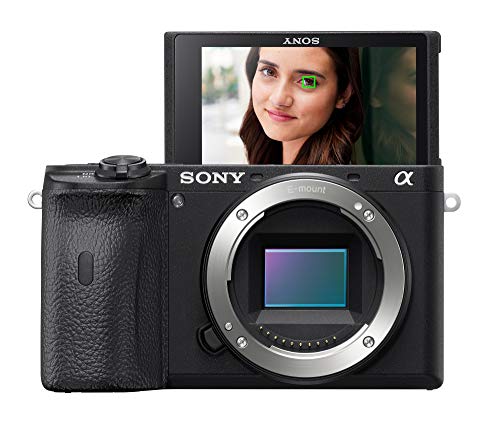
Sony ILCE6600/B Alpha A6600 Mirrorless Camera (Black)

Fujifilm X-T50 Mirrorless Digital Camera Lens Kit (Charcoal Silver)
Sony Alpha a6400 APS-C Mirrorless Camera Body (Black)

Canon EOS R50 Content Creator Kit (Black)

Sony a7R III Full Frame Mirrorless Camera Body (Black)

Canon EOS R10 Mirrorless Camera Lens Kit
Sony Alpha A6100 Mirrorless Camera with 16-50mm Lens (Black)

Fujifilm X-T3 Mirrorless Digital Camera Body (Silver)

Sony Alpha a6700 APS-C Mirrorless Camera Lens Bundle (Black)

Fujifilm X-T5 Mirrorless Digital Camera Body (Silver)
A Breakdown Of The Leading Choices
The Sony a6600 earns its place near the top of any APS-C shortlist by combining fast hybrid autofocus with a body that genuinely holds up to long days. For hybrid creators shooting travel clips one afternoon and portraits the next, the real-time tracking and 4K video capability keep both stills and motion looking sharp. Compared to the Fuji X-T3 reviewed below, this Sony leans more toward speed than tactile dials.
The magnesium-alloy body feels dense without tipping into heavy territory, and the deeper grip pays off during extended handheld walks. Battery life is generous for the class, which matters if you’re chasing street light at dusk or running a long event coverage session. The trade-off is a price tag that pushes it out of the casual-shooter zone.
Useful Strengths
- Real-time eye-tracking autofocus that locks onto humans and animals with rare consistency in this format.
- Stamina from the larger NP-FZ100 battery, rated for hundreds of stills per charge in real-world travel scenarios.
- 5-axis in-body image stabilization that steadies handheld video and low-light stills alike.
- Tilt screen that flips a full 180 degrees for solo vlogging and self-recording setups.
Things To Consider
- Menu system runs deep, so first-time Sony users may need patience before muscle memory kicks in.
- No in-camera flash means a small accessory is required for casual fill lighting indoors.
Quick Facts
Made For
Travelers, hybrid shooters, and parents documenting kids’ sports who want a single camera that handles stills and video with equal confidence.
Skip It When
Budget-conscious hobbyists will get more value from the Sony A6100 covered below, which delivers similar autofocus basics at a friendlier entry point.
The Fujifilm X-T50 leans into what Fuji does best: dial-heavy controls, film simulation modes, and a body shape that begs to be carried everywhere. The dedicated Film Simulation dial on top is a first for the X-series line, and for street photographers who want a specific look baked into the JPEG, that single dial reshapes the shooting experience. Compared to the more clinical Sony a6600 above, this one rewards slow, deliberate framing.
The included XC 15-45mm power zoom stays compact when retracted, fitting jacket pockets more easily than most kit lenses in this list. Image quality leans toward Fuji’s characteristically warm rendering, and the autofocus, while solid, doesn’t quite match Sony’s class-leading tracking. You’ll get the most out of this body by pairing it with Fuji’s growing lineup of small prime lenses.
What It Does Well
- Dedicated Film Simulation dial with 20 modes including the new REALA ACE option, great for JPEG shooters who don’t want to edit.
- Compact power zoom lens that retracts for travel and stays quiet during video capture.
- Classic Fuji styling with top-mounted dials for shutter speed and ISO at your fingertips.
- Shares much of its sensor and processor DNA with the popular X100VI, just in an interchangeable-lens body.
Trade Offs
- Autofocus tracking lags behind Sony’s a6600 and a6700 in fast-moving subject scenarios.
- The compact body leaves little room for larger battery grips if you shoot marathon events.
Whose Shelf It Belongs On
Style-conscious street photographers, travel journal keepers, and hobbyists upgrading from a Fuji X100-series who want interchangeable lenses.
Another Choice May Suit
Hybrid creators who shoot more video than stills and prioritize subject-tracking autofocus will find the Sony a6400 in this list a better match.
The Sony a6400 packs serious tracking autofocus into a body small enough for a coat pocket or small sling bag. For solo creators filming themselves, the flip-up screen and real-time eye AF solve two of the biggest vlogging headaches in one go. Against the Fuji X-T50 reviewed earlier, this body trades Fuji’s tactile charm for raw speed and responsiveness.
This body-only listing assumes you’ll bring your own lenses, which keeps the package lighter for shooters who already own Sony E-mount glass. Continuous shooting speed hits 11 frames per second with reliable subject tracking, which is plenty for most action scenarios short of professional sports. Battery life is the weakest link here, so packing a spare is wise for longer outings.
Well-Handled Touches
- World-class autofocus with 425 phase-detection points covering roughly 84 percent of the frame.
- 180-degree flip screen that stays useful for vlogs, selfies, and tripod work without blocking the viewfinder.
- Compact, lightweight body that travels well in small bags or large jacket pockets.
- 4K video oversampled from 6K, which delivers crisp footage without cropping the field of view.
Honest Caveats
- Battery drains faster than the larger cells in the a6600, so spares are practically required.
- No in-body image stabilization means relying on stabilized lenses for handheld video.
Feature Snapshot
Best Suited To
Traveling vloggers, content creators, and hobbyists who already own Sony E-mount glass and want flagship-level autofocus in a travel-friendly body.
Look Elsewhere When
Buyers wanting an all-in-one starter bundle should look at the Canon EOS R50 Content Creator Kit covered below, which ships with lens, microphone, and grip.
The Canon EOS R50 Content Creator Kit is essentially a turnkey vlogging rig in a single box. You get the 24.2MP R50 body, an RF-S 18-45mm stabilized zoom, a tripod grip, an external microphone, and a wireless remote, all designed to work together out of the package. For first-time creators intimidated by piecing together accessories separately, this is a friendly way to get started. The trade-off versus the Sony a6400 reviewed earlier is autofocus sophistication.
The R50’s compact body and intuitive touchscreen menus make it approachable, and Canon’s Dual Pixel CMOS autofocus (a phase-detection system built into the imaging sensor itself) handles face and eye detection reliably for talking-head content. Video tops out at 4K 30p oversampled from 6K, which keeps footage looking sharp on social platforms. For stills, the lightweight setup won’t tire you out on a long sightseeing day.
Strengths Worth Knowing
- Complete creator bundle that removes the guesswork of matching lenses, audio, and grips separately.
- Dual Pixel CMOS autofocus that locks onto faces and eyes for consistently sharp talking-head footage.
- Lightweight enough to mount on the included tripod grip for handheld vlogs without fatigue.
- Simple menu system and vari-angle screen that suit beginners transitioning from smartphones.
Soft Spots
- Native lens selection for RF-S mount is still growing, so lens upgrades may require patience.
- Smaller battery than full-frame Canon bodies means spares are useful for all-day shoots.
Spec Overview
Who Will Love This
First-time creators, students, and casual vloggers who want a single purchase that covers lens, audio, and stabilization without compatibility guesswork.
Not Your Match When
Shooters chasing professional-grade autofocus and weather sealing will find the Sony a6700 reviewed later in this list a stronger long-term platform.
The Sony a7R III is the odd entry here because it carries a full-frame sensor rather than the APS-C chip most shoppers in this category expect. That detail matters, though: the 42.4MP back-illuminated Exmor R sensor delivers noticeably more resolution and dynamic range than the APS-C models in this list. For studio, landscape, and portrait photographers whose subjects stay mostly still, the image quality leap justifies the premium. Compared to the Canon EOS R50 covered above, this is a different class of camera entirely.
Burst shooting still hits 10 fps with full autofocus tracking, which keeps it relevant for occasional action work. The 3-inch LCD tilts rather than fully articulates, so vloggers may want to look elsewhere. Body ergonomics feel balanced for both small primes and longer telephotos, and the dual SD card slots provide backup storage for client work.
Benefits That Matter
- 42.4MP resolution that holds up to heavy cropping and large-format printing.
- Wide 15-stop dynamic range that recovers detail in shadows and highlights during editing.
- 4K HDR video output that gives hybrid shooters flexibility without switching bodies.
- 5-axis in-body stabilization to steady handheld shots at slower shutter speeds.
Possible Compromises
- File sizes run large, so storage and backup workflows need planning.
- Full-frame glass costs more than APS-C equivalents, which raises total ownership cost.
Perfect Match For
Studio and landscape photographers, portrait specialists, and serious hobbyists who want maximum resolution and dynamic range in a single body.
A Better Fit Elsewhere
Travelers and casual shooters will get more size-to-image-quality balance from the Fujifilm X-T5 reviewed below, which delivers strong resolution in a smaller package.
The Canon EOS R10 is one of the lightest ways to step into the RF-mount mirrorless system without sacrificing autofocus competence. The DIGIC X processor is the same chip that powers Canon’s higher-end bodies, so subject tracking feels snappy when shooting pets, kids, or casual sports. Against the Sony a6400 reviewed earlier, the R10 trades a bit of low-light cleanness for a more intuitive menu layout.
The included RF-S 18-45mm stabilized zoom is small enough to leave on the body most of the time, and the vari-angle screen flips out for creative angles or self-recording. For photographers curious about Canon’s RF lens ecosystem but unsure where to start, this kit covers the basics without overcommitting. EF and EF-S lenses also work through an optional adapter, opening access to decades of used glass.
What Earns Its Place
- Lightweight body that pairs comfortably with compact RF-S zooms for travel days.
- 15 fps mechanical shutter burst with reliable autofocus, ideal for family and pet photography.
- 4K 60p video that crops slightly but delivers smooth motion for casual hybrid work.
- Access to growing RF and adapted EF lens ecosystems through Canon’s mount adapter.
Where It May Fall Short
- No in-body image stabilization, so handheld video depends on stabilized lenses.
- Battery life is modest, so carrying a spare helps during longer outings.
Built With In Mind
First-time mirrorless adopters, Canon DSLR upgraders, and families who want fast autofocus for active kids without a steep learning curve.
Reach For A Different Pick When
Creators focused heavily on vlogging will appreciate the all-in-one packaging of the Canon EOS R50 Content Creator Kit covered above.
The Sony A6100 is the most affordable way to access Sony’s real-time autofocus in an APS-C body, and that fact alone reshapes its value. For hobbyists stepping up from a smartphone or compact, the autofocus jump alone feels like moving into a different era. The included 16-50mm power zoom keeps the package small for travel days, though serious shooters will eventually want to add a prime.
Build quality matches the higher-tier a6400 reviewed earlier, with the same basic control layout and 3-inch tilting screen. Video quality reaches 4K at 30p, more than enough for social sharing. The catch shows up in buffer depth and battery life, both of which run shorter than pricier siblings. Owners commonly report that a small accessory battery becomes a regular companion for day trips.
Real-World Strengths
- Real-time autofocus that handles faces and eyes reliably for casual portraits and family moments.
- Compact kit lens that retracts when not in use, keeping the whole package pocketable.
- 4K video recording at this price tier, unusual for entry-level mirrorless options.
- 180-degree flip screen useful for self-recording and creative framing.
Things To Weigh
- Buffer fills quickly during extended burst shooting, slowing continuous capture.
- Plastic body construction feels lighter but less rugged than magnesium-alloy alternatives.
Right Fit For
Budget-conscious hobbyists, families, and first-time mirrorless adopters who want flagship-tier autofocus basics without flagship-tier pricing.
Where Another Pick Suits Better
Shooters wanting weather sealing and longer battery life will find the Sony a6600 reviewed at the top of this list a stronger long-term investment.
The Fujifilm X-T3 marked a turning point for APS-C video when it launched, offering 4K 60p recording at 10-bit color depth, a spec even some full-frame cameras struggled to match at the time. For hybrid shooters who care about grading footage in post, that headroom still holds up. Compared to the newer Fuji X-T50 reviewed earlier, the X-T3 trades a dedicated film simulation dial for more manual control dials spread across the body.
The 26.1MP X-Trans CMOS 4 sensor captures sharp stills with Fuji’s characteristically pleasing color science, and the magnesium-alloy body feels solid in the hand. Autofocus improvements over earlier Fuji bodies made this generation noticeably snappier, though it still trails Sony’s tracking for unpredictable subjects. Three-way tilting screen design favors stills shooters who occasionally flip the display for waist-level framing.
The Case For It
- 10-bit 4K video internal recording, a professional-grade feature rarely found at this format tier.
- Classic Fuji top-dial layout that gives direct access to shutter speed, ISO, and exposure compensation.
- Strong third-party lens support thanks to the X-mount’s longevity in the market.
- Solid build quality with weather resistance for shooting in less-than-ideal conditions.
Worth Bearing In Mind
- No in-body image stabilization, so stabilized lenses matter for handheld video work.
- Autofocus, while much improved, still trails current Sony bodies in continuous tracking scenarios.
The Right Fit
Hybrid shooters, film enthusiasts, and photographers upgrading from older Fuji bodies who prioritize color science and classic handling over absolute autofocus speed.
Consider Something Else When
Shooters focused on subject-tracking autofocus for sports and wildlife should consider the Sony a6700 covered next in this list.
The Sony a6700 is the most advanced APS-C body in Sony’s current lineup, blending the AI-powered autofocus of its flagship full-frame cameras with a smaller, lighter shell. The dedicated AI processing unit handles subject recognition for humans, animals, birds, insects, and vehicles with impressive consistency. For hybrid shooters who want cutting-edge tracking without full-frame bulk, this is the strongest argument in the list. Against the older a6600 reviewed earlier, the gains are subtle but meaningful.
The bundle configuration includes the E PZ 16-50mm power zoom, an extra battery, a shoulder bag, and a charger, covering most immediate needs out of the box. 4K 120p video opens slow-motion possibilities that simply weren’t available in earlier generations of this line. In-body image stabilization rounds out the package, which is a notable step up from the a6400 covered above.
Reasons It Performs
- AI-powered subject recognition that goes beyond faces and eyes to include vehicles, insects, and more.
- 5-axis in-body image stabilization steadies handheld video and low-light stills.
- 4K 120p video for cinematic slow motion in a compact body.
- Bundle includes extra battery and bag, reducing the cost of immediate accessories.
A Few Limitations
- Higher price tag than the a6400 and a6600, which puts it out of casual reach.
- Menu system remains deep, so learning curves can frustrate switchers from simpler brands.
Feature Rundown
Who Should Grab It
Advanced enthusiasts and hybrid professionals who want flagship-tier tracking, high frame rate video, and stabilization in a compact APS-C body.
Swap It Out When
Budget-focused shoppers will find the Sony A6100 reviewed earlier delivers similar subject-tracking basics at a much lower entry cost.
The Fujifilm X-T5 brings a 40-megapixel sensor to a body that actually feels comfortable to carry all day. Weighing roughly 50 grams less than its predecessor and sized similarly to the original X-T1, this camera rewards photographers who value classic handling alongside modern resolution. The seven-stop in-body image stabilization system is a meaningful leap over older Fuji bodies. Compared to the Sony a6700 reviewed above, the X-T5 trades AI-driven subject recognition for tactile dials and Fuji’s signature color science.
The Pixel Shift Multi-Shot mode captures ultra-high-resolution composites up to 160 megapixels for product and studio work, assuming the subject stays perfectly still. Three-way tilting screen favors stills photographers more than vloggers, who may find the X-T50 reviewed earlier a more video-friendly Fuji option. For daily carry, the compact body paired with one of Fuji’s small prime lenses makes a strong case against full-frame alternatives.
Strong Points
- 40MP X-Trans 5 HR sensor that delivers detail levels rarely seen at this format size.
- Seven-stop in-body image stabilization that helps handheld low-light shooting significantly.
- Classic top-dial layout for direct control of shutter speed, ISO, and exposure compensation.
- Lightweight body that balances well with compact prime lenses for everyday carry.
Small Caveats
- Autofocus tracking still trails Sony’s class-leading systems for unpredictable subjects.
- High-resolution files demand larger storage cards and more backup discipline.
Made For
Detail-focused stills photographers, landscape and portrait specialists, and Fuji enthusiasts upgrading from older X-series bodies who want maximum resolution in a familiar form factor.
Consider Something Else When
Shooters prioritizing vlogging-friendly screens and AI-driven autofocus should consider the Sony a6700 covered above for a more video-oriented alternative.
What Matters Most Before Choosing Aps C Mirrorless Cameras
Sensor Size And Resolution Trade-offs
APS-C sensors strike a balance between image quality and portability that full-frame cameras can’t match at similar weights. A 24MP APS-C chip handles most print sizes and cropping needs, while higher-resolution 40MP options like the Fuji X-T5 push detail even further. For most hobbyists, 24 to 26MP hits the sweet spot between file size and detail.
Autofocus System Fit For Your Subjects
Modern mirrorless autofocus relies on phase-detection points scattered across the sensor, often with AI-driven subject recognition. Sony’s a6600 and a6700 lead the pack for tracking unpredictable subjects like pets and wildlife. If your shooting stays mostly still, simpler autofocus systems from older Fuji and Canon bodies handle the work without complaint.
Video Capabilities For Hybrid Shooters
Most current models shoot 4K, but frame rates, bit depths, and stabilization vary widely. The Fuji X-T3 still impresses with 10-bit internal recording, while the Sony a6700 adds 4K 120p for slow-motion work. If video matters as much as stills, prioritize models with in-body stabilization and microphone inputs.
Lens Ecosystem And Long-Term Costs
Sony’s E-mount and Fujifilm’s X-mount both offer extensive native lens lineups, while Canon’s RF-S system is still growing. Third-party support varies by brand, and adapting older lenses can extend options. Factor lens prices into the total ownership cost, since the body often represents only part of the investment.
Key Considerations Across These Picks
Pitfalls Shoppers Hit
Buying a body without considering the lens ecosystem is the most common trap. A camera that seems affordable may require expensive specialty lenses later. Another slip is choosing a vlogging camera without checking screen articulation, since fixed or tilting screens limit solo recording angles. Battery life also catches shoppers off guard; smaller bodies often mean shorter shooting sessions between charges.
What The Higher Tier Buys
Stepping up to premium models like the Sony a6600, a6700, or Fuji X-T5 adds tangible benefits beyond spec sheets. In-body image stabilization, larger batteries, weather sealing, and AI-driven autofocus all reduce friction during real-world shooting. The upgrade makes sense when you shoot in challenging conditions, rely on tracking for fast subjects, or simply use the camera often enough to justify the investment.
Frequently Asked Questions
Are APS-C mirrorless cameras good for beginners?
Yes, APS-C mirrorless cameras like the Canon EOS R10 and Sony A6100 offer approachable menus, lightweight bodies, and modern autofocus that forgives learning mistakes. Kit lenses cover common focal lengths without forcing immediate upgrades. Many beginners stay with these entry bodies for years before needing more advanced features.
Can APS-C cameras match full-frame image quality?
In good lighting, modern APS-C sensors produce images that look nearly identical to full-frame at typical viewing sizes. Full-frame pulls ahead in low light, extreme dynamic range, and very shallow depth of field. For most hobbyist and enthusiast work, APS-C delivers more than enough quality.
Which brand has the best lens lineup for APS-C?
Sony’s E-mount offers the widest native and third-party APS-C lens selection, especially with recent Tamron and Sigma releases. Fujifilm’s X-mount is mature and leans into compact, character-rich primes. Canon’s RF-S line is newer but growing steadily, with strong options for everyday shooting.
How important is in-body image stabilization?
In-body stabilization matters most for handheld video and low-light stills at slower shutter speeds. Models like the Sony a6600 and Fuji X-T5 include this feature. For tripod-based studio work or daytime shooting, stabilization becomes less critical and may not justify a higher price.
Should I buy a kit lens or body only?
Kit lenses add convenience and reduce initial cost, often including a stabilized zoom that covers everyday focal lengths. Body-only purchases make sense if you already own compatible lenses or plan to start with a prime. Bundles like the Canon R50 Creator Kit or Sony a6700 bundle package accessories that would otherwise cost more separately.
Final Verdict
The best APS-C mirrorless camera for you depends on what you shoot and how often you carry it. Travelers and vloggers will find the most value in compact bodies like the Sony a6400 or Canon R50 kit. Detail-focused photographers should give the Fuji X-T5 serious consideration, while hybrid creators chasing cutting-edge autofocus will appreciate the Sony a6700. Whatever you choose, take an honest look at your most common shooting scenarios before committing, since the right body is the one that disappears in your hands and lets you focus on the moment.