Snorkeling on a reef, splashing through a backyard pool, or chasing kids around the shoreline, your first underwater camera should feel forgiving, not finicky. The picks below prioritize simple controls, sealed bodies, and image quality that holds up after a long day of sun and salt. Whether you want a dedicated compact for vacation or a wearable action cam for the whole family, this list will help you start shooting in the water with confidence.
An Overview Of The Picks

Yifecial 4K Underwater Camera 64MP 16FT Compact with 16GB Card

AKASO EK7000 4K30FPS 20MP WiFi Action Camera 131FT Waterproof

AKASO EK7000 Pro 4K30fps Action Camera with Touch Screen

AKASO Brave 4 Action Camera 4K30 Ultra HD Waterproof

YISENCE 4K Underwater Camera 64MP Dual-Screen 16FT

SVBONY SVGo3 4K60FPS Underwater Camera with 128GB Card

SVBONY SVGo2 Underwater Camera for Pool, Beach, Snorkeling
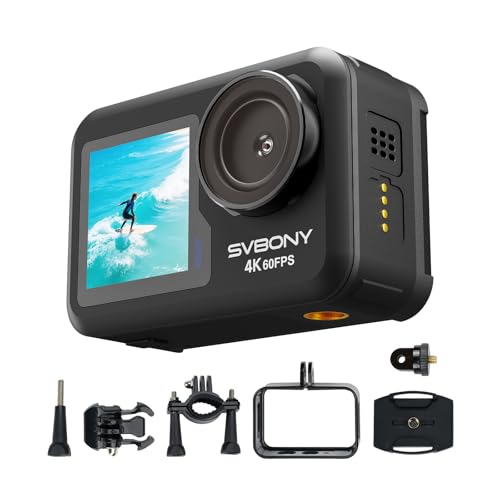
SVBONY ACT20 (2nd) 4K/60FPS Waterproof Camera 40FT

SVBONY SVGo M3E Mini Body Camera Magnetic Vlogging
The Details Behind The Selections
Snorkeling trips and pool afternoons rarely demand pro-level gear, and the Yifecial 4K Underwater Camera leans into that low-pressure reality with a sealed body rated to 16 feet. Its CMOS sensor captures 4K video and 64MP stills, meaning a quick crop for social media keeps plenty of detail intact.
For first-timers, the included 16GB memory card means you can start shooting right out of the box without hunting for accessories. The compact form fits a beach tote easily, and the basic button layout won’t overwhelm someone who has never used a dedicated underwater camera before.
Strengths Worth Knowing
- Ready to use out of the box with the bundled 16GB card
- 64MP photo resolution offers room to crop without losing detail
- Sealed compact body avoids the bulk of action cam housings
- Point-and-shoot operation keeps the learning curve shallow
Trade-Offs
- 16FT depth limit rules out scuba diving beyond shallow reefs
- Lens fogging can occur in warm water without a pre-dive rinse routine
- Smaller grip surface may feel awkward with wet hands
Who It Suits Best
Vacationers who want a no-fuss compact to toss in a beach bag and shoot colorful reef footage within a few feet of the surface.
Look Elsewhere When
You plan to free-dive below 16 feet, in which case the SVBONY ACT20 (2nd) offers more depth without extra housing.
The AKASO EK7000 brings action-cam versatility to the entry-level crowd, pairing 4K/30fps video and 20MP photos with a housing rated to 131 feet. Built-in Electronic Image Stabilization (EIS), which digitally smooths out shaky footage, helps beginner hands capture watchable clips during active movement.
WiFi connectivity lets you preview and transfer shots through your phone, which matters when you want to share a snorkeling highlight without removing the SD card. The 4X zoom adds flexibility for distant subjects, and the included remote keeps group shots simpler on shore.
Practical Advantages
- Deep 131FT housing rating covers most recreational diving limits
- EIS technology reduces shakiness for smoother playback
- Phone-based preview streamlines sharing on the go
- 4X digital zoom helps frame fish and reef life at a distance
Room For Improvement
- 20MP photos trail higher-resolution compacts for cropping latitude
- External microphone support requires an extra accessory
- Housing adds bulk compared to caseless waterproof designs
Feature Snapshot
Right Fit For
Casual adventurers who want a wallet-friendly action cam for lakes, pools, and shallow reef trips where deeper dives happen later.
Skip It When
You prefer touch controls for quick mode changes, in which case the AKASO EK7000 Pro adds a more intuitive interface.
Stepping up from the standard EK7000, the AKASO EK7000 Pro swaps button-heavy navigation for a 2-inch IPS touchscreen that brightens the framing process. The same 4K/30fps ceiling applies, but improved Electronic Image Stabilization helps motion-heavy clips feel more polished.
The bundled helmet accessories kit broadens mounting options for biking, paddling, and shore excursions beyond the water. For families, this means one camera that handles pool parties, mountain biking, and snorkeling without buying separate mounts for every activity.
The Value In It
- Touchscreen interface simplifies mode switching underwater
- 5X zoom steps up framing reach over the base EK7000
- Helmet accessory kit expands multi-sport use
- 131FT housing supports growing ambitions in deeper water
Minor Gripes
- Touchscreen can register false inputs through the housing
- Battery swaps happen faster than expected on long shoot days
Best Suited To
Hobbyists splitting time between land sports and water play who want a single, adaptable camera with intuitive controls.
Reach For A Different Pick When
Your priority is travel-friendly compact form, in which case the Yifecial 4K Underwater Camera slides into a beach bag more easily.
The AKASO Brave 4 leans into flexibility with four adjustable view angles (170°, 140°, 110°, and 70°), letting you switch between immersive wide shots and tighter frames depending on the scene. At 4K/30fps with 20MP stills, it covers the same baseline as the EK7000 but adds more creative framing options.
Image stabilization rounds out the package, helping biking and swimming footage feel less jittery in playback. For travelers who shoot everything from cliff jumping to snorkeling, that range of angles keeps one camera handling many situations.
The Case For It
- Four view angle options adapt to reef scenes and action sports
- Anti-shake stabilization smooths active movement
- 20MP captures color-rich reef and shoreline detail
- Compatible with most AKASO mounts and accessories
Honest Caveats
- Wider angles introduce some edge distortion underwater
- Housing adds noticeable bulk compared to sealed-body compacts
- Low-light performance drops as depth and murk increase
Whose Shelf It Belongs On
Outdoor shooters splitting time between snorkeling, hiking, and casual sports who want flexible framing in a single camera.
Swap It Out When
You mainly want a 4K60 option for slow-motion playback, in which case the SVBONY SVGo3 delivers smoother high-frame-rate video.
The YISENCE 4K Underwater Camera pairs a 64MP sensor with a dual-screen layout, giving a front-facing display for selfies and a rear screen for traditional framing. That setup speaks directly to creators who want both reef shots and self-portraits from the same device.
Waterproof to 16 feet without extra housing, it slips into the same travel-ready category as the Yifecial model. Snorkelers who post frequently to social platforms will appreciate the simpler workflow for grab-and-go selfies above and below the surface.
Useful Highlights
- Dual-screen layout supports both selfies and standard framing
- 64MP resolution leaves room for cropping during editing
- Sealed 16FT body means no extra housing hassle
- Compact form fits a daypack or beach tote
Things To Weigh
- Battery life runs shorter when frequently switching between displays
- 16FT depth caps free-diving ambitions beyond shallow reefs
Feature Card
Made For
Social media creators who want a single waterproof camera for vlogs, selfies, and snorkeling without swapping equipment.
Where A Sibling Pick Shines
You prioritize deeper dives or rugged action-sport mounting, in which case the SVBONY ACT20 (2nd) reaches 40FT without housing.
The SVBONY SVGo3 raises the frame-rate ceiling with 4K/60fps capture, meaning smooth playback and flexible slow-motion in post. Waterproof to 40 feet without a separate housing, it covers most snorkeling and free-diving scenarios without extra bulk.
The combo includes a 128GB U3 SD card, rated for sustained high-bitrate recording, so the camera is ready to shoot out of the box. Swimmers, paddleboarders, and snorkelers chasing action-heavy clips will appreciate that level of readiness.
Where It Excels
- 4K/60fps enables seamless slow-motion in editing
- 40FT waterproof depth without external housing
- 128GB card included for immediate high-bitrate recording
- Durable build handles active water sports
Soft Spots
- Higher frame rates produce larger storage footprints per clip
- Touchscreen navigation takes practice with wet fingers
Feature Snapshot
Perfect Match For
Active snorkelers and paddlers who want high frame rates for slow-motion highlights and reliable depth without extra housing.
Another Choice May Suit
You mainly shoot casual pool clips and prefer the lightest carry, in which case the SVBONY SVGo M3E Mini Body Camera weighs just 30 grams.
The SVBONY SVGo2 is built around casual travel use, shooting 4K/30fps video and 50MP stills for pool days and beach outings. EIS 2.0 stabilization helps steady handheld clips when the waves pick up.
A 140° wide-angle lens and 5X zoom give you options for framing reef life or fitting the whole family into a shoreline shot. It’s a versatile pick for vacationers who want one camera covering swimming, snorkeling, and surf-side memory-making.
Points In Its Favor
- 140° wide-angle lens fits more of the reef into each frame
- EIS 2.0 stabilization smooths handheld swimming footage
- 5X zoom offers reach beyond fixed wide-angle compacts
- Lightweight travel-friendly design
Things To Consider
- SD card sold separately, adding to initial setup
- Wide-angle lens introduces minor edge distortion underwater
Who Will Love This
Travelers packing light who want a versatile camera for pools, beaches, and casual snorkeling without juggling multiple devices.
Consider Something Else When
You want a sealed body that needs no extra case, in which case the SVBONY ACT20 (2nd) skips the housing requirement entirely.
The SVBONY ACT20 (2nd) reaches 40 feet underwater without any external housing, which is more than twice the depth of most compact 16FT models. That makes it appealing for snorkelers who want to follow reef walls a bit deeper or capture light free-diving footage.
With 4K/60fps available, the camera records smooth motion and supports slow-motion edits for replaying fast-moving fish or rippling water scenes. The caseless design simplifies handling, though you’ll still want a wrist strap for choppy conditions.
Key Advantages
- 40FT waterproof depth without any housing
- 4K/60fps for smooth motion and slow-motion options
- Caseless design reduces bulk in your gear bag
- Frame rate flexibility for varied shooting styles
Things That May Matter
- Saltwater rinse after each dive is essential to preserve seals
- Battery capacity shrinks noticeably at 4K/60fps
Feature Snapshot
Built With In Mind
Snorkelers who chase reef walls and shallow free-dives where 16-foot cameras simply cannot follow.
Where Another Pick Suits Better
You mainly shoot pool parties and casual paddling, in which case the Yifecial 4K Underwater Camera is simpler and easier to pack.
The SVBONY SVGo M3E flips the underwater camera script, weighing just 30 grams and clipping onto a shirt or strap with a magnetic quick-release mount. Point-of-view (POV) shooting from the chest gives a unique perspective of pool swims and shallow splashing adventures.
4K/30fps video means the tiny body still pulls off sharp footage, though it’s not aimed at deeper dives. For content creators documenting daily movement or families capturing hands-free playtime at the lake, this camera disappears into the moment while recording it.
Why It Works Well
- 30-gram weight feels invisible during long wear
- Magnetic mount enables rapid on-and-off placement
- Hands-free POV captures natural action sequences
- Coin-pocket portability for everyday carry
Where It Is Less Suited
- Not built for sustained deeper-water submersion
- Tiny lens cover requires careful cleaning after beach days
Feature Card
The Right Fit
POV creators and active families who want a wearable camera for shoreline play, daily vlogs, and light water adventures without handheld bulk.
Where A Sibling Pick Shines
You need a sealed body for full underwater snorkeling footage, in which case the Yifecial 4K Underwater Camera is purpose-built for that role.
What Matters When Choosing Your First Underwater Camera
Depth rating sits at the top of any shortlist. Recreational snorkelers rarely exceed 15 feet, so a 16FT sealed body often does the job, while anyone planning to free-dive or follow reef walls should look at 40FT caseless options or hosed action cams rated to 130 feet or more.
Sensor and resolution shape how your footage looks long after the trip ends. A 4K video ceiling keeps things sharp on modern screens, and a higher megapixel count, like 64MP, gives you flexibility to crop during editing. For slow-motion lovers, a 60fps frame rate turns fast fish into buttery replays.
Stabilization changes the feel of your clips more than newcomers expect. Electronic Image Stabilization (EIS) is a digital tool that smooths handheld shake, turning choppy swimming footage into watchable video. It pairs well with action-style shooting where the camera moves constantly.
Form factor matters for comfort and travel. Compact sealed bodies slip into a beach tote, while hosed action cams add bulk but accept more mounting options. Touchscreens speed up menu work, though physical buttons can be friendlier with wet hands or gloved fingers.
Key Considerations Across These Picks
Pitfalls Shoppers Hit
Buying a camera rated only for splashes and expecting scuba-ready depth is the most common mistake. Always confirm whether the depth rating applies with or without an external housing, since a hosed action cam rated 131FT drops to zero the moment you remove the case.
Overlooking battery and storage is another quiet trap. 4K video fills memory cards faster than expected, and high frame rates drain batteries quicker. Carrying a spare card and a top-up battery saves the day on longer outings.
When Paying More Pays Off
Higher-tier models in this category typically add 4K/60fps capture, deeper caseless waterproofing, or improved stabilization. These upgrades matter when you regularly shoot active scenes or want slow-motion edits without dropping resolution.
If your use stays within calm pool sessions and casual beach days, the savings from a budget model leave room for accessories like extra batteries or a floating hand grip. For divers and frequent snorkelers, the premium spend usually translates into fewer reshoots and steadier footage in challenging light.
Frequently Asked Questions
How deep can beginner underwater cameras go? Most entry-level sealed compacts handle about 16 feet, which is plenty for casual snorkeling. Action cams in protective housings often reach 130 feet or more, and caseless waterproof models in this category extend to around 40 feet.
Do I need a housing for pool use? Not always. Several cameras in this list are sealed to 16 or 40 feet, meaning a pool dip does not require any extra case. Owners commonly rinse the seals with fresh water after chlorinated swims to extend their lifespan.
Is 4K video necessary for beginners? It depends on how you share clips. 4K footage looks sharp on modern TVs and phones and gives more cropping flexibility during editing, while 1080p still works well for casual social sharing if you prefer smaller file sizes.
What does image stabilization actually do? Electronic Image Stabilization digitally smooths small camera movements, turning shaky handheld footage into steadier clips. It is most noticeable when you are swimming, walking on shore, or mounting the camera to a moving object.
Can action cams replace a traditional underwater camera? For most casual snorkelers, yes. Action cams with waterproof housings offer flexible mounting and decent depth, while sealed compacts win for simple grab-and-go pool use. Pick based on whether you want handheld simplicity or activity-ready versatility.