A binocular tripod turns shaky arms into a steady horizon, and the right pick depends on where you set up, how far you travel, and how much weight your optics throw at the legs. Backyard birders, stadium spectators, range shooters, and travelers all need the same core thing: a platform that holds glass still long enough to enjoy the view. These nine options cover the spread, from tabletop minis to carbon fiber rigs built for serious fieldwork.
The Lineup, Simplified
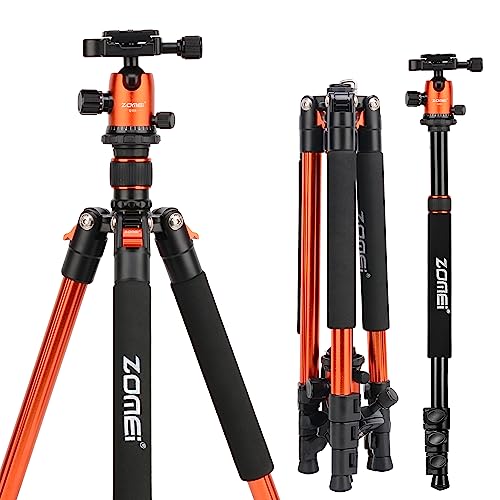
Zomei Q555 Aluminum Travel Tripod (Orange)

Victiv 72″ Tall Camera Tripod with Remote
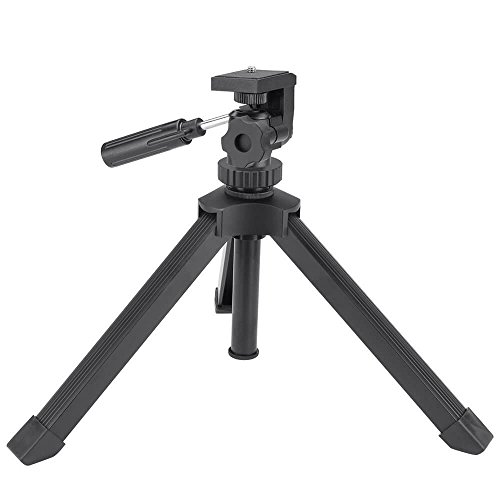
Barska Heavy Duty Table Top Tripod

Nietoto 2 in 1 Camera Tripod & Hunting Stand

JOILCAN 81″ Aluminum Tripod Monopod
JOILCAN 81″ Heavy Duty Travel Tripod

Victiv 82″ Tall Heavy Duty Aluminum Tripod

FANAUE Carbon Fiber Hunting Tripod with Arca Swiss

INNOREL P324C 65.6″ Carbon Fiber Tripod (25kg)
The Picks, Examined More Closely
The Zomei Q555 brings a friendly mix of portability and rigidity to anyone balancing a binocular setup against a packed schedule. Aluminum alloy keeps the legs light enough for a daypack, and the central column hangs a stabilizing hook at the bottom for extra weight when the wind picks up. That kind of detail makes the difference at a breezy overlook or a shoreline where gusts tug at your optic.
A 360 degree ball head sits at the top, and twin independent locks free you to swing the view horizontally without loosening the whole mount. Rubber feet grip most flat surfaces well, which matters on a picnic table at a trailhead. First-time tripod users and casual backyard birders tend to find the most value here.
The Case For It
- Aluminum alloy legs strike a useful balance between light carry and steady support for mid-sized binoculars.
- The 360 degree ball head with two locks makes panning the horizon smoother than a simple tilt head.
- Rubber feet handle slick decks, rocks, and wooden railings without sliding the floor.
- A spring-loaded hook on the center column accepts a weight bag for extra stability on windy days.
Things To Consider
- Plastic leg locks tend to feel less refined than metal alternatives after heavy field use.
- At its tallest setting, a long center column can transmit more vibration than a shorter, stubbier setup.
Feature Snapshot
Best Suited To
Travelers, beginners, and casual backyard observers who want a forgiving, lightweight platform that still steadies mid-sized binoculars.
Skip It When
You regularly mount a heavy spotting scope and need more reach; the JOILCAN 81″ Heavy Duty Travel Tripod is a sturdier fit for those sessions.
The Victiv 72″ leans into the idea that your tripod should disappear into your bag until you need it. A folded profile that slips behind a laptop sleeve and a strapped carry handle make it the kind of kit you actually bring on a weekend trip. Compared with the Zomei Q555 aluminum build, this one uses a thinner-walled tube design to shave weight further.
Flip-lock adjustment keeps setup quick at a crowded overlook where you don’t want to fiddle. The included remote is a small but useful touch for content creators who shoot through the same binocular adapter. Vloggers and hybrid shooter-photographers get the most from this profile.
The Helpful Details
- Weighs around 3.3 lb, light enough to toss in a daypack without rearranging everything.
- Flip-leg locks deploy fast when a flock appears and you need to react in seconds.
- The included remote helps content creators trigger shots without touching the optic.
- Reaches a useful standing height for most adult users.
Honest Caveats
- Thinner leg tubes flex more under heavy optics, particularly in moderate wind.
- The remote only helps if you’re pairing a phone or compatible camera, so dedicated binocular users may leave it in the bag.
Whose Shelf It Belongs On
Mobile creators and casual travelers who want a grab-and-go tripod that doubles for phone video and binocular viewing.
Consider Something Else When
You’re heading to a windy ridge with full-size binoculars; the FANAUE Carbon Fiber Hunting Tripod is more planted for that scenario.
The Barska Table Top Tripod is the smallest footprint in this lineup, and that is the whole point. It lives on a balcony rail, a picnic table, or a car hood, anywhere the higher options in this roundup would be overkill. Tabletop tripods trade height for compactness, and Barska leans into that swap with a heavy-duty build that resists twisting under small scopes.
Because it sits low, eye-level viewing means placing it on a raised surface or sitting down. That setup suits casual birding from a kitchen window or watching a feeder in the yard. Spotting scopes, binoculars, and small DSLRs all find a place on its pan head.
Points In Its Favor
- Tiny footprint fits a backpack pocket, a glove box, or a camera bag side pouch.
- Heavy-duty construction resists the wobble that plagues lighter tabletop models under heavier glass.
- A pan head makes short tracking movements feel more controlled than a fixed tilt.
- Works across spotting scopes, binoculars, and entry-level DSLRs without needing an adapter swap.
Trade Offs
- Limited working height means you often need a table, ledge, or chair to use it comfortably.
- Legs don’t extend much, so uneven ground is harder to level out than with a full-size tripod.
Right Fit For
Balcony birders, window watchers, and anyone setting up a quick spotting session on a flat surface at moderate eye level.
A Better Fit Elsewhere
You need standing-height viewing on a trail; the Victiv 82″ Tall Heavy Duty Aluminum Tripod serves that scenario better.
The Nietoto 2 in 1 earns its spot in a binocular tripod roundup because it converts into a rifle shooting rest in a few seconds. A V-Yoke rest slides onto the center column, transforming the platform into a field shooting stand. That dual purpose appeals to anyone whose optic collection includes both binoculars and a scoped rifle.
The legs are thick for the class, which keeps the platform planted even on uneven ground. Three flick locks per leg let you dial in the height quickly, and the included bag holds the folded rig without taking much trunk space. Hunters and field shooters see the most mileage here, but casual users get a sturdy binocular stand out of the deal too.
Real Benefits
- The V-Yoke rest turns the tripod into a stable shooting platform for riflescopes and spotting scopes.
- Thick aluminum legs add rigidity over thinner travel-style tubes.
- Flick-lock height adjustment handles uneven ground faster than twist locks.
- Folds down to about 16.5 inches for stowing in a pack or vehicle.
Worth Bearing In Mind
- Heavier than a pure binocular tripod, so backpack-only trips feel the extra weight.
- Switching between modes requires removing the ball head and attaching the V-Yoke, which adds a step.
Built With In Mind
Hunters, range shooters, and field observers who want one platform that handles both a binocular or scope and a rifle.
Swap It Out When
You don’t need the rifle rest and want a lighter pack weight; the Victiv 72″ Tall Camera Tripod is friendlier on the trail.
The JOILCAN 81″ focuses on reach, and that is the trade worth knowing up front. Five-section legs telescope to standing height, so taller observers and group settings both find a comfortable eye line. Compared with the Zomei Q555, this model trades a bit of pack-down length for extra elevation.
Each leg adjusts at three angles, which helps on slopes or rough ground. The 23″ minimum height also makes it useful for macro or low-angle observation. Field-naturalists and event spectators tend to appreciate the wide adjustment range.
Everyday Advantages
- Reaches 81 inches, accommodating tall users and elevated seating like stadium bleachers.
- Five-section design folds compactly for travel despite the taller reach.
- Independent leg angle adjustment adapts to stairs, slopes, and uneven trails.
- Drops to 23 inches for low-angle observation or table-top alternative use.
Small Limitations
- More sections mean more leg locks to manage when extending and collapsing.
- The taller the setup, the more a center column wobble shows up under heavier glass.
Perfect Match For
Taller viewers, families, and event spectators who want eye-level glass without crouching.
Look Elsewhere When
You need to plant heavy glass in wind; the INNOREL P324C 65.6″ Carbon Fiber Tripod offers more stability at lower height.
The JOILCAN Heavy Duty Travel Tripod pairs the 81-inch reach with a generous 35 lb load rating, putting it in scope-mounting territory. A 1/4″ quick release plate swaps between camera, binocular adapter, and laser tools without rethreading. For users who already own multiple optics, that kind of universal plate saves time in the field.
The frame stays a foldable travel design, so the tripod does not become a permanent fixture in the garage. Compared with the standard JOILCAN 81″ model, the heavier-duty tube construction is the main upgrade. This is the kind of tripod that holds its value across camera work and binocular sessions alike.
A Few Highlights
- 35 lb load capacity supports full-size spotting scopes and large binoculars.
- 1/4″ quick release plate adapts between cameras, binocular adapters, and laser levels.
- Folds for travel despite the heavy-duty build, fitting a car trunk or large pack.
- Same reach as the lighter JOILCAN, so eye-level setups don’t change.
Room For Improvement
- Heavier carry weight than the lighter JOILCAN model, noticeable on long walks.
- The plate mount is sturdy but lacks the Arca-Swiss standard that carbon fiber rivals offer.
Key Specs
Made For
Multi-optic users who alternate between binoculars, spotting scopes, cameras, and laser tools and need one platform that handles them all.
Reach For A Different Pick When
You’re chasing lightweight carbon fiber and an Arca-Swiss plate; the FANAUE Carbon Fiber Hunting Tripod covers that need.
The Victiv 82″ inches past its predecessor with a slightly taller ceiling and a reversible center column for low-angle work. Reversing the column drops the camera, or your binocular adapter, down between the legs for ground-level perspectives. Birders who watch ground feeders or herpers tracking reptiles benefit most from that detail.
Three bubble levels help dial in plumb on uneven terrain. The aluminum alloy frame keeps weight manageable while offering enough rigidity for mid-sized optics. Compared with the JOILCAN 81″ Heavy Duty model, this one trades a bit of maximum load for the reverse-column flexibility.
Benefits That Matter
- Reversible center column opens up low-angle observation styles.
- Three bubble levels help level the head on sloped ground.
- 82-inch max height works well for standing observation and event use.
- Aluminum frame balances weight and rigidity for travel.
Things To Weigh
- Reversing the column takes an extra step, so quick eye-level swaps feel slower.
- Bubble levels are useful but not a replacement for a geared pan head on a moving subject.
Who Should Grab It
Observers who switch between eye-level and ground-level viewing, like birders, herpers, and event photographers.
Where Another Pick Suits Better
You need heavy spotting scope support; the JOILCAN 81″ Heavy Duty Travel Tripod handles heavier glass at similar height.
The FANAUE steps into carbon fiber territory, which is where tripods shed pounds without giving up stiffness. Arca-Swiss is a popular quick-release standard used across camera and rifle-scope mounts, so this plate plays well with saddles you may already own. A safety stop on the quick release plate keeps your optic from sliding off if the lock loosens.
The 360 degree ball head with independent pan is well matched to scanning fields and following wildlife. Compared with aluminum rivals in this list, the carbon fiber build cuts vibration noticeably for glassing long distances. Hunters and birders who walk long distances between setups appreciate the weight savings most.
A Favorable Mix
- Arca-Swiss quick release works with most camera and rifle-scope saddle mounts already on the market.
- Carbon fiber construction cuts weight while keeping the legs stiff under pressure.
- Safety stop on the plate prevents accidental drops if the lock loosens during recoil or movement.
- 360 degree ball head supports smooth scanning across wide terrain.
Possible Compromises
- Carbon fiber costs more than aluminum alternatives at the same height class.
- Specialty plate standard means you’ll want to confirm your existing saddles match Arca-Swiss before relying on it.
Quick Facts
Who Will Love This
Range shooters, hunters, and distance glassers who already use Arca-Swiss saddles and want a quieter, lighter tripod.
Skip It When
You don’t already own Arca-Swiss mounts and want a more universal 1/4″ setup; the JOILCAN 81″ Heavy Duty Travel Tripod fits that bill.
The INNOREL P324C sits at the top of this list in both price class and capability. A 10-layer carbon fiber layup on the legs delivers a 55 lb load capacity from a frame that still folds for travel. That combination is the headline: tripod weight stays manageable while big spotting scopes and binoculars stay planted.
Arca-Swiss compatibility echoes the FANAUE design, but the wider 32 mm leg tubes push the stability higher. The 1.7 inch ball head is a useful upgrade for fine-tuning long glassing sessions. Professional guides and serious birders who lean on their glass every weekend find the most value here.
What Makes Sense
- 10-layer carbon fiber legs combine low weight with serious stiffness for steady views.
- 55 lb max load capacity covers heavy spotting scopes and large binoculars.
- Arca-Swiss dovetail mount matches popular saddles for cross-compatibility.
- A 1.7 inch ball head makes fine adjustments easier than smaller ball heads.
Some Limits To Know
- Carbon fiber quality costs more than aluminum alternatives in this roundup.
- At full extension the shorter 65.6 inch height may feel low for tall standing observers.
At A Glance
Right Fit
Professional guides, dedicated birders, and field shooters who want a low-vibration platform that handles the heaviest glass without complaint.
Consider Something Else When
You want eye-level viewing on a tall stand; the JOILCAN 81″ Heavy Duty Travel Tripod reaches further while still holding moderate loads.
How To Pick A Binocular Tripod That Actually Helps
Choosing a binocular tripod is less about specs on paper and more about how it feels under your optic in the field. The right answer depends on the size and weight of your binocular or spotting scope, how you carry your gear, and where you set up most often. Travelers, backyard birders, and hunters each want slightly different things from the same piece of equipment.
Weight, Carry, And Pack-Down Size
Aluminum tripods save money and stand up to rough handling, but they weigh more on long walks. Carbon fiber costs more per ounce, but for users who hike to a viewpoint, the weight savings show up fast. Folded length matters too, because a tripod that doesn’t fit your pack gets left behind more often than one that does.
Head Type And Pan Control
A ball head lets you swing the view horizontally and tilt with one knob, which is helpful when tracking a bird in flight. A pan head is a more traditional three-way head that moves on separate axes, often preferred for video or very precise framing. Match the head to how you actually move through the scene, not to whichever sounds most technical.
Mount Standards And Adapters
Most binoculars use a standard 1/4″ thread, which matches most camera plates. Arca-Swiss dovetails are popular in the hunting and spotting-scope world because they fit rifle-scope saddles too. Pick a tripod whose plate standard matches the saddles and adapters you already own, and your setup time drops to seconds.
Load Rating And Stability
A tripod rated well above your optic’s weight handles wind better and damps vibration faster. For heavy full-size binoculars or large spotting scopes, look for a tripod rated at least twice the weight of your glass. The difference shows up on a breezy afternoon more than on a calm morning.
Smart Choices Across This Lineup
Where Shoppers Go Wrong
Plenty of first-time shoppers pick the tallest tripod they can find, then realize the weight kills the fun on long walks. Reach is useful, but a tripod you leave in the car never steadies your view. Match the height to where you actually use it, and prioritize folded length if you carry it.
What The Higher Tier Buys
Carbon fiber tripods cost more because the layup is more expensive to produce, but the payoff shows up in two places: weight and vibration. Less flex in the legs means steadier views at high magnification, which matters when you’re watching a hawk a half-mile away. Pay more when the view quality is the whole point of the outing.
Frequently Asked Questions
What height binocular tripod should I pick?
Pick a tripod that reaches roughly your eye level when standing, so you don’t crouch or hunch over long sessions. Most adults do well with a tripod that extends between 60 and 70 inches.
Do I need a tripod for binoculars, or is it optional?
A tripod is optional for short casual viewing, but helpful for extended observation, high magnification, and shaky hands. The heavier or more powerful the binocular, the more useful a tripod becomes.
Can I use a camera tripod for binoculars?
Yes, most binoculars use the same 1/4″ thread as cameras, so a camera tripod works in many cases. Make sure the load rating is comfortably above your binocular weight.
What’s the difference between aluminum and carbon fiber tripods?
Aluminum is heavier and less expensive, while carbon fiber is lighter and damps vibration better. Carbon fiber costs more but pays off on long walks and high-magnification viewing.
How much weight can a binocular tripod hold?
Entry-level tabletop tripods handle a few pounds, while full-size travel tripods often hold 15 to 35 lb. Premium carbon fiber models can support 50 lb or more for heavy spotting scopes.
The Takeaway
The best binocular tripod is the one you’ll actually carry to where you use it. Match the height and load rating to your optic, pick a head style that fits how you scan, and decide whether carbon fiber’s weight savings justify the cost. Any of these nine will steady your view, so the right answer comes down to your habits in the field.