Pulling a distant ridgeline into focus, reading a ship’s name from the upper deck, or watching a hawk hang still against a pale sky all share the same small frustration: your eyes aren’t enough. The right pair of binoculars for distance closes that gap without weighing you down or emptying your wallet, and the gap between a forgettable optic and a genuinely useful one comes down to magnification, lens diameter, and how well the glass treats low light. This roundup sorts nine current options by what they’re built to do, so you can match the glass to your terrain instead of the other way around.
The Main Contenders

Vortex Diamondback HD 10×42 Binoculars

Bushnell 10x42mm Trophy XLT Binoculars

Pankoo 20×55 High Powered Binoculars

Pankoo 20×55 Binoculars with Phone Adapter

Vortex Crossfire HD 10×42 Binoculars
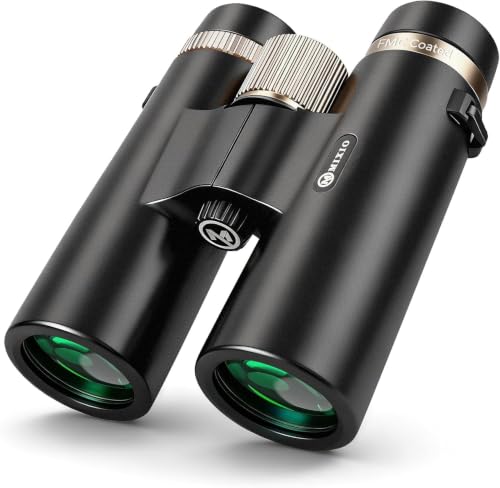
M MIXIO 12×42 High Powered Binoculars

M MIXIO 10×42 High Powered Binoculars
Pankoo 20×55 Waterproof Binoculars

M MIXIO 15×56 Monocular Telescope
Meet The Standout Selections
The Vortex Diamondback HD 10×42 sets a confident tone for the list. Its 10x magnification and 42mm objective lenses (the front glass that gathers light) pull distant treelines into crisp relief, and the fully multi-coated optics boost light transmission for cleaner dawn and dusk viewing. You’ll notice the difference most when scanning a shadowy treetop or a moving bird against a cloudy sky, where cheaper glass tends to wash out.
The rubber-armored housing feels solid in hand without turning heavy on long hikes. Compared to the Bushnell Trophy XLT that follows, this model leans more toward optical refinement than travel-friendly convenience. For most people who care about image quality above all, that’s the right trade.
Where It Delivers
- Select glass elements curb chromatic aberration (the colored fringing you see around high-contrast edges), keeping bird plumage and bark textures looking natural.
- Fully multi-coated lenses lift brightness noticeably in low light, which matters for early-morning trails.
- 42mm objectives balance light gathering with manageable weight for full-day carries.
- Argon-purged fog-proofing holds up across humid forests and cold ridge lines.
Honest Caveats
- 10x magnification amplifies hand shake, so a steady grip or tripod helps for long sessions.
- Premium glass means a heavier upfront cost than the budget M MIXIO 10×42 covered later.
Key Specs
Right Fit For
Birders, hikers, and nature observers who want optical refinement and don’t mind paying more for cleaner dawn and dusk images.
A Better Fit Elsewhere
Travelers packing light for cruises or quick trips will find the Bushnell 10x42mm Trophy XLT lighter on the wallet and easier on the neck.
The Bushnell 10x42mm Trophy XLT earns its place as the most travel-ready optic in this lineup. Its waterproof build shrugs off spray on open decks, and the wide 6.2° angle of view (how much scene fits in the frame at a set distance) makes panning across a moving coastline feel easy rather than jittery. You can hand these to a less experienced companion and they’ll be comfortable within seconds.
Compared to the heavier Pankoo 20×55 options later in the list, this Bushnell stays compact and forgiving. It’s a friendly pick for first-time owners, cruise passengers, and anyone who treats binoculars as a grab-and-go accessory rather than a piece of dedicated glass.
Key Advantages
- 6.2° angle of view supports easier tracking of moving subjects like ships and shorebirds.
- Waterproof and rain-ready construction handles sudden weather changes.
- 10×42 configuration balances reach with a manageable handheld weight.
- Versatile across birding, casual tactical use, and travel spotting.
Soft Spots
- Image clarity doesn’t match the Vortex Diamondback HD for high-detail viewing.
- 10x reach tops out sooner than 20x alternatives when staring down truly far targets.
Built With In Mind
Cruise passengers, casual travelers, and birdwatchers who want a forgiving, weather-resistant optic that doesn’t require careful handling.
Swap It Out When
Serious birders chasing fine feather detail should look toward the Vortex Diamondback HD 10×42 instead.
Pankoo’s 20×55 model is the first serious long-range entry here, and it shows. The combination of 20x magnification and a 55mm objective pulls in distant ridgelines, harbor markers, and stadium-level details that 10x glass simply can’t reach. You notice it most when scanning open landscapes where every extra meter of detail counts.
Where the Bushnell Trophy XLT favors portability, this one favors reach. The waterproof housing keeps things usable in damp weather, though the size means you won’t forget it’s around your neck. For people who specifically want binoculars for distance and not casual sightseeing, that’s the right balance.
Standout Benefits
- 20x magnification reveals details beyond the reach of 10x models.
- 55mm front lenses gather enough light for clear dawn and dusk viewing.
- Waterproof construction protects against rain and splashes.
- Suited for stadium sports, wildlife scanning, and shoreline spotting.
A Few Limitations
- Higher magnification magnifies hand tremor, so tripod use improves long sessions.
- Heavier build can strain necks over multi-hour outings.
- Field of view narrows noticeably compared to 10×42 picks.
Whose Shelf It Belongs On
Long-range spotters and open-terrain observers who prioritize reach over compact form and don’t mind steadying the view.
Reach For A Different Pick When
Backpackers chasing light loads should consider the M MIXIO 15×56 monocular for similar reach in a smaller package.
This Pankoo 20×55 ships with a phone adapter that turns the binoculars into a basic digiscoping rig. You mount your phone over the eyepiece, line up the camera lens, and capture what the optics see. It’s a practical setup for travelers and casual content creators who’d rather not carry a dedicated camera and telephoto lens.
Optically, it shares the same 20×55 foundation as the previous Pankoo, so reach and light gathering carry over. Where it diverges is convenience: the adapter adds a small workflow step, but it also opens up sharing and documenting in ways plain binoculars can’t.
Noteworthy Benefits
- Phone adapter included for capturing distant views without extra gear.
- 20×55 setup delivers strong long-distance reach.
- FMC coating (fully multi-coated optics) and BAK4 prism (a high-grade glass prism that improves light transmission) keep colors and contrast honest.
- Wide field of view up to 1200 yards for landscape-scale observation.
Trade-Offs
- Adapter alignment takes patience; small phone shifts affect framing.
- Phone mounting adds setup time compared to grab-and-go viewing.
Key Specs
Perfect Match For
Casual creators, travelers, and social sharers who want to capture long-distance views without investing in separate camera equipment.
Where Another Pick Suits Better
Birders focused purely on optical quality and ergonomics will get more from the Vortex Crossfire HD 10×42.
The Vortex Crossfire HD 10×42 shares DNA with its Diamondback sibling but adds a practical twist: the included GlassPak harness. That strap-mounted carry system keeps the binoculars close to your chest, ready to lift into action without fumbling with a neck strap. You notice the benefit on long birding walks or wildlife drives where every second counts.
Compared to the Diamondback above, the Crossfire sits in a slightly more accessible tier while preserving Vortex’s HD optical formula. For all-day wildlife watchers, that combination tends to hit the sweet spot between capability, comfort, and cost.
What It Does Well
- GlassPak harness enables fast, hands-free carry in the field.
- 10×42 HD optics deliver sharp resolution across dawn and midday light.
- Fully multi-coated lenses maintain brightness during overcast conditions.
- Rubber armor absorbs small bumps and grips well in damp hands.
Where It May Fall Short
- Harness adds bulk if you prefer minimalist packing.
- Still a 10x ceiling, so distant landscape work trails behind 20x models.
Made For
Wildlife watchers and field birders who spend hours outside and value quick access to their optics.
Not Your Match When
Travelers looking for a simpler grab-and-go option will find the Bushnell Trophy XLT easier to slip into a daypack.
The M MIXIO 12×42 splits the difference between 10x everyday optics and 20x long-reach picks. Its 12x magnification adds useful reach over standard models while keeping a wide 303ft/1000-yard field of view, which matters when tracking moving targets like runners, racehorses, or shoreline birds. The 20mm eyepieces keep the exit pupil large enough for comfortable extended viewing.
It’s a sensible middle option that doesn’t lock you into either side of the magnification trade-off. For event spectators and casual distance watchers, that balance often beats going to extremes.
What Earns Its Place
- 12x magnification reaches further than 10x without 20x-level shake.
- 303ft/1000-yard field of view simplifies tracking moving subjects.
- Full-size body weighs around 1.3 lb, manageable for most outings.
- Waterproof construction handles rain and splashes.
Points To Note
- Brand sits below Vortex in long-term durability reputation.
- Glass clarity trails premium models in low-contrast scenes.
Best Suited To
Sport spectators, casual nature watchers, and event-goers who want a useful magnification bump without going full long-reach.
Skip It When
Viewers chasing peak low-light performance should consider the Vortex Diamondback HD 10×42 instead.
The M MIXIO 10×42 keeps things approachable. It’s a standard 10×42 build aimed at shoppers who want binocular capability for distance without stepping into premium pricing. The 294ft/1000-yard field of view holds steady, and the waterproof housing takes the worry out of sudden weather shifts.
This is a friendly entry point for anyone testing whether binoculars earn a permanent spot in their pack. Compared to the Vortex Crossfire above, you’re trading premium glass and a field harness for a noticeably friendlier price tag.
The Value In It
- 10×42 configuration covers the most common viewing scenarios.
- 294ft/1000-yard field of view supports easy subject tracking.
- Waterproof build handles light rain and accidental splashes.
- Lower cost makes it a low-risk first purchase.
Things To Weigh
- Optical refinement lags behind Vortex offerings.
- Long-term durability varies more than premium brands.
- Heavier than travel-focused 10×42 picks at roughly 1.5 lb.
Who Should Grab It
First-time buyers, gift shoppers, and casual users who want a dependable 10×42 without overspending.
Consider Something Else When
Birders planning regular use should consider the Vortex Crossfire HD for better long-term optical performance.
This Pankoo 20×55 variant focuses on optical clarity through BAK4 roof prisms and fully multi-coated lenses. The combination lifts light transmission high enough to keep early morning and late afternoon viewing usable, even when the sun sits low. The 56mm objective lenses gather plenty of light for the magnification to do real work.
It’s a slightly more optics-forward take on the 20×55 format compared to the earlier Pankoo entry. If you want reach without giving up image quality, this sits in a useful middle ground.
Everyday Perks
- BAK4 prisms produce clean, high-contrast images.
- 56mm objectives gather strong light at distance.
- Waterproof construction handles wet conditions.
- Well-suited to landscape, shoreline, and stadium-distance viewing.
Honest Caveats
- Higher magnification amplifies hand shake during long sessions.
- Size rules out quick pocket carry.
Key Specs
The Right Fit
Long-range hobbyists and casual wildlife spotters who want a strong reach with respectable image clarity on a budget.
A Better Fit Elsewhere
Travelers who want reach in a smaller package will appreciate the M MIXIO 15×56 monocular.
Closing the list is the M MIXIO 15×56 monocular, the only single-eye entry here. With 15x magnification and a 56mm objective, it reaches nearly as far as the Pankoo 20×55 picks while packing into a fraction of the space. For backpackers, day hikers, and travelers counting every ounce, that size difference matters more than it sounds.
The trade-off is single-eye viewing, which can fatigue faster during long sessions. For quick scans of distant ridges, harbor entrances, or trail markers, though, this monocular handles the job without weighing you down.
The Practical Payoff
- Single-eye design slips into a jacket pocket or small pack.
- 56mm objective and BAK-4 prism deliver bright, contrast-rich images.
- 15x magnification reaches well beyond standard 10x models.
- Useful for travel, hiking, and quick-distance checks.
Where It Is Less Suited
- One-eyed viewing tires faster than binocular use over long sessions.
- 15x reach still amplifies shake without a steady support.
Who Will Love This
Travelers, backpackers, and casual distance-watchers who want maximum reach in the smallest possible package.
Another Choice May Suit
Viewers who prefer immersive two-eye viewing for long sessions should consider the Pankoo 20×55 Binoculars with Phone Adapter.
Choosing The Right Magnification And Lens Size For Distance
Magnification tells you how much closer a target appears, while objective lens diameter (the second number) dictates how much light the binoculars collect. A 10×42 pair brings distant subjects ten times nearer through 42mm front lenses, which works well for general wildlife, travel, and stadium viewing. A 20×55 setup doubles the reach but demands steadier hands or a tripod to keep the image stable, since every tiny shake magnifies right alongside the target.
For most casual distance work, 10x or 12x strikes a useful balance between reach and usability. Push toward 15x or 20x when your viewing happens from fixed positions or you specifically need to read far-off detail like ship names, ridge wildlife, or stadium action. Lens coatings matter too: fully multi-coated optics (multiple anti-reflection layers on every glass surface) transmit more light and cut glare, which matters at dawn and dusk when you’re most likely to use high-magnification binoculars.
Field of view, expressed in feet per 1000 yards, decides how wide a scene you can scan at a glance. Wider numbers help with moving subjects like birds and players. Narrower numbers force more panning but typically reward you with more detail at the center. Weight and ergonomics round out the practical side: anything you won’t carry won’t get used.
Key Considerations Across These Picks
Where Shoppers Go Wrong
Plenty of first-time binocular shoppers chase the highest magnification number, assuming more always means better. The honest read is that 20x optics amplify hand shake right alongside the target, so the image becomes harder to enjoy without stabilization. Most everyday distance viewing lands in the 10x to 12x sweet spot, with higher magnification reserved for fixed-position spotting. Skipping waterproofing is another common miss: weather changes fast outdoors, and unsealed optics don’t survive a single downpour.
The Case For Spending Up
Premium models like the Vortex Diamondback HD and Crossfire HD earn their higher cost through better glass, sturdier housings, and longer-term warranties. The practical payoff shows up in low-light clarity, where cheap optics turn murky while quality glass keeps colors and edges honest. You’re also paying for build consistency: premium pairs tend to hold collimation (the precise alignment of the optical elements) over years of use, while budget models can drift after rough handling.
Frequently Asked Questions
What magnification works best for distance? For general distance viewing, 10x or 12x covers most scenarios without excessive hand-shake issues. Push to 15x or 20x when you primarily watch from steady positions and want to resolve fine detail at far ranges.
Are higher-magnification binoculars harder to hold steady? Yes, hand shake scales with magnification. At 20x, even small movements translate into noticeable view wobble, so a tripod, monopod, or braced position helps a lot during longer viewing sessions.
Do I need waterproof binoculars? Waterproofing adds genuine peace of mind for outdoor use, especially near water, in rain-prone regions, or during long hikes where weather can shift quickly. Non-sealed optics can suffer internal fogging or damage from moisture intrusion.
What is BAK4 glass and why does it matter? BAK4 is a high-grade optical glass used in premium prisms. It transmits light more efficiently than standard glass, which translates to brighter images, better contrast, and cleaner edges around your subject.
Can I use binoculars with glasses? Most modern binoculars include adjustable eyecups that twist or fold down to create the correct eye relief for glasses wearers. Look for at least 14mm of eye relief (the distance your eye can sit from the eyepiece and still see the full image) if you plan to keep glasses on while viewing.
Closing Remarks
The best binoculars for distance come down to how you actually use them. Cruise passengers, casual hikers, and stadium spectators tend to thrive with 10x or 12x pairs like the Bushnell Trophy XLT or M MIXIO 12×42. Long-range spotters and serious wildlife watchers usually want the extra reach of 20x models or the optical refinement of premium glass. Match the magnification to your terrain, the weight to your packing style, and the build to your weather, and the rest takes care of itself.