The right pair of general-use binoculars pulls the world closer, whether you’re tracking a hawk across a meadow, watching a docked ship glide by, or scoping out a stage from the back of a venue. General-use models sit in a sweet spot: powerful enough for distance, light enough to carry on a hike, and forgiving enough for shaky hands. This list walks through nine options that cover different priorities, from quick travel companions to high-magnification reach, so you can match optics to your actual routine rather than overpaying for features you won’t touch.
A Quick View Of The Lineup

Vortex Diamondback HD 10×42 Binoculars

Bushnell 10x42mm Trophy XLT Binoculars

Pankoo 20×55 Binoculars High Powered Waterproof

Pankoo 20×55 Binoculars with Phone Adapter

Vortex Crossfire HD 10×42 Binoculars
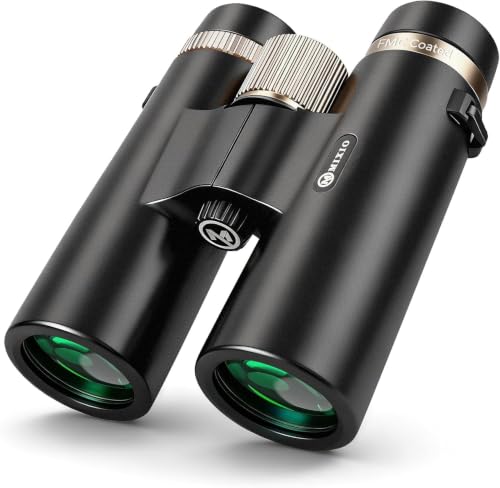
M MIXIO 12×42 High Powered Waterproof Binoculars

M MIXIO 10×42 High Powered Waterproof Binoculars
Pankoo 20×55 Waterproof High Powered Binoculars

M MIXIO 15×56 Monocular Telescope
Why These Options Stand Out
The Vortex Diamondback HD 10×42 sits at the top of the general-use tier without crossing into specialty pricing. Fully multi-coated lenses (optical glass treated with multiple anti-reflective layers to boost light transmission) work with the 42mm objectives to gather a healthy amount of light, which pays off at dawn, dusk, or under heavy tree canopy where dim conditions flatten lesser optics.
For anyone hiking a wooded trail or scanning a marsh for warblers, the 10x magnification lands in that comfortable middle ground: enough reach for distant treetop birds, enough field of view to follow movement without constant re-aiming. You may find the body slightly heavier than budget 10×42 alternatives, but the rubber-armored chassis handles weather and the occasional drop well.
Notable Gains
- Sharp, color-true images thanks to fully multi-coated optics
- 10×42 pairing balances reach and field of view for active wildlife watching
- Solid build that holds up to regular outdoor handling
- Trusted brand reputation among birders and hunters
- Comfortable eye relief (the distance your eye sits from the lens to see the full image) for glasses wearers
Worth Noting
- Slightly heavier than ultralight travel binoculars
- Priced above entry-level general-use options
- Owners commonly report needing a quality strap for long carries
Key Specs
Who It Suits Best
Birders, hikers, and nature watchers who want premium optics without stepping into specialty astronomy or long-range tactical pricing.
Look Elsewhere When
Cruise travelers and casual sightseers who want lighter carry may prefer the Bushnell 10x42mm Trophy XLT Binoculars instead.
The Bushnell 10x42mm Trophy XLT is built around the kind of conditions you don’t plan for. A waterproof shell shrugs off deck spray on a cruise ship balcony, light drizzle during a coastal hike, or the splash from a kayak launch. That weatherproofing makes it a natural companion for travelers who don’t want to baby their gear.
Compared to the Vortex Diamondback HD’s more hiking-focused framing, this Bushnell leans toward portable adventure. The 10x magnification and 6.2-degree angle of view suit scanning coastlines, distant harbor landmarks, and birdlife along cliffs. For most casual sightseers, the optics deliver clean enough views without requiring premium-tier spending.
The Upside
- Waterproof construction for unpredictable weather
- Comfortable 10×42 balance for long viewing sessions
- Wide 6.2-degree field helps track moving subjects
- Solid choice for cruise, boat, and travel use
Trade-Offs To Consider
- Optics don’t match premium birding models in fine detail
- Body is bulkier than compact travel alternatives
Feature Snapshot
Made For
Travelers, cruise-goers, and outdoor sightseers who need weatherproof binoculars that can survive baggage handling and sea spray.
Consider Something Else When
Dedicated birders chasing fine plumage detail may get more from the Vortex Diamondback HD 10×42 Binoculars.
The Pankoo 20×55 pushes into magnification territory that 10×42 models can’t touch. Twenty-power reach pulls faraway targets into view, useful for stadium-style sports watching, distant shoreline landmarks, or scanning a wide landscape for movement. The 55mm objective lenses (the front lenses that collect light) pull in enough light to keep those zoomed-in images reasonably bright, especially during golden hour when lower-magnification binoculars start to dim.
The trade-off for that reach is handling. At 20x, even small hand tremors become visible shake, so a tripod or monopod becomes more than a nice-to-have for long sessions. Casual strollers and hikers may find the magnification heavier than they need, while sightseers with specific long-distance goals will appreciate the reach.
What Helps Most
- Powerful 20x magnification for distant targets
- Large 55mm objectives support brighter images at zoom
- Waterproof shell handles outdoor conditions
- Strong fit for sports viewing and landscape scanning
Room For Improvement
- 20x requires steady hands or a tripod for best results
- Heavier and bulkier than 10×42 general-use models
- Field of view narrows at high magnification
Best Suited To
Stadium spectators, landscape observers, and anyone who specifically needs long-distance reach over handheld comfort.
A Better Fit Elsewhere
Birders who want all-day handheld comfort may prefer the Vortex Crossfire HD 10×42 Binoculars for steadier viewing.
Same 20×55 optical core as the standalone Pankoo above, but this version bundles a phone adapter that clamps your smartphone over the eyepieces. That addition turns the binoculars into a long-reach digiscoping tool, which is the practice of photographing distant subjects through a spotting scope or binocular eyepiece. For content creators documenting wildlife, concerts, or sports from the back of a crowd, it removes the need for a separate camera.
The BAK4 prism (a high-grade glass prism that delivers sharper images and better light transmission than standard BK7 glass) and FMC-coated lenses keep image quality reasonable at full zoom, though phone-sensor limitations will cap your final photo resolution. Compared to the non-adapter Pankoo, this is the smarter choice if capturing and sharing views matters as much as seeing them.
What It Does Well
- Phone adapter included for photo and video capture
- 20x reach for distant subjects and events
- BAK4 prism supports clearer light transmission
- FMC lenses reduce glare in mixed lighting
- Useful for social media and travel documentation
Honest Caveats
- Phone adapter adds setup time before each shot
- Steady tripod recommended to match the magnification
- Image quality depends heavily on phone camera sensor
Feature Rundown
Whose Shelf It Belongs On
Travel content creators, casual wildlife photographers, and anyone who wants to capture as well as view distant scenes.
Reach For A Different Pick When
Viewers who want sharper handheld optics without the adapter may prefer the Vortex Diamondback HD 10×42 Binoculars.
The Vortex Crossfire HD 10×42 ships with something most competitors skip: a GlassPak harness system. That harness keeps the binoculars against your chest rather than dangling from your neck, which matters on long hikes where neck fatigue adds up. You can also pull them up to your eyes faster than threading a strap loop, a real advantage when a deer steps into a clearing or a hawk lifts off the trail.
Optically, the Crossfire HD runs a step behind the Diamondback HD reviewed earlier, with slightly less refined coatings and a marginally dimmer image. For general use, though, the difference is subtle, and the harness addition makes this a more comfortable all-day carry. Depending on how much hiking you plan, that comfort may matter more than the last bit of optical polish.
Noteworthy Benefits
- GlassPak harness included for chest carry
- Faster optic deployment in the field
- HD lens system for clean color and contrast
- Comfortable for extended outdoor sessions
- Lower cost entry into the Vortex lineup
Points To Keep In Mind
- Slightly lower optical refinement than the Diamondback HD
- Harness adds bulk for casual short-walk users
Perfect Match For
Hikers, hunters, and field naturalists who carry their binoculars for hours and want quick access without neck strain.
Swap It Out When
Users who prioritize maximum optical brightness over carrying comfort may prefer the Vortex Diamondback HD 10×42 Binoculars.
The M MIXIO 12×42 splits the difference between typical 10×42 generalists and the 20x high-magnification crowd. Twelve-power reach gives you noticeably more pull on distant targets than 10x, useful for outdoor concerts, sporting events from the upper seats, or distant wildlife, while the 42mm objectives keep the binoculars light enough for casual walking-around use.
The 303-foot field of view at 1000 yards (a standard measurement showing how wide a scene you see at a set distance) is generous for the magnification, helping you locate and follow subjects without constant re-aiming. You may notice slightly more hand shake at 12x than at 10x, but the difference is manageable for most users. Compared to the Pankoo 20×55, this is a much friendlier handheld option.
Key Advantages
- 12x reach adds distance over standard 10x models
- 303ft/1000yd field of view aids subject tracking
- Waterproof construction for outdoor reliability
- Compact body at roughly 1.3 pounds
Points To Note
- More hand shake than 10x alternatives at full zoom
- Optics sit below premium-tier sharpness
- Brand less established than legacy names like Vortex or Bushnell
Spec Overview
The Right Fit
Concertgoers, casual sports spectators, and travelers who want a bit more reach than 10×42 without going full 20x.
Not Your Match When
Birders needing top-tier color fidelity should consider the Vortex Diamondback HD 10×42 Binoculars instead.
The M MIXIO 10×42 is a straightforward entry point for anyone buying binoculars for the first time. The 10×42 configuration is the most familiar format in the category, which means any tutorial or ranger station advice you read elsewhere will apply directly. Twist-up eyecups (the rubber cups at the eyepieces that adjust to your eye position) and a 294-foot field of view at 1000 yards make the basic experience easy to settle into without a learning curve.
For most first-time owners, this pair covers the common scenarios: backyard bird feeders, occasional hikes, kids’ sports games, and travel. The waterproof rating handles rain or a dropped water bottle. If you find yourself using binoculars more than expected, you can always step up to a premium model later. For now, this is enough.
Standout Benefits
- Familiar 10×42 format matches standard guidance
- Waterproof build for everyday weather
- Lightweight body at roughly 1.5 pounds
- Accessible price for first-time purchases
- Good field of view for tracking moving subjects
Small Caveats
- Optics lack the brightness of premium competitors
- Build quality may not survive heavy field abuse
Who Should Grab It
New binocular owners, casual sightseers, and families who need a versatile all-rounder without a premium commitment.
Where Another Pick Suits Better
Travelers heading onto boats or unpredictable weather may find the Bushnell 10x42mm Trophy XLT Binoculars a more reassuring carry.
This Pankoo 20×55 shares the optical core of the earlier Pankoo models on this list, with the same BAK4 roof prisms and fully multi-coated lenses. What sets it apart is the framing: positioned as the “convenient” take on the 20×55, it leans into the low-light performance angle, useful for dawn birding sessions or late-day landscape viewing where lesser optics start to dim.
The premium prism and coating setup helps maintain color and contrast at the edges of the image, where cheaper binoculars often show fringing or softness. Same handling realities apply: 20x magnification still rewards a tripod or monopod for extended sessions. Compared to the adapter-equipped Pankoo reviewed earlier, this one prioritizes viewing purity over photo capture.
What Pays Off
- BAK4 roof prisms for clean internal light transmission
- Fully multi-coated lenses reduce glare and ghosting
- 20x reach brings distant scenes into close detail
- Waterproof shell for outdoor conditions
- Strong low-light performance for dawn and dusk viewing
Where It May Fall Short
- Magnification requires steady support for best use
- Heavier carry than 10x alternatives
- No phone adapter included for photo capture
Built With In Mind
Outdoor enthusiasts who specifically want low-light reach and don’t mind supporting the binoculars on a tripod or stable surface.
Skip It When
Content creators who want bundled photo capability should choose the Pankoo 20×55 Binoculars with Phone Adapter instead.
A monocular earns its place on a general-use list when pocketability matters more than stereo depth. The M MIXIO 15×56 fits in a coat pocket or jacket pouch, which is genuinely useful for travelers who don’t want to commit to a neck strap all day. Pull it out for a quick look at a distant landmark or a bird across a field, then tuck it away.
The 15x magnification lands between 10x generalists and 20x reach models, with a 56mm objective pulling in enough light for decent dawn and dusk viewing. Single-eye viewing takes a little adjustment if you’re used to binoculars, and you lose the depth perception that two-eyed optics provide. For minimalist carry and quick reference, though, this format works well.
Where It Excels
- Compact single-eye format fits in pockets and pouches
- 15x magnification hits a useful middle ground
- Large 56mm lens supports brighter images
- Quick deployment for travelers and hikers
A Few Limitations
- Single-eye viewing lacks binocular depth perception
- 15x still benefits from a stable support
- Less comfortable for long observation sessions
Who Will Love This
Minimalist travelers, urban explorers, and anyone who wants occasional reach without the bulk of full-size binoculars.
Another Choice May Suit
Wildlife watchers who prefer two-eyed viewing for longer sessions will find the Vortex Crossfire HD 10×42 Binoculars a better daily companion.
What Matters Most Before Choosing Binoculars For General Use
Magnification and Objective Lens Balance
The two numbers on any binocular (like 10×42 or 20×55) tell you most of what you need to know. The first number is magnification, meaning how many times closer a subject appears. The second is the objective lens diameter in millimeters, which controls how much light the binoculars gather. Higher magnification pulls distant targets closer but also amplifies hand shake and narrows your field of view. Larger objective lenses brighten the image, especially in dim conditions, but add weight and bulk.
For most general-use scenarios, a 10×42 setup hits the sweet spot. It offers enough reach for wildlife, sports, and travel landmarks while staying light enough for handheld use. Step up to 12x or 15x only when you specifically need more reach and don’t mind slightly heavier handling. Save 20x for situations where you’ll have a tripod or stable surface to lean on.
Optical Coatings and Prism Quality
The terms “fully multi-coated” and “BAK4 prism” appear often in binocular listings, and they matter more than marketing language suggests. Fully multi-coated lenses have multiple anti-reflective layers on every air-to-glass surface, which boosts light transmission and reduces glare. BAK4 prisms (a premium barium-crown glass) deliver sharper, brighter images than the cheaper BK7 glass found in budget models. Together, these specs explain why two 10×42 binoculars at different prices can look so different through the eyepiece.
Size, Weight, and Field of View
If you plan to carry binoculars for hours, weight becomes a real factor. A 1.3-pound pair disappears on a short walk but feels heavy after a full day. Field of view, measured in feet at 1000 yards, tells you how wide a scene fits in the image: wider fields make it easier to locate and follow moving subjects like birds in flight or players on a field. Narrower fields reward steady aim but require more repositioning.
Weatherproofing and Durability
General-use binoculars often encounter weather, dust, and the occasional drop. Waterproof construction (not just water-resistant) gives peace of mind in rain, fog, or boat spray. Rubber-armored bodies absorb minor impacts and improve grip in wet conditions. For travel, hiking, or any outdoor use, these features move from nice-to-have to essentially required.
Picking Through The Noise On General-Use Binoculars
Wrong Turns To Avoid
A common shopping mistake is chasing the highest magnification number on the shelf. Twenty-power sounds powerful, but without a tripod, the image shakes enough to frustrate most users. A solid 10×42 will outperform a shaky 20×55 every time.
Another trap is assuming brand recognition equals optical quality. Familiar names often charge for warranties and marketing, while lesser-known brands sometimes deliver comparable glass at lower cost. The smarter approach is to match the specifications (coatings, prism type, objective size) to your real use case rather than the logo on the housing.
The Case For Spending Up
Higher-tier binoculars earn their premium through better glass, tighter tolerances, and more consistent quality control. The jump shows up most in low-light conditions, where premium coatings keep the image bright while budget models dim into murk. Edge sharpness, color accuracy, and resistance to glare all improve as you move up.
For occasional weekend use, a budget pair performs fine. For daily hikers, frequent birders, or anyone who relies on their binoculars as a primary tool, the upgrade typically justifies itself within the first season. The honest read is that spending more buys longevity and refined viewing, not a fundamentally different experience.
Frequently Asked Questions
What magnification is best for general-use binoculars?
Ten-power is the most versatile starting point for general use. It balances reach with a stable handheld image and a wide enough field of view to track moving subjects. Step up to 12x or 15x only when you specifically need more distance, and consider a tripod for anything above 15x.
Are 10×42 binoculars good for bird watching?
Yes, 10×42 is one of the most popular formats for birding because it offers enough reach to identify distant species while staying light enough for long walks. Look for fully multi-coated lenses and a BAK4 prism if image quality matters for species identification.
Do I need waterproof binoculars?
Waterproof construction is strongly recommended for any outdoor or travel use. Even in mild climates, sudden rain, fog, or accidental splashes can fog up non-sealed optics. For boat trips, cruises, or wet-weather hiking, waterproofing moves from nice-to-have to essential.
What is the difference between binoculars and a monocular?
Binoculars use two eyepieces and provide a stereoscopic (depth-perceiving) view, which feels more natural and is easier on the eyes for extended use. Monoculars use a single eyepiece, making them significantly more compact and pocketable. The trade-off is depth perception and viewing comfort over long sessions.
Can I use general-use binoculars for stargazing?
General-use binoculars work for casual stargazing, especially larger-aperture models like 10×50 or 15×56. They reveal lunar craters, Jupiter’s moons, and brighter star clusters. Dedicated astronomy binoculars offer larger objective lenses (70mm or more) and specialized coatings that gather more light from faint objects. For serious deep-sky viewing, purpose-built astronomy optics outperform general-purpose pairs.
Wrap Up
The right general-use binoculars match your actual routine, not the highest spec sheet on the page. Weekend hikers, backyard birders, cruise travelers, and casual sightseers each have different priorities, and the nine models above cover that range from budget entry points to premium hiking optics. Pick the pair that fits how you actually use them, and they’ll earn their place in your bag for years.