Wearing glasses and binoculars at the same time should not feel like a compromise. The wrong pair pushes frames into your cheekbones, crops out the edges of your view, or leaves you squinting through a tunnel. The picks below pair generous eye relief, twist-up eyecups, and forgiving optical designs so your lenses stay where they belong and the scene stays whole.
A Quick View Of The Lineup

Vortex Diamondback HD 10×42 Binoculars

Bushnell 10x42mm Trophy XLT Binoculars
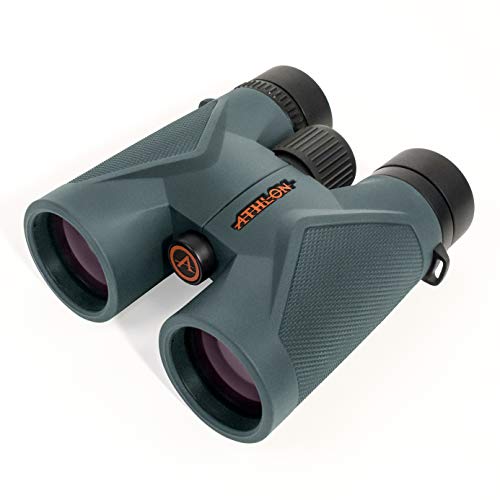
Athlon Optics 8×42 Midas UHD Binoculars

Steiner Marine 7×50 Binoculars

Vortex Crossfire HD 10×42 Binoculars
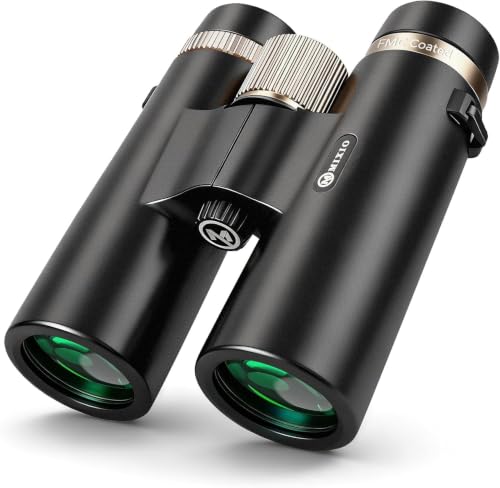
M MIXIO 12×42 Binoculars for Adults

M MIXIO 10×42 Binoculars for Adults

WRNRN 20×30 Compact Binoculars

M MIXIO 15×56 Monocular Telescope
The Strengths Of Each Pick
The Vortex Diamondback HD 10×42 is the kind of binocular most people forget they are wearing, which matters a lot when glasses sit between your eyes and the ocular lenses. The optical system uses fully multi-coated glass to lift light transmission, and the 10x magnification pulls distant subjects in close without shaking the view apart at arm’s length.
Twist-up eyecups and a generous eye-relief spec mean you can leave your glasses on and still see the full field. Compared to the Bushnell Trophy XLT up next, the Diamondback carries a slightly tighter chassis, but the optical clarity at the edges tends to hold up better across bright midday conditions.
Useful Highlights
- Fully multi-coated lenses that lift contrast and color in dim forests or shaded trails.
- Twist-up eyecups that hold position and let glasses-wearers keep their frames on.
- 10×42 format balances reach with a wide enough exit pupil for low-light hours.
- Rubber-armored shell that absorbs small bumps when clipped to a daypack.
Things To Consider
- The 10x power can feel jittery without steady hands or a monopod for long sessions.
- Owners commonly report that the included neck strap is serviceable but worth swapping for something wider on long hikes.
Feature Snapshot
Who It Suits Best
Glass-wearing birders, hikers, and travelers who want a versatile all-day optic that forgives a wide range of lighting and still produces a clean edge-to-edge image.
Where Another Pick Suits Better
Long sessions where steady handheld comfort matters more than reach point toward the Athlon Optics 8×42 Midas UHD, with its lower magnification and long eye relief.
The Bushnell Trophy XLT 10×42 is the binocular that shrugs off weather and keeps working. Its waterproof and fog-resistant build makes it a natural pick for cruise decks, rainforest walks, and damp dawn starts where cheaper glass often gives up.
Eye relief on this model sits in a comfortable range for most prescriptions, so the field stays full rather than cropped when glasses are in play. The 6.2-degree angle of view feels wide enough to track a moving hawk or scan a coastline without constant re-aiming.
Well-Handled Touches
- Waterproof and fog-resistant housing holds up in rain, spray, and temperature swings.
- Wide 6.2-degree field of view makes tracking moving subjects easier.
- Multi-coated optics keep colors honest in flat overcast light.
- Rubber grip stays secure with cold or wet hands on a boat rail.
Points To Keep In Mind
- Cleaning the external lens coatings takes a proper cloth; paper tissues can leave streaks in the field.
- At 10x, glass-wearers may want a light monopod for long stadium-style sessions.
Feature Card
Made For
Glass-wearing cruisers, casual wildlife watchers, and anyone who wants a weather-tough binocular that does not punish them for forgetting a lens cap.
Consider Something Else When
Low-light dawn and dusk sessions with full glass-wearing comfort may favor the Steiner Marine 7×50, whose larger objectives pull in noticeably more light.
The Athlon Optics 8×42 Midas UHD leans into long-eye-relief comfort, which is the headline feature for anyone whose glasses tend to push against standard eyecups. ED (extra-low dispersion) glass helps keep color fringing under control around high-contrast branches and feathers, and the 8x power keeps the view calm enough for slow scanning.
For glass-wearers who already feel 10x models are too jittery, this 8×42 hits a steadier middle ground. The chassis runs lighter than the Vortex Diamondback HD reviewed earlier, which helps during long walks.
The Value In It
- Long eye relief leaves room for glasses without cropping the field.
- ED glass controls color fringing on bright skies and dark tree lines.
- 8x magnification keeps the image steady for handheld observation.
- Lightweight chassis is easier to carry on all-day hikes.
Less Ideal Details
- Eyecup detents can loosen after heavy use, so a small check before trips is sensible.
- The gray finish shows dust and grit on long, dry hikes more than a darker rubber armor would.
Quick Facts
Right Fit For
Glasses-wearing birders and hunters who want long eye relief, low shake, and clean color rendering without stepping up to premium-tier glass.
Look Elsewhere When
Reach across open landscapes matters more than steady handheld comfort, where the M MIXIO 12×42 binoculars pull subjects closer but at the cost of more visible shake.
The Steiner Marine 7×50 is built around a simple promise: a bright image when the light gets tough. The 50mm objectives gather noticeably more light than the 42mm format used by the Diamondback HD or Midas UHD, which matters at dawn, dusk, and over open water.
A floating prism system helps the binocular survive the wet, bouncy environment of a boat or kayak deck. Eye relief is generous enough that most glasses-wearers can keep frames on and still see the full field.
Points In Its Favor
- Large 50mm objectives produce a bright image in low light.
- Floating prism design absorbs shock from boat motion and rough handling.
- Marine-grade construction stands up to spray and salt air.
- 7x magnification keeps the view steady on rocking decks.
Honest Caveats
- The larger chassis weighs more than 42mm models, which you may notice on long hikes.
- Owners commonly report that storage in a padded case is wise to protect the objective lenses in transit.
Best Suited To
Glass-wearing boaters, coastal birders, and anyone who watches wildlife in fading light and wants the brightest image in a hand-holdable package.
Reach For A Different Pick When
Reach across open landscapes is the priority, where the M MIXIO 10×42 or 12×42 binoculars offer higher magnification at a lighter carry weight.
The Vortex Crossfire HD 10×42 sits one rung below the Diamondback HD in the lineup and shares much of its DNA. Fully multi-coated lenses and a rubber-armored chassis cover most outdoor situations, from a stadium to a state park trail.
For glass-wearers, twist-up eyecups and a familiar eye-relief range keep the field full when glasses stay on. The included GlassPak harness is a thoughtful add for trail days where quick access matters more than a neck strap.
A Few Strong Suits
- Multi-coated HD optics that hold contrast in mixed lighting.
- GlassPak harness allows fast, quiet access on the trail.
- Rubber armor resists scratches and improves grip in wet weather.
- 10×42 format covers most general viewing without tripod support.
Things To Weigh
- Edge sharpness is a step behind the Diamondback HD reviewed earlier.
- The harness adds bulk for travelers who prefer a slim neck strap.
Who Will Love This
Glasses-wearing hikers and casual observers who want Vortex build quality with a practical carrying harness at a friendlier entry point.
A Better Fit Elsewhere
Premium edge clarity matters more than included accessories, where the Vortex Diamondback HD is the cleaner optical step up.
The M MIXIO 12×42 pushes reach further than most picks in this roundup, condensing 12x magnification into a 42mm objective lens. For glass-wearers who like scanning ridgelines, distant wildlife, and open water, that extra pull comes in handy.
The trade-off shows up in shake. At 12x, small hand movements become larger image movements, which makes a steady hold or a small tripod a real asset. Eye relief sits in a usable range for most glasses, though the highest prescriptions may want a careful test fit.
Key Advantages
- 12x magnification reaches distant subjects that 8x or 10x models leave soft.
- 20mm eyepieces deliver a wide apparent field for tracking movement.
- Waterproof construction handles damp mornings and boat spray.
- Compact 6.1 by 5 by 2.2-inch frame fits most daypacks.
Practical Considerations
- Higher magnification amplifies handshake, so a monopod or braced stance helps on long sessions.
- Owners commonly report that lens caps sit loose and are easy to lose on rougher trips.
Perfect Match For
Glass-wearing sightseers, hunters, and travelers who want maximum reach and can steady the binocular with two hands or a rest.
Swap It Out When
Steady handheld viewing matters more than reach, where the M MIXIO 10×42 covered later in this roundup offers a calmer image at slightly lower power.
The M MIXIO 10×42 is a friendlier entry into 10x viewing, with a 294-foot field of view at 1000 yards that helps new glass-wearers find their target. The 42mm objectives keep the body compact enough to slip into a jacket pocket or small sling bag.
Compared to the 12x sibling reviewed earlier, this model trades reach for steadier handheld viewing, which suits casual use and first-time binocular owners. The waterproof shell handles drizzle and accidental drops without drama.
Standout Benefits
- 10×42 format strikes a practical balance between reach and steadiness.
- Wide apparent field helps beginners locate subjects quickly.
- Waterproof housing survives rain and quick rinse-offs.
- Light carry weight suits travel and daypack use.
Possible Compromises
- Optical refinement sits below premium brands, especially at the edges of the field.
- Cleaning the objective lenses regularly keeps the image sharp, which is easy to forget between trips.
Who Should Grab It
First-time glasses-wearing owners who want a forgiving, all-around 10x binocular without a steep learning curve.
Another Choice May Suit
Sharper edge-to-edge optics across the frame matter more than budget-friendly cost, where the Vortex Diamondback HD is the cleaner long-term pick.
The WRNRN 20×30 Compact Binoculars trade optical size for portability, packing 20x magnification into a body small enough to live in a daypack or large coat pocket. For concerts, stadium seats, and quick travel looks, that compactness is the whole point.
For glass-wearers, the small 30mm objectives gather less light than the 42mm and 50mm picks earlier in this roundup, so dim venues look dimmer. Eye relief is workable, though the higher 20x magnification amplifies shake in a way that takes some practice to manage.
Where It Helps
- Pocketable form factor slips into bags that full-size binoculars will not fit.
- 20x reach covers large venues and distant landmarks.
- Light carry weight suits travel days and quick outings.
- Simple focus wheel is easy to operate with gloves on.
Worth Bearing In Mind
- Smaller 30mm objectives produce a dimmer image in low-light venues.
- 20x magnification magnifies handshake, so a braced hold or small rest helps in long sessions.
Built With In Mind
Glasses-wearing concertgoers, casual travelers, and anyone who wants a compact binocular for short, bright-light viewing sessions.
Not Your Match When
Long birding mornings or low-light wildlife viewing is the goal, where the Steiner Marine 7×50 produces a brighter image with less shake.
The M MIXIO 15×56 Monocular steps outside the binocular format entirely. A monocular (a small single-eyepiece telescope) collapses to a fraction of the size of a comparable binocular pair, which makes it a natural grab-and-go spotter for hikes, hunts, and stadium seats.
The 56mm objective and HD optics with a BAK-4 prism (a high-grade glass prism that improves light transmission and image clarity) aim to keep the image bright and color-true. For glass-wearers, the single eyecup can be a little tighter than a binocular pair, so a careful test against your frames matters.
Practical Advantages
- 15x magnification reaches distant landmarks and wildlife.
- Single-eyepiece design fits in pockets and pack pockets.
- BAK-4 prism and HD optics support color accuracy and contrast.
- 56mm objective gathers enough light for early morning and late afternoon use.
Trade-Offs To Consider
- Monocular viewing lacks the depth cues that two-eye binocular viewing provides for moving subjects.
- At 15x, a steady hold or tripod helps; you may find the image demanding on longer glassing sessions.
The Right Fit
Glasses-wearing travelers and hikers who want maximum reach in a compact, one-handed format and do not mind the depth tradeoff of single-eye viewing.
Where A Sibling Pick Shines
Two-eyed comfort and steadier tracking matter more than pocketability, where the Vortex Crossfire HD 10×42 delivers a balanced handheld experience for most outings.
What To Weigh Before Choosing Binoculars For Glasses Wearers
The first thing to check is eye relief, which is the distance from the eyepiece lens to the point where the image comes into focus. Longer eye relief lets your glasses sit comfortably between your eye and the ocular lens without cropping the field of view. Anything under about 14mm tends to feel tight for full-frame glasses, while 17mm and above usually gives a relaxed fit.
Magnification and objective size work together. An 8×42 or 10×42 pair balances reach, brightness, and steady handheld viewing for most users. A 12x or 15x setup pulls distant subjects closer, but small hand movements become larger image movements, which can wear you out on long sessions. A 7×50 format, like the Steiner Marine reviewed earlier, sacrifices reach for a bright image in low light, which helps at dawn and dusk.
Twist-up eyecups matter for glasses-wearers because they let you dial in the exact cup position to match your prescription. Look for eyecups that hold their position rather than sliding down mid-session. Rubber-armored chassis and waterproof seals extend the binocular’s life on wet trails and boat decks.
Weight and chassis size deserve a thought if you carry the binocular all day. A full-size 10×42 pair weighs around a pound and a half, which adds up over a long hike. Compact 30mm monoculars and 20×30 binoculars trade brightness and shake tolerance for portability, which can be a fair swap for travel and concert use.
Key Considerations Across These Picks
Where Shoppers Go Wrong
The most common slip is choosing magnification first and comfort second. A 12x or 15x binocular sounds impressive on paper, but glasses-wearers often discover that the shake and tight eye relief make long sessions harder than they need to be. Start with eye relief and steadiness, then dial up magnification once the basics feel right.
Another trap is treating every binocular as a sealed unit. Twist-up eyecups, neck straps, and lens caps take real wear, and replacement parts vary by brand. Picking a model with available accessories means a small field repair is not the end of the optic.
What The Higher Tier Buys
Premium-tier binoculars add edge-to-edge sharpness, better color fidelity through ED or UHD glass, and tighter mechanical tolerances. The jump from a friendly 10×42 to a Diamondback HD shows up in how the corners of the field render fine detail, especially in low contrast scenes. For most glasses-wearers, the upgrade is worth it when you spend real time outdoors and notice the difference between sharp and acceptable. For occasional concert and travel use, the friendly tier still does the job without the extra cost.
Frequently Asked Questions
What eye relief do I need for glasses?
Long eye relief, generally 15mm or more, gives glasses-wearers enough room to keep frames on and still see the full field. If your prescription is strong, lean toward 17mm or higher for the most comfortable fit.
Can I use regular binoculars with glasses on?
Standard binoculars often crop the field of view when glasses sit close to the eyepiece. Twist-up eyecups and longer eye relief solve most of that issue, which is why specs that mention eye relief matter for glasses-wearers.
Is 10x or 12x better for glasses-wearers?
A 10x binocular offers a steadier handheld image and a wider usable field for most users. A 12x model pulls distant subjects closer but amplifies handshake, so a steady hold or a small monopod becomes more important on longer sessions.
Do monoculars work well with glasses?
Monoculars work with glasses when the eyecup has enough travel and eye relief to clear the frames. The trade-off is single-eye depth perception, which is why monoculars suit quick spotting more than extended birding or wildlife watching.
How do I clean binocular lenses safely?
A soft microfiber cloth and a blower brush handle most field dust. Avoid paper tissues and household cleaners, which can leave streaks or damage coatings over time. A small lens pen in your pack covers routine smudges between deeper cleanings.
The Takeaway
The right binocular for glasses is the one that lets you keep your frames on, see the full field, and stay comfortable for as long as you like to look. Match eye relief to your prescription, pick magnification to your steadiness, and let the use case guide the rest. The picks above cover most of the common scenarios, from backcountry birding to stadium seats, so you can spend less time shopping and more time watching.