Eyeglasses change how binoculars sit against your face. Skip the wrong pair and you fight black rings around the edges, lost field of view, and aching temples after twenty minutes. The right glass rewards you with the full image, comfortable long sessions, and crisp focus even with frames on. You deserve honest picks that respect your prescription, not marketing fluff.
A Closer Look At The Lineup

Vortex Diamondback HD 10×42 Binoculars

Bushnell 10x42mm Trophy XLT Binoculars

Vortex Copperhead HD 10×42 Binoculars
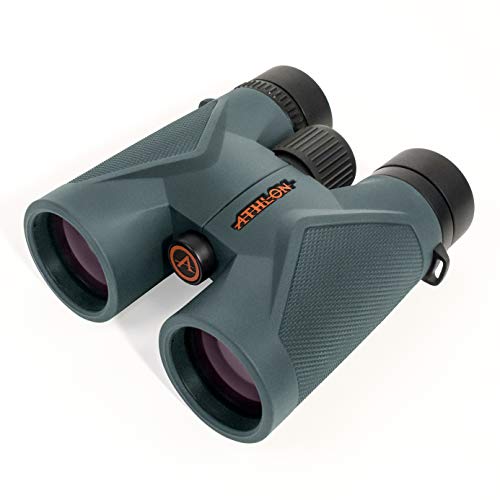
Athlon Optics 8×42 Midas UHD Binoculars

Steiner Marine 7×50 Binoculars

Vortex Crossfire HD 10×42 Binoculars

20X30 Compact Binoculars for Travel
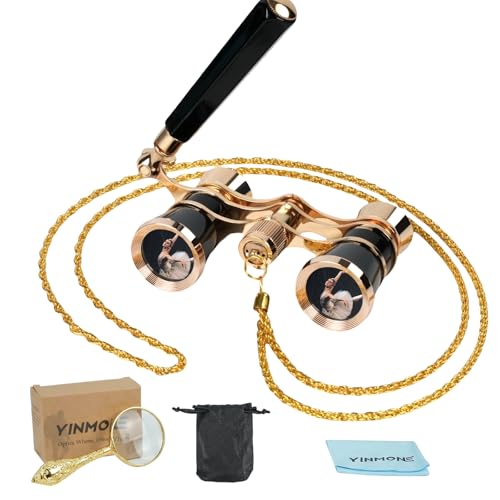
3X25 Opera Glasses Mini Binocular
The Details Behind The Selections
The Diamondback HD 10×42 carries the kind of optical quality you’d expect from a much pricier optic, and it treats eyeglass wearers kindly in the process. The 10x magnification paired with 42mm objectives pulls distant birds, deer, and distant ridgelines into focus without making your hands work overtime.
For prescription-glass wearers, the long eye relief and twist-up eyecups are the real story. You can leave your glasses on and still see the full field of view edge to edge. The argon-purged, sealed body shrugs off light rain and damp morning woods, and the rubber armor absorbs the inevitable bumps of regular trail use.
Standout Benefits
- Twist-up eyecups hold position firmly, so the focus distance stays where you set it
- Fully multi-coated optics brighten dawn and dusk viewing, which matters for wildlife at first light
- Phase-corrected prisms (prisms whose coatings align wavelengths to boost contrast and resolution) cut the dull, washed-out look common in cheaper bins
- Tripod-adaptable for long hawk-watches where hand-shake makes small subjects blur
- Compared to the Bushnell Trophy XLT below, the Diamondback delivers noticeably better low-light contrast
Things To Consider
- 10x magnification amplifies hand tremor, so you may find steady handheld viewing harder than at 8x
- Heavier than compact travel binoculars, worth a neck strap on full-day outings
Key Specs
Right Fit For
Glasses-wearing birders and wildlife watchers who want one capable pair to cover almost any outdoor session.
Look Elsewhere When
The Athlon Optics 8×42 Midas UHD suits you better if hand steadiness matters more than reach, since its 8x magnification makes handheld viewing calmer.
Bushnell’s Trophy XLT 10×42 leans into the practical side of birding and travel. The wide 6.2-degree angle of view lets you sweep a shoreline or a forest edge without constant readjustment, which matters when you wear glasses and don’t want to fight for the sweet spot.
Long eye relief and adjustable eyecups accommodate most prescription frames comfortably. The waterproof, fogproof construction shrugs off ship-deck spray and sudden drizzle, making it a sensible companion for cruises and outdoor touring where weather can turn without warning.
A Strong Showing
- Wide field of view simplifies tracking fast subjects like shorebirds in flight
- Rubberized exterior gives you a confident grip even with damp hands
- Center focus knob turns smoothly, useful for eyeglass wearers who frequently refocus between distances
- Versatile enough for hiking, boating, and casual stargazing in dark-sky spots
Trade Offs
- Edge sharpness drops off slightly compared to the Vortex Diamondback HD above
- Coatings are solid but don’t quite match premium models for twilight contrast
- Some owners report the included strap feels light for heavier neck wear
Made For
Glasses-wearing travelers and casual naturalists who want one pair that handles varied conditions without fuss.
Consider Something Else When
The Vortex Diamondback HD 10×42 serves you better if low-light color fidelity is a priority, particularly for dawn wildlife sessions.
The Copperhead HD slots into Vortex’s lineup as a value-focused sibling to the Diamondback. The HD optical system delivers strong color fidelity and edge-to-edge sharpness that punches above what you might expect at this tier, especially for prescription-glass users who need reliable focus across the frame.
Fully waterproof and fogproof sealing means weather rarely cuts your day short. Adjustable eyecups with solid click-stops let glasses wearers dial in a comfortable viewing distance, and the diopter adjustment locks focus differences between your eyes in place securely.
Where It Delivers
- Argon-purged body resists internal fogging during cold-morning to warm-afternoon transitions
- Armor coating absorbs minor bumps, helpful on rocky trails
- Twist-up eyecups provide enough eye relief for most glasses without removing frames
- Optical clarity rivals models priced noticeably higher
Worth Noting
- Slightly heavier than the Vortex Crossfire HD listed below
- Close focus distance is functional but not exceptional for butterfly or insect viewing
Feature Snapshot
Who It Suits Best
Hikers and birders with prescription glasses who want a sealed, dependable pair for rough weather and rough terrain.
Swap It Out When
The Bushnell Trophy XLT 10×42 fits better if a wider field of view for scanning large areas matters more than edge sharpness.
The Midas UHD 8×42 makes a serious case for glasses wearers who spend long hours at the scope. The 17.2mm eye relief is genuinely generous, and ED (extra-low dispersion) glass cuts the color fringing that can otherwise blur the edges of high-contrast subjects like a hawk against a bright sky.
8x magnification keeps the image steady in your hands, which is kinder on tired arms during a multi-hour hawk watch. BaK-4 prisms (prisms made from high-grade optical glass that transmits more light than standard glass) and phase correction keep the picture bright and true from edge to edge, so you don’t lose subject detail in the corners.
Good Reasons To Consider
- ED glass reduces chromatic aberration (color fringing around high-contrast edges)
- 8x is easier to hold steady than 10x, so glasses wearers get a less shaky image
- Generous 17.2mm eye relief comfortably fits most prescription frames
- Close focus down to about 2 meters lets you study nearby birds and insects
Minor Gripes
- 8x reach is shorter than 10x competitors, so very distant subjects stay smaller in frame
- Body weight is moderate, around 25 ounces, worth a good strap for long days
- Some owners commonly report the focus knob requires more turns than rival models
Best Suited To
Eyeglass-wearing naturalists and hunters who prefer a steady, fatigue-free view over maximum magnification.
Another Choice May Suit
Steiner Marine 7×50 Binoculars fit better if you spend time on water and want even brighter images for low-light spotting.
The Steiner Marine 7×50 is a purpose-built binocular for life on the water. The 7x magnification keeps the view steady on a rocking boat, and the 50mm objectives gather enough light to extend useful viewing into dusk, when many shorebirds and cetaceans become active.
For glasses wearers, the high-contrast optics and forgiving eye relief make it possible to spot channel markers, distant bouys, and wildlife without removing frames. The floating prism system uses flexible silicone mounts that absorb shock, and Steiner’s reputation for waterproofing holds up in real marine conditions.
Noteworthy Benefits
- 7x magnification stabilizes the image on rocking vessels
- 50mm objectives excel in low-light situations common at sea
- Built-in sports auto-focus keeps distant subjects sharp without constant adjustment
- Rubber-armored exterior floats if dropped overboard
Practical Considerations
- Larger 50mm objectives make these noticeably bulkier than 42mm models
- Heavier body weight can cause neck fatigue during all-day shorebird surveys
- Less suited to casual hiking where compact gear matters more
Whose Shelf It Belongs On
Boaters, anglers, and coastal glasses wearers who need bright, steady views over open water at dawn and dusk.
Reach For A Different Pick When
The Athlon Optics 8×42 Midas UHD suits you better for inland hiking, where lighter weight and ED-glass sharpness matter more than marine-rated durability.
The Crossfire HD 10×42 brings HD optical performance to Vortex’s accessible tier, and the included GlassPak harness makes it easier to keep your binoculars close at hand. For glasses wearers, the adjustable eyecups and comfortable eye relief help you see the full image without awkward frame pressure.
The rugged, rubber-armored body handles the everyday knocks of casual wildlife viewing. Fully multi-coated lenses boost brightness and clarity, while the optical system delivers sharp resolution for the price bracket. It sits between budget and premium, offering a confident middle ground.
Notable Upsides
- GlassPak harness keeps optics accessible and protected on the move
- Fully multi-coated optics produce bright, color-accurate images
- Adjustable eyecups accommodate prescription frames comfortably
- Sealed and fogproof body holds up under varied weather conditions
Honest Caveats
- Glass clarity is solid but doesn’t match the Diamondback HD above in tough lighting
- 10x magnification may feel shaky for users without image stabilization
- Harness sizing runs slightly large for petite frames
Who Should Grab It
First-time binocular owners with glasses who want a trustworthy, comfortable entry point without overspending.
A Better Fit Elsewhere
The Vortex Diamondback HD 10×42 suits you better if you prioritize sharper optics over the included harness system.
These 20×30 compacts aim high in magnification and small in footprint. The 20x reach pulls distant stage performers, stadium action, and far-off landmarks into apparent nearness, and the body folds small enough to slip into a jacket pocket or daypack.
For glasses wearers, the compact form is the real draw. You get casual binocular use without hauling full-size glass through airports or onto cruise decks. The FMC (fully multi-coated) 30mm objectives help the small aperture transmit enough light for daytime viewing.
The Helpful Details
- 20x magnification brings distant subjects much closer in frame
- Compact, lightweight body fits into most bags and large pockets
- FMC optics boost brightness for the small objective size
- Simple center focus is approachable for first-time users
Soft Spots
- 20x magnification amplifies hand shake so sharply that a tripod is often needed for steady viewing
- 30mm objectives gather less light than 42mm, so low-light performance is limited
- Build quality and optical refinement don’t match full-size binoculars like the Vortex Crossfire HD
Quick Facts
Right Fit For
Glasses-wearing travelers and casual sightseers who want high magnification in a packable size for daytime outings.
Skip It When
The Steiner Marine 7×50 Binoculars suit you better if your main use is on water or in dim conditions where light gathering matters.
The 3×25 opera glasses lean into vintage charm and pure portability. The metal body folds into a slim shape that disappears into a clutch, handbag, or coat pocket, and the 3x magnification suits the short viewing distances of theaters, concert halls, and museum galleries.
For glasses wearers heading to Broadway or a symphony, the twist-style eyecups and modest eye relief work for short, intermittent sessions. This is a specialty pick, less a serious observation tool and more a delightful accessory that quietly solves a small problem.
What Stands Out
- Folding handle design feels like holding a small piece of jewelry
- Metal body delivers a solid, substantial feel in the hand
- Tiny form factor fits purses and pockets where full-size bins never could
- 3x magnification is exactly right for stage and front-of-house distances
Points To Keep In Mind
- Limited eye relief makes glasses wearers work harder to find the focus sweet spot
- 3x magnification is far too low for wildlife, travel, or sports use
- 25mm objectives produce dim images outside well-lit venues
Perfect Match For
Eyeglass-wearing theatergoers and concert attendees who want a discreet, stylish binocular for short indoor sessions.
Where A Sibling Pick Shines
The 20X30 Compact Binoculars cover you better for travel and stadium use where higher magnification and broader utility matter.
What To Weigh Before Picking Binoculars For Glasses
Eye Relief Is Non-Negotiable. Eye relief is the distance from the eyepiece lens to your eye where the full image still appears. Anything below about 14mm forces you to press your glasses uncomfortably close to the rubber cups or remove them entirely. For most prescription wearers, 15mm to 18mm gives you the full field of view without frame contact. The Diamondback HD, Athlon Midas UHD, and Steiner Marine all clear this bar comfortably.
Magnification Sets Your Reach And Your Hand Shake. Higher numbers pull distant subjects closer but exaggerate every tiny tremor in your hands. 8x models feel noticeably calmer than 10x, and 20x compacts really need a tripod or monopod for steady viewing. Match magnification to your most common activity rather than chasing the biggest number.
Objective Lens Size Controls Light Gathering. The second number on a binocular (the 42 in 10×42) is the objective lens diameter in mm. A 42mm objective handles dawn, dusk, and shaded woods better than a 30mm compact. Marine and low-light use benefits from 50mm objectives, at the cost of bulk and weight.
Coatings And Glass Type Make The Picture. Fully multi-coated lenses, ED (extra-low dispersion) glass, and phase-corrected prisms all contribute to sharper, brighter, more color-accurate images. The Athlon Midas UHD uses ED glass specifically to reduce color fringing around high-contrast edges, which matters when a hawk crosses a bright sky.
Sealing Protects Your Investment. Argon or nitrogen purging (filling the body with inert gas to prevent internal fogging) plus O-ring seals keep moisture, dust, and fog out of the optics. For rain, marine spray, and cold-to-warm temperature transitions, sealed construction is worth the modest weight penalty.
Key Considerations Across These Picks
Common Shopping Slip Ups
The most common mistake is choosing a binocular with insufficient eye relief, then wondering why the edges of the image look blacked out. Glasses sit a few millimeters farther from your eyes than bare skin, so the binocular’s stated eye relief must exceed that gap. Another trap is overvaluing magnification in a small body, since compact 20x models often produce shaky, dim views that disappoint new owners.
What The Higher Tier Buys
Premium binoculars like the Vortex Diamondback HD and Vortex Copperhead HD invest in ED glass, phase correction, and tighter mechanical tolerances. You see the payoff in cleaner edges, better twilight contrast, and long-term focus stability. The upgrade is worth it if you spend serious hours outdoors and notice image quality during dusk or overcast days. Casual users get most of what they need from solid mid-tier glass like the Crossfire HD or Athlon Midas UHD.
Frequently Asked Questions
What eye relief do I need for eyeglasses? Most glasses wearers do best with 15mm to 18mm of eye relief so the full field of view stays visible with frames on. Anything below about 14mm tends to clip the edges of the image unless you remove your glasses.
Can I use binoculars without removing my glasses? Yes, when the binocular offers enough eye relief and twist-up or fold-down eyecups. Adjust the cups to create the right standoff between the lenses and your frames.
Is 8x or 10x magnification better for glasses wearers? 8x produces a steadier handheld image and is more forgiving for casual viewing. 10x gives more reach for distant subjects but amplifies hand shake, which matters more during long sessions.
Do I need waterproof binoculars? Sealed construction helps if you encounter rain, fog, dew, or marine spray. Casual fair-weather users can skip it, but most outdoor enthusiasts benefit from O-ring sealing and nitrogen or argon purging.
What’s the difference between ED glass and standard glass? ED (extra-low dispersion) glass reduces color fringing around high-contrast edges, like a bird’s wing against a bright sky. Standard glass can show faint red or blue halos in those situations, especially at higher magnifications.